
 English
 Español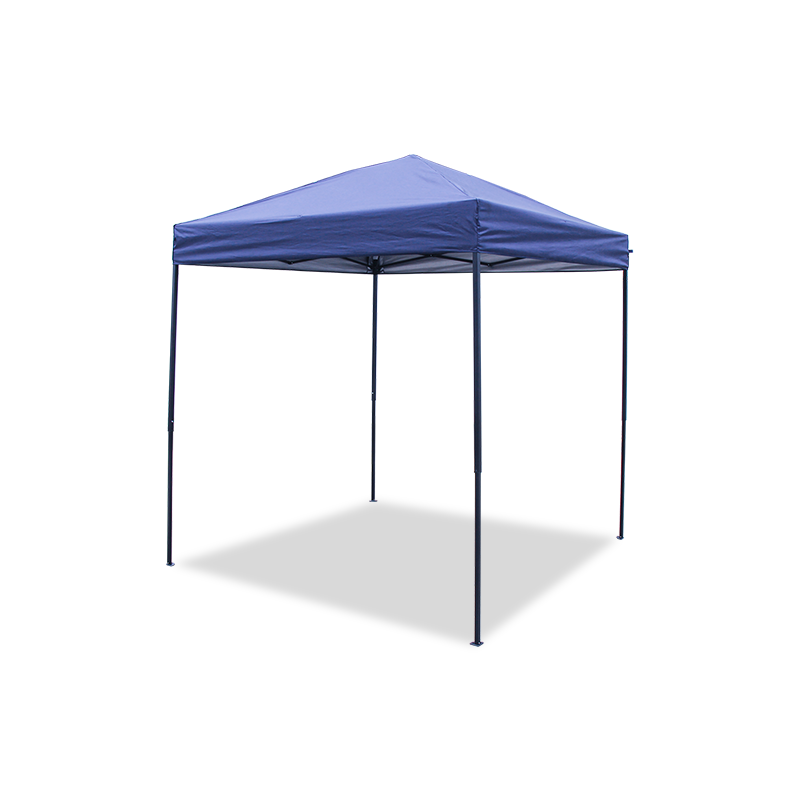


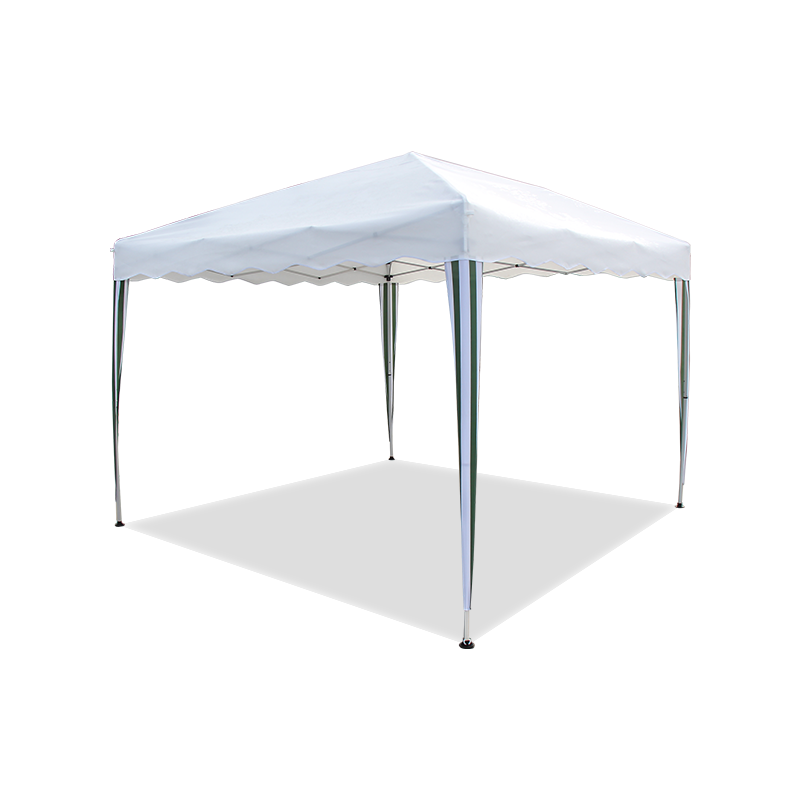
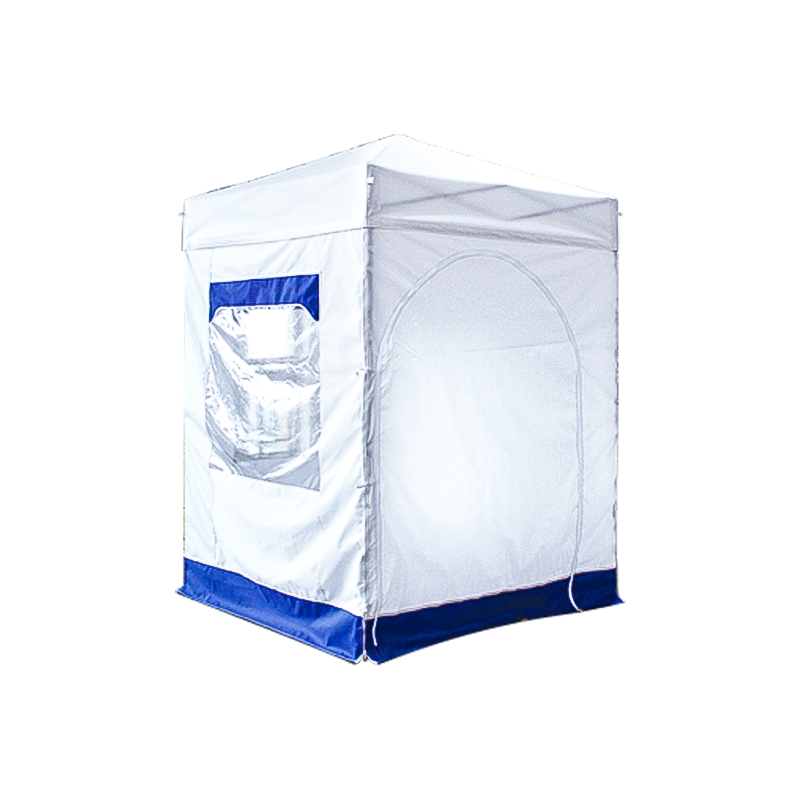
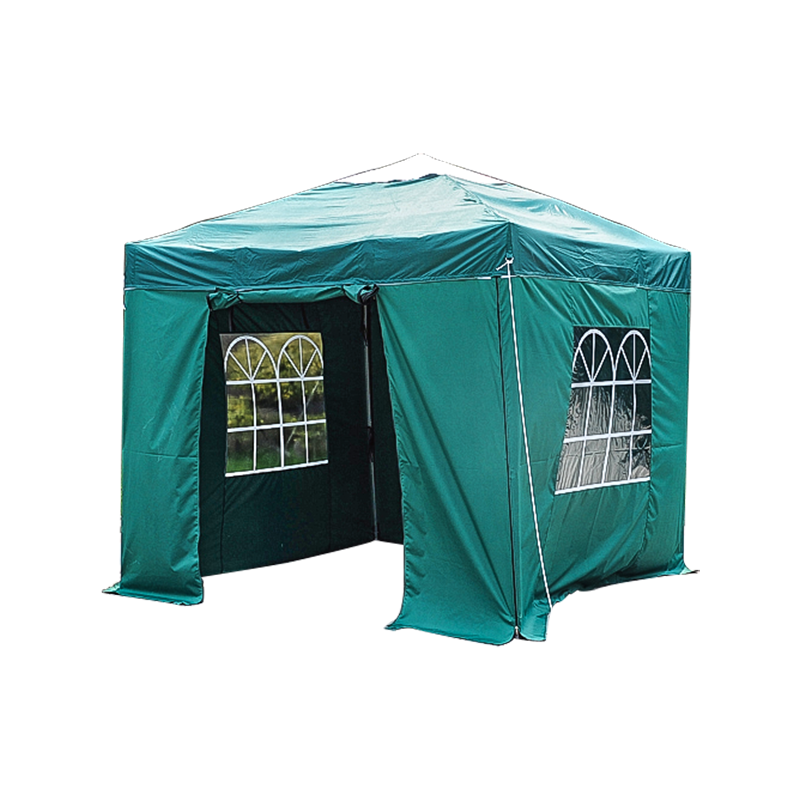
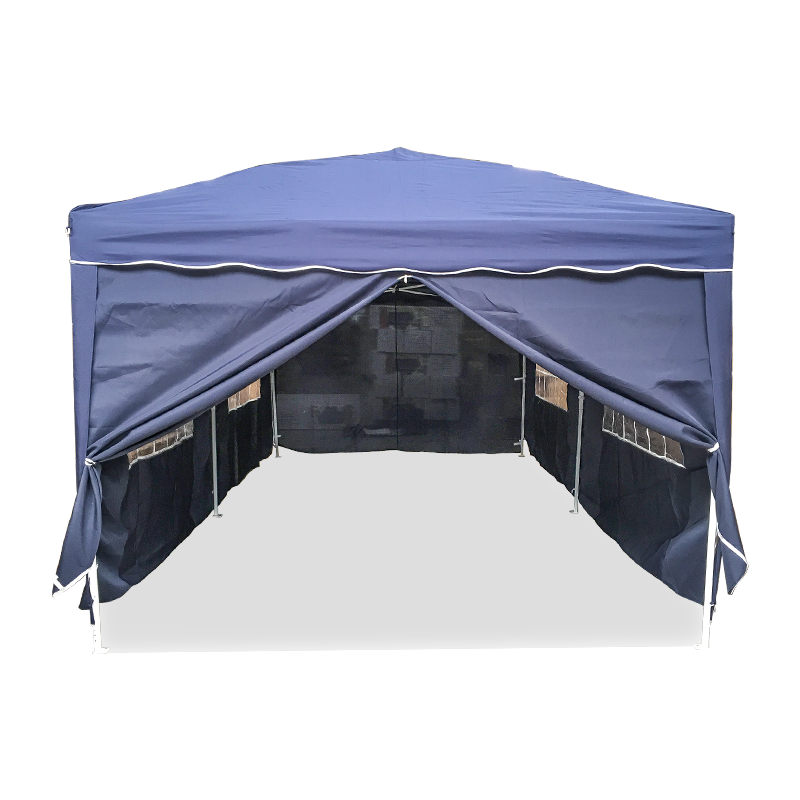
Customer expresses intent; Communicate between the two parties; Provide analysis reports to customers; Reach a cooperation intention.
Content
- 1 What Counts as a Small Pop Up Tent
- 2 Matching the Footprint to the Activity
- 3 Steel Frame or Aluminum Frame: What Changes in Real Use
- 4 Choosing the Roof Fabric: Rain Ratings and Sun Behavior
- 5 Wind Resistance: What a Small Pop Up Tent Can Actually Handle
- 6 Best Uses for a Small Pop Up Tent
- 7 Step-by-Step Setup and Takedown Without Damaging the Frame
- 8 Care, Cleaning, and Storage Habits That Extend Tent Life
- 9 Frequently Asked Questions
A small pop up tent solves a very specific problem: you need covered space in minutes, on a compact footprint, without tools, without a second person, and without a permanent structure. After comparing the current B-series and A-series specifications, the most direct recommendation for most buyers is a 2 x 2 m pop up tent with a steel frame and a 250 g PVC-coated polyester roof. It covers about 4 square meters, weighs roughly 11 kg packed, and can be erected in under one minute by a single person. If you plan to carry the tent by hand several times a week, choose the aluminum-frame version instead. It saves about 3 kg of pack weight, does not rust, and costs more, but for frequent transport that extra cost is justified. These figures come from the manufacturer's current product specification sheets for the portable gazebo and folding canopy lines.
What Counts as a Small Pop Up Tent
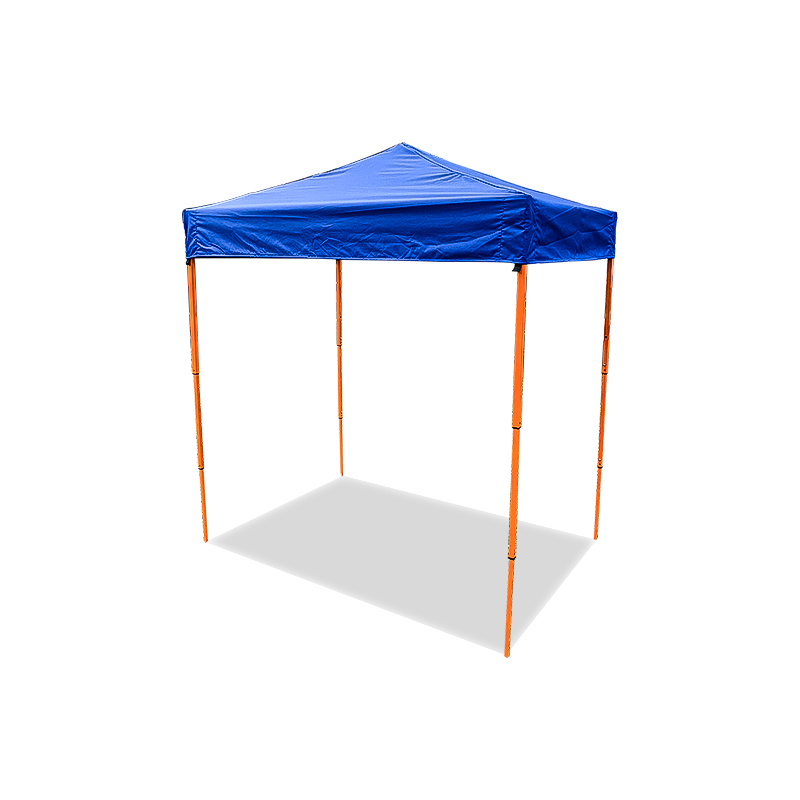
A "small" pop up tent is defined by its ground footprint, not by its peak height. In the current product lineup, the small category covers the 2 x 2 m and 2 x 3 m floor sizes, with the 3 x 3 m option occasionally included when built on a lightweight aluminum frame. These are the tents that fit on a beach plot, behind a catering table, over two deck chairs, or beside a trade show booth without swallowing the surrounding space.
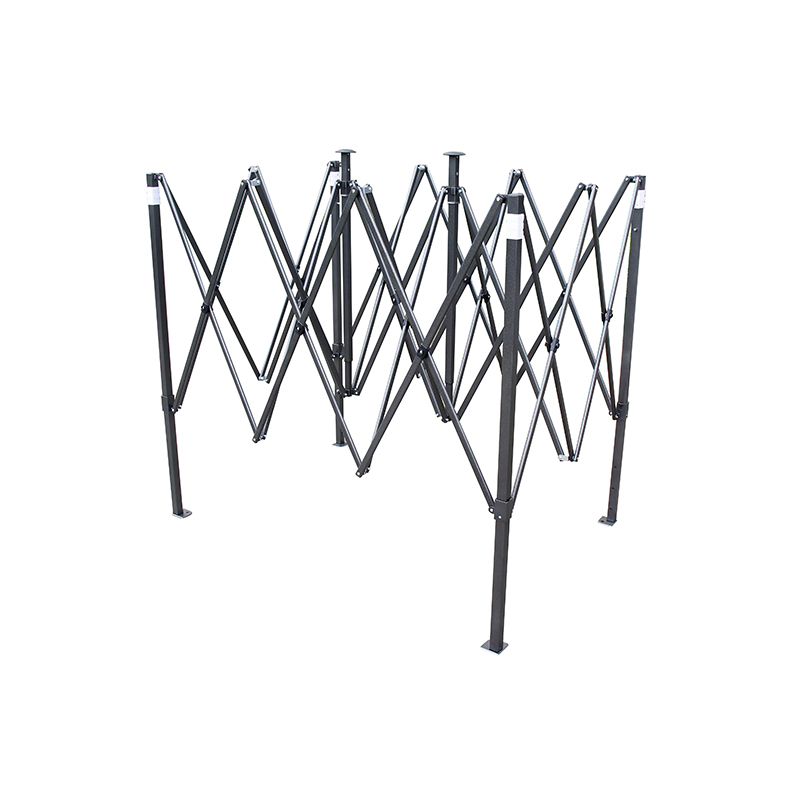
The structure works the same across the category. A scissor-like X-frame expands outward through spring-loaded corners when you release the straps and pull the sides apart. There are no separate poles, no threading through sleeves, and no alignment steps. That mechanism is why a small pop up tent can be erected and dismantled by one person, and why the term "pop up" accurately describes the experience.
Typical dimensions from the current B-series specification sheets:
- 2 x 2 m footprint, about 2.2 to 2.4 m ridge height, packed length roughly 115 to 130 cm.
- 2 x 3 m footprint, about 2.4 to 2.6 m ridge height, packed length roughly 135 to 150 cm.
- Peak clearance on most B-series tents reaches about 2.6 m, enough for an average adult to walk under comfortably.
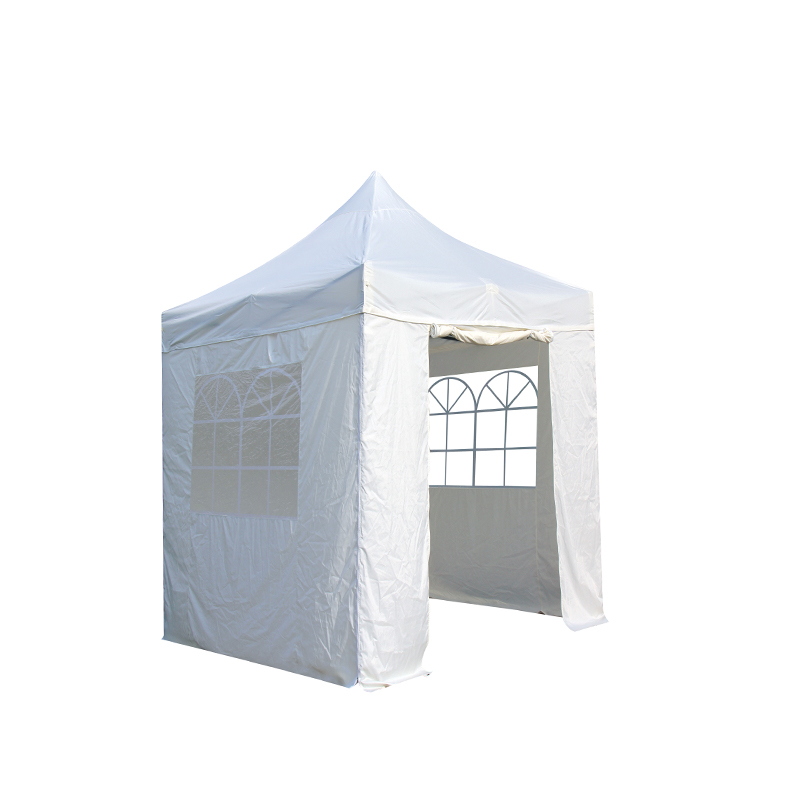 2X2M Outdoor Folding Canopy GazeboProduct features and materials: * Easy set-up; * This Gazebo requires very little effort to erect or collapse, has no loose parts and can be erected in less than one m...View Product →
Matching the Footprint to the Activity
The right size depends on what will sit underneath the tent. Four square meters is enough for two adults with a small table and two chairs, or for one promotional stand with a folding counter. Six square meters opens the option of a catering station, a display table plus a walkway, or four adults seated around a picnic table. The 3 x 3 m size moves into small gathering territory and is better treated as a mini event tent than a true pop up shelter.
| Footprint | Area | Practical Capacity | Typical Packed Weight | Best Matched Use |
|---|---|---|---|---|
| 2 x 2 m | 4 m² | 2 to 4 people standing | 9 to 11 kg steel / 8 to 9 kg aluminum | Beach day, market stall, camera shade, bike events |
| 2 x 3 m | 6 m² | 4 to 6 people standing | 12 to 14 kg steel | Catering table, school event, car boot display |
| 3 x 3 m | 9 m² | 6 to 8 people standing | 15 to 18 kg steel | Small garden birthday, brunch gathering, yoga class |
The weight difference matters more than the area difference for most buyers. A 2 x 2 m steel tent is still a comfortable one-person carry; the 3 x 3 m size starts to feel like a two-person job, especially when packed into its storage bag. Measured against the 50,000-piece annual production capacity of the manufacturing facility behind these tents, the 2 x 2 m and 2 x 3 m sizes are also the most commonly reordered configurations, which keeps replacement parts and replacement canopies available.
Steel Frame or Aluminum Frame: What Changes in Real Use
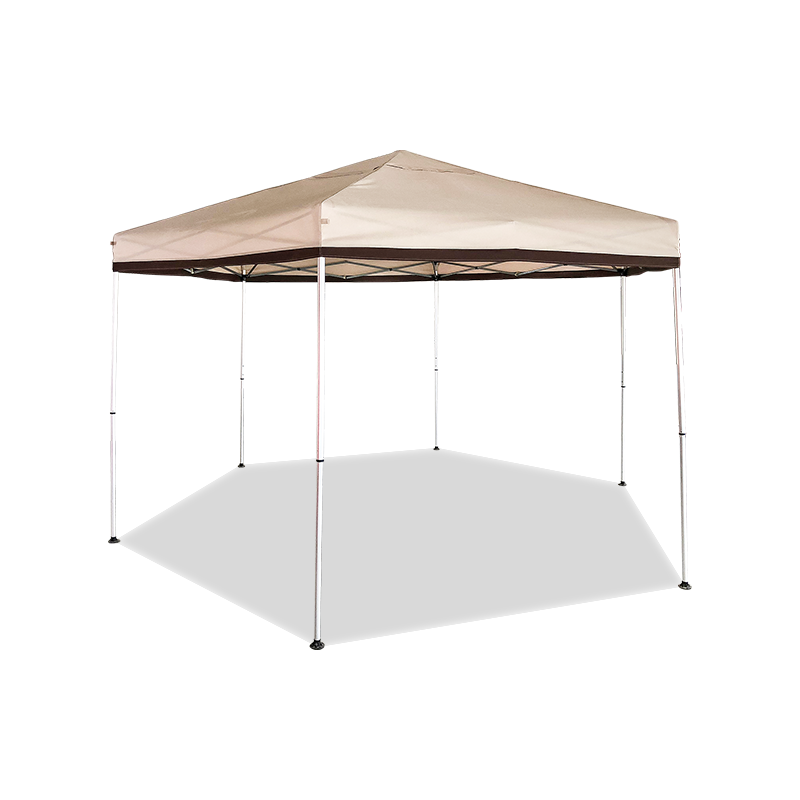
The frame is the part of a small pop up tent that determines how long the tent survives. Roof fabric wears out first visually, but frame failure ends the tent's life. Current production uses steel with black powder coating for the standard canopy line, and aluminum for the lighter portable line. Both are valid, but they suit different owners.
| Property | Steel Frame | Aluminum Frame |
|---|---|---|
| Weight for 2 x 2 m | About 11 kg | About 8 kg |
| Impact resistance | Higher resistance to accidental knocks | Slightly lower, sufficient for normal use |
| Rust behavior | Good when black powder coating stays intact | Excellent, natural corrosion resistance |
| Price level | Lower | Higher |
| Best owner profile | Set up once and leave in place for a season | Frequent transport, hand-carrying, coastal use |
Connectors matter just as much as the frame tube. Current production offers aluminum-alloy connectors or plastic connectors, with pull-ring or button locking depending on the model. Aluminum connectors add cost but survive repeated fold-and-unfold cycles better. Plastic connectors are fine for seasonal use, but if the tent will be opened and closed hundreds of times a year, such as a weekly market stall, aluminum connectors are the sensible upgrade.
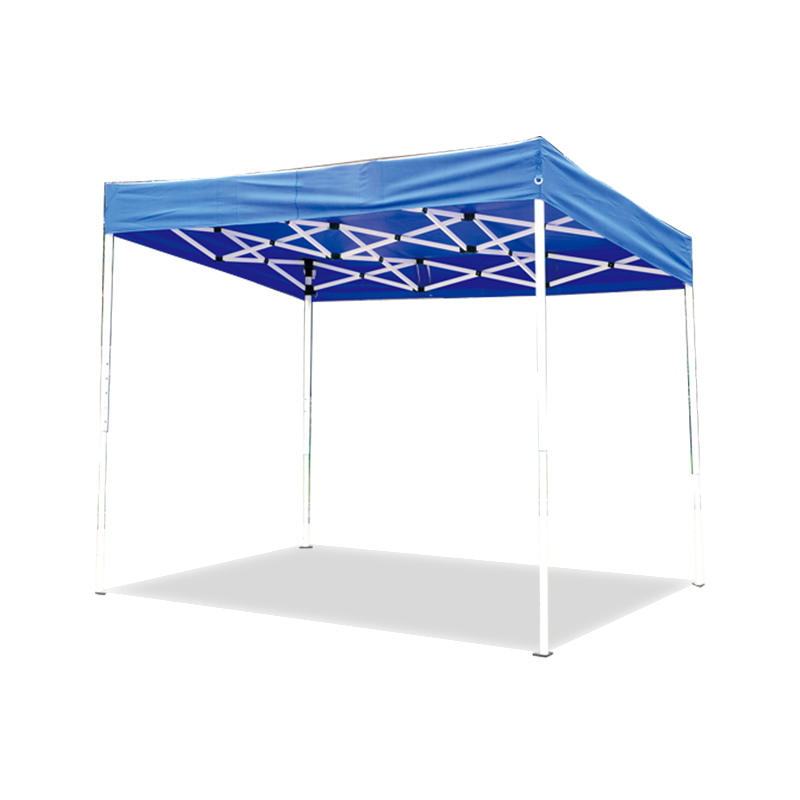
 Plastic Connector Aluminum Folding GazeboProduct features and materials: * Easy set-up; * This Gazebo requires very little effort to erect or collapse, has no loose parts and can be erected in less than one m...View Product →
A practical tip from the assembly line: check the leg-lock mechanism before buying. Push-button locks are faster but have more small parts; pull-ring locks are slightly slower and more robust. For a family using the tent a few times per season, either is fine. For commercial event use, the fewer moving parts, the better.
Choosing the Roof Fabric: Rain Ratings and Sun Behavior
Roof fabric determines whether a small pop up tent is a shade structure or a waterproof shelter. The current product range uses four main material specs, and the gap between them is large enough that choosing the wrong one is the most common reason buyers feel disappointed.
| Fabric Specification | Primary Role | Rain Handling | Sun Behavior | Grade |
|---|---|---|---|---|
| 140 g polyester | Entry-level shade canopy | Light shower only | Good shade, moderate heat reduction | Budget |
| 250 g PVC-coated polyester | All-round pop up tent roof | Waterproof; folded seams need routine checking | Good shade; silver-coated versions reflect more heat | Recommended |
| 300 g PVC-coated polyester | Heavy-duty aluminum-frame tents | Waterproof; stiffer surface sheds water faster | Strong sun barrier | Premium |
| PU silver coating over polyester | Sun-shelter canopy | Light rain only; mainly a heat solution | Excellent heat reflection | Sun priority |
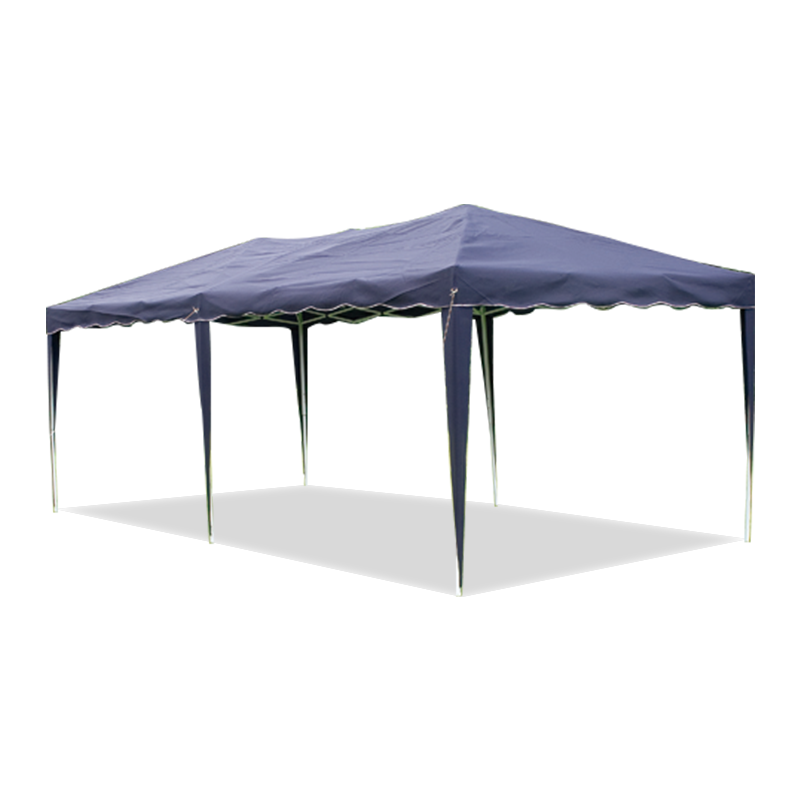
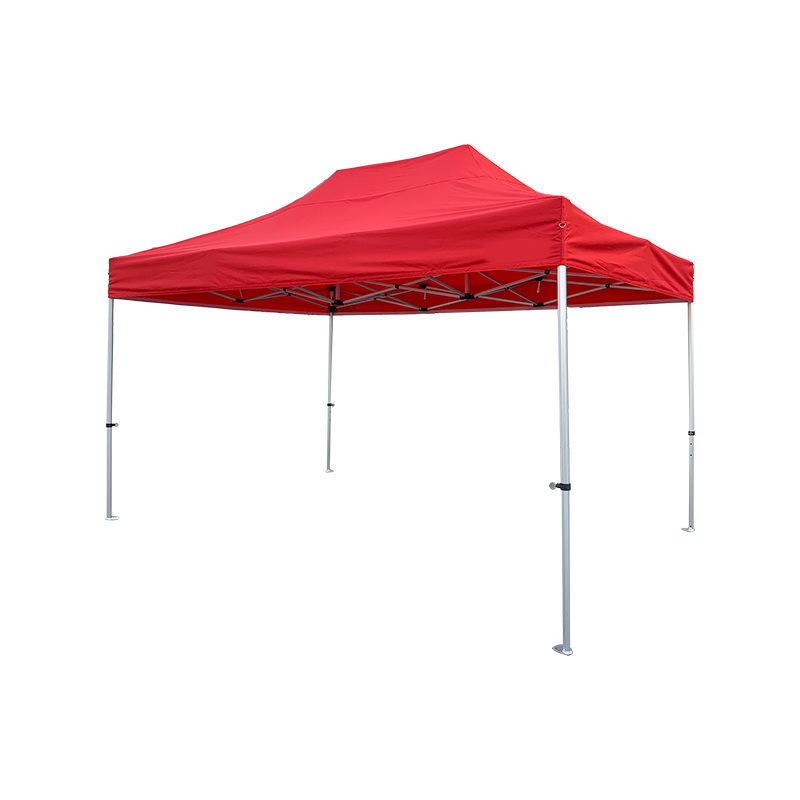
 2X3M Outdoor Folding Canopy GazeboProduct features and materials: * Easy set-up; * This Gazebo requires very little effort to erect or collapse, has no loose parts and can be erected in less than one m...View Product →
In practical terms, if the tent will be used only on sunny days, 140 g polyester is acceptable and keeps the price low. If rain can appear at any time, and the tent is intended for a full season outdoors, 250 g PVC-coated polyester is the minimum serious choice. The 300 g material, paired with an aluminum frame, is what the manufacturer specifies for semi-professional and repeat-event use because the heavier surface stays taut and does not flap as much in gusty wind.
One detail often missed: the seam treatment. A coated fabric is only as waterproof as the needle holes at the seams. Current factory practice sews the roof panels first and then folds and seals the overlapping edges, so the water has to travel a longer path before reaching the stitching. When inspecting a tent, run a hand under the seams after a heavy rain test, not just across the middle of the panel. For the full product range with these fabric choices, see the portable gazebo collection.
Wind Resistance: What a Small Pop Up Tent Can Actually Handle
A small pop up tent is essentially a flat sail mounted on folding legs. Wind resistance is not infinite, and the failure sequence is predictable. In the first stage, the roof fabric starts to lift and flap at the edges. In the second stage, the legs begin to flex and the whole structure rocks. In the third stage, one connector slips or a leg lock releases, and the tent collapses sideways. Understanding this sequence is more useful than memorizing a wind-speed rating.
Practical wind guidelines used by event operators who run these tents weekly:
- Below 30 km/h: the tent stands fine on its own, but pegging down is still recommended.
- 30 to 50 km/h: use all four leg pegs, attach the wind ropes, and add weight to the legs if the ground is hard.
- Above 50 km/h: take the tent down. No small pop up tent is designed to sit through a storm, and damage is more expensive than early takedown.
Wind loading is also affected by the roof shape. A slightly sloped roof with a centered peak sheds gusts better than a flat roof of the same area, because the wind can slide over the surface instead of pressing straight down. This is one reason the A-series canopy with its angled frame is preferred for outdoor trade shows where open fields create sudden gusts. If you want to understand the mechanism behind this behavior before buying, check the manufacturer's explanation of the pop-up or quick-installation mechanism for foldable gazebos.
Best Uses for a Small Pop Up Tent
The same physical product serves very different buyers. Knowing your primary use case is the fastest way to choose the right size and fabric.
- Beach and lakeside.A 2 x 2 m steel model with 250 g PVC-coated fabric creates a shaded zone for chairs and a cooler. Choose a PU silver-coated version if the main goal is heat reflection rather than rain protection.
- Farmers market and craft stalls.A 2 x 3 m footprint fits one standard folding table plus a small shelf or hanging display. The steel frame keeps setup steady on uneven ground, and replaceable top cloth means the tent can be refreshed without buying a new frame.
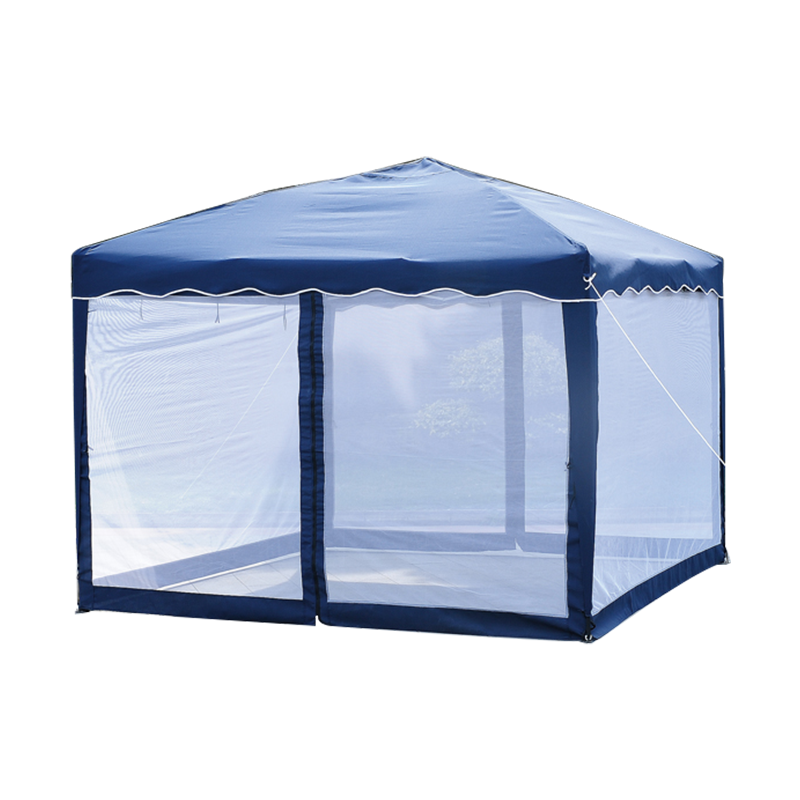
- Backyard parties and small events.The 3 x 3 m size covers a buffet table and a few chairs. Models with optional side walls convert the pop up tent into a more enclosed space for windy evenings.
- Sport sidelines and team shelters.Parents and youth teams use a small pop up tent as a base for gear, water bottles, and folding chairs. Aluminum frame models make sense here because the tent is carried in and out of a car trunk every weekend.
- Trade shows and promotional booths.The 2 x 3 m canopy with the A-series frame is a standard booth size. The labeled fabric options from the factory include printed logos, custom colors, and side-wall integration, which matters when your booth needs to look consistent with your brand.
The manufacturer's own product naming shows how crossover these tents are: several current models are labeled for outdoor trade shows, car protection, weddings, sun, and rain simultaneously. That is not a marketing accident. It reflects a category where one small, foldable shelter is expected to rotate through multiple roles in a single season.
Step-by-Step Setup and Takedown Without Damaging the Frame
Most damage to small pop up tents happens during opening and closing, not during use. The frame is under spring tension, and forcing any joint against its natural direction bends the connector or pops the rivet. Follow this sequence every time.
- Release the storage straps completely before touching the frame. Opening a tent while the strap is still partly secured distorts the scissor arms.
- Lift the tent by the center hub and let the legs drop naturally downward. Do not pull the legs outward until the arms have relaxed.
- Extend each leg to its full height and confirm that the locking mechanism clicks into place on all four corners.
- Check the roof for wrinkles. Pools of loose fabric mean one corner is not fully extended.
- Peg down at least two opposite corners, then the remaining two. Attach wind ropes only after the frame is stable.
For takedown, reverse the order. Remove the wind ropes first, release the leg locks, then lift the frame from the center. Fold the two opposite sides inward first, then the other two sides, and secure the straps immediately. Following this sequence keeps the fabric from getting caught between the frame arms, which is the leading cause of small tears along the corner pockets.
Care, Cleaning, and Storage Habits That Extend Tent Life
A small pop up tent does not need elaborate maintenance, but it rewards a few consistent habits. Cleaning the roof with a soft cloth and mild soapy water removes pollen, salt residue, and bird droppings that gradually break down the coating. Do not use a pressure washer, because the jet can force water through the stitching and weaken the seam seal.
- Always dry the tent fully before storage. Packing a damp roof creates mildew spots that are nearly impossible to remove from coated polyester.
- Store in a cool, dry place out of direct sunlight. Prolonged UV exposure hardens the coating and makes the fabric brittle at the fold points.
- Check the leg locks and frame connectors twice a season. A small drop of silicone spray on the sliding joints keeps the scissor arms moving smoothly, but wipe away excess so it does not attract dust.
- If the top cloth wears out, replace only the canopy rather than discarding the frame. Several A-series models are designed with a replaceable top cloth, which is significantly cheaper than a whole new tent.
The 12,000-square-meter factory behind this product range operates dedicated fabric cutting and sewing workshops, which is why replacement covers can be produced to match existing frames. For a buyer, that in-house production capacity translates into parts availability that import-only brands usually cannot match.
Frequently Asked Questions
How heavy is a small pop up tent?
A 2 x 2 m steel-frame pop up tent weighs about 9 to 11 kg packed, while the aluminum-frame version weighs about 8 to 9 kg. A 2 x 3 m steel tent typically comes in at 12 to 14 kg, and a 3 x 3 m at 15 to 18 kg. These figures are based on current B-series and A-series specification sheets.
Will a small pop up tent survive heavy rain?
Only if the fabric is waterproof rather than just water-resistant. Choose a 250 g or 300 g PVC-coated polyester roof, and check that the seams are folded or sealed. The 140 g polyester entry-level version is fine for drizzle but will leak in a sustained downpour.
How long does it take to set up a small pop up tent?
Most models take 30 to 60 seconds once the storage straps are released. The scissor-frame mechanism does all the alignment work, so one person can complete the setup without tools. Takedown runs about the same time, plus another minute for folding and strapping the bag.
Can one person handle setup alone?
Yes, for the 2 x 2 m and 2 x 3 m sizes. The center-lift method allows a single person to raise the frame without straining. The 3 x 3 m size is still possible alone but easier with a second pair of hands, especially on windy days.
Is a small pop up tent worth buying for beach use?
Yes, if you choose the right variant. A 2 x 2 m model with a PU silver-coated sun-shelter roof reflects heat well and stays comfortable under direct sun. The trade-off is weight versus comfort, so if you walk a long distance from the parking lot, the aluminum-frame version is worth the extra money.
How do I stop a small pop up tent from blowing away?
Use all four leg pegs, attach the wind ropes, and add weight to the legs if the ground is too hard for pegs. Sandbags, water-filled leg weights, or even heavy coolers can hold the frame down. Above 50 km/h wind, take the tent down completely rather than adding more weight.

