 English
 Español
Customer expresses intent; Communicate between the two parties; Provide analysis reports to customers; Reach a cooperation intention.

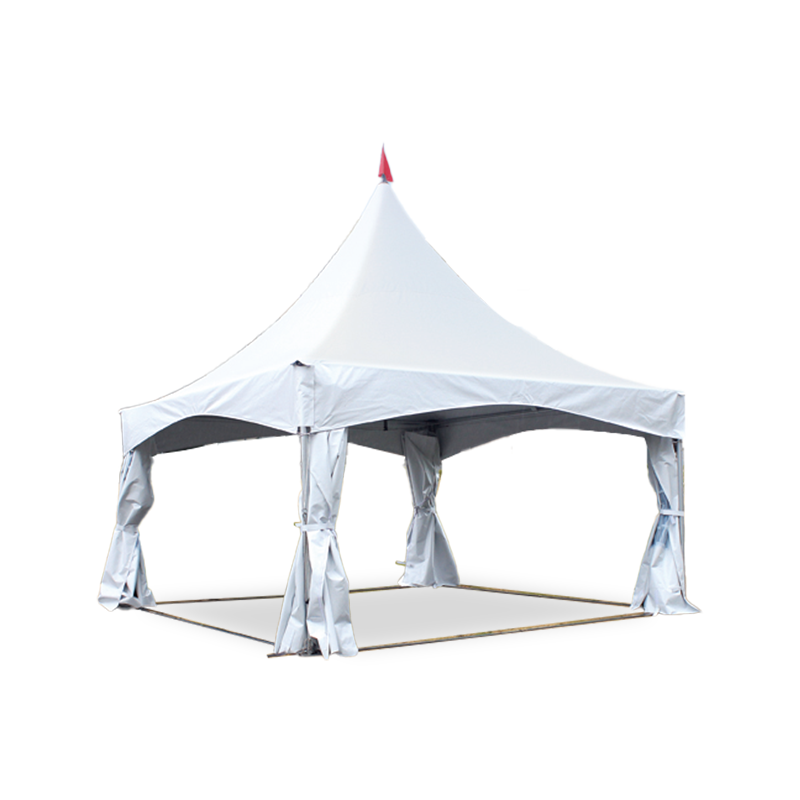 Tents for party
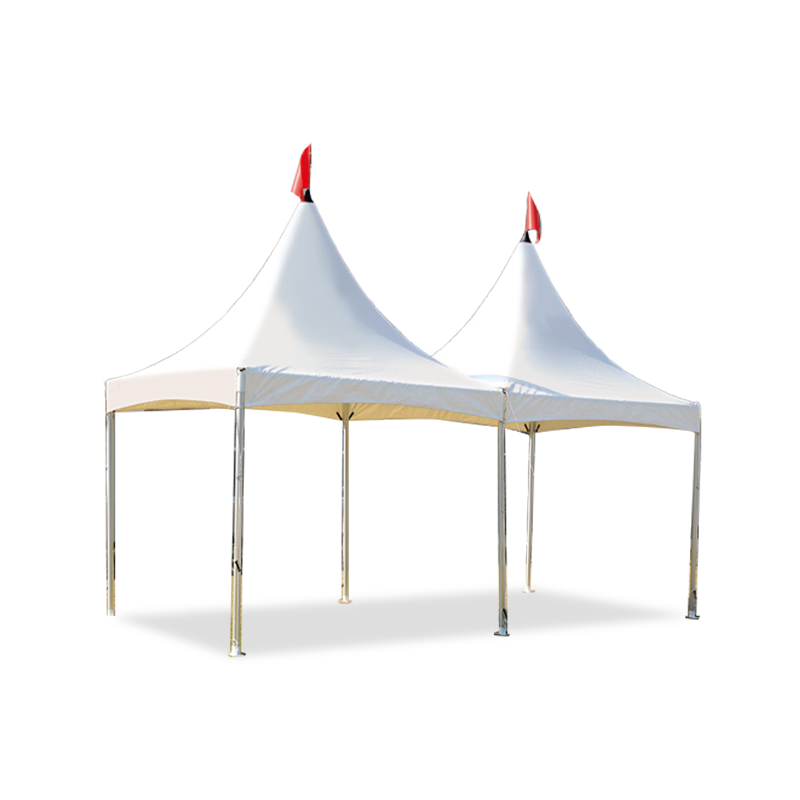 Tents for party
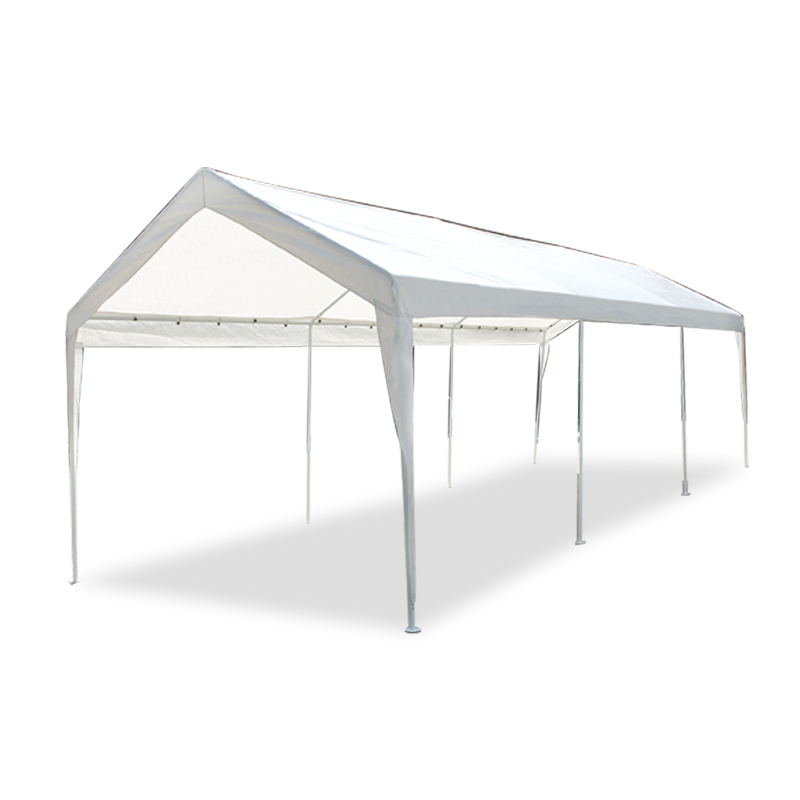 Tents for party
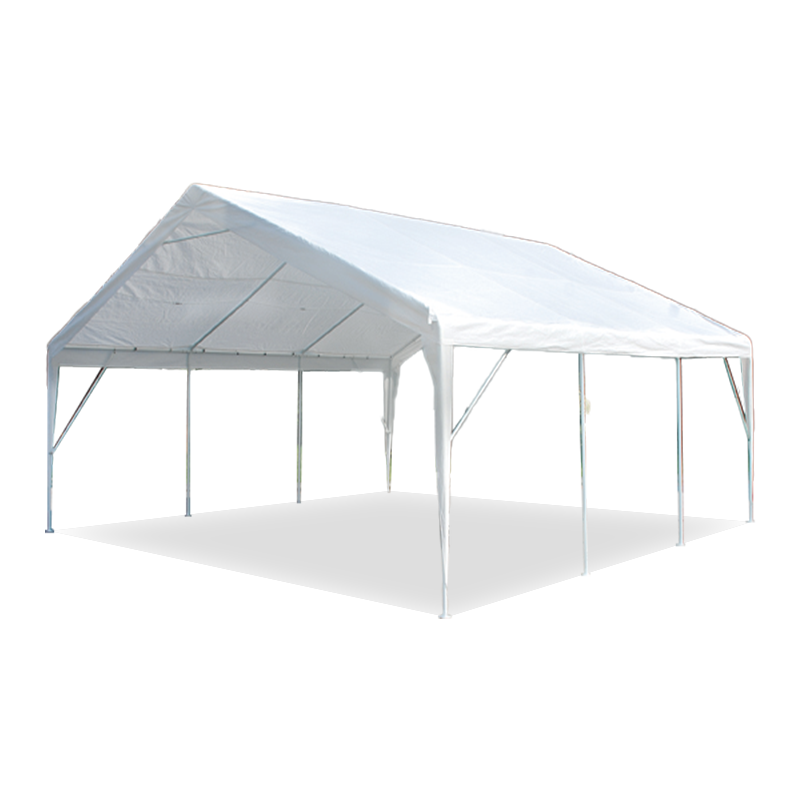 Tents for party
 Tents for party
 Tents for party
 Tents for party
 Tents for party
 Tents for party
 Video
Video

Founded in

Industry experience

marketing network

Serving the crowd
Party tents are large-format portable shelters designed to transform any outdoor space into a functional, weather-protected venue. Covering everything from compact 10×10 pop-up canopies to sprawling 40×100 pole structures, the category serves a wide spectrum of needs — backyard birthdays, wedding receptions, corporate functions, trade shows, and seasonal market stalls. The defining characteristic of a quality party tent is its ability to deliver reliable shade and rain protection while remaining foldable, storable, and deployable by a small crew without permanent installation.
Walk into any large outdoor event and you'll encounter at least two or three distinct tent structures. Each type has a different engineering logic, and choosing the wrong one for your context means either overspending or under-delivering.
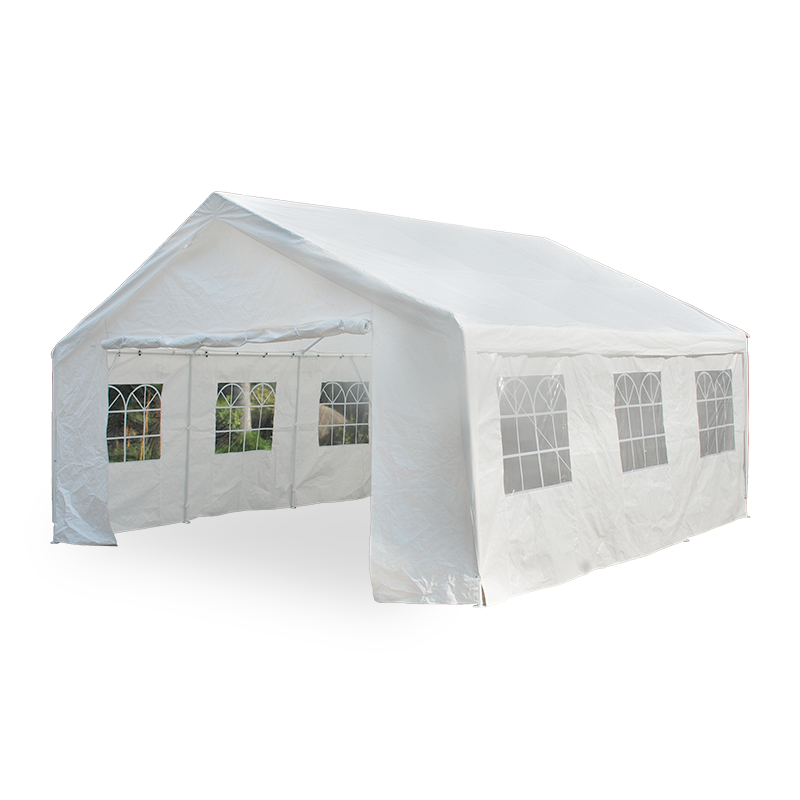
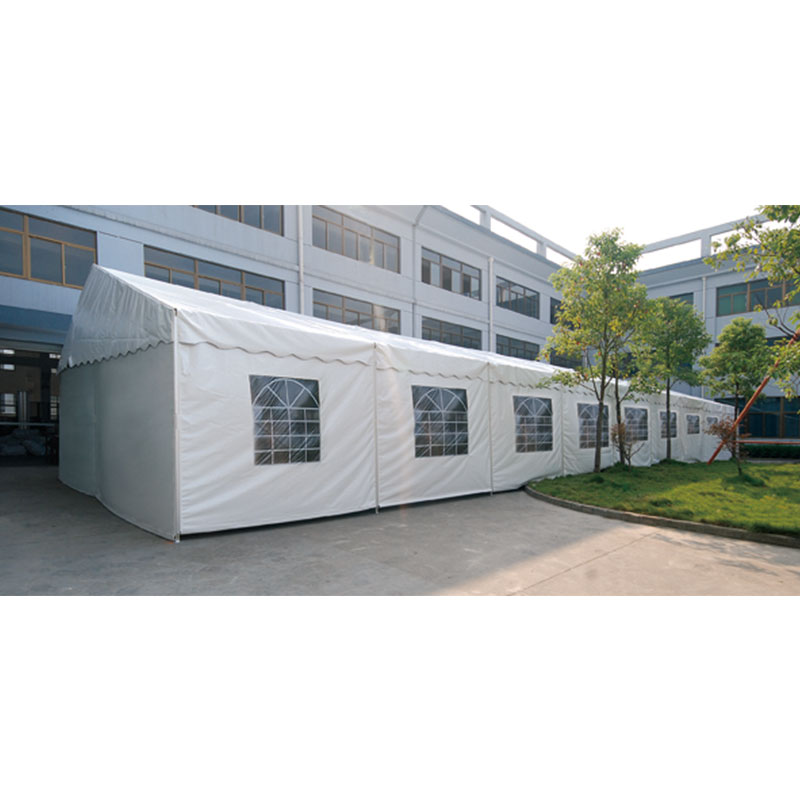
The classic high-peak silhouette. Center poles push the canopy skyward, creating dramatic interior headroom. Best suited to grass or soft ground where stakes can anchor the tension lines. Generally the most cost-effective option at large scale.
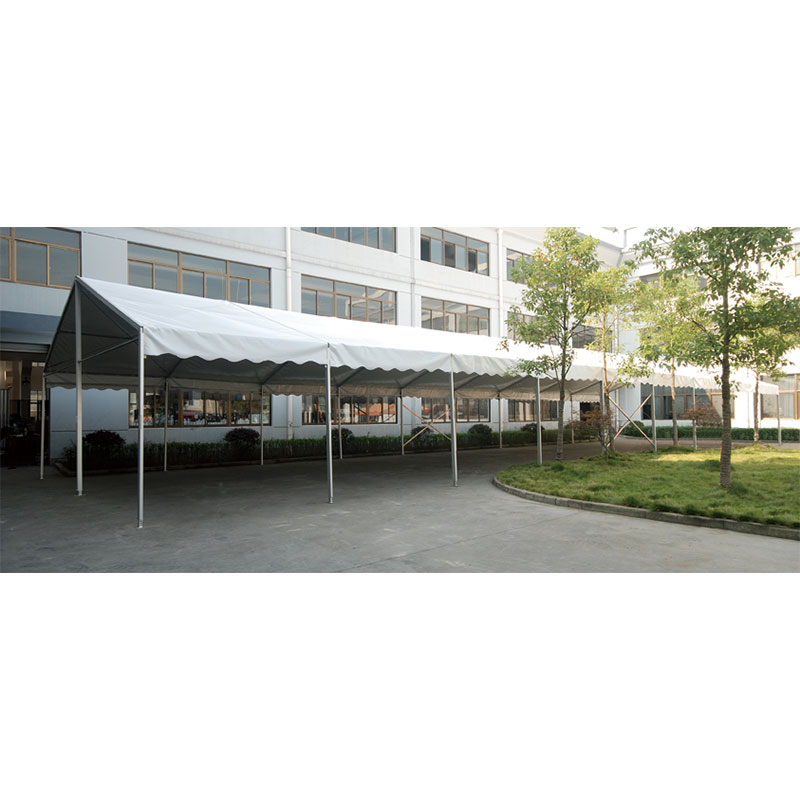
A free-standing aluminum or steel frame supports the roof — no center poles, no guy lines. This means they can go on concrete, asphalt, or wood decking. The interior is fully clear-span, which is why caterers and AV crews prefer them.
Scissor-action folding frames that deploy in under 5 minutes. Standard sizes run 10×10 to 10×20. Perfect for vendor booths, small garden parties, and backup shade at larger events.
Combines the free-standing advantage of a frame tent with an elevated center peak for better drainage and visual impact. Popular for weddings where aesthetics matter as much as function.
Sizing errors are the most common and costly mistake in party tent procurement. The general rule of thumb used by event professionals is 10 square feet per guest for seated-dinner layouts, scaling down to roughly 6 sq ft for cocktail-style standing receptions. That said, you also need to budget space for catering stations, bars, DJ equipment, and circulation paths — typically an extra 15–20% on top of guest area.
| Tent Size | Seated Dinner | Cocktail / Standing | Typical Event Type |
|---|---|---|---|
| 20 × 20 ft | ~32 guests | ~60 guests | Birthday / graduation |
| 20 × 40 ft | ~64 guests | ~120 guests | Small wedding / reunion |
| 30 × 60 ft | ~180 guests | ~300 guests | Corporate event / gala |
| 40 × 80 ft | ~320 guests | ~500 guests | Festival / large reception |
A practical tip from rental operators: always size up one step when in doubt. The cost difference between adjacent sizes is rarely significant, but a cramped tent can ruin an otherwise well-planned event.
Purchasing decisions in this category are rarely driven by a single factor. Based on feedback patterns from event rental operators and wholesale buyers, the following attributes consistently rank highest during the evaluation process:
Material durability and waterproofing dominate — which is why fabric weight (measured in grams per square meter, commonly 180–350 g/m²) and seam construction are the first things experienced buyers inspect, not price.
The roof takes the brunt of UV, rain, and wind loading. Most commercial-grade party tents use polyethylene (PE) or polyvinyl chloride (PVC) coated fabrics in the 200–350 g/m² range. PE is lighter and more affordable; PVC offers superior tear resistance and is easier to weld at seams. Cheap tents often use untreated woven PE that degrades significantly after 12–18 months of outdoor exposure.
Steel and aluminum are the two main options. Steel (typically galvanized or powder-coated) is heavier but stiffer, making it the preferred choice for large spans above 30 feet. Aluminum frames weigh roughly 40–50% less than equivalent steel and resist corrosion without surface treatment, which matters for coastal or high-humidity deployments.
Neither type is universally better — the right choice depends on your event context. Here is how the two structures compare across six key performance dimensions:
Frame tents lead on surface versatility and interior clearance; pole tents win on visual drama and cost efficiency at large scale. For mixed-surface venues or events where AV rigs need to fly from the roof, the frame structure is usually worth the additional cost.
When sourcing party tents at volume — whether for rental fleet buildout, retail distribution, or hospitality procurement — two factors matter beyond the product itself: the manufacturer's production capacity and their ability to get goods to port efficiently.
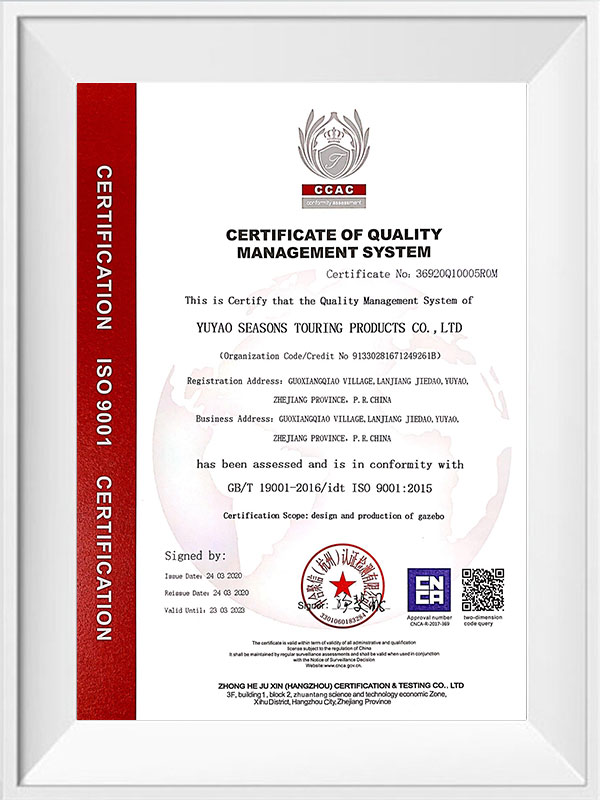
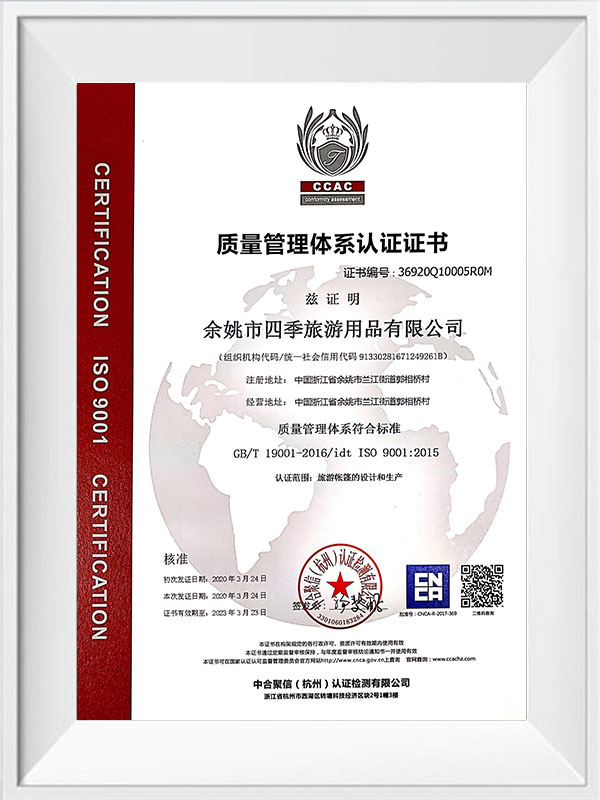
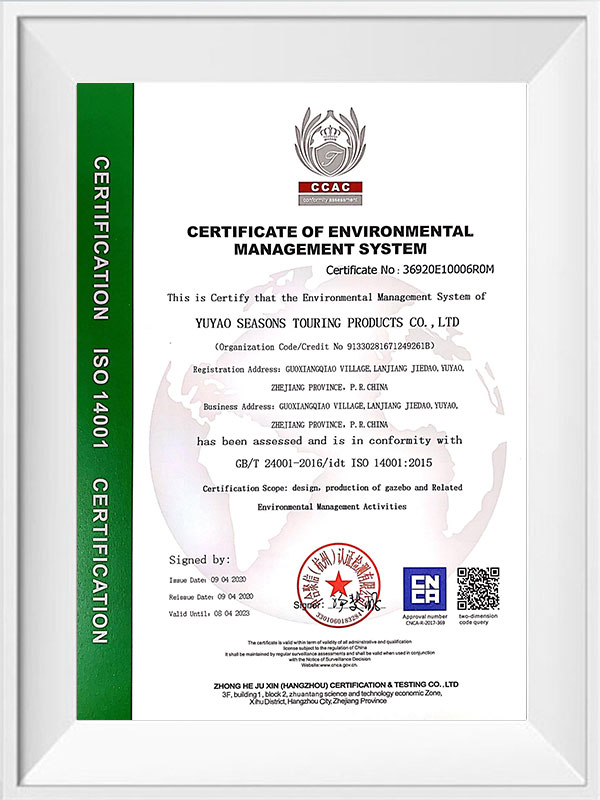
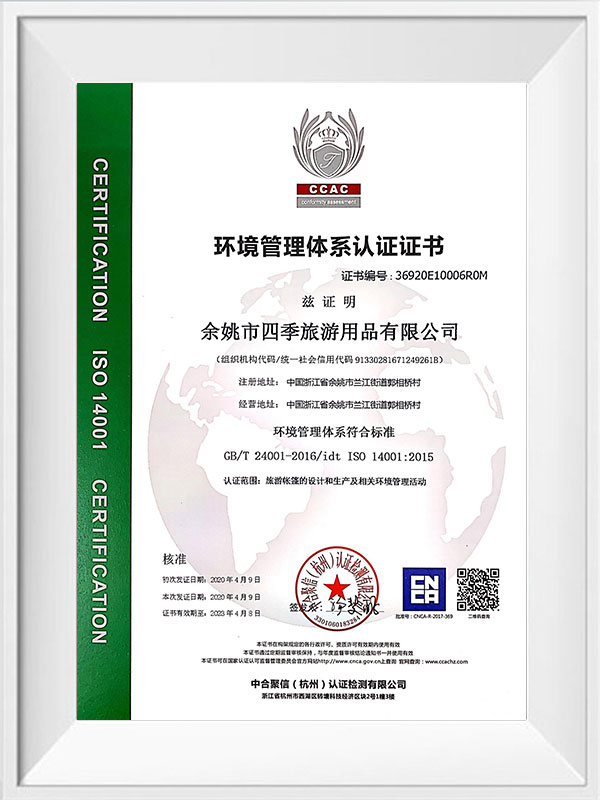
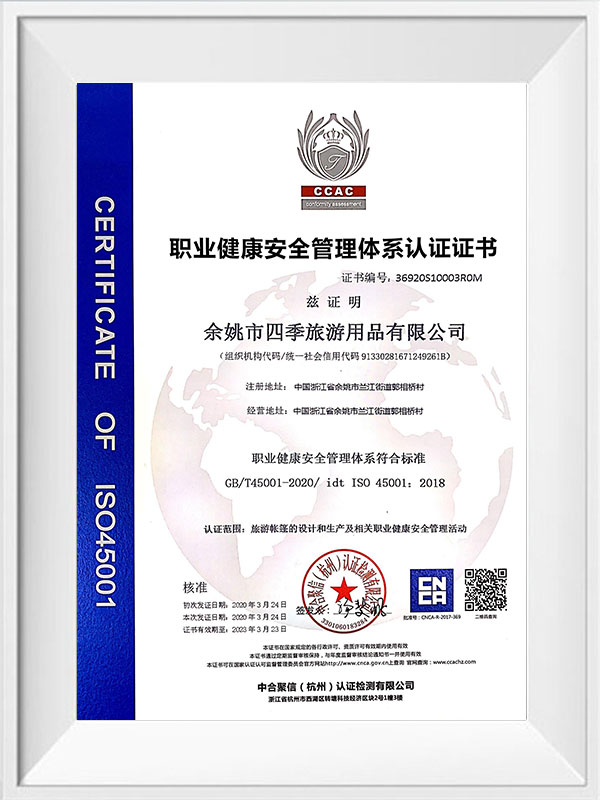
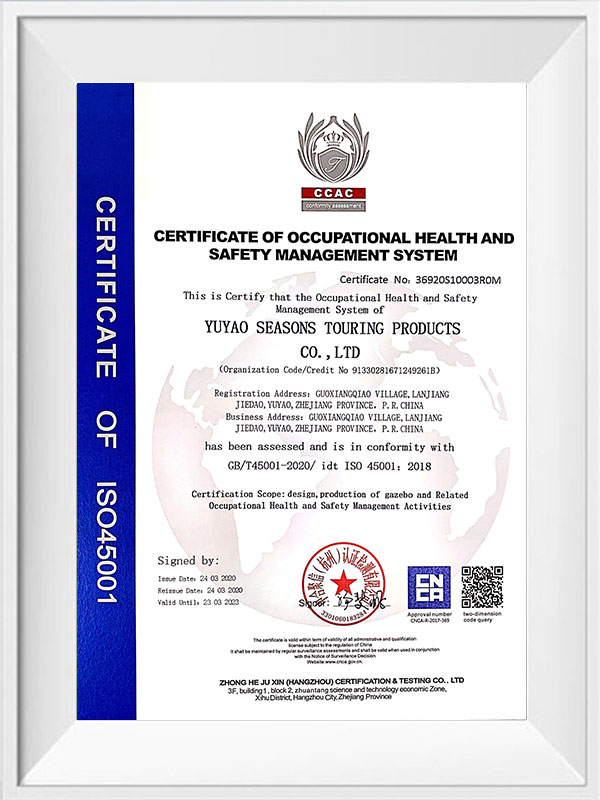
Yuyao Seasons Touring Products Co., Ltd. operates with an annual production capacity of over 50,000 units covering tents and portable hammocks — a scale that accommodates both small trial orders and large-volume seasonal buys without lead-time compression. The factory is located just 60 kilometers from Ningbo Port, one of the world's busiest container ports, which translates directly into predictable shipping timelines and lower inland freight costs for buyers in Europe, North America, and Australia.
The company operates on the principle of valuing quality, building brand, taking responsibility, and practicing integrity — a straightforward commitment that shapes how orders are handled from sampling through final delivery. For buyers managing tight event seasons, that kind of supply chain transparency is not a nice-to-have; it is a baseline requirement.
lead times of 30–60 days require advance ordering.A tent that assembles smoothly in controlled conditions can become a two-hour ordeal on a sloped lawn with a crew of two. Here are the practical variables that experienced event operators account for before a single pole goes up:
For a seated dinner with round tables, a 20×40 tent (800 sq ft) holds approximately 60–70 guests once you account for a small buffet area. For cocktail-style standing events it can accommodate up to 120. If you also need a dance floor, expect the seated count to drop to around 50.
PE (polyethylene) is lighter, less expensive, and adequate for occasional residential use. PVC (polyvinyl chloride) is heavier but significantly more durable — it handles higher UV loads, cleans more easily, and performs better in repeated commercial-use cycles. Most rental companies and commercial buyers use PVC-coated fabric at 280 g/m² or above.
Frame tents and pop-up canopies can be set up on hard surfaces using weighted ballast bags or anchor plates — no staking required. Pole tents rely on stakes driven into soft ground and are generally not suited to hard-surface installations without extensive anchoring modifications.
This varies by manufacturer. At Yuyao Seasons Touring Products Co., Ltd., the production scale — over 50,000 units annually — means the factory can accommodate customers with different purchasing volumes, from trial orders to full container loads. Buyers planning to build a rental fleet or retail inventory can scale their order to actual demand rather than fitting into rigid minimums.
Transit times depend on destination port. From Ningbo Port — where Yuyao Seasons is located just 60 km away — typical sea freight schedules run approximately 25–35 days to European ports (Rotterdam, Hamburg, Felixstowe), 18–22 days to West Coast US ports, and 12–16 days to Australia's east coast. The short inland distance to Ningbo keeps pre-shipment lead time tight and predictable.
Dry the fabric completely before folding — even minor residual moisture accelerates mildew formation in stored folds. Store in a cool, dry space away from direct sunlight. Fabric stored in compressed form for extended periods benefits from occasional unfolding and refolding along different crease lines to prevent permanent stress marks.

Professional production of folding tents and portable hammocks 13 years of experience, your leisure yard good helper.
Copyright © Yuyao Seasons Touring Products Co., Ltd.All Rights Reserved. Custom party tents suppliers
