 English
 Español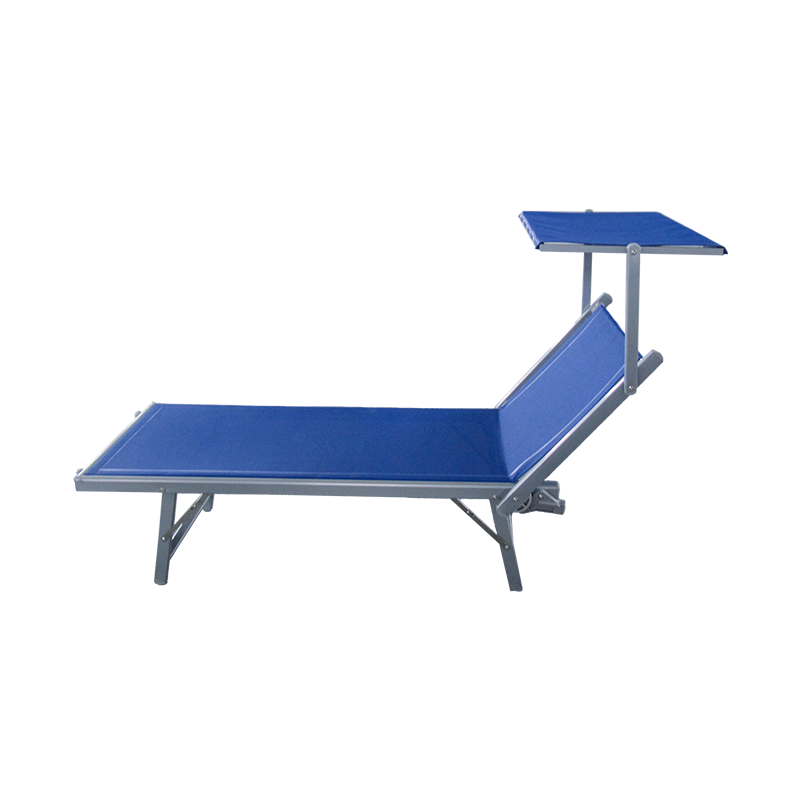
Customer expresses intent; Communicate between the two parties; Provide analysis reports to customers; Reach a cooperation intention.

 Video
Video

Founded in

Industry experience

marketing network

Serving the crowd
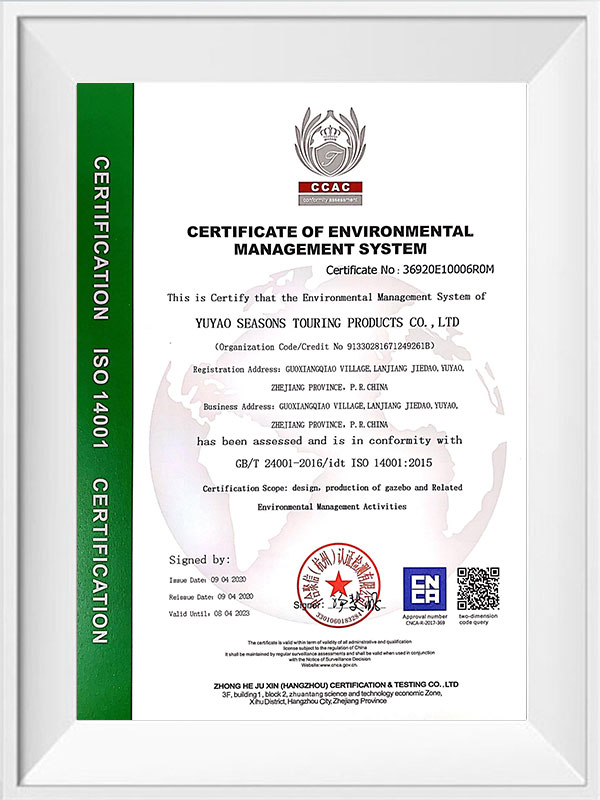
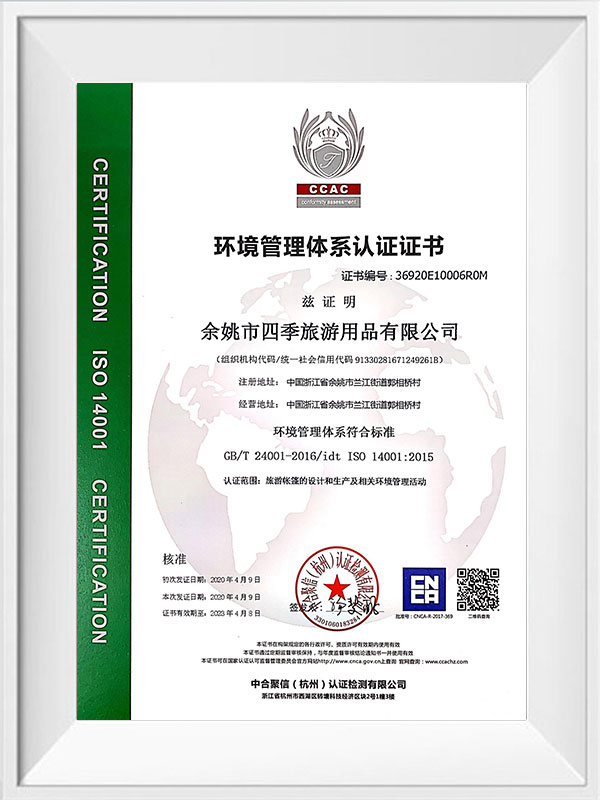
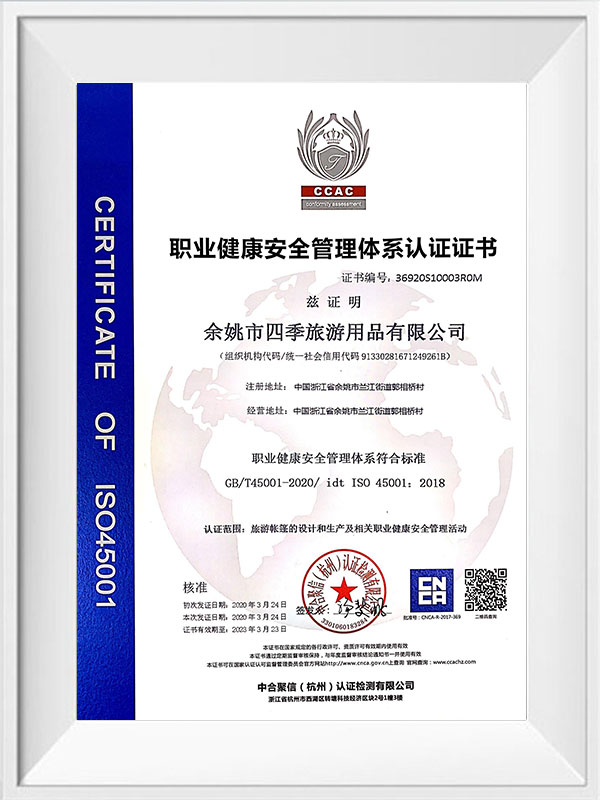
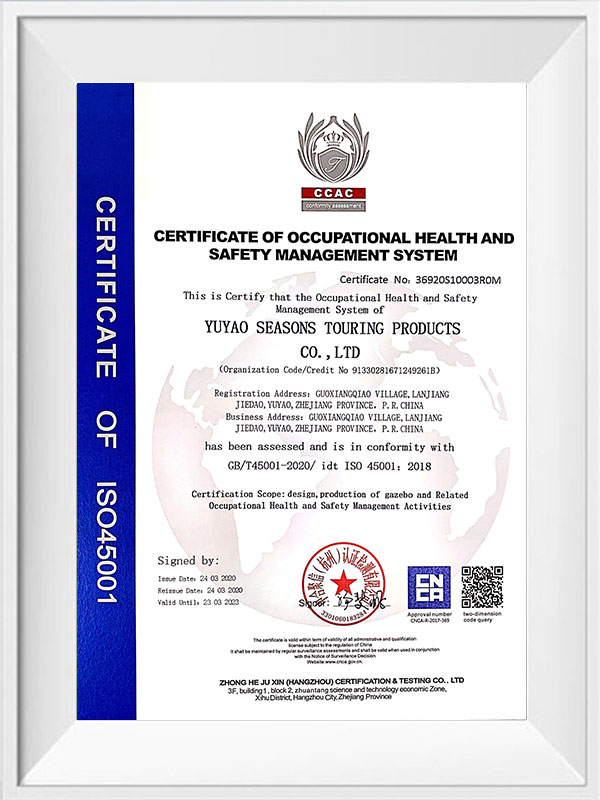
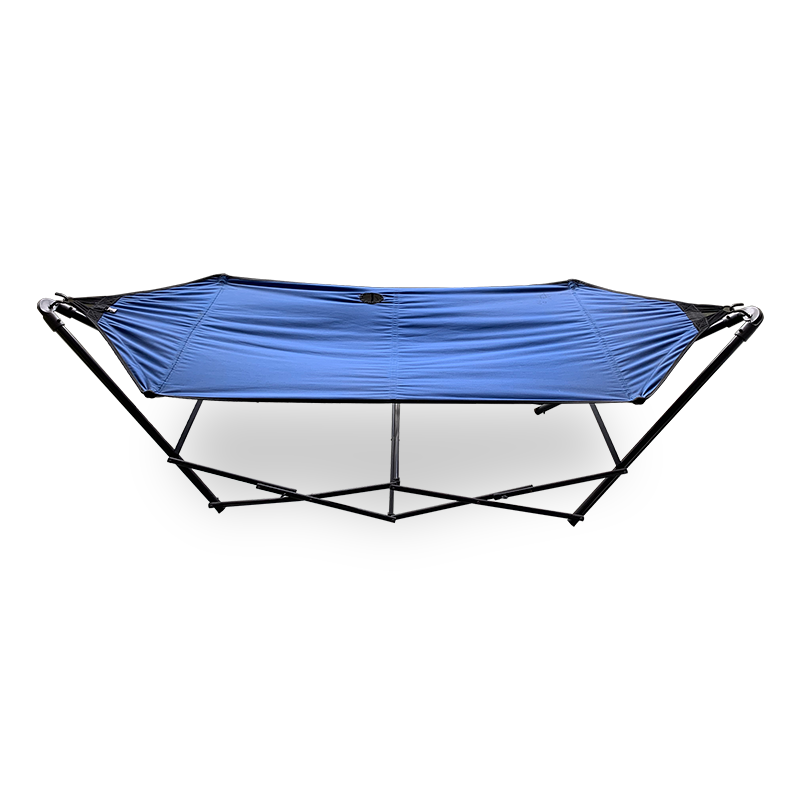
Beach chairs are a cornerstone of the outdoor leisure industry, designed to deliver comfort and convenience across a wide range of open-air environments — from sandy shorelines and poolside decks to camping grounds and backyard gatherings. As a product category, beach chairs span folding lounge chairs, reclining backpack chairs, low-profile sand chairs, and canopy-equipped models, each targeting distinct use scenarios. The global demand for portable outdoor seating has grown steadily, driven by rising interest in outdoor recreation and travel. At the heart of this market is a focus on three qualities: portability, durability, and user comfort — priorities that define purchasing decisions for consumers across Europe, North America, and Australia.
The beach chair category is broader than it appears. Different scenarios call for different structural designs, and understanding the distinctions helps both buyers and manufacturers make smarter decisions.
Sits close to the ground (seat height typically 8–12 inches), ideal for sandy or uneven surfaces. The wide leg stance prevents sinking. Common weight range: 3–5 kg.
Features adjustable recline positions (usually 4–6 settings) and integrated backpack straps. Load capacity typically 120–150 kg. Popular with campers and beachgoers who carry gear over distance.
Combines seating with a built-in sun shade. Suited for extended outdoor stays where sun protection matters. Common in European and Australian coastal markets.
Full-recline design that distributes body weight evenly. Popular for poolside and backyard use. Typically weighs 6–9 kg with a steel or aluminum frame.
The structural frame is the single biggest factor in a beach chair's weight, durability, and price point. Three materials dominate production:
Average Frame Weight Comparison (kg, standard folding chair)
Indicative average weights for comparable folding beach chair frames by material type
| Material | Weight | Corrosion Resistance | Cost | Best For |
|---|---|---|---|---|
| Powder-coated Steel | Heavy | Moderate | Low | Budget lounge chairs, stationary use |
| Aluminum | Light | High | Medium | Coastal use, frequent transport |
| Alloy/Composite | Very Light | Very High | High | Premium backpack chairs, hiking |
Aluminum has become the default for export-oriented beach chair production. Its natural resistance to salt air and moisture makes it a practical choice for beach environments, and the lighter weight reduces shipping costs — an important factor in wholesale trade to distant markets like Australia and the Americas.
The seat fabric directly determines comfort and service life. Three fabric types account for the majority of beach chair production globally:
Fabric Performance Comparison (Score out of 5)
Relative performance scores across key fabric attributes; values are indicative
The beach chair trade is significantly export-driven from China-based manufacturers. Three major destination markets — Europe, North America, and Australia — each have distinct buying patterns and preference profiles.
Relative Market Demand Index by Region (Beach Chair Export, Illustrative)
Indicative relative demand index; based on trade volume patterns from Chinese outdoor furniture manufacturers
European buyers generally prioritize material quality and compactness, often specifying aluminum frames and Textilene fabrics for coastal resort use. North American buyers show stronger preference for models with cup holders, headrests, and higher load ratings (often above 300 lbs / 136 kg). Australian buyers lean toward lightweight, multi-position recliners suited for long beach stays.
Yuyao Seasons Touring Products Co., Ltd has built its export business around exactly these three corridors. With a 12,000-sqm factory and a team of 200 workers and staff, the company is equipped to handle the volume demands of wholesale buyers in Europe, North America, and Australia — maintaining consistent output while adapting product specifications to regional preferences.
Buyers sourcing beach chairs at wholesale volume pay close attention to functional details that affect end-user satisfaction. Below are the features most frequently cited by bulk buyers across surveyed markets:
Feature Importance Score (1–10) by Market
Relative feature importance scores by export market; indicative based on wholesale buyer feedback patterns
When buying beach chairs at wholesale volume, the manufacturer's production capacity and commitment to continuous improvement matter as much as the product itself. A factory with a solid infrastructure can deliver consistent quality across large orders — something that smaller workshops often struggle with.
Yuyao Seasons Touring Products Co., Ltd operates a 12,000-sqm facility with 200 workers and staff members, giving it the production floor and workforce to meet volume demands from buyers in Europe, North America, and Australia without compromising consistency. The company's stated approach centers on "quality first, customer above all" — a practical orientation toward long-term supply relationships rather than one-off transactions.
The company also maintains an active product development program, continuously working on new models and upgrading both production equipment and management processes. For wholesale buyers, this matters: it means the product range evolves with market demands, and buyers can expect product improvements over time rather than a static catalog. Visitors are welcome to tour the factory in Yuyao — a practical step for buyers looking to verify capacity and establish a long-term partnership before committing to volume orders.
Beach chairs are designed to sit closer to the ground — typically with a seat height of 8–12 inches — which improves stability on sand and lets users stretch out more comfortably. Camping chairs tend to sit higher (16–20 inches), prioritizing ease of sitting down and standing up. The frame geometry and fabric tension are also different: beach chairs often use a flatter angle to support lying back, while camping chairs use a more upright posture suited to campsite activities.
Most mass-market beach chairs are rated between 100 kg and 150 kg. Heavy-duty models — often using thicker-wall aluminum tubing and reinforced fabric joints — can be rated up to 180–200 kg. Load capacity should always be printed on the product label; buyers importing to North America or Australia should confirm this figure before placing wholesale orders, as it directly affects how the product can be marketed to end consumers.
Export-ready beach chairs typically combine a corrosion-resistant frame (aluminum is preferred over steel for coastal markets), weather-resistant fabric (Textilene or high-denier Oxford), and compact folded dimensions that minimize shipping volume. Packaging also plays a role — sturdy carton design reduces transit damage rates, which matters for buyers who ship containers to distant markets like Australia or the U.S. West Coast.
Factory scale, workforce size, and product development activity are practical indicators. A manufacturer with a large production floor (5,000+ sqm) and a stable workforce is generally better positioned to handle consistent large orders than a smaller workshop. Visiting the facility before committing to a long-term wholesale relationship is the most reliable way to verify capacity and management quality — something that established manufacturers like Yuyao Seasons Touring Products Co., Ltd actively welcome.
Navy blue, black, and gray are consistently the top sellers in European markets due to a preference for understated aesthetics. North American buyers show stronger demand for bright colors and patterned fabrics, particularly stripes. Australian buyers tend to prefer neutral or earth-tone palettes. Most manufacturers produce a standard color range and offer custom colorways for orders above a minimum quantity threshold.

Professional production of folding tents and portable hammocks 13 years of experience, your leisure yard good helper.
Copyright © Yuyao Seasons Touring Products Co., Ltd.All Rights Reserved. Wholesale Beach chair suppliers
