 English
 Español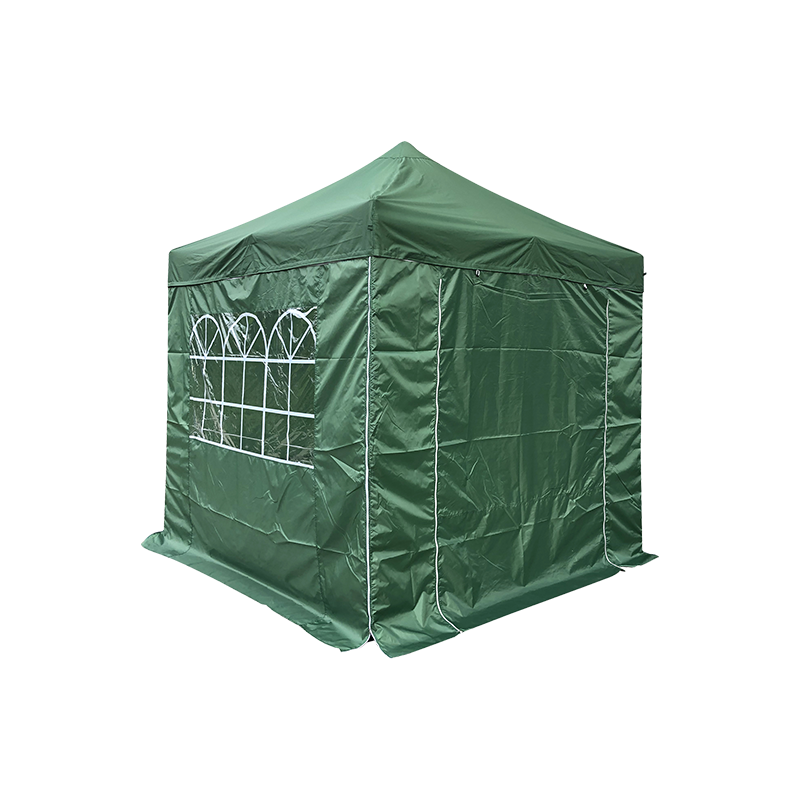
Customer expresses intent; Communicate between the two parties; Provide analysis reports to customers; Reach a cooperation intention.

 Video
Video

Founded in

Industry experience

marketing network

Serving the crowd
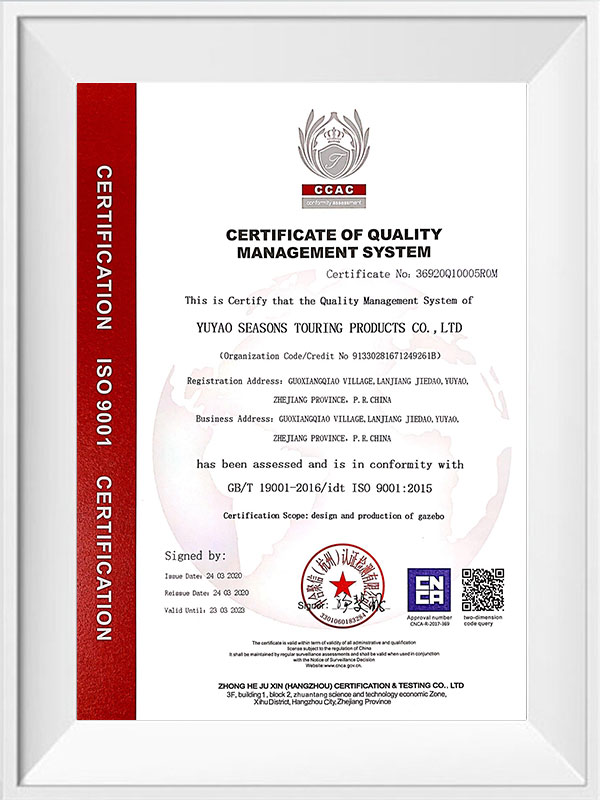
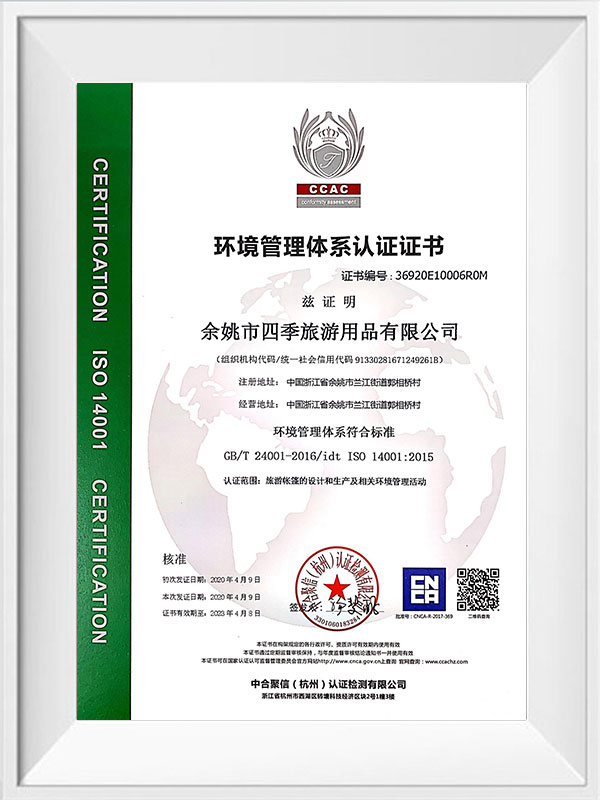
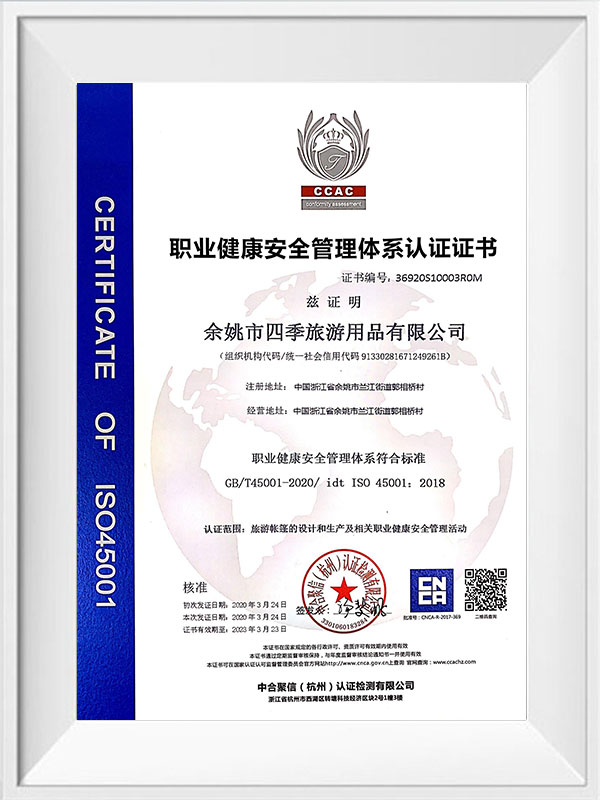
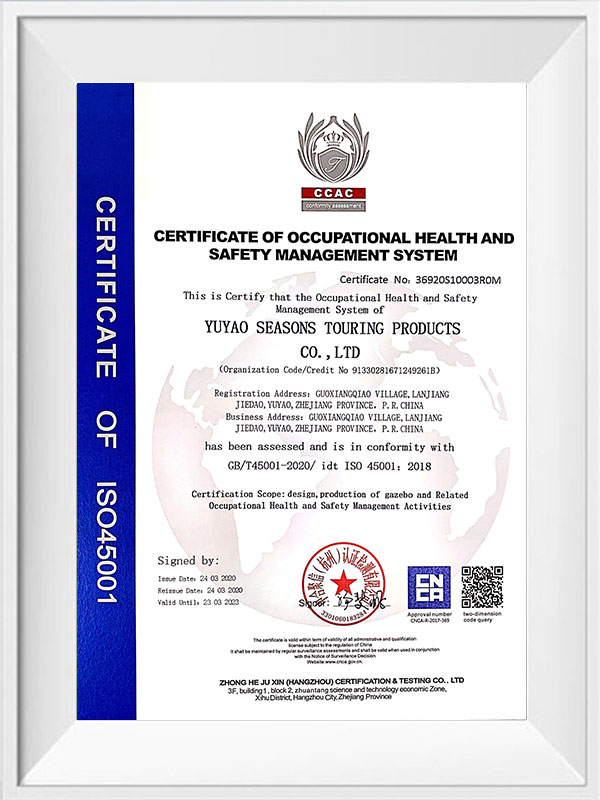
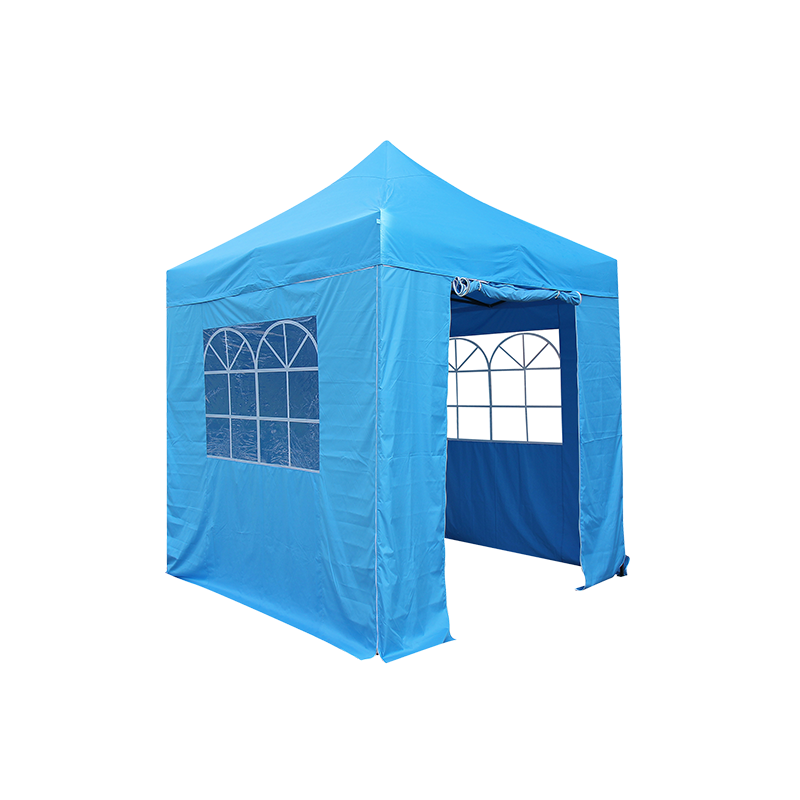
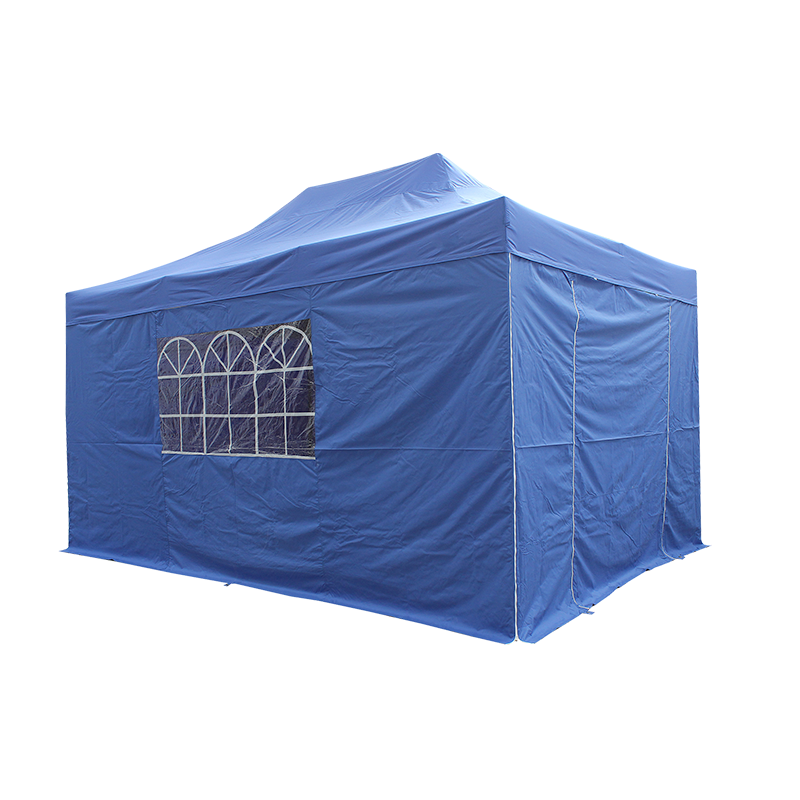
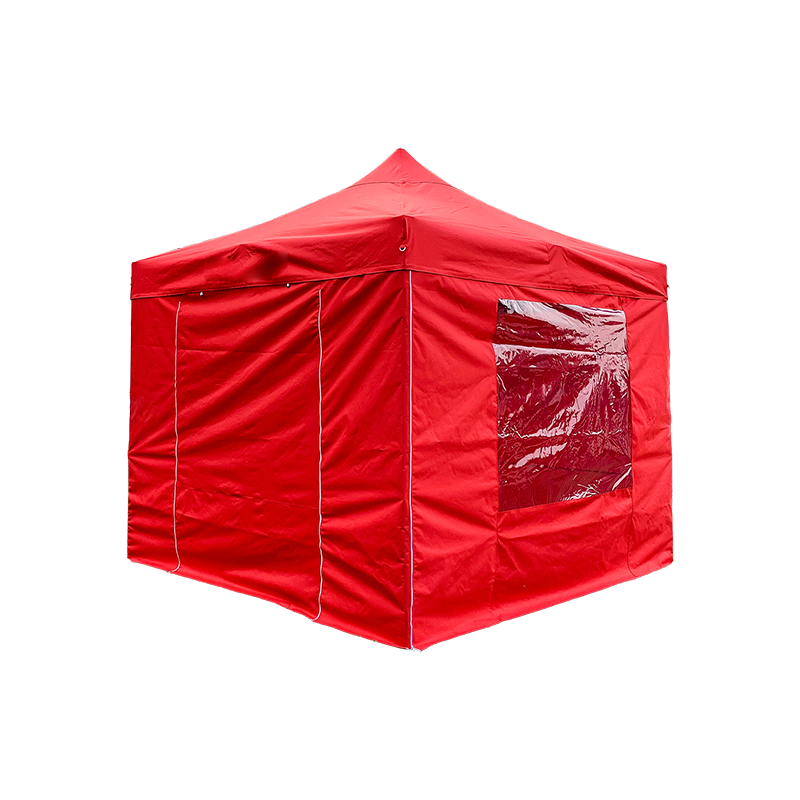
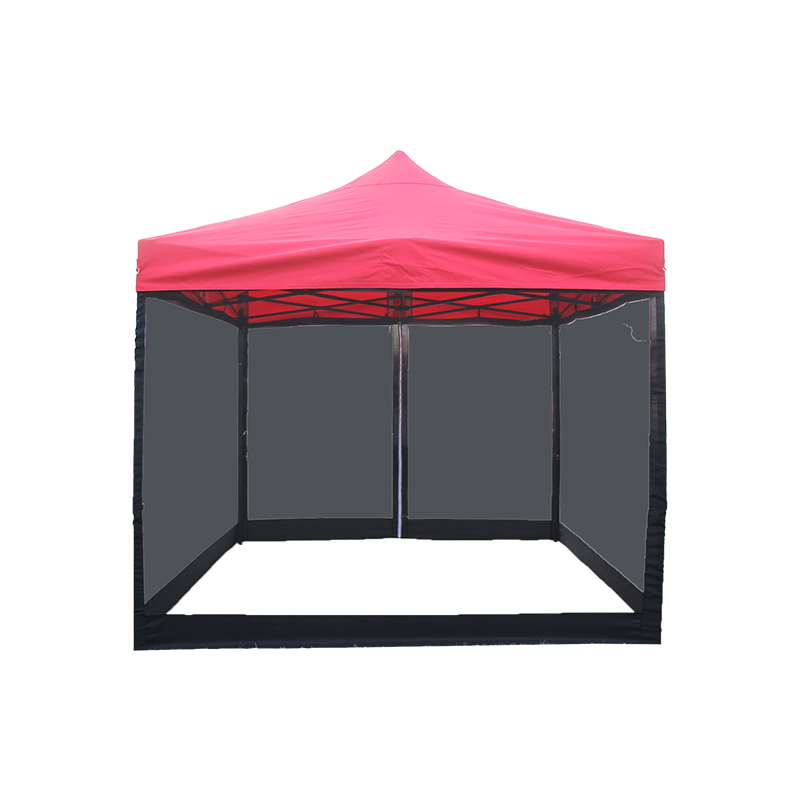
Outdoor portable gazebos have become one of the most practical shelter solutions for people who need temporary shade and weather protection on the go. Unlike permanent structures, these pop-up canopies are designed to be set up in minutes and packed away just as fast — making them a go-to choice for backyard parties, beach outings, camping trips, farmers markets, and trade shows. The category covers a wide range of sizes, frame materials, and canopy fabrics, with the common thread being portability and ease of use without sacrificing meaningful overhead protection.
The frame is the skeleton of any portable gazebo, and the material choice has a direct impact on how the structure behaves under load and how long it lasts. The three dominant materials on the market are steel, aluminum, and fiberglass, each with trade-offs that matter depending on how the gazebo will be used.
Steel frames are heavier — typically 30–50% heavier than aluminum equivalents — but they offer better rigidity in strong side winds. They are also generally lower in cost, which makes them popular for budget-conscious buyers and entry-level commercial use. The main vulnerability is corrosion: without proper powder coating, steel frames can rust at the joints within one or two seasons if regularly exposed to rain.
Aluminum frames have become the industry preference for mid- to high-end portable gazebos. They weigh significantly less — a 3×3m aluminum-frame gazebo typically comes in at 12–18 kg versus 20–28 kg for a comparable steel model — and they do not rust. The trade-off is that aluminum can bend more easily under concentrated point loads, so frame thickness and connector design become critical quality indicators.
Fiberglass legs and ribs are less common but are used in higher-end products that need to be both lightweight and flexible. Fiberglass does not conduct electricity, which matters in outdoor environments, and it returns to shape after bending rather than staying deformed the way metal sometimes does.
Average Weight of 3×3m Portable Gazebo by Frame Material (kg)
Approximate figures for standard 3×3m models; actual weight varies by wall thickness and design.
The roof fabric of a portable gazebo determines how well it blocks UV radiation, how it handles rain, and how long the color stays true before fading. Most manufacturers use polyester or polyester-Oxford blends with a polyurethane (PU) or polyvinyl chloride (PVC) coating applied to the underside.
| Fabric Spec | What It Measures | Typical Range | Practical Implication |
|---|---|---|---|
| GSM (g/m²) | Fabric weight/density | 150–300 gsm | Higher GSM = more durable, heavier canopy |
| UPF Rating | UV protection factor | UPF 30–50+ | UPF 50+ blocks 98%+ of UV rays |
| Water Column (mm) | Waterproof resistance | 800–3000 mm | 1500mm+ adequate for moderate rain |
| Coating Type | Waterproof layer material | PU / PVC / Silver | Silver coating adds heat reflection |
At Yuyao Seasons Touring Products Co., Ltd, the payment and shipping terms for outdoor portable gazebos are confirmed at the quoting stage — including whether the order ships FOB, CIF, CNF, or another arrangement — so buyers know the landed cost before committing. This kind of upfront clarity on commercial terms is particularly useful when comparing fabric specs across suppliers, since shipping weight differences between a 150 gsm and a 300 gsm canopy can meaningfully affect total cost.
Portable gazebos come in several standard footprints, and picking the wrong size is one of the most common purchasing mistakes. The size affects not just coverage area but also pack size, carry bag weight, and how many people are needed to set it up safely.
Suitability by Gazebo Size
Common Size Reference
For importers placing bulk orders, the 3×3m remains the highest-volume SKU globally, accounting for an estimated 55–65% of commercial portable gazebo shipments, largely because it hits the sweet spot between coverage area and pack-down size.
Buying portable gazebos in bulk — for retail distribution, event rental fleets, or branded promotional use — involves a set of questions that go beyond what the product page shows. Lead time, MOQ, payment terms, and whether the factory handles private labeling all affect whether a supplier relationship is actually workable.
Step 1
Request a quote with incoterms (FOB/CIF/CNF)
Step 2
Confirm 30% deposit to start production
Step 3
Production & QC inspection
Step 4
Balance paid against copy of B/L
In practice, T/T (Telegraphic Transfer) is the most widely used payment method in this product category, though L/C (Letter of Credit) is also accepted for buyers who prefer the additional security layer, especially for first-time orders. The standard structure is a 30% deposit upon order confirmation, with the remaining 70% settled after production against a copy of the bill of lading — a familiar arrangement for most import buyers.
The main export destinations for outdoor portable gazebos sourced through Yuyao Seasons Touring Products Co., Ltd include the United States, Germany, Japan, Spain, Italy, the United Kingdom, France, South Korea, Australia, and Canada — markets that collectively represent some of the highest per-capita spending on outdoor leisure products globally. This geographic spread means the product mix and quality expectations are well-calibrated to demanding import markets.
Key Export Markets for Outdoor Portable Gazebos (Relative Market Size Index)
Relative index (USA = 100); based on estimated outdoor leisure import volumes. DE = Germany, AUS = Australia, UK = United Kingdom, JP = Japan, FR = France, ES = Spain, CA = Canada, KR/IT = South Korea & Italy combined.

Professional production of folding tents and portable hammocks 13 years of experience, your leisure yard good helper.
Copyright © Yuyao Seasons Touring Products Co., Ltd.All Rights Reserved. Custom outdoor portable gazebos factory
