 English
 Español
Customer expresses intent; Communicate between the two parties; Provide analysis reports to customers; Reach a cooperation intention.

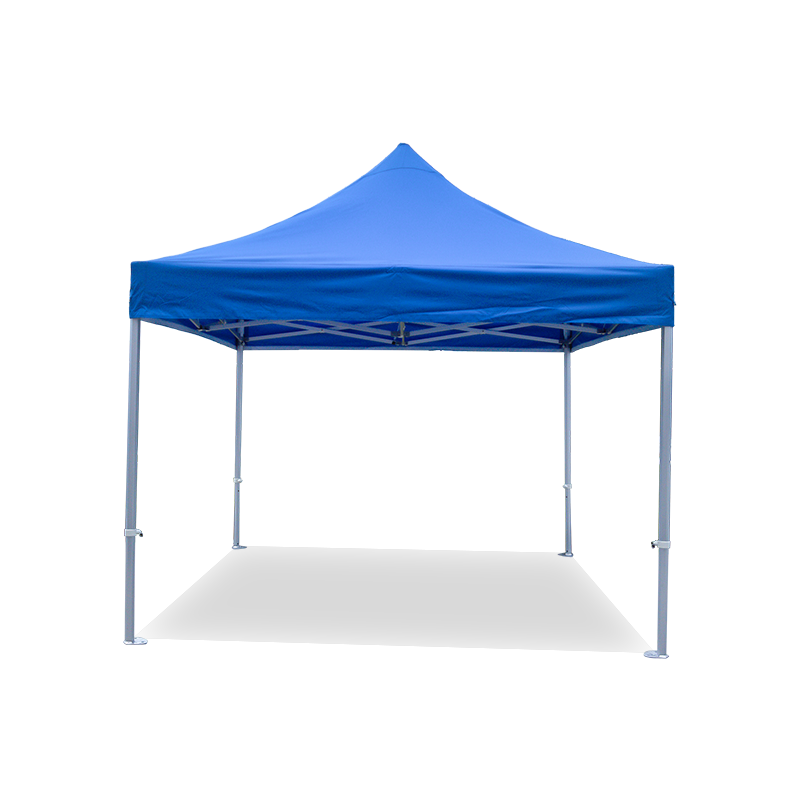 Aluminium frame foldable gazebo
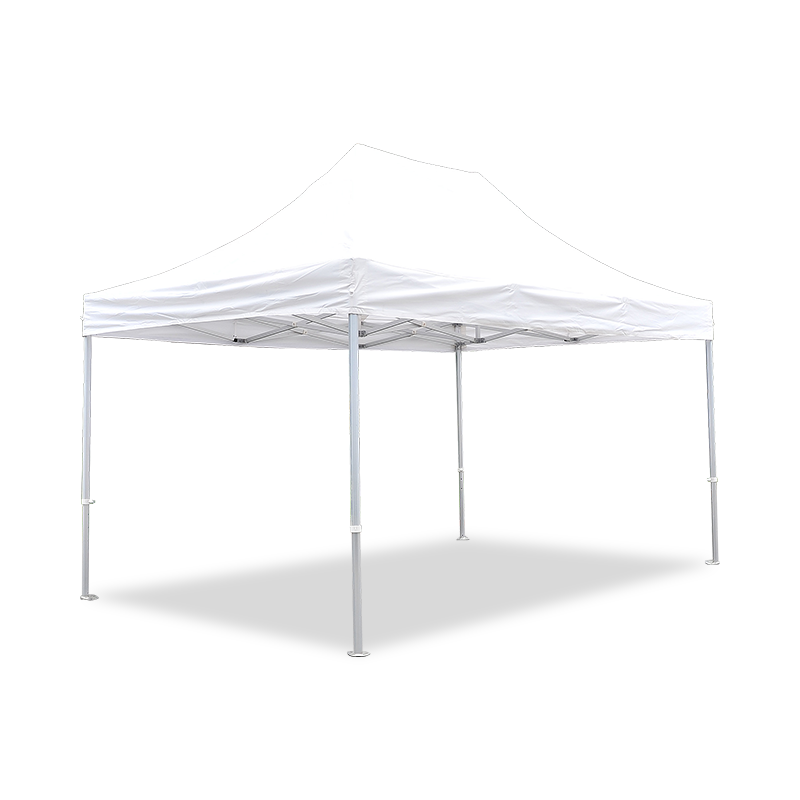 Aluminium frame foldable gazebo
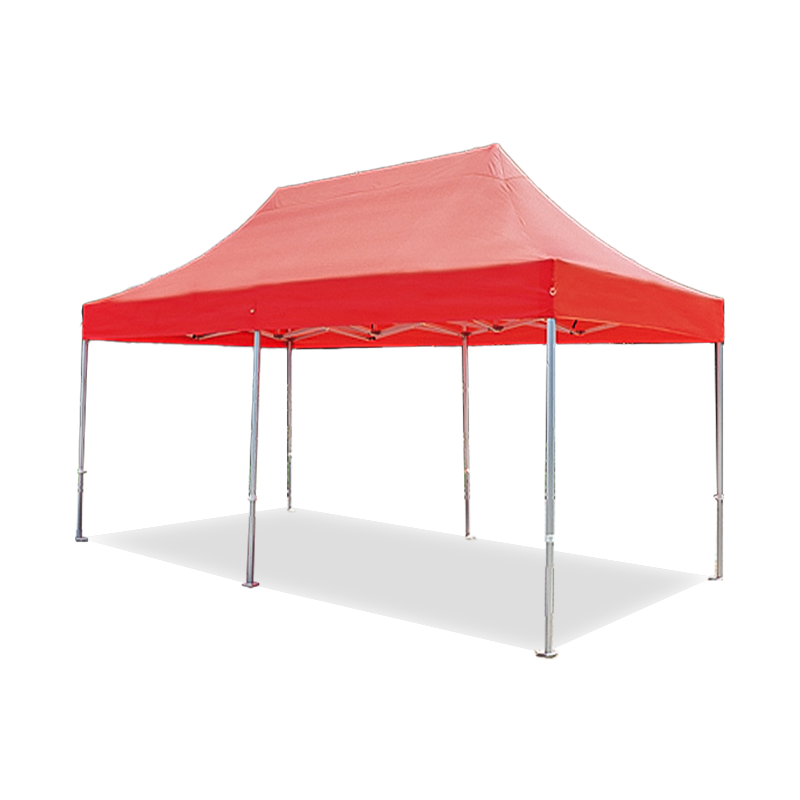 Aluminium frame foldable gazebo
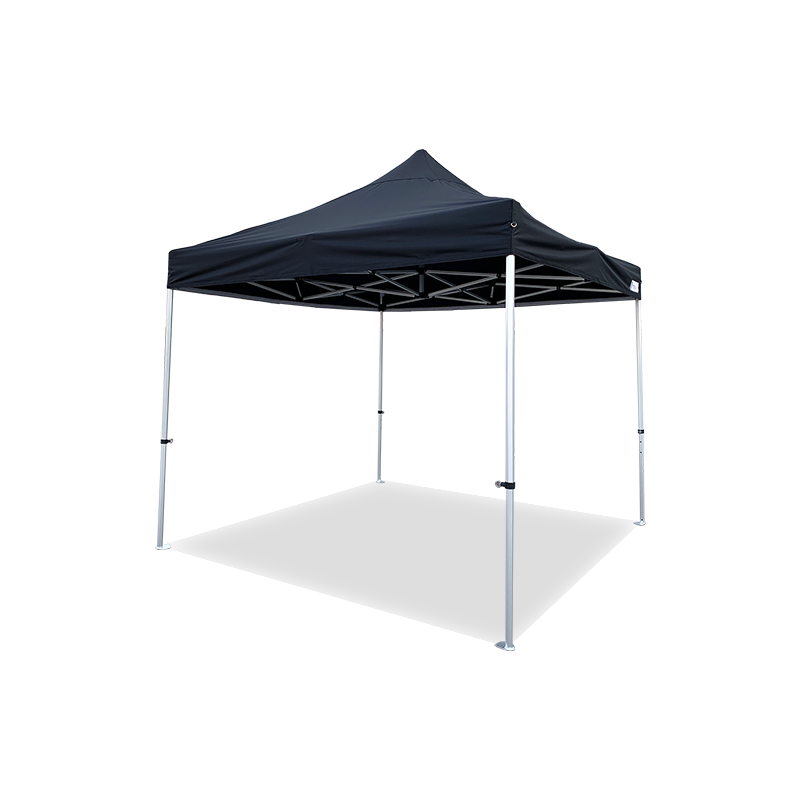 Aluminium frame foldable gazebo
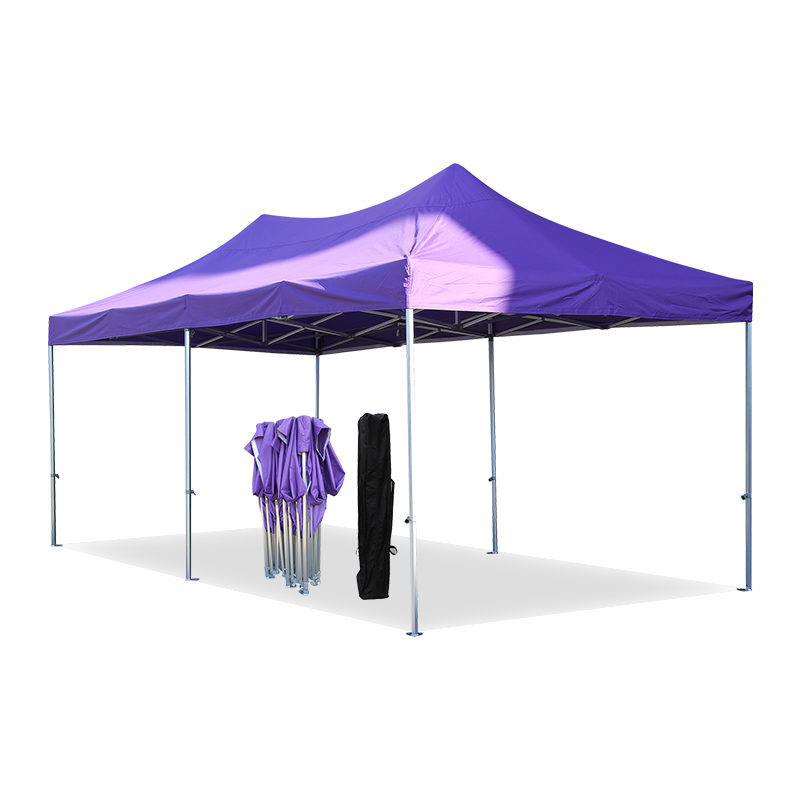 Aluminium frame foldable gazebo
 Video
Video

Founded in

Industry experience

marketing network

Serving the crowd
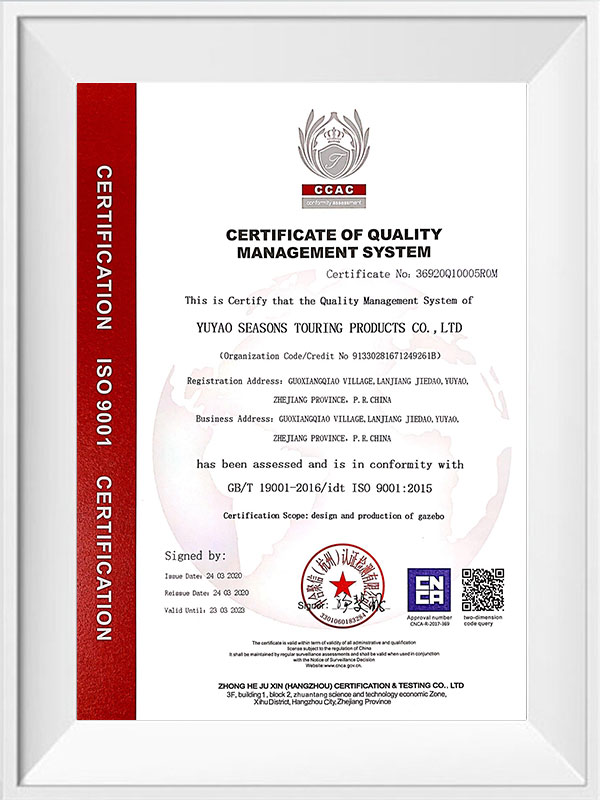
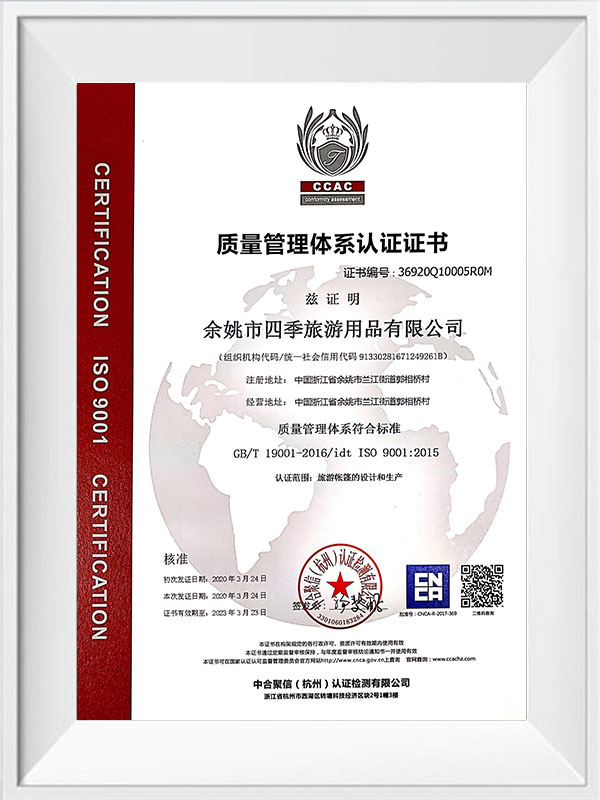
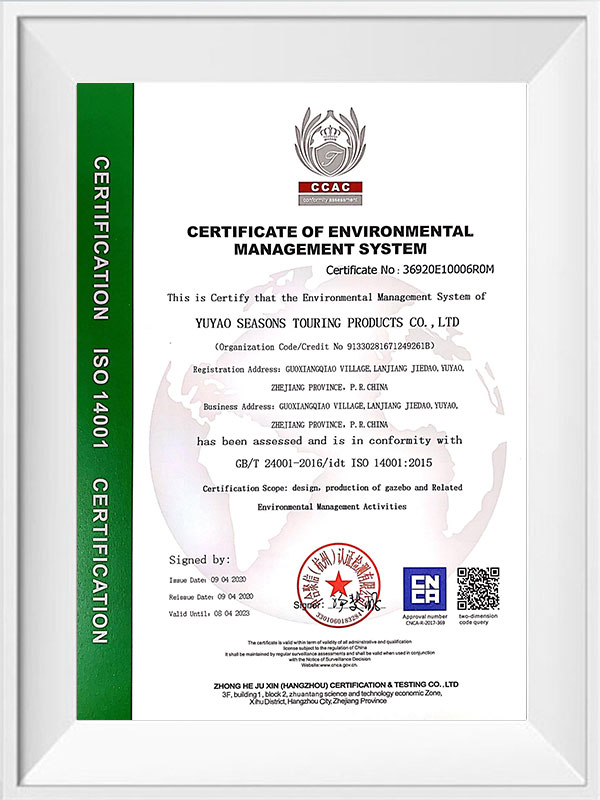
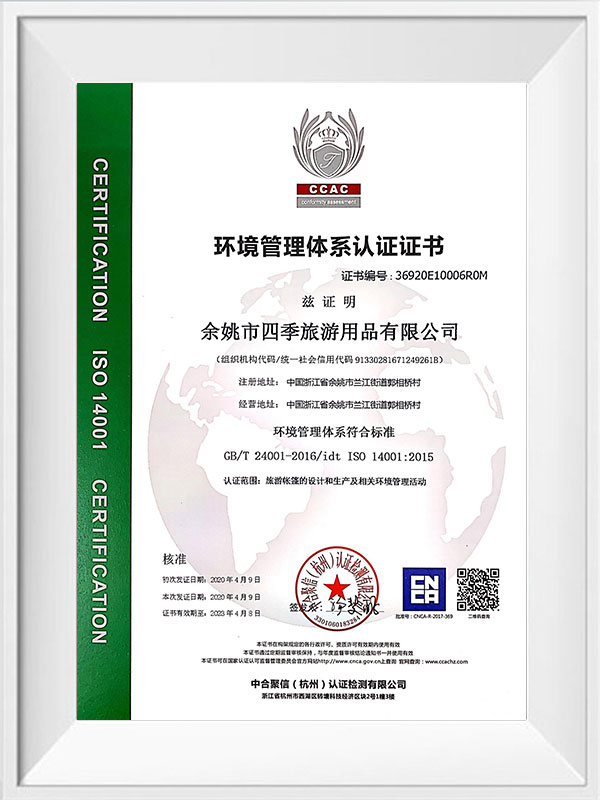
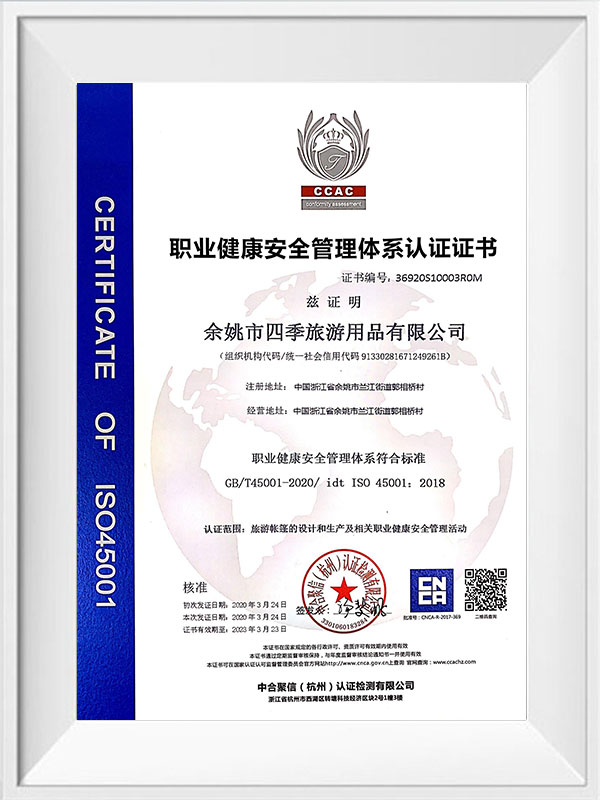
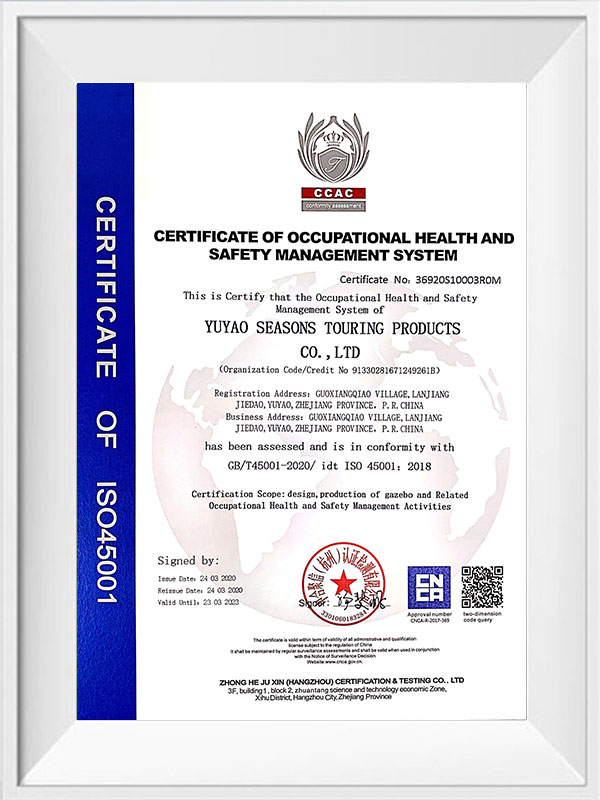
A foldable gazebo is one of the most versatile structures in the outdoor sheltering industry — compact enough to store in a car trunk, yet capable of shielding a full event setup from sun and rain within minutes. From weekend markets to corporate expos, the demand for portable, durable shelter has pushed foldable gazebo design to become one of the most technically refined categories in the outdoor products sector. The term covers a broad range of collapsible canopy frames — pop-up canopies, instant gazebos, and folding shelter tents — all sharing the core principle: a pre-assembled frame that expands and locks into position without tools.
The global outdoor canopy and shelter market has grown steadily over the past decade, driven by the expansion of outdoor events, food festivals, trade shows, and recreational camping. Within this category, instant and foldable formats now account for a significant portion of total volume — largely because buyers across retail, hospitality, and events don't want fixed structures that require installation crews.
At the manufacturing level, production volume matters enormously. Higher output allows factories to maintain tighter material sourcing relationships, reduce per-unit cost on aluminum extrusions and fabric cutting, and sustain consistent quality control across large batches. Yuyao Seasons Touring Products Co., Ltd has built its position in this market with an annual output exceeding 50,000 tents — a scale that enables reliable lead times even during peak season demand spikes, and supports buyers placing orders ranging from small wholesale quantities to full container loads.
Foldable Gazebo Demand by Use Segment (Relative Share)
The structural backbone of any foldable gazebo is its frame, and the material choice has direct consequences for weight, corrosion resistance, and long-term durability. There are three main options in commercial supply chains today:
Steel
Heavy, strong, lower cost. Best for semi-permanent setups. Prone to rust without coating.
Aluminum
Lightweight, rust-resistant. The dominant choice for portable commercial use. Typically 30–40% lighter than steel equivalents.
Fiberglass
Flexible under wind load, good for beach use. Niche share but growing in coastal markets.
For most B2B buyers sourcing foldable gazebo products at volume, anodized or powder-coated aluminum frames strike the right balance between shipping weight and field lifespan. A typical 3m x 3m aluminum gazebo frame comes in at roughly 12–16 kg, compared to 22–28 kg for a steel equivalent — a meaningful difference when buyers are managing logistics across event circuits or international shipping containers.
| Frame Material | Typical Weight (3x3m) | Rust Resistance | Relative Cost |
|---|---|---|---|
| Steel | 22–28 kg | Requires coating | Low |
| Aluminum | 12–16 kg | Excellent | Medium |
| Fiberglass | 10–14 kg | Excellent | High |
Fabric specification is where buyers often get confused — and where quality variation between manufacturers is most visible. The core metrics to understand are GSM (grams per square meter), UV protection rating, and waterproof rating (measured in mm water column).
Fabric Performance Radar: Entry vs. Commercial Grade
In practical terms, a canopy fabric rated at 280–320 GSM with 1500mm+ waterproof rating is suitable for commercial-grade outdoor use. Entry-level products often fall in the 180–210 GSM range — adequate for occasional use but showing wear within a season of regular deployment. UV resistance of UPF 50+ effectively blocks over 98% of ultraviolet radiation, a meaningful spec for markets in high-sun regions like Australia, the Middle East, and Southern Europe.
At Yuyao Seasons Touring Products Co., Ltd, every finished product goes through 100% inspection against customer-specified international standards before dispatch — which means fabric tension uniformity, stitching integrity, and coating adhesion are all verified, not sampled. This end-to-end inspection process is what separates consistent quality from batch-to-batch variation that often plagues lower-tier suppliers.
Buyers sourcing foldable gazebo products for the first time often underestimate the operational difference between a factory with genuine production depth and a trading company assembling orders from multiple workshops. The gap shows up in lead time consistency, minimum order flexibility, and the ability to hold custom specifications across repeat orders.
Indicative Monthly Production Volume (Units) — Annual Output 50,000+
Peak production period: April–June, aligned with pre-summer procurement cycles
With an annual output exceeding 50,000 units, the factory can comfortably absorb both small trial orders and large seasonal purchasing programs without compromising delivery windows. For buyers managing just-in-time procurement — particularly in the events rental or promotional products space — this capacity stability reduces supply-chain risk considerably. Inquiries and custom specifications for foldable gazebo products are handled directly through the factory, which keeps communication clear and avoids the margin markups typical of trading intermediaries.

Professional production of folding tents and portable hammocks 13 years of experience, your leisure yard good helper.
Copyright © Yuyao Seasons Touring Products Co., Ltd.All Rights Reserved. Wholesale folding gazebos suppliers
