
 English
 Español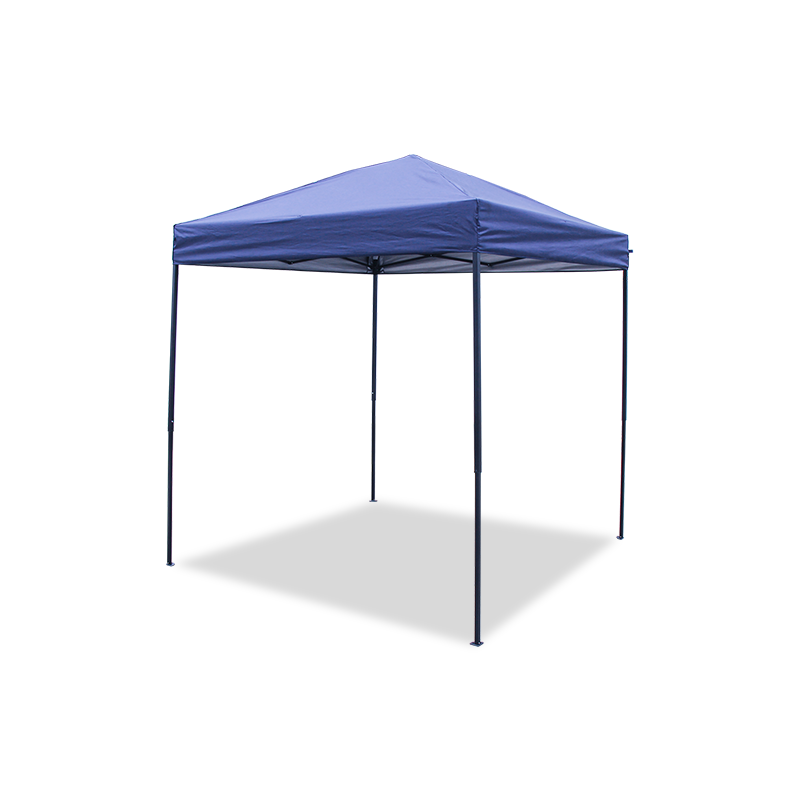
Customer expresses intent; Communicate between the two parties; Provide analysis reports to customers; Reach a cooperation intention.
Content
- 1 Enclosed Canopy at a Glance: What It Is and When You Need One
- 2 Frame Materials and Connectors: What Actually Holds the Canopy Up
- 3 Fabric, Waterproofing and UV Protection: The Real Numbers
- 4 Size, Coverage and Assembly: Choosing the Right Dimensions
- 5 Maintenance, Wind Resistance and Longevity
- 6 Customization and Branding Opportunities for Businesses
- 7 FAQ: Answering Common Enclosed Canopy Questions
- 7.1 What does an enclosed canopy include?
- 7.2 Can I use an enclosed canopy in strong wind?
- 7.3 How long does an enclosed canopy last?
- 7.4 Is an enclosed canopy waterproof or just water-resistant?
- 7.5 Can I customize an enclosed canopy for my business?
- 7.6 Do enclosed canopies come with ventilation windows?
Enclosed Canopy at a Glance: What It Is and When You Need One
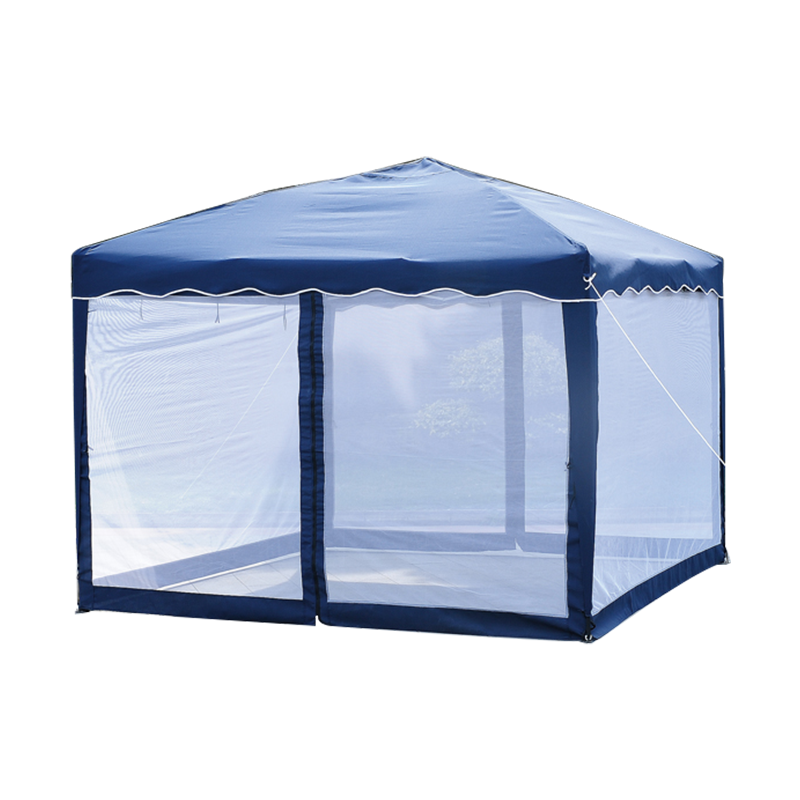
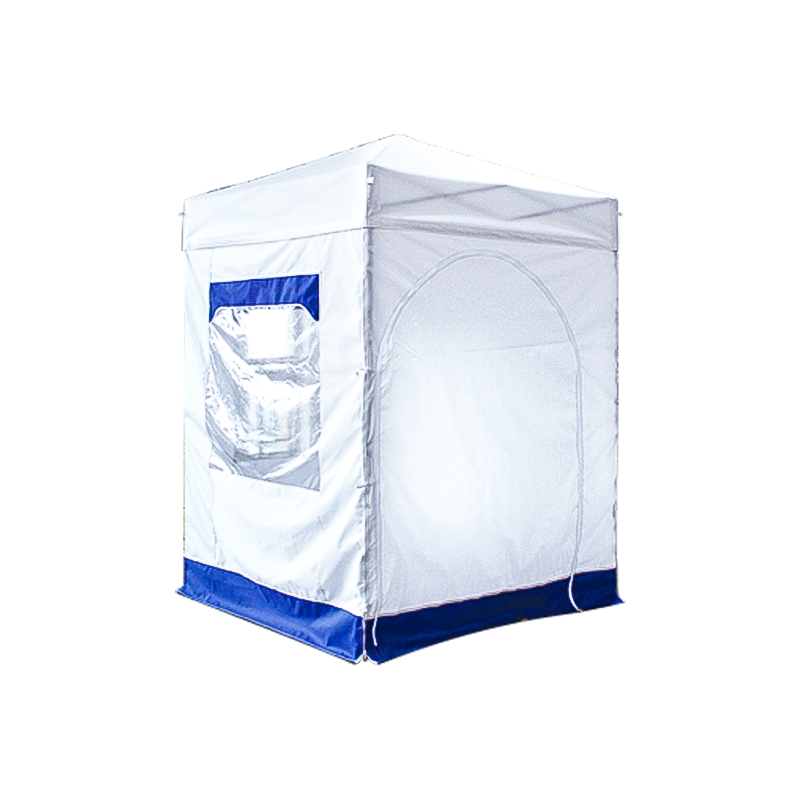
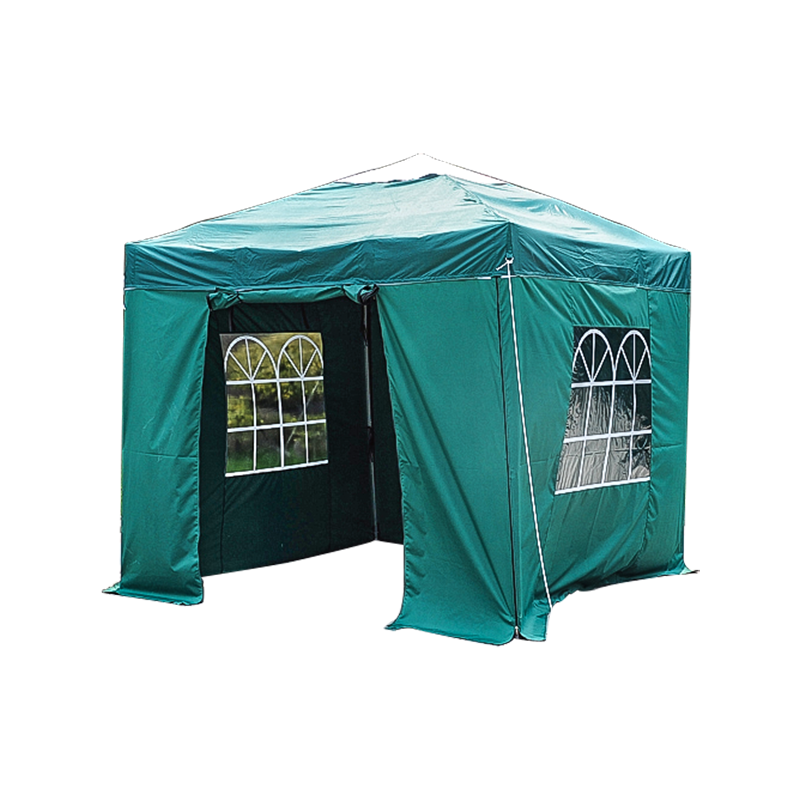
An enclosed canopy is a folding or portable shell with side panels that close the space under the roof. It gives you the same quick setup as an open pop-up canopy, but it blocks rain that blows sideways, keeps insects out, and adds privacy for guests or merchandise.
Picture a 3x4.5m gazebo on a patio. With open sides, even a light drizzle will soak the corner chairs. With enclosed sidewalls, the same canopy becomes an outdoor dining room or a temporary storage shed. That is the practical difference the keyword points to.
The typical applications are narrow and specific: outdoor tradeshow booths, car covers, wedding backdrops, garden parties, camping, and mobile carport duty. Each scenario asks for different fabric weight, frame strength, and sidewall style. The table below summarizes the trade-offs.
| Feature | Open Canopy | Enclosed Canopy |
|---|---|---|
| Rain protection | Stops direct rain only | Stops rain from all angles |
| Privacy | Low | High with closed walls |
| Insect control | None | Good with mesh or zipped walls |
| Ventilation | Excellent | Adjustable via windows |
| Set-up weight | Lighter | Heavier with wall panels |
Frame Materials and Connectors: What Actually Holds the Canopy Up
No matter how good the fabric is, a canopy collapses if the frame is not right. The two most common frame materials are steel and aluminum. Steel frames with black powder coating are the budget-friendly choice. They offer solid rigidity for a shelter that stays in place, but they are heavier to carry and can rust if the powder coating is scratched.
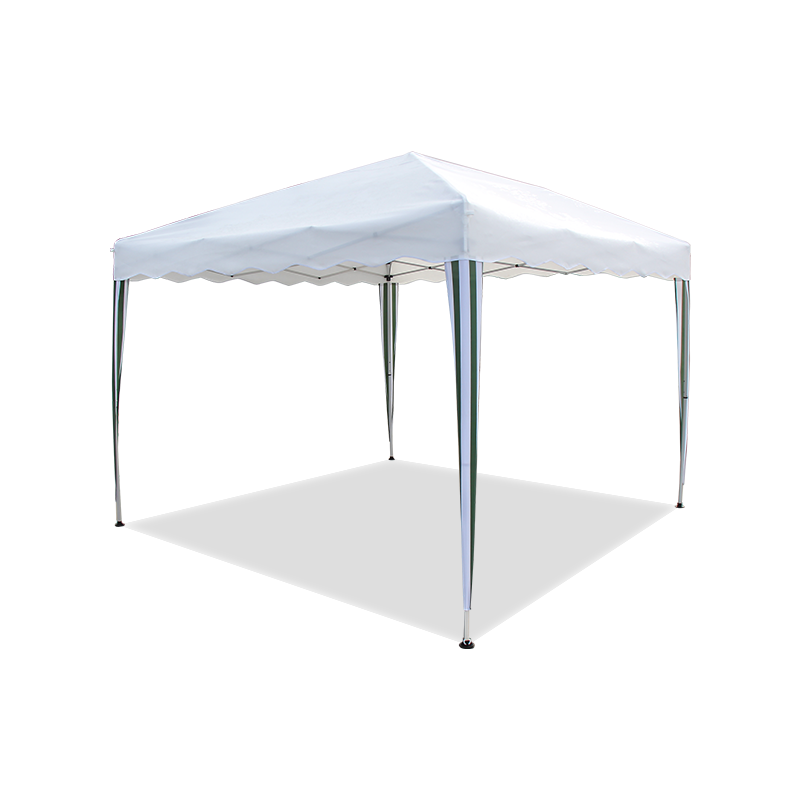
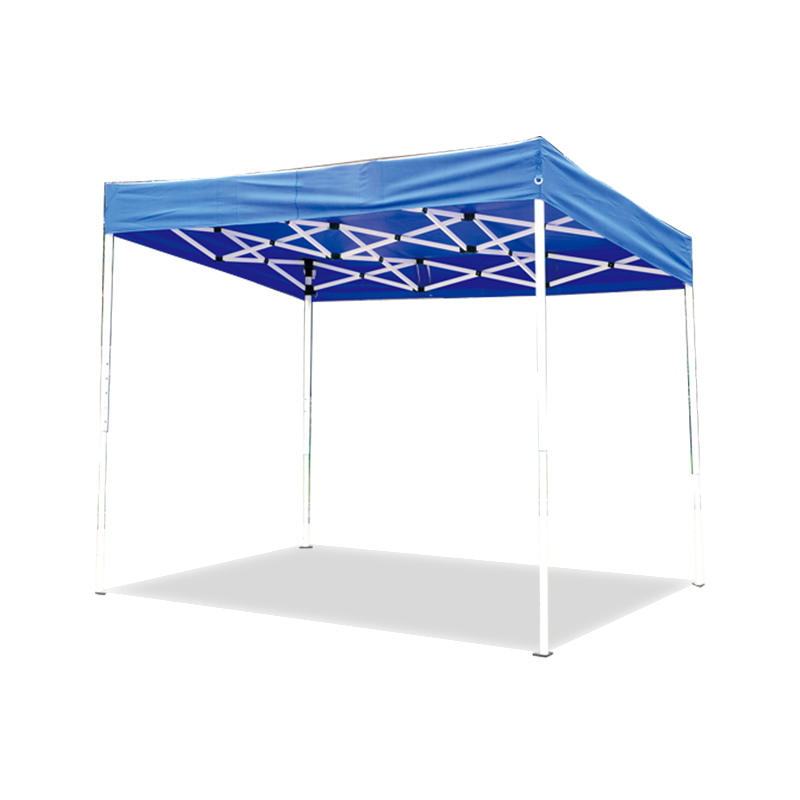
Aluminum frames are the lightweight alternative. They resist corrosion better than raw steel and are easier for one person to handle. A 3x3m aluminum frame folding gazebo is a common sweet spot: you still get a rigid square or rectangle, but you can lift the whole unit into a car without a second person.
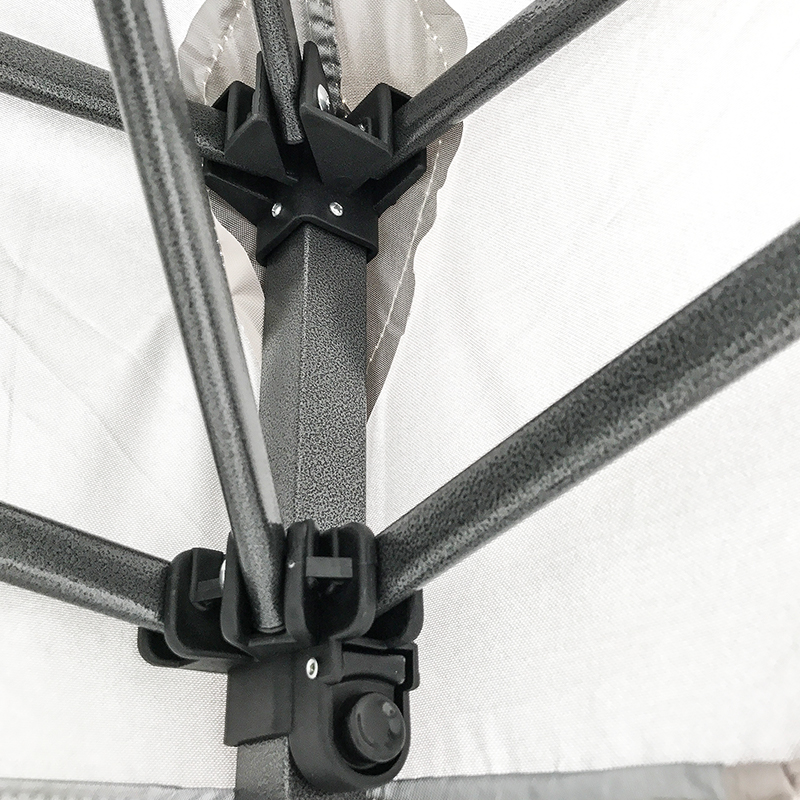
The connectors are where many enclosed canopies fail. Alloy connectors are stronger than plastic connectors, especially in UV exposure. Plastic can become brittle after a couple of seasons, while aluminum alloy connectors hold the joints tighter. The manufacturer's product line allows you to choose either, so you can match the component strength to the wind load of your region.
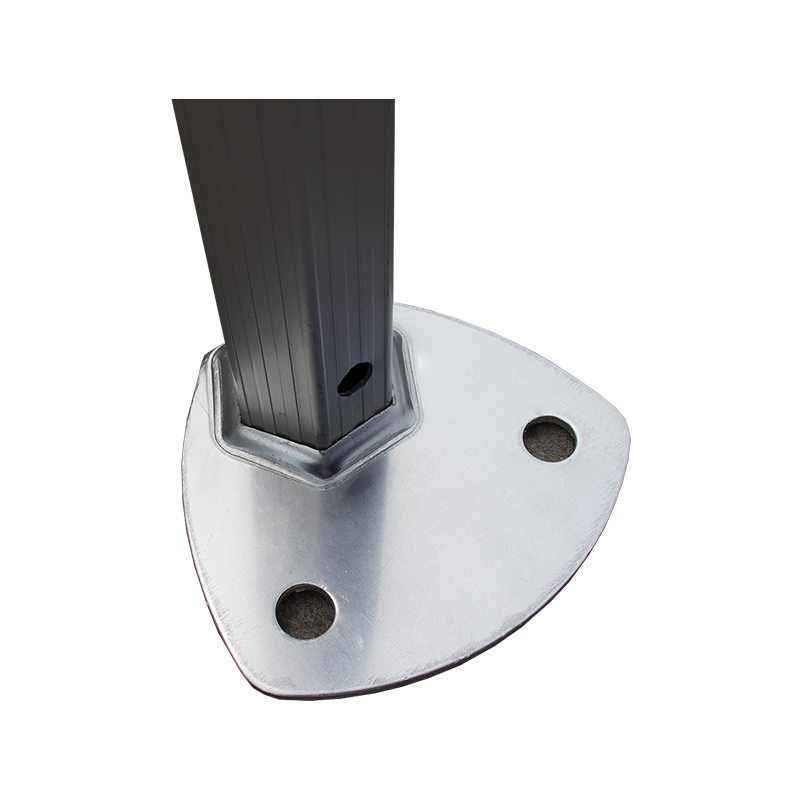 3x3m Aluminum Frame Folding Gazebo with Alloy ConnectorsThis 3x3m gazebo features a durable aluminum frame and alloy connectors, offering superior strength over plastic alternatives. Ideal for regions with high wind loads, it provides reliable shelter for outdoor events.View Product →
If you are buying for a permanent or frequently reused outdoor event, the extra cost of an aluminum frame with alloy connectors pays for itself in lower replacement expenses.
Steel versus aluminum: a quick comparison
- Steel frame: heavier, stronger, cheaper, best with powder coating for outdoor use.
- Aluminum frame: lighter, corrosion-resistant, ideal for mobile use and frequent setup.
- Connectors: aluminum alloy for longevity, plastic for cost savings on low-light-use canopies.
Fabric, Waterproofing and UV Protection: The Real Numbers
The roof and sidewalls of an enclosed canopy are what make it weather-ready. Two numbers matter: fabric weight and coating. Lightweight polyester measured at 140 grams per square meter is fine for sunshades and brief summer showers. If you expect heavy rain, you need a fabric in the 250g to 300g range, typically a PVC coated polyester. This heavier cloth resists punctures better and holds water off your guests.
The coating matters as much as the weight. A PU (polyurethane) silver coating is designed for sun reflection and UV protection. A PVC coating provides a waterproof barrier. Some of the manufacturer's canopies use 250g PVC coated polyester for the dual job of rain protection and durability. An enclosed canopy with a good PVC coating will keep the inside dry even when water pools on the roof.
You also need to look at the seams and the window design. A single-layer roof seam can leak if the stitching is not sealed. A better approach is to specify heat-sealed seams. For enclosed canopies, church-style or gauze-style windows let light in while keeping rain out. These details are more than cosmetic: they change the inside environment.
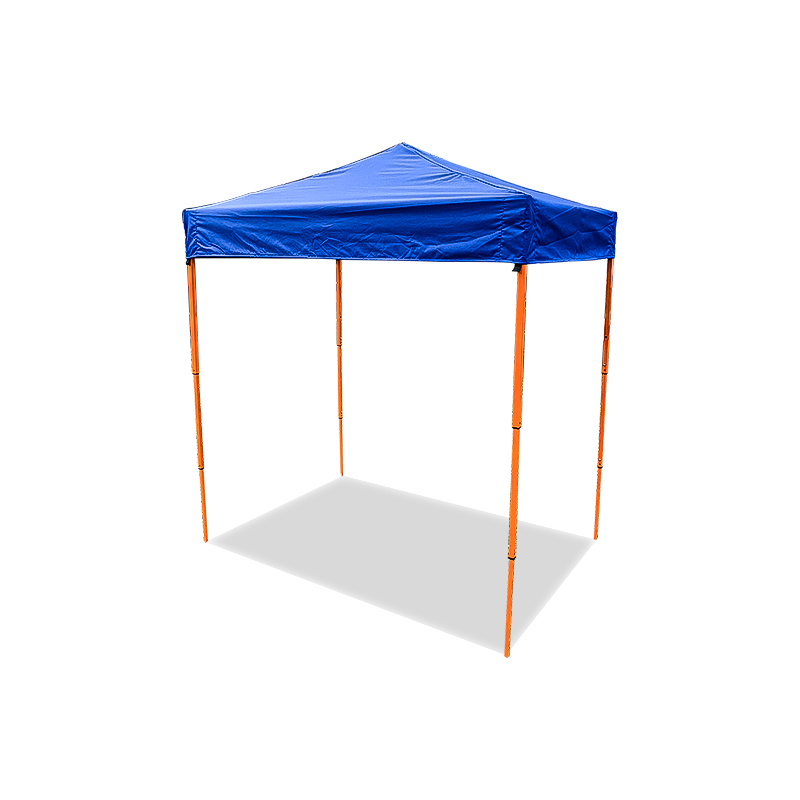
 250g PVC Coated Canopy Top with Heat-Sealed SeamsThis replacement canopy top uses 250g PVC-coated polyester with heat-sealed seams to prevent leakage. Its church-style windows allow natural light while keeping rain out, improving the interior environment.View Product →
| Fabric Type | Weight | Coating | Best Used For |
|---|---|---|---|
| Polyester | 140g | PU silver | Light shade, garden parties |
| PVC coated polyester | 250g | PVC | Rain protection, tradeshows |
| PVC coated polyester | 300g | PVC | High wind, car covers, heavy events |
Size, Coverage and Assembly: Choosing the Right Dimensions
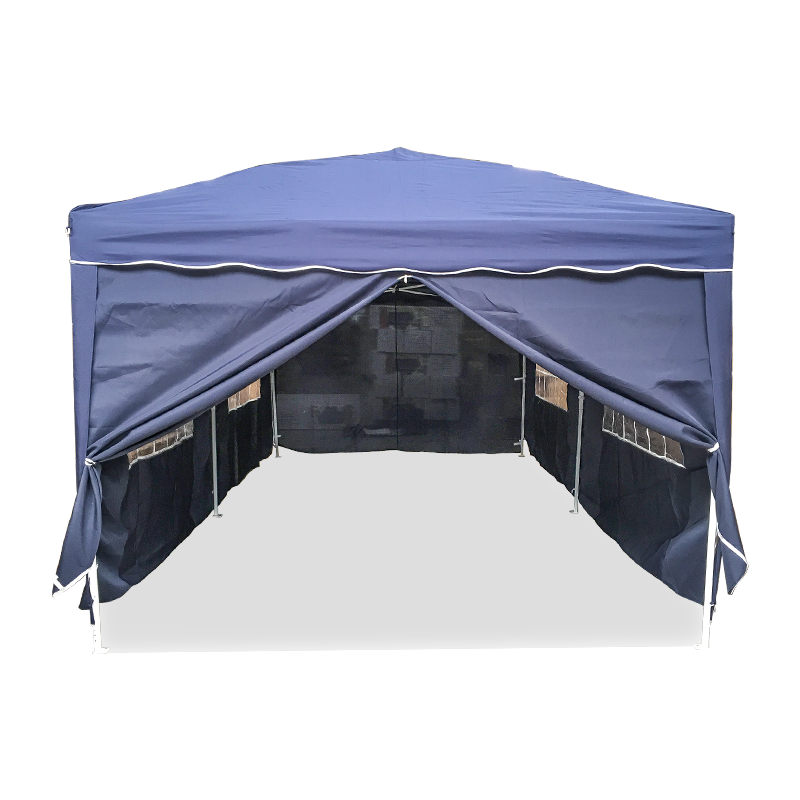
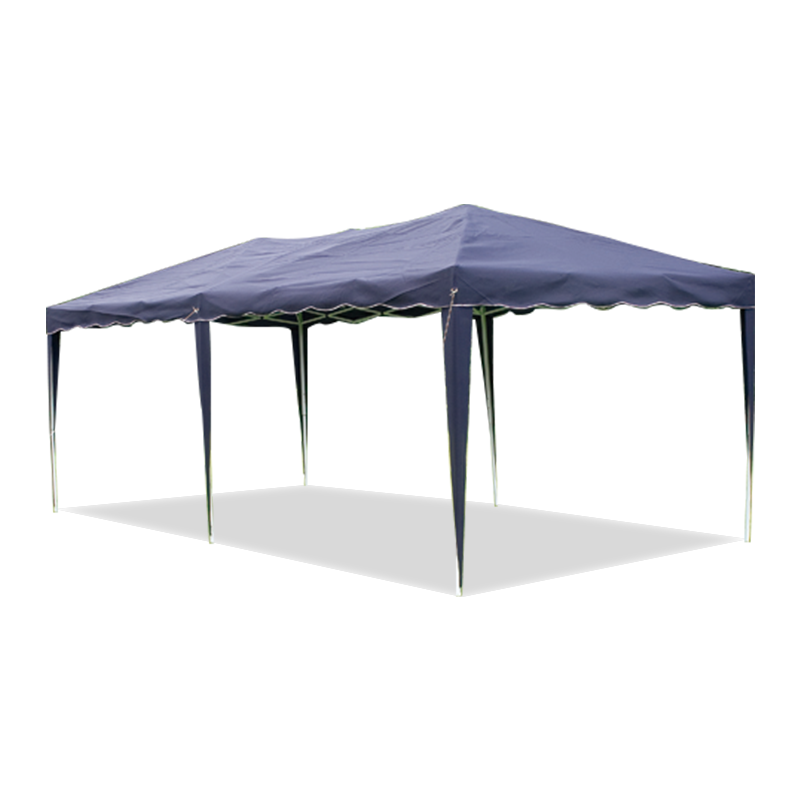
Enclosed canopies come in a range of footprint sizes. The most common are 2x3m, 3x4.5m and 3x6m. The size you pick determines how many people or what equipment fits under the roof. A 2x3m enclosed canopy is comfortable for two people working a small booth, while a 3x4.5m unit can cover a table plus seating for eight, or one car in a temporary carport setting.
A useful rule of thumb is to allow about 1.5 square meters per standing guest. For a 3x4.5m canopy, that is 13.5 square meters, which should handle 8 to 10 people standing, or 5 to 6 people with chairs. If you plan to host meals, add 20% more space so chairs and serving tables have clearance.
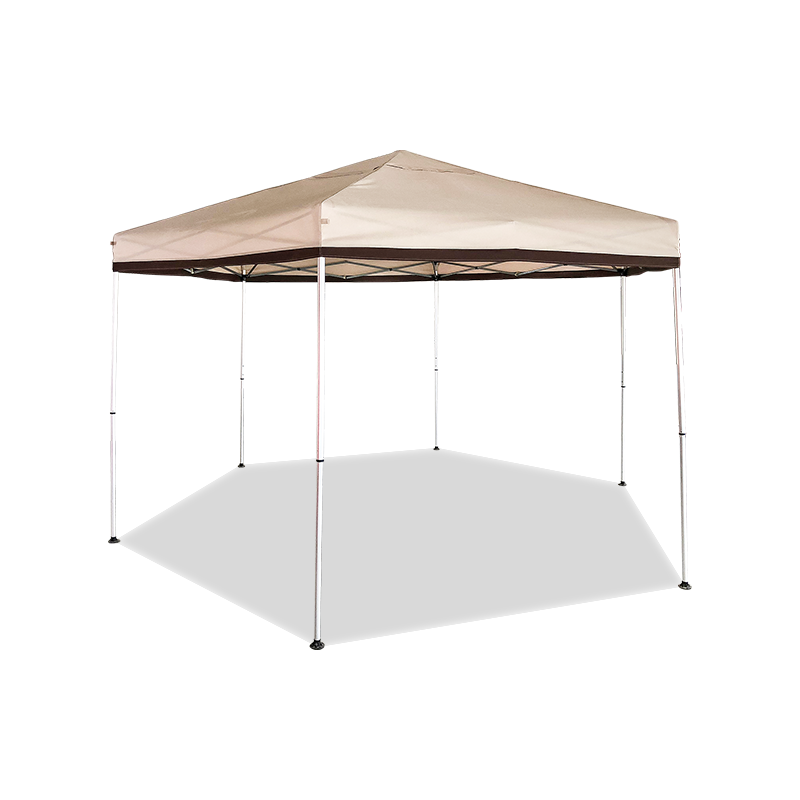
Assembly is another dimension. Many enclosed canopies use a pop-up mechanism or a push-pull frame that expands in minutes. Look for a top with a replaceable cloth. If a strong wind tears the roof, you can swap out the top instead of buying a whole canopy. The manufacturer offers easy-setup models and replacement tops, which is a deliberate design choice for longevity.
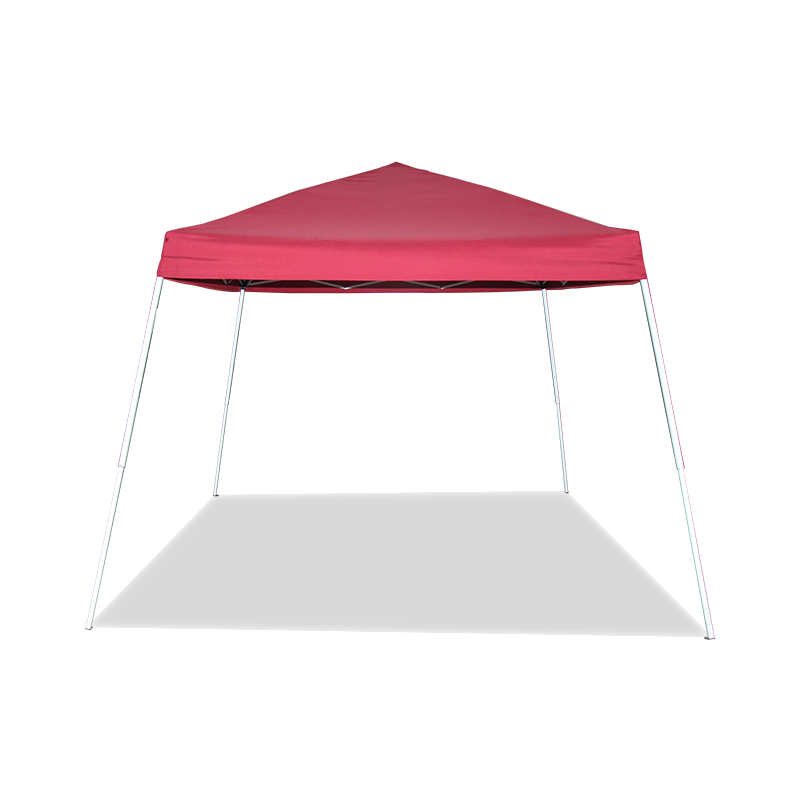
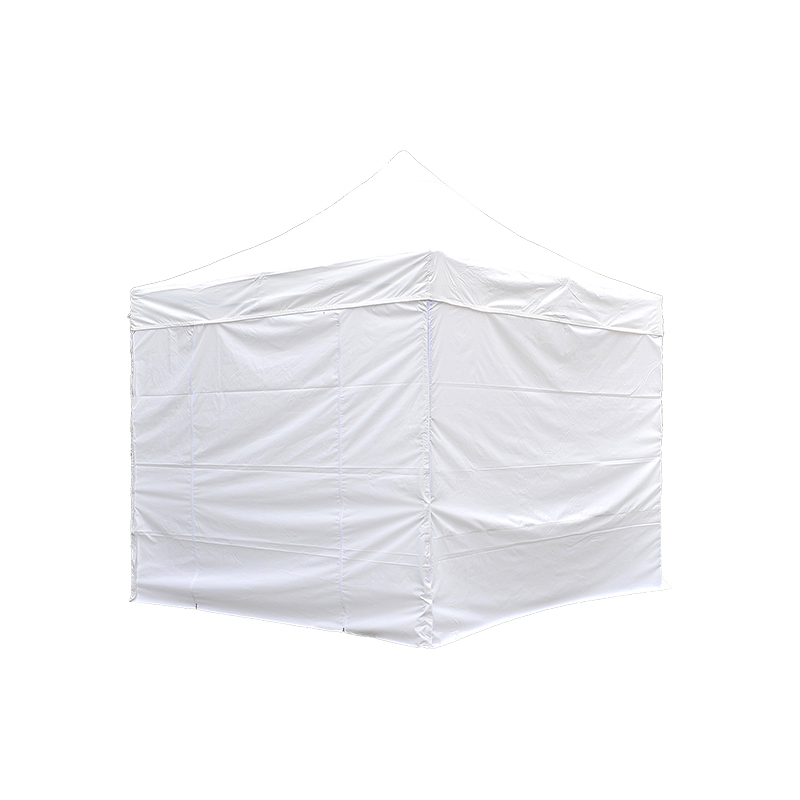 3x4.5m Outdoor Folding Canopy with Quick SetupThis 3x4.5m folding canopy is designed for rapid assembly in under a minute, with no loose parts. Its replaceable top enhances longevity, making it a practical choice for frequent outdoor use.View Product →
- 2x3m: single vendor stall or a compact picnic shelter.
- 3x4.5m: small wedding cocktail area or a single-car carport.
- 3x6m: larger event booth, two-car parking, or a long dining table.
Check the sidewalls for zippers. Doors that unzip fully make entry easier and let you adapt the enclosed space to the weather.
Maintenance, Wind Resistance and Longevity
A well-built enclosed canopy should last several seasons if you treat it well. Wind is the biggest enemy. Always use guy ropes and stakes, even if it seems calm. A stable frame with a low profile roof sheds wind better than a tall, steep one. For high-wind areas, look for a model with a 300g heavy-duty top and reinforced corners.
Cleaning depends on the fabric. You can hose down a PVC coated polyester canopy, but avoid using abrasives on the sidewalls. A soft cloth with mild soap is safe for both 140g polyester and PVC fabrics. Dry the canopy fully before folding, because trapped moisture can cause mildew and degrade the coating. In the manufacturer's own guidance, storing a wet tent shortens its life. The extra time you spend drying is time you buy on the structure.
If you notice a sagging sidewall, tighten the tension on the side panels. Over time, UV rays can loosen the fabric. A ventilation window helps by reducing the pressure difference between the inside and outside of the canopy, which is important during storms.
If a panel gets torn, replacing the top cloth is often cheaper than buying a new canopy. The company offers a replaceable top cloth for several models, which is a practical option for event organizers who cannot afford downtime. Read more about tent maintenance to see a full cleaning and storage checklist.
Customization and Branding Opportunities for Businesses
For B2B buyers, an enclosed canopy is not just a shelter; it is a marketing surface. The manufacturer can print logos, labels, bar codes and custom cartons on the canopy, and can even design the top cloth according to your drawings. This is a big advantage for outdoor tradeshow exhibitors who need a branded booth that stands out.
When you order an enclosed canopy with a custom design, pay attention to the printing technique. Dye sublimation on polyester is standard, but it costs more for full-color designs. The lead time is longer too. If your event date is fixed, plan a buffer of 4 to 6 weeks for custom printing.
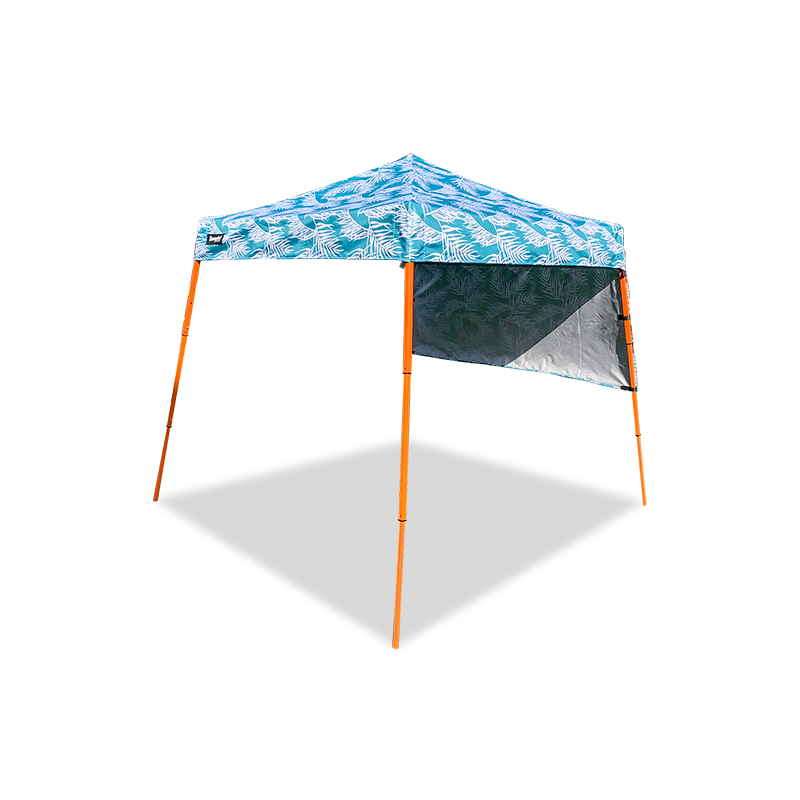
Beyond the logo, you can customize the sidewall treatment. Some enclosed canopies are produced with removable windows, roll-up doors or mesh panels. For a party rental company, these options make the same canopy adaptable to different events. For a shopper, that flexibility adds real value.The vendor's article on customization explains which parts of a canopy can usually be changed.
FAQ: Answering Common Enclosed Canopy Questions
What does an enclosed canopy include?
A complete enclosed canopy normally comes with the frame, a top roof, side panels with zips, guy ropes and stakes. Some models also include a storage bag. Check the accessory list before you buy, because the side panels are what turn an open canopy into an enclosed space.
Can I use an enclosed canopy in strong wind?
Yes, but only if you anchor it properly and you have a frame rated for wind. Use at least 4 guy ropes with stakes, or use sandbags on the legs. For windy regions, choose a 300g PVC coated top and an aluminum frame; lightweight polyester and plastic connectors are not suitable for open fields in storms. The manufacturer advises checking the weather forecast before setting up.
How long does an enclosed canopy last?
With regular cleaning and proper storage, a good-quality canopy should last 3 to 5 years. The frame usually fails before the fabric. The longer you keep it out of UV sunlight when not in use, the longer the PVC coating stays supple. The manufacturer's annual capacity and product line include replaceable top cloth, which extends the structure's life further.
Is an enclosed canopy waterproof or just water-resistant?
That depends on the fabric rating. A canopy with a 250g PVC coated polyester roof is waterproof under steady rain, while a 140g polyester top is water-resistant for light drizzle. Look for "PVC coated" or "PU coated" on the product sheet, and check if the seams are taped before you rely on it in a downpour.
Can I customize an enclosed canopy for my business?
Yes. Many manufacturers offer custom sizes, fabric colors, printed logos, and even custom packaging. The company behind this article states it can design top cloth according to customer drawings and produces a warehouse-ready product for direct export. For a custom order, confirm the artwork file format and the minimum order quantity first.
Do enclosed canopies come with ventilation windows?
Many do. A canopy with church-style or gauze-style windows lets air flow through while keeping rain out. Ventilation windows also reduce condensation inside on hot days. If you need to know exactly which models include windows, check the specific product listing or contact the supplier before purchasing.

