
 English
 Español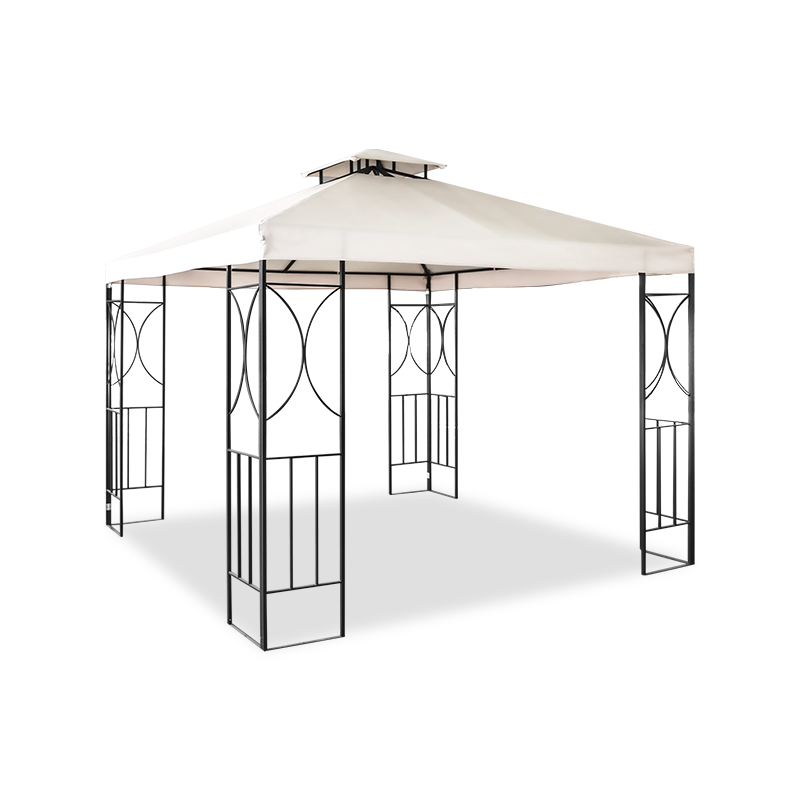
 Video
Video


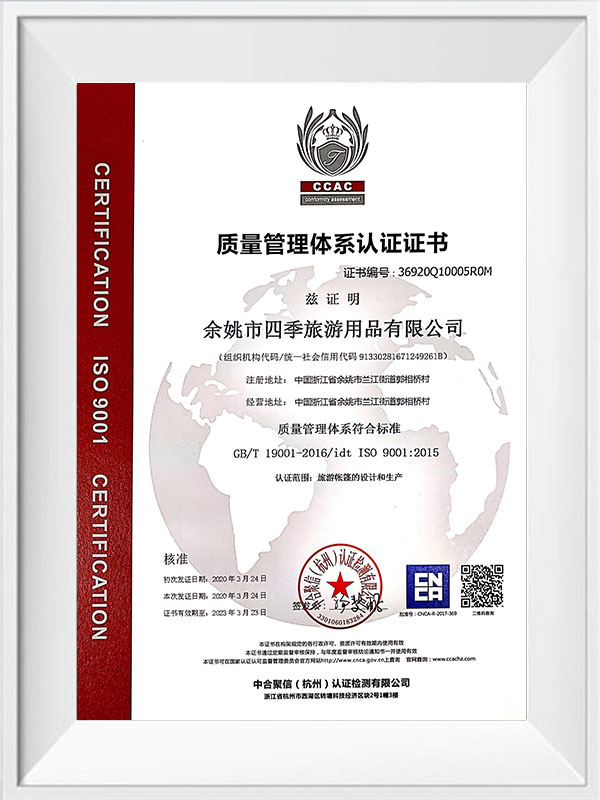
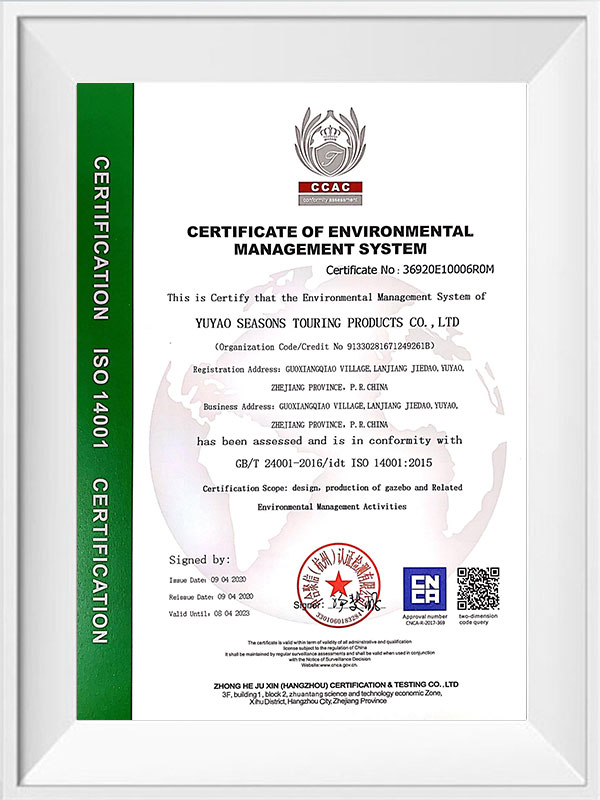
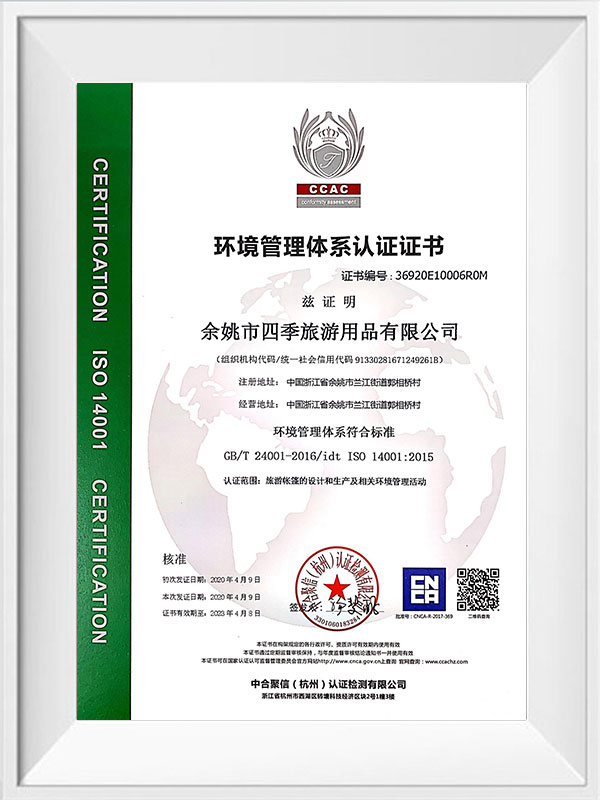
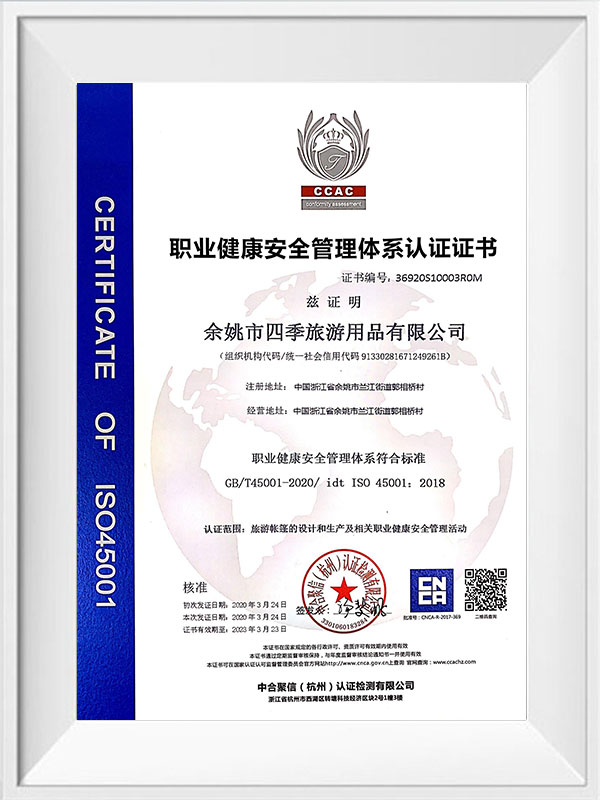
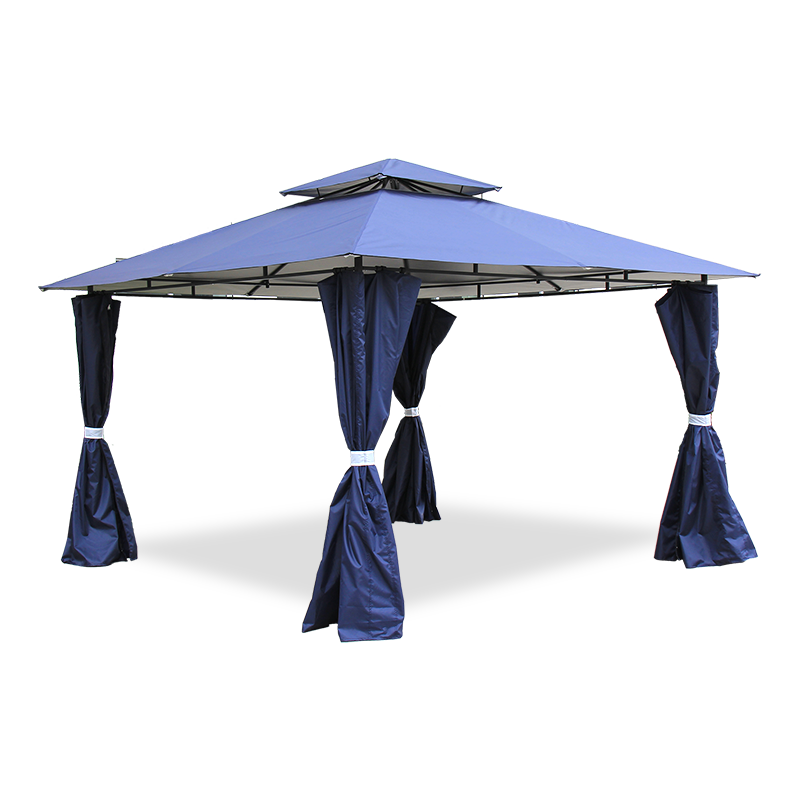
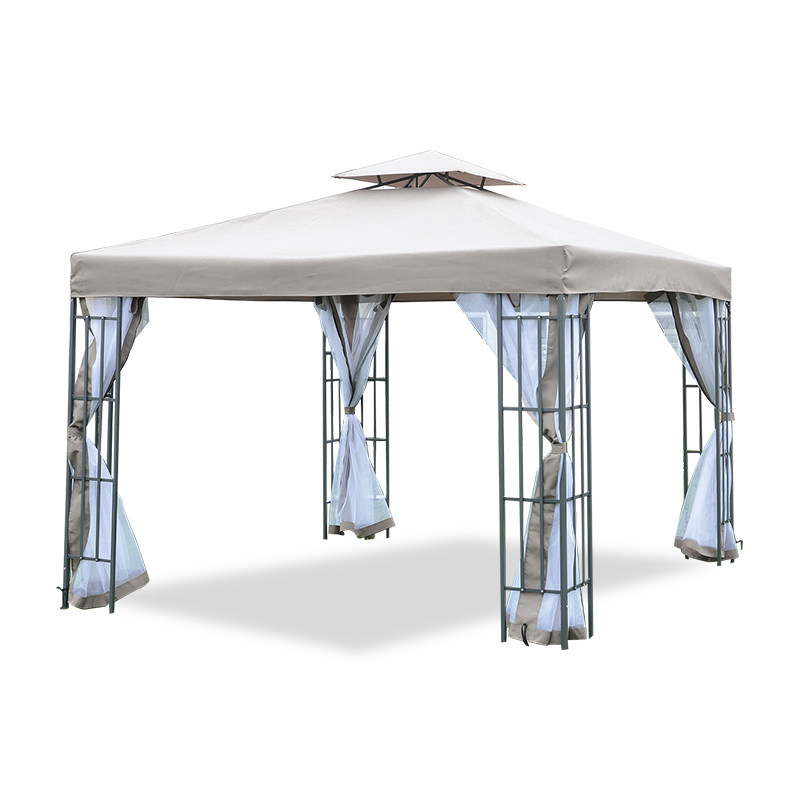
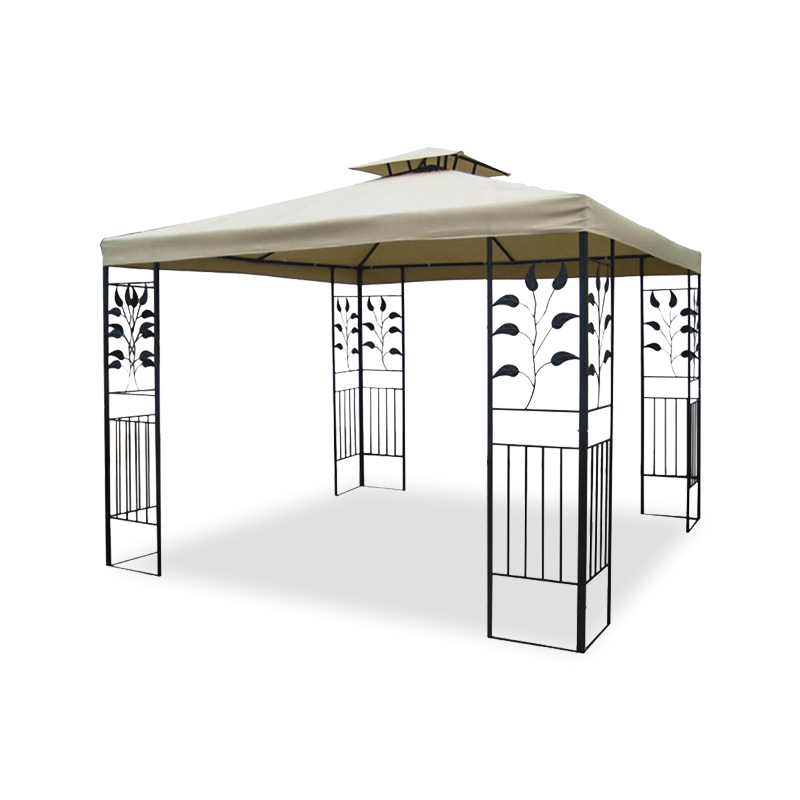
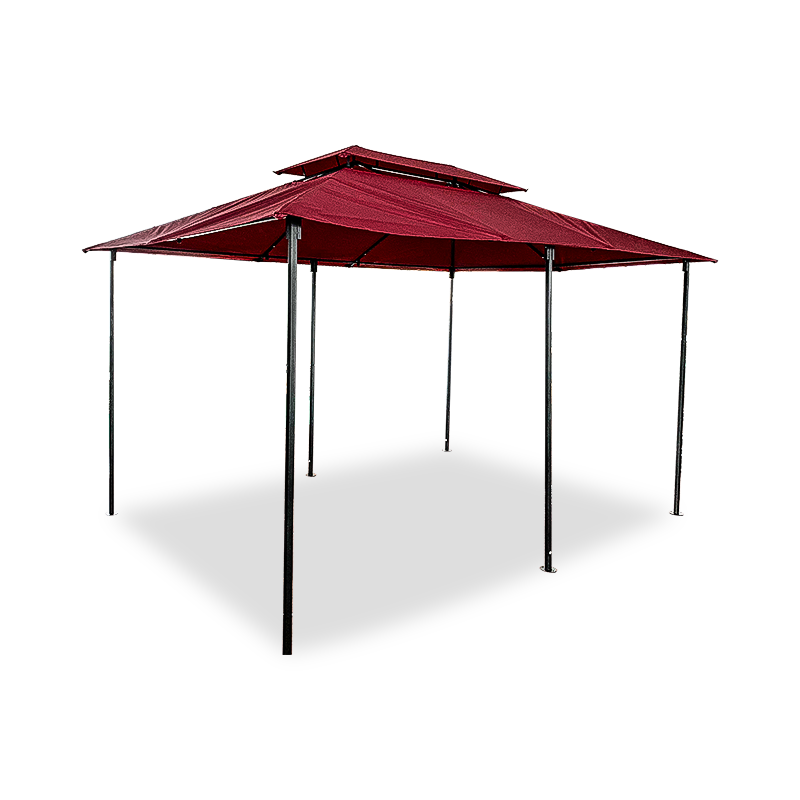
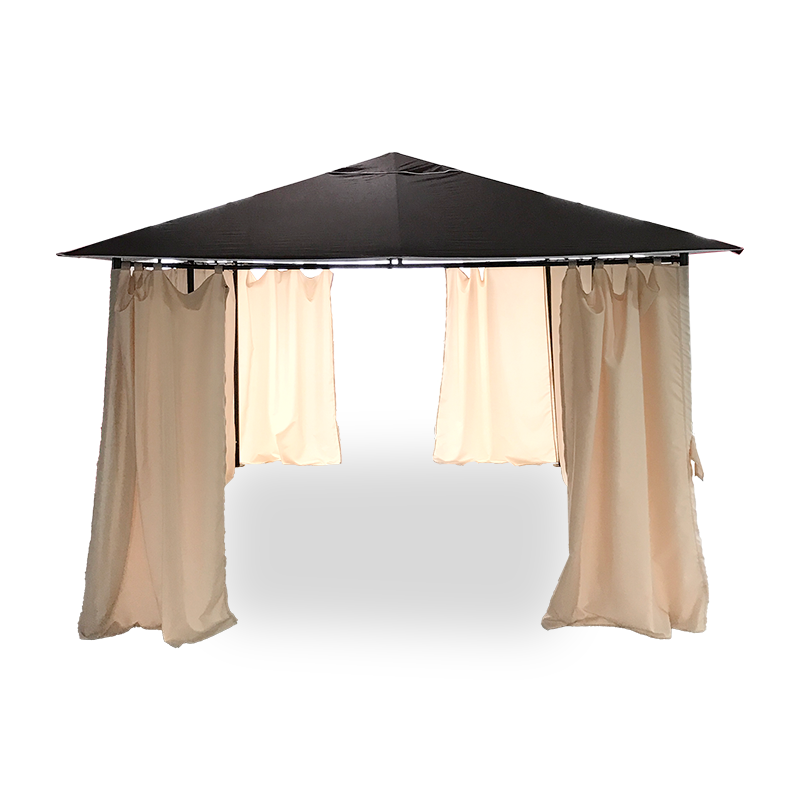
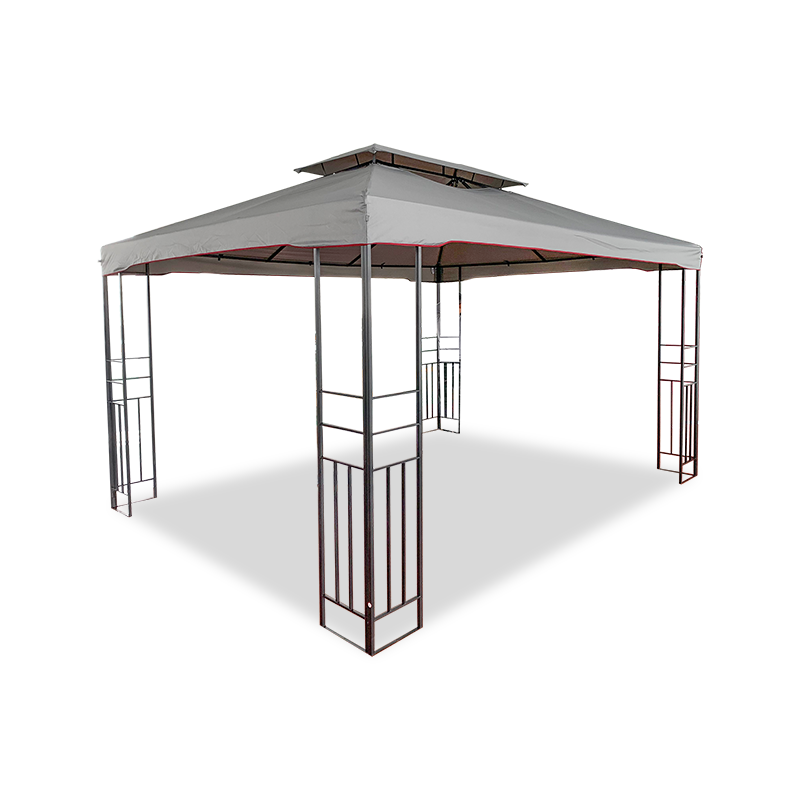
Portable gazebos have become an essential category in the outdoor shelters market, offering temporary covered spaces for gardens, patios, camping trips, markets, and events. Unlike permanent structures, these lightweight, collapsible canopy systems are engineered for quick assembly, easy transport, and repeated use across varied environments. The category spans pop-up canopy frames, instant hexagonal pavilions, freestanding fabric shelters, and pole-based tent gazebos — all united by the promise of shade, weather protection, and spatial definition wherever you set up.
What Makes a Portable Gazebo Worth Buying
Most buyers underestimate how much the frame material and fabric coating drive the long-term value of a portable gazebo. A 210D Oxford fabric canopy with a PU2000mm waterproof rating will perform very differently in a rainstorm than a 150D polyester equivalent. Similarly, a steel frame rated for 40 km/h wind resistance is a baseline expectation for outdoor events, while premium frames using powder-coated steel or aluminum alloy push that tolerance significantly higher.
Key performance factors buyers compare before purchasing:
- Canopy fabric weight and waterproof rating (PU coating thickness)
- Frame material: steel vs. aluminum, tube diameter, and wall thickness
- Assembly time: a quality pop-up frame should deploy in under 5 minutes
- Carry bag dimensions and total packed weight (sub-15 kg is considered portable)
- UV protection rating — UPF 50+ is the accepted standard for sun-facing canopy use
Frame Material Wind-Resistance Ratings (km/h)
The Role of In-House Manufacturing in Product Quality
One of the most persistent problems in the portable gazebo supply chain is the gap between what a factory claims on a spec sheet and what actually arrives on the pallet. Fabric waterproofing can degrade before the product even reaches a warehouse if storage conditions during production aren't controlled. Frame joints can pass visual inspection yet fail under load if the welding process lacks proper quality checks.
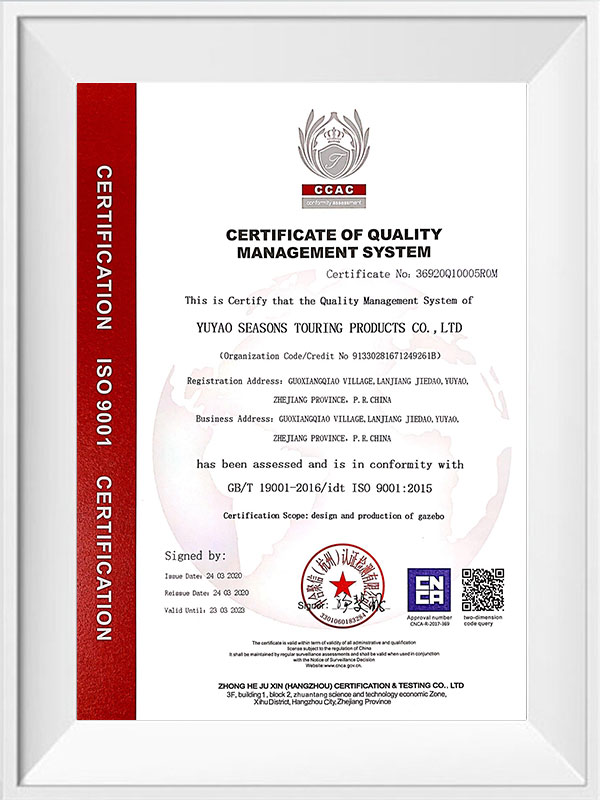
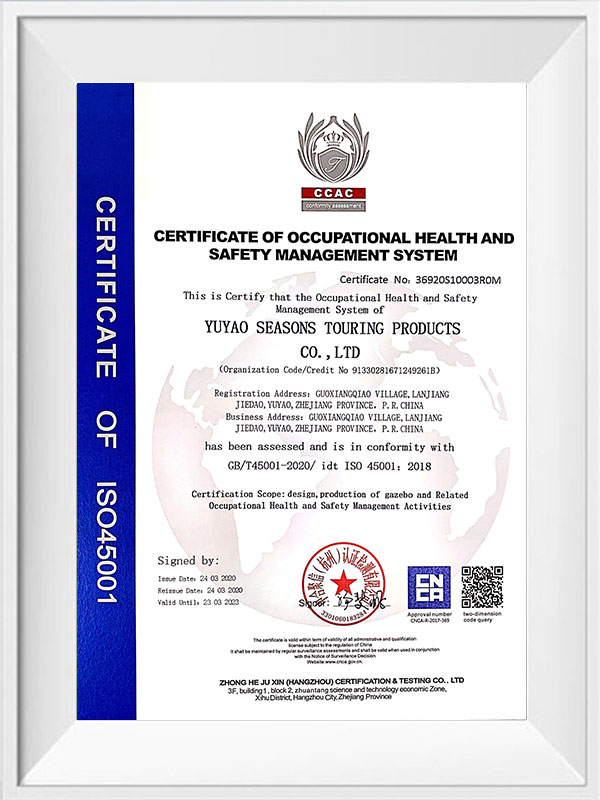
Yuyao Seasons Touring Products Co., Ltd addresses this directly by operating their own hardware workshop, plastic spraying workshop, assembly workshop, and sewing workshop — all under one roof. When every stage of production is in-house, the traceability of each component is real, not theoretical. Their testing laboratory and advanced testing equipment allow them to verify waterproof performance on tents and hammocks before products leave the facility, rather than relying on third-party audits alone.
This integrated model also matters for cost. Factory direct sales remove intermediary margins, which is how a manufacturer offering powder-coated steel frames and tested waterproof canopies can still compete on price. "Cheap and fine" only works when you control the inputs — fabric sourcing, frame fabrication, finishing, and final assembly — instead of coordinating across separate vendors.
Customization: Why It Matters More Than It Used To
The portable gazebo market is no longer dominated by generic white canopies. Retail brands, event companies, hospitality operators, and sports organizations increasingly require custom canopy solutions that carry their visual identity. This has pushed customization from a niche service into a mainstream supply chain expectation.
Yuyao Seasons Touring Products Co., Ltd offers end-to-end customization including printing on canopy fabric, cloth labels, hanging tags, barcodes, QR codes, and custom carton color boxes. Their R&D team is structured to work from client-supplied drawings or physical samples, which is particularly useful for buyers who need exact structural dimensions matched to their existing event infrastructure.
One often-overlooked area is the tent top cloth draft design — the pattern engineering that determines how a canopy fits over a frame under tension. A poorly drafted top cloth will sag at the center or pull unevenly at the corners regardless of how good the frame is. Having an in-house team handle this draft means fewer fit problems at the prototype stage.
| Customization Type | Typical Use Case | Minimum Viability |
|---|---|---|
| Canopy printing | Brand events, retail pop-ups | From 50 units (typical) |
| Cloth label & hang tag | Retail packaging requirements | Per buyer spec |
| Barcode / QR code | Inventory management, compliance | Standard on request |
| Custom carton color box | Shelf-ready retail product | MOQ-dependent |
| Drawing / sample-based build | OEM / ODM supply | Requires technical drawing or sample |
Comparing Portable Gazebo Types by Use Scenario
Not every portable gazebo is the right tool for every situation. A pop-up folding canopy that takes 3 minutes to assemble at a farmers market is a liability on a mountain campsite. Understanding which structure type fits which scenario prevents expensive mismatches — both for end users choosing products and for procurement teams sourcing inventory.
Performance Profile by Gazebo Type (Score out of 10)
Pop-up canopy frames score highest on portability and setup speed — they are the clear choice for mobile vendors and event teams who set up and break down multiple times per week. Pole-frame gazebos, by contrast, offer better weather protection and more flexibility for fabric customization, making them a natural fit for semi-permanent seasonal installations in gardens and hospitality settings.
Waterproofing in Outdoor Canopy Fabrics: What the Numbers Mean
Waterproof ratings on canopy fabrics are expressed as hydrostatic head pressure (mm). The figure represents the height of a water column the fabric can hold before it begins to leak. For portable gazebos intended for rain use, 1500mm is the minimum functional threshold; 2000mm covers moderate rainfall comfortably; 3000mm+ is appropriate for exposed outdoor use in wetter climates.
Yuyao Seasons Touring Products Co., Ltd applies this testing rigorously in their own laboratory, verifying waterproof performance on tents and portable products before shipment. For buyers, this in-house verification step matters because PU coatings can be applied unevenly during manufacturing — a fabric that tests at 2000mm at the center seam may fall short at stress points near the frame unless the full panel is validated.
Hydrostatic Head Rating vs. Application Suitability
Frequently Asked Questions
How do I know if a portable gazebo frame is strong enough for outdoor events?
Look for the wind-resistance rating in the spec sheet — a minimum of 40 km/h is standard for casual garden use, but event-grade frames should be rated to at least 60 km/h. Tube diameter and wall thickness matter more than the material label alone; a thin-walled aluminum tube can fail faster than a well-gauged steel equivalent under lateral load.
What's the difference between ordering from a factory direct supplier vs. a trading company?
A factory-direct manufacturer like Yuyao Seasons Touring Products Co., Ltd controls the production process from raw material through final assembly. This means quality issues can be traced to a specific workshop and resolved at the source rather than bounced between suppliers. Trading companies add a coordination layer that increases lead times and often limits customization depth — you typically can't request a tent top cloth draft revision or approve a sample-based frame modification through a middleman as efficiently.
Can I order a small quantity of custom-printed gazebos for a one-time event?
Custom printing has minimum order quantities tied to the economics of screen setup or dye-sublimation run costs. For single-piece or very small run needs, many manufacturers offer a standard-color canopy with custom printed accessories (banners, valances) as a more economical alternative. If the requirement is for a recurring seasonal event, committing to a larger run is almost always the more cost-effective route.
How does in-house testing improve waterproof reliability over standard factory checks?
Standard factory checks often test a fabric sample once per production batch. In-house labs with dedicated equipment can run full-panel hydrostatic tests, seam-stress tests, and UV degradation cycles that give a more complete picture of real-world performance. Yuyao Seasons Touring Products Co., Ltd operates this kind of testing infrastructure, which allows them to catch coating inconsistencies before the product is packed rather than after it reaches the buyer.
What information do I need to provide to get a custom portable gazebo made from my own design?
At minimum, you need either a technical drawing with dimensions or a physical sample that the manufacturer's R&D team can reverse-engineer. The clearer the drawing, the faster and more accurate the prototype. Yuyao Seasons Touring Products Co., Ltd's research and development team handles both paths — drawing-based and sample-based — which makes the process accessible even for buyers who don't have full engineering documentation ready at the start.

