 English
 Español
Customer expresses intent; Communicate between the two parties; Provide analysis reports to customers; Reach a cooperation intention.

 Video
Video

Founded in

Industry experience

marketing network

Serving the crowd
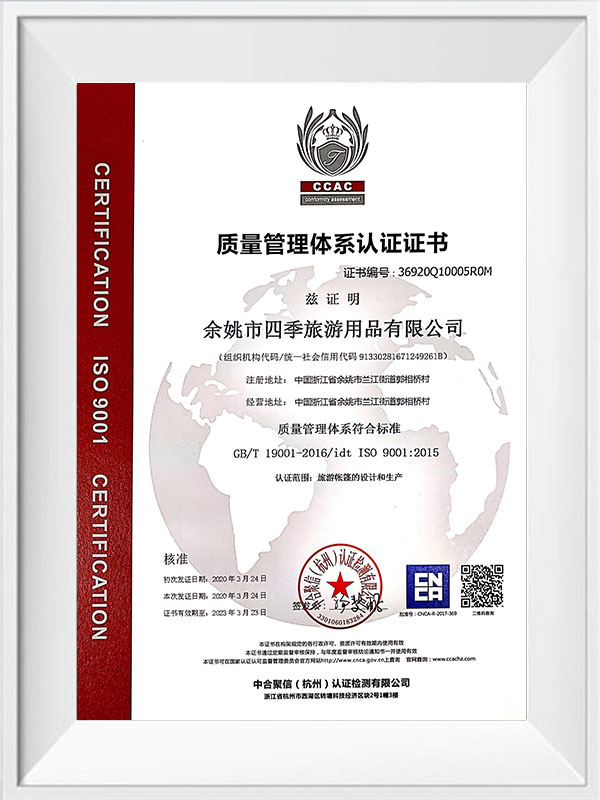
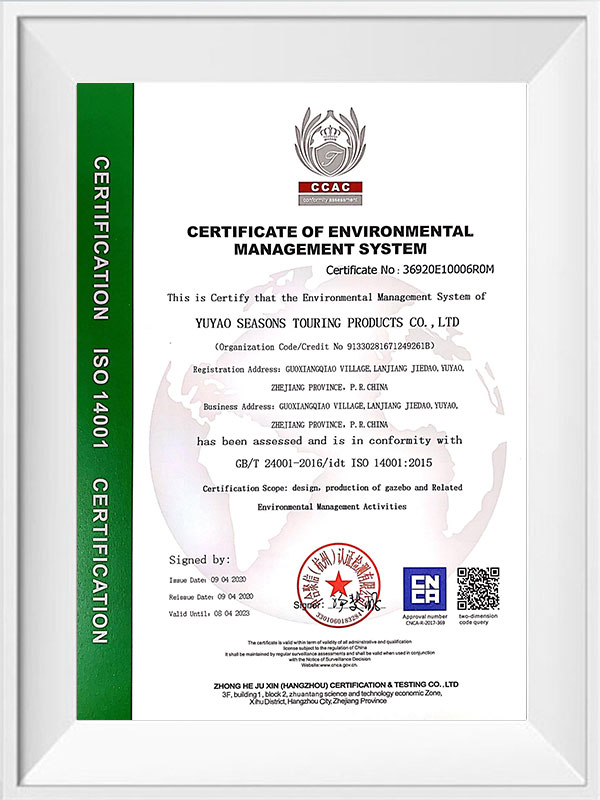
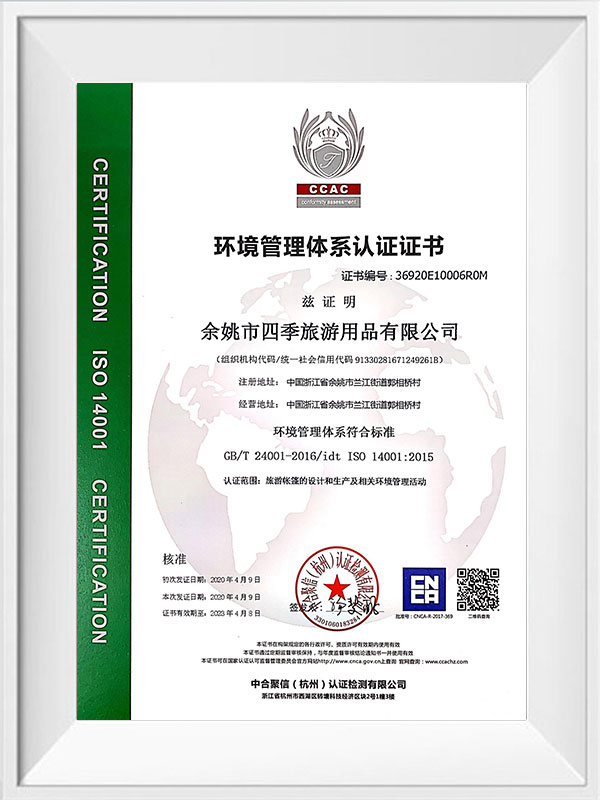
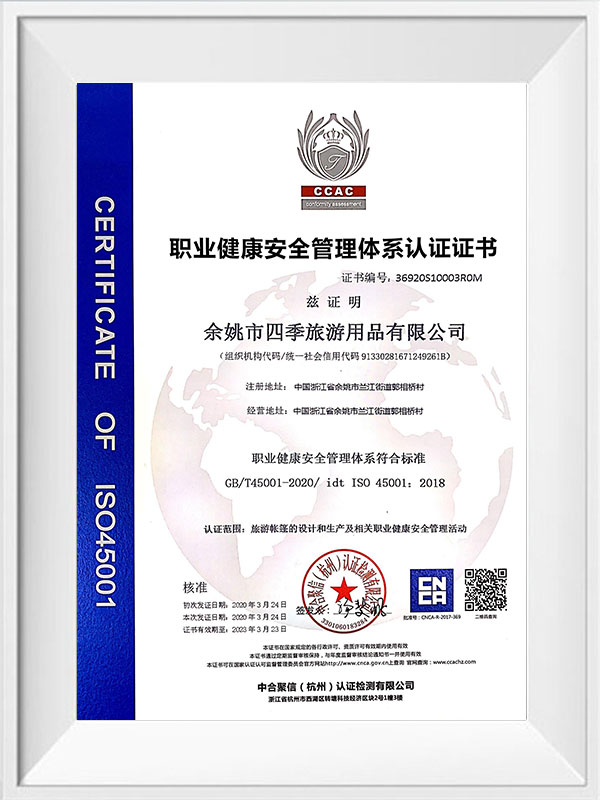
Folding umbrellas have become one of the most widely used portable weather protection tools in daily life and travel. Unlike traditional straight umbrellas, folding umbrellas compress their frame into compact, pocket-friendly sizes through a multi-section collapsible shaft — typically two-fold or three-fold designs — making them a go-to choice for commuters, tourists, and outdoor workers alike. The product category spans everything from lightweight travel canopies to heavy-duty wind-resistant models, and the quality gap between them is far wider than most buyers realize.
The mechanical heart of any folding umbrella is its rib-and-stretcher system. Most compact models use 8 ribs as the baseline, while premium versions step up to 10 or 12 ribs to distribute canopy tension more evenly and resist inversion. The number of folds in the shaft — two-fold (around 38–40 cm closed) versus three-fold (around 28–30 cm closed) — directly affects portability and structural rigidity when open.
Materials matter just as much as geometry. Fiberglass ribs outperform steel in wind resistance because they flex rather than buckle; aluminum shafts shave grams without sacrificing too much stiffness. The runner — the sliding piece that opens and locks the canopy — is a surprisingly common failure point on low-end umbrellas. A loose or poorly machined runner causes that frustrating "won't stay open" problem after only a few months of use.
Wind Resistance Performance by Rib Count (Score out of 10)
Comparative wind resistance scores across common rib configurations
Canopy fabric is rated in grams per square meter (gsm) — a 190T pongee (roughly 65–70 gsm) is the industry entry point, while 210T and above signals a more durable, less see-through option. The "T" refers to thread count per inch; higher numbers mean tighter weaves and better water resistance before any coating is applied.
UV protection ratings tell a separate story from waterproofing. A fabric can have a UPF 50+ rating (blocking over 98% of UV radiation) while still beading water poorly — or vice versa. Most quality folding umbrellas layer both a UV-absorbing treatment and a durable water repellent (DWR) coating on the same fabric, but the longevity of that DWR layer is what separates a product that performs for two seasons from one that dulls after ten washes.
| Fabric Type | Typical GSM | Water Repellency | UV Protection |
|---|---|---|---|
| 190T Pongee | 65–70 | Basic | UPF 30–40 |
| 210T Pongee | 72–80 | Good | UPF 40–50 |
| Silver-Coated | 80–100 | Excellent | UPF 50+ |
Auto-open (one-push button) and auto-open/close (two-way button) mechanisms have largely replaced fully manual folding umbrellas in the mid-to-high market. The spring tension in these systems is calibrated carefully — too weak and the canopy stalls half-open, too strong and the closing force stresses the rib joints prematurely. Industry testing typically cycles these mechanisms through 3,000 to 5,000 open/close operations to assess fatigue resistance.
At Yuyao Seasons Touring Products Co., Ltd, the approach to mechanism reliability reflects their commitment to "high standards and high precision" — every spring component goes through tension calibration before assembly, not as a final QC step but as an in-process standard. That kind of upstream quality control is what prevents the silent failures that only show up after a few hundred uses.
Mechanism Failure Rate vs. Cycle Count (% failure)
High-precision spring calibration significantly reduces cumulative failure rates over cycles
Not every folding umbrella belongs in every bag. The use case defines what "quality" actually means in practice:
Prioritize weight (under 300g), compact closed length, and auto-open for single-hand operation. Frame durability over canopy size.
Three-fold design for max packability. Wind-resistant frame (fiberglass ribs) matters more than UV rating in variable climates.
Silver-coated or black-coated fabric with UPF 50+ rating. Larger canopy diameter (105–115 cm open) for full coverage.
Focus on canopy print quality, handle finish, and packaging. Mechanism reliability is still non-negotiable for brand reputation.
Feature Priority Radar: Commute vs. Travel vs. Sun Protection
Feature weighting by primary use case
In the folding umbrella supply chain, the gap between a technically capable manufacturer and one that's genuinely reliable to work with often comes down to how they handle precision and accountability across the full production process. A factory that treats quality as a final inspection step rather than a production philosophy will consistently deliver variance — some units pass, some don't, and the buyer absorbs the cost of that inconsistency.
The work culture behind a supplier matters more than their pitch deck. Integrity in quoting, pragmatism in problem-solving, and persistence through production challenges are the qualities that actually determine whether a long-term partnership delivers value. Yuyao Seasons Touring Products Co., Ltd explicitly builds around "integrity and pragmatism, perseverance, teamwork, and outstanding achievement" — which in manufacturing terms translates to suppliers who flag issues early, iterate on solutions, and don't quietly substitute materials to hit a price point.
For buyers sourcing folding umbrellas at volume, it's worth asking prospective suppliers: what does your in-process QC look like between frame assembly and canopy attachment? The answer tells you a great deal about whether precision is built in or bolted on.
Defect Catch Rate by QC Stage (%)
Multi-stage QC significantly increases total defect detection before shipment
Two-fold models close to roughly 38–40 cm and are sturdier when open. Three-fold models compress to about 28–30 cm, making them more packable but requiring slightly more attention to joint quality since each fold adds a potential stress point.
Inversion happens when wind pressure exceeds the rib system's resistance. Fiberglass ribs with a flexible arc design are significantly better at "giving" and bouncing back rather than buckling permanently. A vented double-canopy design reduces inversion by allowing wind to escape through the top layer rather than lifting the whole canopy.
Yes — 210T pongee is noticeably denser, which extends the lifespan of the water-repellent coating and provides better color vibrancy for printed designs. For everyday use the difference may feel minor, but after a full season of regular use the 210T canopy will typically hold its finish and structure better.
Many models are genuinely dual-purpose — sun/rain umbrellas with silver or UV-absorbing coatings handle both functions effectively. Look for UPF 50+ combined with a water-repellent outer coating. The main trade-off in sun-optimized models is a slightly heavier canopy due to the additional coating layers.
Standard MOQs from established manufacturers typically start at 300–500 units per SKU for stock designs, and 500–1,000 units for custom print or frame configurations. Suppliers operating under a "high standards and high precision" model tend to set slightly higher MOQs not to gate access, but because producing at lower quantities makes consistent quality control considerably harder. For custom promotional folding umbrellas, it's worth factoring in a 2–3% overage tolerance for production variance.

Professional production of folding tents and portable hammocks 13 years of experience, your leisure yard good helper.
Copyright © Yuyao Seasons Touring Products Co., Ltd.All Rights Reserved. Wholesale folding umbrella suppliers
