Home / Products

Custom Tents


Video

Premium Quality
Since 2000

Yuyao Seasons Touring Products Co., Ltd.
We are specially in making the tents with different materials styles and sizes,besting an appearance beauty and durability,sell afar to the european,American and Australian and Australian market. Our company has 12,000-sqm factory and employs 200 worker and staff members.Yuyao Huachen,has determined to provide the broad massed of customers with quality garden purpose products,and at the same time will continue to develop brand new products and never forget to improve both the software,and hardware conditions by investment. Based on the Principle of quality first,customer above all,we welcome customers to visit us.Survey our company and establish a long-term corporation with us.
  • Founded
    2009

    Founded in

  • Industry experience
    13

    Industry experience

  • marketing network
    N+

    marketing network

  • Serving the crowd
    OEM

    Serving the crowd

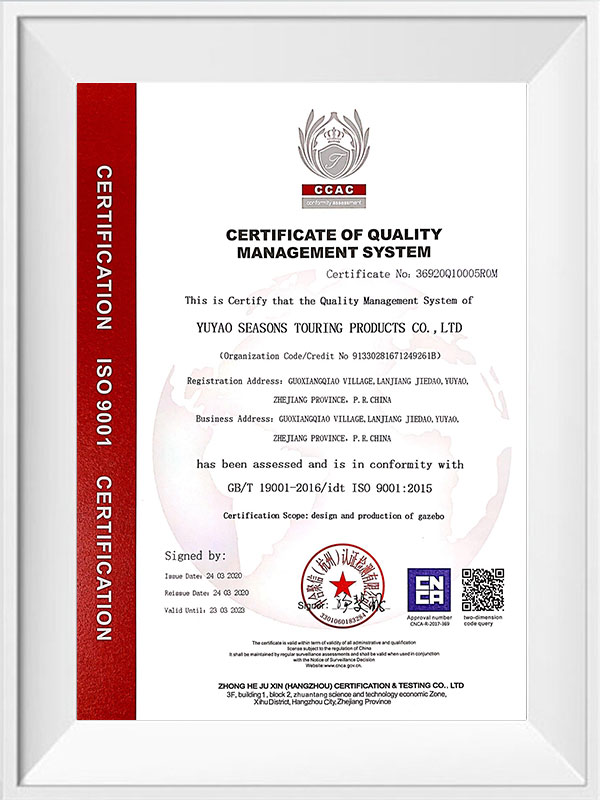
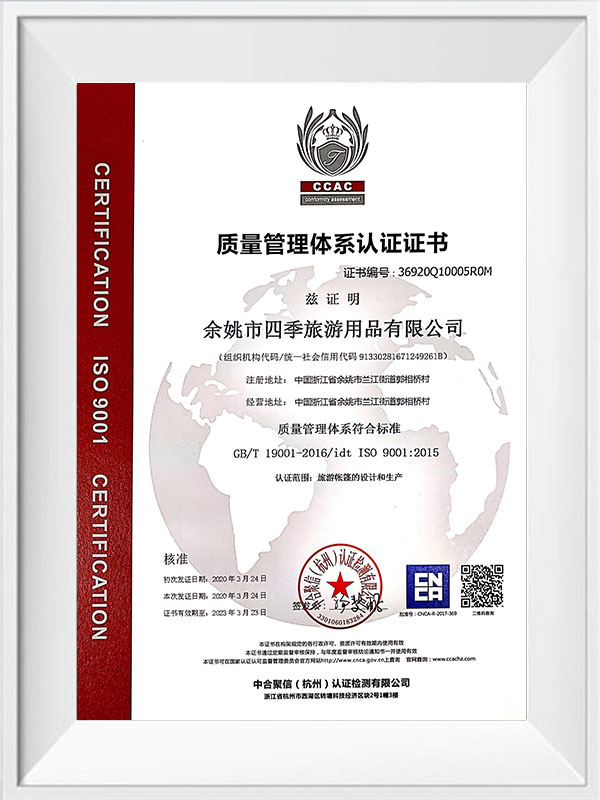
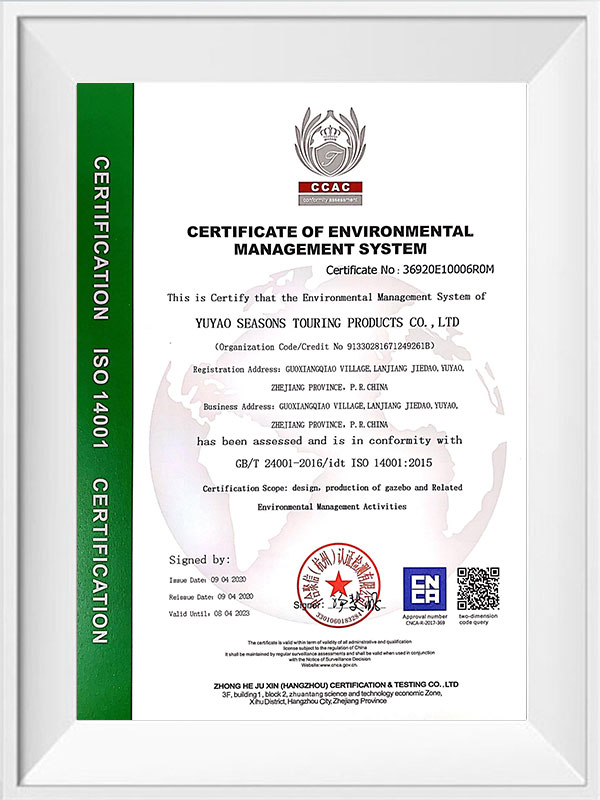
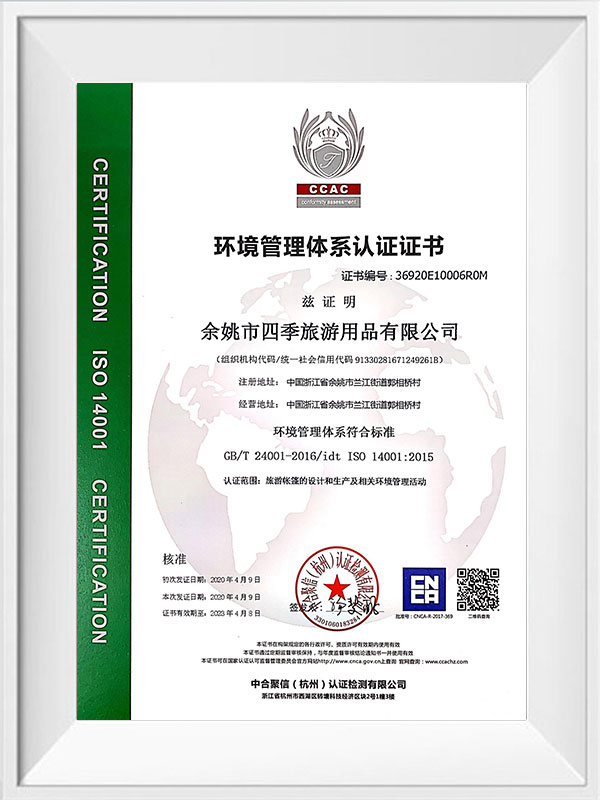
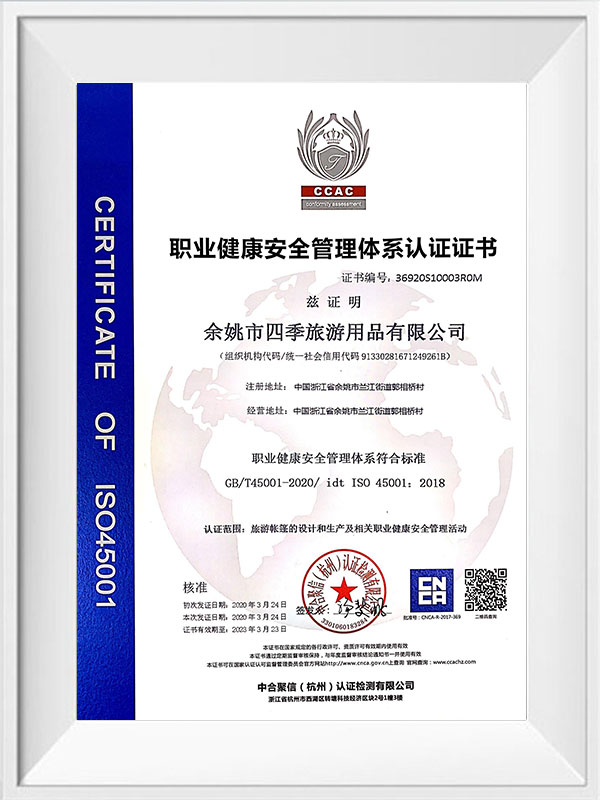
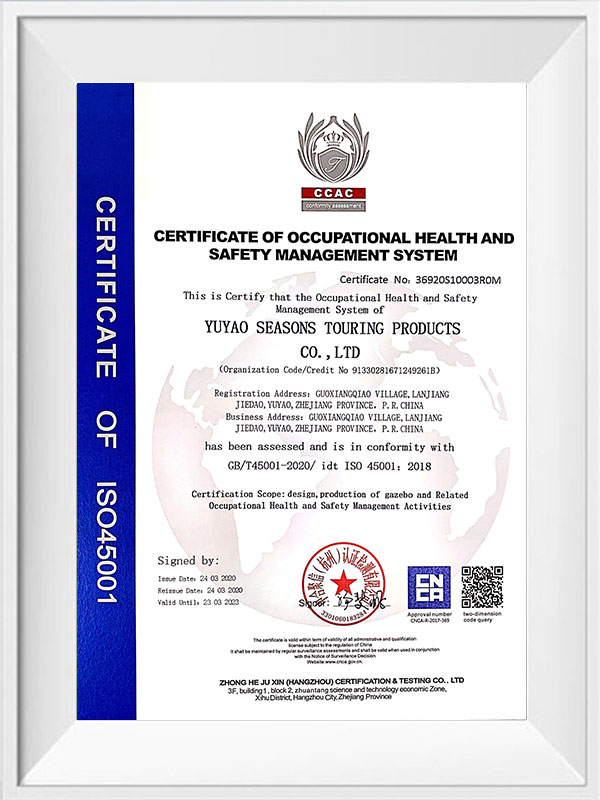
Every certificate witnesses our profession

SEASONS Certification

  • Certification
  • Certification
  • Certification
  • Certification
  • Certification
  • Certification

See How We Fulfill Your Project

Customer expresses intent; Communicate between the two parties; Provide analysis reports to customers; Reach a cooperation intention.

Yuyao Seasons Touring Products Co., Ltd.

WHAT’SNEWS


Yuyao Seasons Touring Products Co., Ltd.

Industryknowledge

Tents and umbrellas sit at the intersection of shelter design and outdoor mobility. Whether you're setting up a camping tent in the backcountry or deploying a large garden umbrella for a hospitality venue, both product categories share a common engineering challenge: reliable weather protection in a structure that can be moved, stored, and set up again without a maintenance crew. The range is wide — from compact pop-up tents used by hikers to heavy-duty commercial patio umbrellas and event canopies — but the underlying quality considerations overlap more than most buyers initially expect.

How Waterproofing Actually Works in Tents and Umbrellas

Waterproofing is probably the most misunderstood specification in this industry. A fabric rated at 1,500mm hydrostatic head will hold up to moderate rain. A rating of 3,000mm and above is what you want for extended downpours or high-wind rain scenarios. But the rating on the fabric is only part of the picture — seam construction, coating durability after repeated folding, and UV degradation all chip away at real-world performance over time.

At Yuyao Seasons Touring Products Co., Ltd, we maintain our own testing laboratory with equipment specifically designed to verify waterproof performance on both tents and portable hammocks before anything ships. This matters because a factory that outsources testing is working with delayed feedback — defects discovered in the field are far more costly to correct than those caught on the production line. Our lab runs hydrostatic head tests, UV aging cycles, and tensile load checks as standard, not optional, steps.

Waterproof Rating Guide (mm Hydrostatic Head)

Light Use Camping Heavy Rain Commercial 800mm 1,500mm 3,000mm 5,000mm+ 0 2,000 5,000mm

Typical hydrostatic head benchmarks across outdoor shelter categories

Fabric and Frame: Why Both Matter Equally

A well-coated polyester canopy on a weak aluminum rib system will still fail early. Conversely, a heavy-duty frame with a low-denier canopy is also a compromise. In practice, tents and umbrella canopies are mostly made from polyester or polyethylene fabrics, with 190T, 210D, and 600D being the most common specifications for the mid-to-upper range market. The "D" (denier) number tells you the thread thickness — higher denier means heavier, more abrasion-resistant fabric.

Fabric Spec Typical Weight (g/m²) Best For UV Resistance
190T Polyester 60–70 Lightweight tents, day umbrellas Moderate
210D Oxford 100–120 Camping tents, beach shelters Good
600D Polyester 200–240 Commercial umbrellas, event canopies Excellent
Common tent and umbrella fabric specifications compared

Frame materials follow a similar spectrum. Fiberglass poles are flexible and affordable — common in backpacking tents where weight matters. Steel frames offer rigidity for large canopy umbrellas but add significant shipping weight. Aluminum alloy (typically 6061 grade) hits the sweet spot for commercial and high-end consumer products: roughly 30–40% lighter than steel with comparable load-bearing capacity when properly engineered.

Shipping Bulky Outdoor Products: What Buyers Don't Always Ask

Lead time and port proximity matter more than most purchasing teams factor in when sourcing tents and umbrellas.

Tents and large umbrellas are volumetrically heavy — even folded, a 3m cantilever umbrella or a family camping tent takes up considerable container space. This means freight optimization, packing density, and port access directly affect landed cost for importers. Being only 60 kilometers from Ningbo Port, Yuyao Seasons Touring Products Co., Ltd can consolidate shipments efficiently and respond to urgent orders faster than factories in inland production zones. Ningbo Port consistently ranks among the world's top 5 container ports by throughput, handling over 33 million TEUs annually — that volume means reliable sailing schedules to virtually any destination market.

Estimated Sea Transit Times from Ningbo Port (Days)

0 10 20 30 SE Asia ~4d Australia ~12d Europe ~28d USA West ~14d USA East ~22d

Approximate sea freight transit days from Ningbo to major destination regions

Selecting the Right Shelter Type for the Use Case

The overlap between tents and outdoor umbrellas is real — both provide shade, both can be made waterproof, and both have to pack down to a portable size. The difference is really in the usage scenario and setup expectations.

Capability Comparison: Camping Tent vs. Garden/Patio Umbrella

Wind Resistance Portability Setup Speed Waterproofing Shade Area Camping Tent Patio Umbrella

Capability radar — camping tent vs. patio umbrella across five key dimensions

  • Wind loading: a fully guyed tent with proper stake-out can handle sustained winds of 40–60 km/h; most freestanding umbrellas are rated for 30–40 km/h and require a weighted base.
  • Setup time: modern pop-up canopy umbrellas take 30–60 seconds; a multi-room family tent can take 20–40 minutes for an inexperienced user.
  • Packaged size: a 2.5m garden umbrella ships in roughly 170×30cm; a 4-person tent in approximately 60×20cm — the umbrella takes more cubic freight space per unit.

Common Questions About Tents and Umbrellas

What is the difference between a tent's waterproof rating and an umbrella's waterproof rating?

The test methodology is the same — hydrostatic head pressure in mm — but the pass/fail thresholds often differ by end use. Camping tents targeting wet climates typically spec 2,000–3,000mm, while outdoor umbrellas for hospitality use often sit at 1,500mm, since they're not expected to handle condensation or ground moisture the way tents do. Check the rating against actual rainfall conditions in your target market, not just a generic "waterproof" label.

How can I verify the quality of a tent or umbrella before placing a large order?

Request pre-shipment samples and ask the factory whether testing is done in-house or via a third party. In-house labs — like the one at Yuyao Seasons Touring Products Co., Ltd — can turn around test results faster and catch batch-specific issues before they become container-load problems. Specify exactly which tests you need: hydrostatic head, UV aging, seam strength, and pole/rib load tests are the most relevant for this product category.

What affects the UV resistance of a tent canopy or umbrella fabric over time?

Three main factors: the base fabric denier (higher is more UV-stable), the type of coating applied (PA coating degrades faster than PU coating in high-UV climates), and storage practices (folding under sustained pressure accelerates micro-cracking in the coating). UPF ratings on umbrella fabrics are tested fresh — real-world UV protection drops roughly 10–15% after 200 hours of direct sun exposure if the fabric is left deployed without break.

Is there a meaningful difference between steel and aluminum frames for patio umbrellas?

For fixed or semi-permanent installations, steel frames with powder coating are cost-effective and carry higher load ratings. For products that move frequently — poolside, event hire, market stalls — aluminum saves roughly 2–3 kg per umbrella, which adds up significantly in repeated setup cycles and reduces handling injuries. The trade-off is cost: aluminum frame umbrellas typically run 20–35% more expensive at factory level.