 English
 Español
Customer expresses intent; Communicate between the two parties; Provide analysis reports to customers; Reach a cooperation intention.

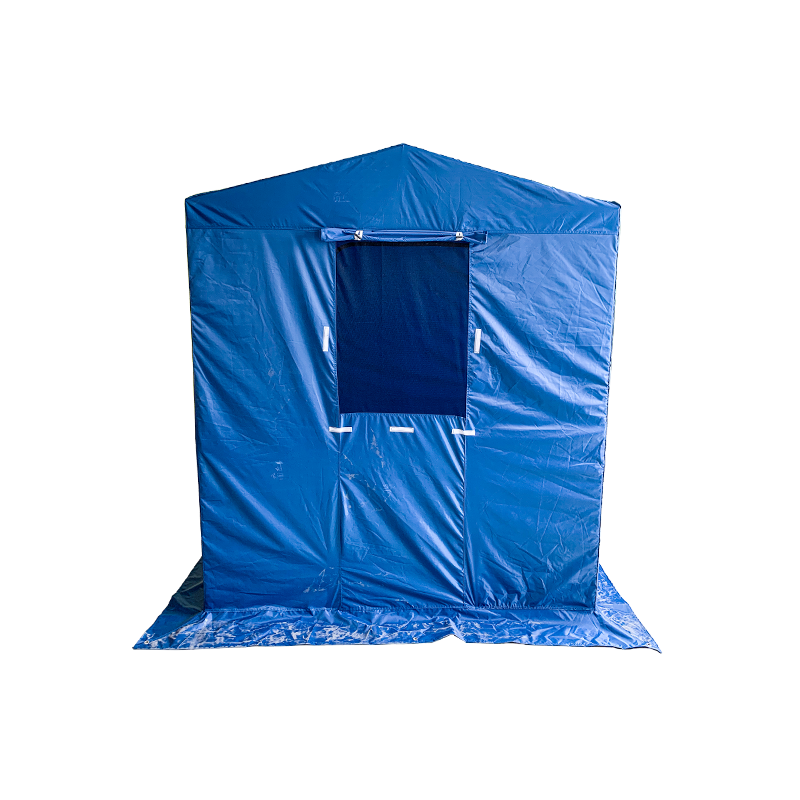 Tents for party
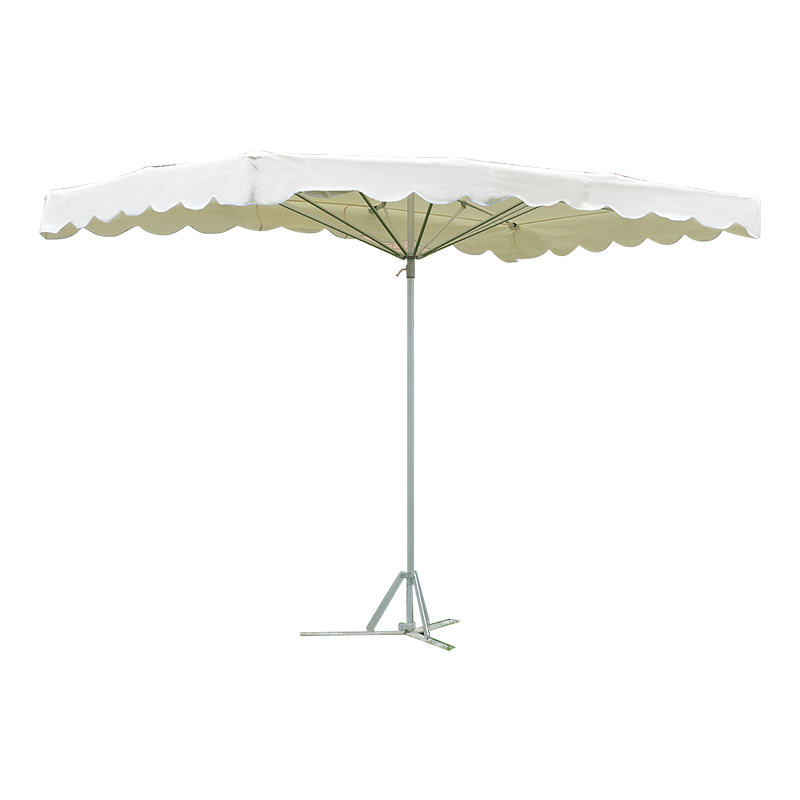 Umbrella
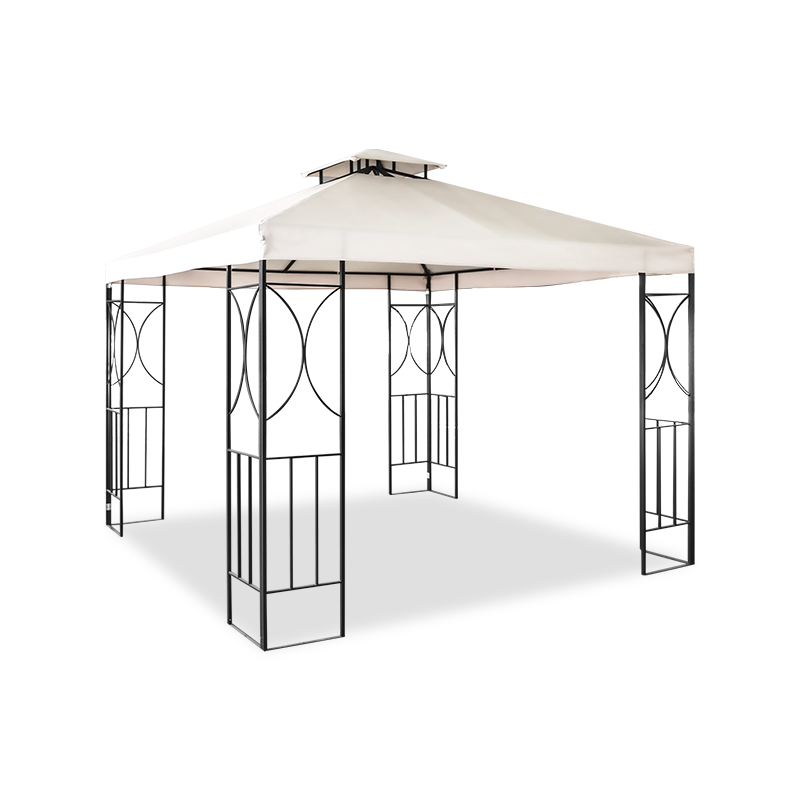 Garden gazebo for barbecue
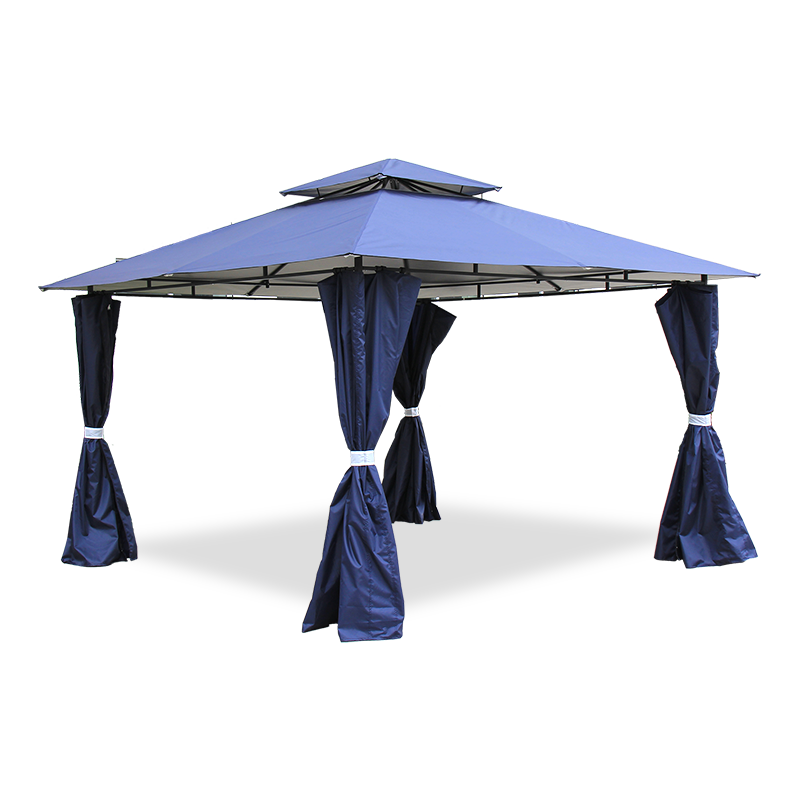 Garden gazebo for barbecue
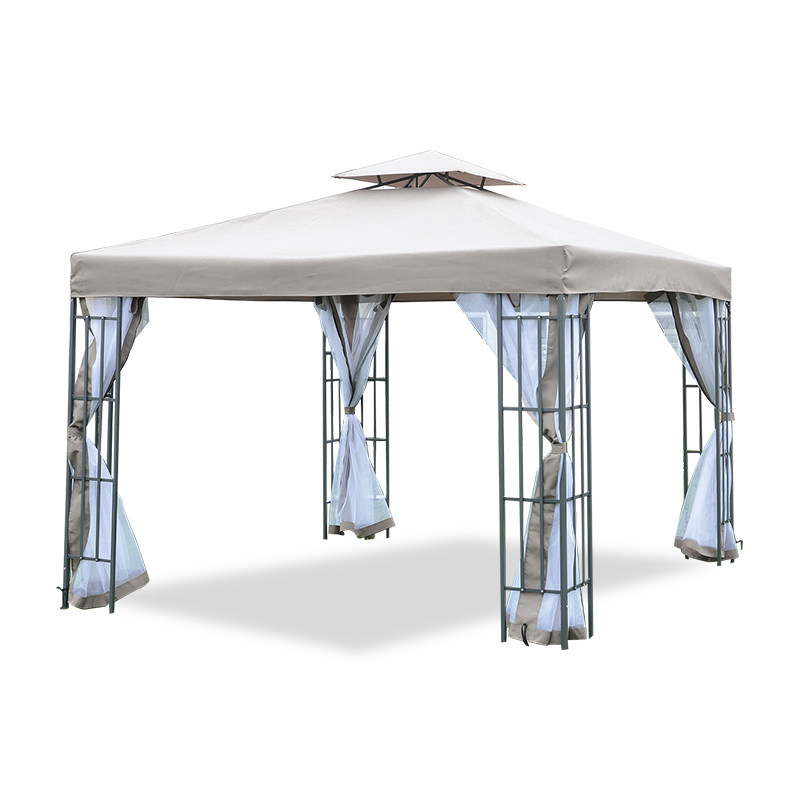 Garden gazebo for barbecue
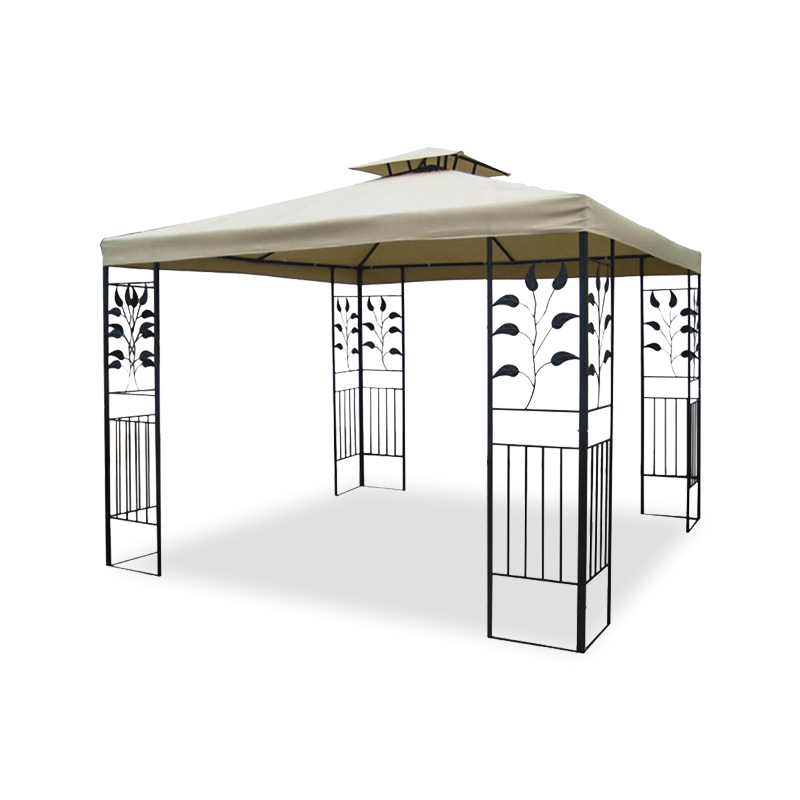 Garden gazebo for barbecue
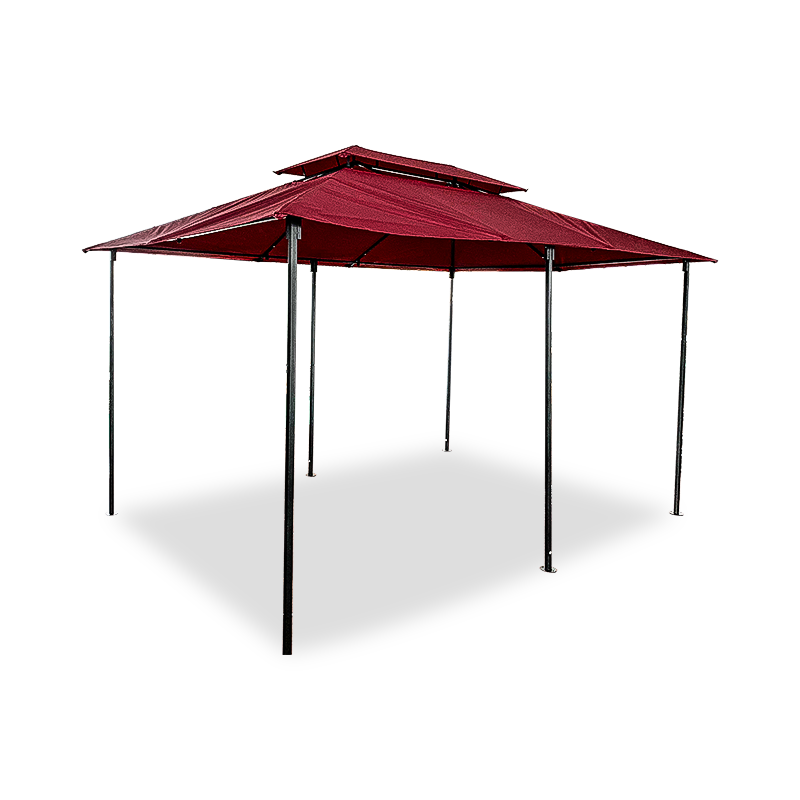 Garden gazebo for barbecue
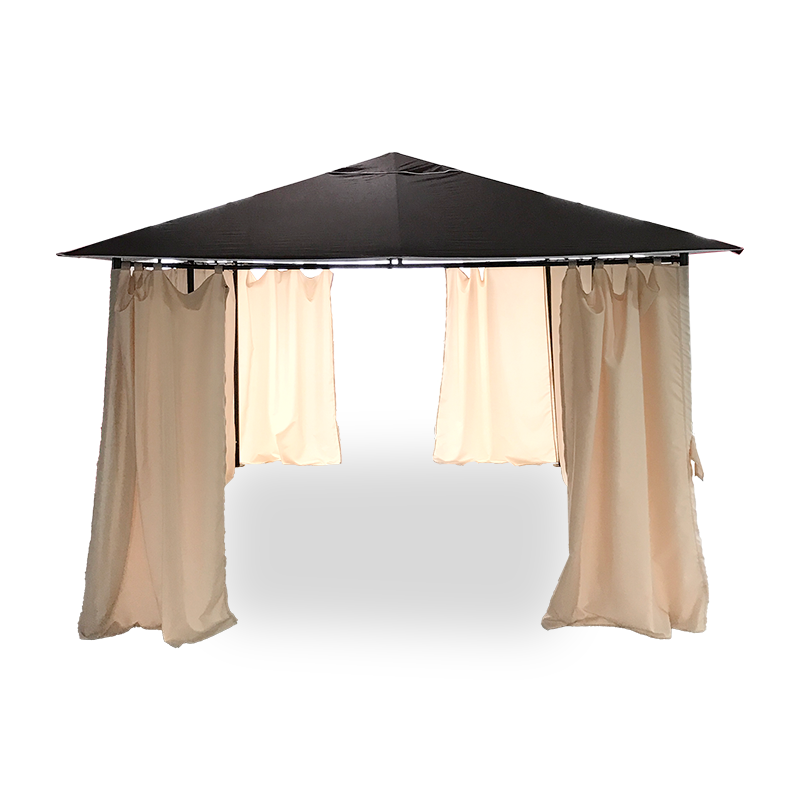 Garden gazebo for barbecue
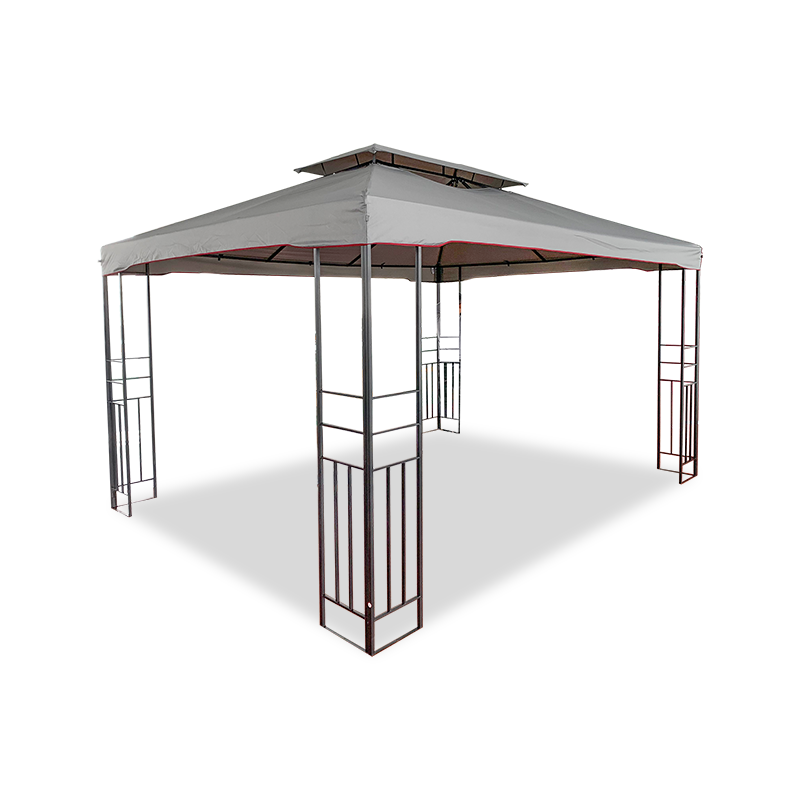 Garden gazebo for barbecue
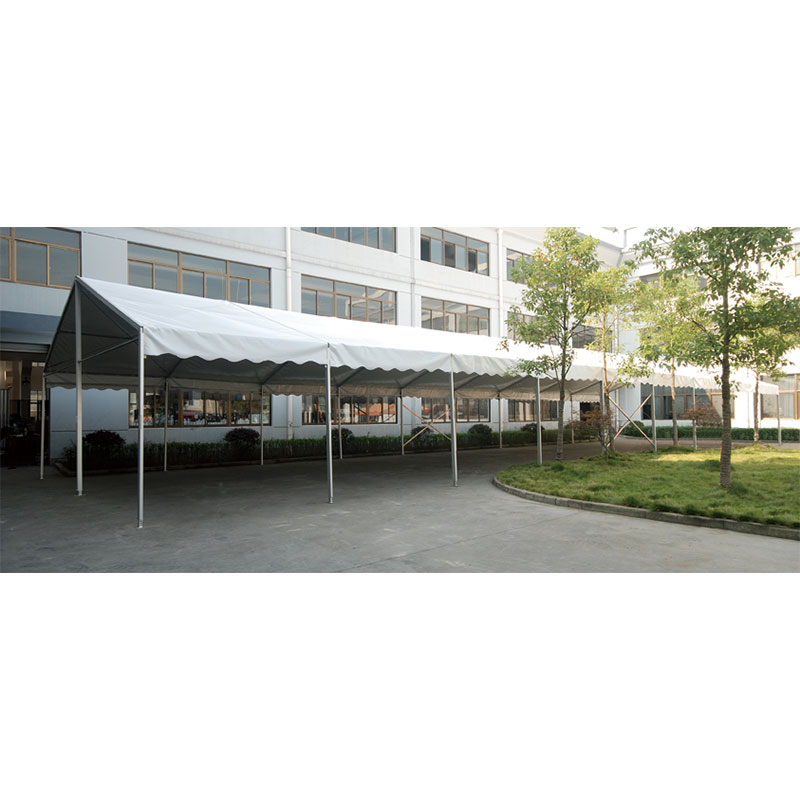 Tents for party
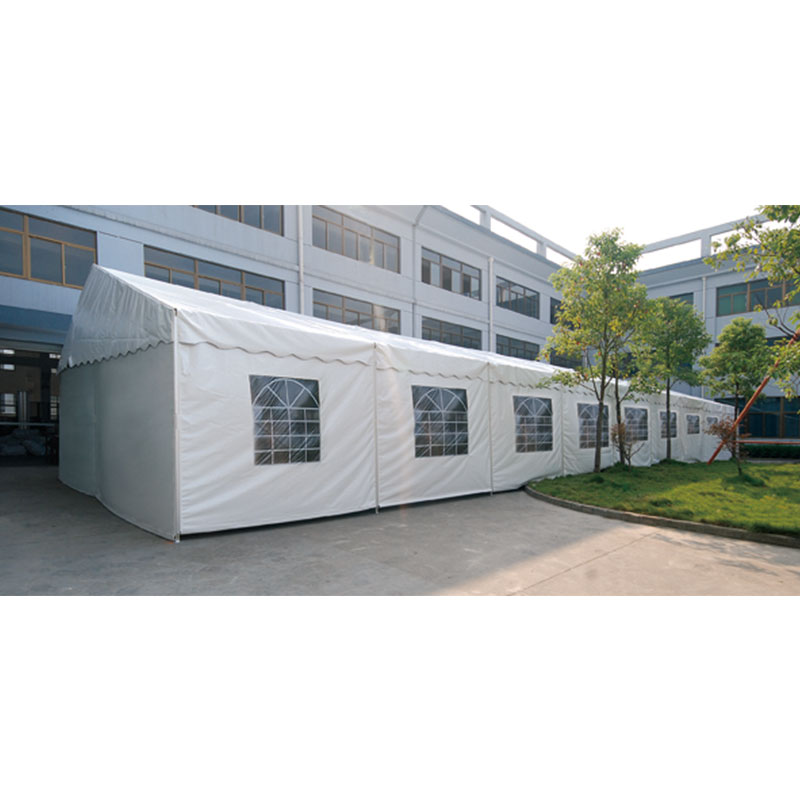 Tents for party
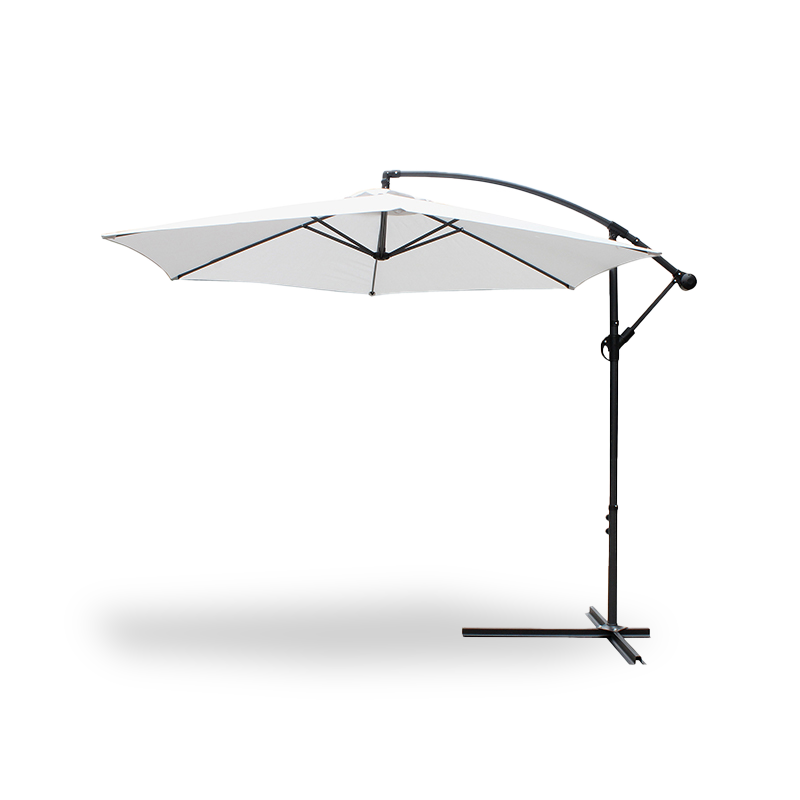 Umbrella
 Video
Video

Founded in

Industry experience

marketing network

Serving the crowd
Tents and umbrellas sit at the intersection of shelter design and outdoor mobility. Whether you're setting up a camping tent in the backcountry or deploying a large garden umbrella for a hospitality venue, both product categories share a common engineering challenge: reliable weather protection in a structure that can be moved, stored, and set up again without a maintenance crew. The range is wide — from compact pop-up tents used by hikers to heavy-duty commercial patio umbrellas and event canopies — but the underlying quality considerations overlap more than most buyers initially expect.
Waterproofing is probably the most misunderstood specification in this industry. A fabric rated at 1,500mm hydrostatic head will hold up to moderate rain. A rating of 3,000mm and above is what you want for extended downpours or high-wind rain scenarios. But the rating on the fabric is only part of the picture — seam construction, coating durability after repeated folding, and UV degradation all chip away at real-world performance over time.
At Yuyao Seasons Touring Products Co., Ltd, we maintain our own testing laboratory with equipment specifically designed to verify waterproof performance on both tents and portable hammocks before anything ships. This matters because a factory that outsources testing is working with delayed feedback — defects discovered in the field are far more costly to correct than those caught on the production line. Our lab runs hydrostatic head tests, UV aging cycles, and tensile load checks as standard, not optional, steps.
Waterproof Rating Guide (mm Hydrostatic Head)
Typical hydrostatic head benchmarks across outdoor shelter categories
A well-coated polyester canopy on a weak aluminum rib system will still fail early. Conversely, a heavy-duty frame with a low-denier canopy is also a compromise. In practice, tents and umbrella canopies are mostly made from polyester or polyethylene fabrics, with 190T, 210D, and 600D being the most common specifications for the mid-to-upper range market. The "D" (denier) number tells you the thread thickness — higher denier means heavier, more abrasion-resistant fabric.
| Fabric Spec | Typical Weight (g/m²) | Best For | UV Resistance |
|---|---|---|---|
| 190T Polyester | 60–70 | Lightweight tents, day umbrellas | Moderate |
| 210D Oxford | 100–120 | Camping tents, beach shelters | Good |
| 600D Polyester | 200–240 | Commercial umbrellas, event canopies | Excellent |
Frame materials follow a similar spectrum. Fiberglass poles are flexible and affordable — common in backpacking tents where weight matters. Steel frames offer rigidity for large canopy umbrellas but add significant shipping weight. Aluminum alloy (typically 6061 grade) hits the sweet spot for commercial and high-end consumer products: roughly 30–40% lighter than steel with comparable load-bearing capacity when properly engineered.
The overlap between tents and outdoor umbrellas is real — both provide shade, both can be made waterproof, and both have to pack down to a portable size. The difference is really in the usage scenario and setup expectations.
Capability Comparison: Camping Tent vs. Garden/Patio Umbrella
Capability radar — camping tent vs. patio umbrella across five key dimensions

Professional production of folding tents and portable hammocks 13 years of experience, your leisure yard good helper.
Copyright © Yuyao Seasons Touring Products Co., Ltd.All Rights Reserved. Custom umbrellas company
