10x30 Canopy: The Direct Answer Before The Details
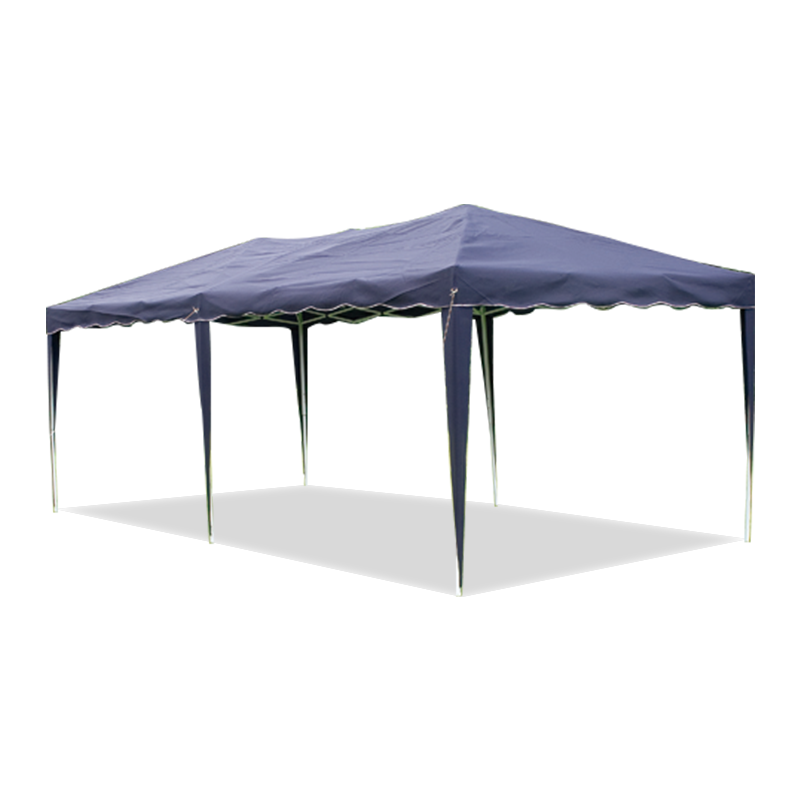
A 10x30 canopy is a long-bay shelter built from three or more connected 10x10 frame modules, creating one continuous covered span of 300 square feet without interior support poles breaking up the floor space. This canopy size sits in the middle ground between a single event tent and a full-size party tent, and it has become the default choice for vendors, contractors, and event planners who need a long rectangular footprint rather than a square one.
The short version: a properly built 10x30 canopy uses a connected multi-leg frame system, not three separate tents pushed together. The legs along the shared seams are removed and replaced by a single ridge beam, which is what turns three small tents into one unified structure. Buyers who skip this detail end up with three wobbly tents instead of one stable canopy, and that single distinction explains almost every complaint found in canopy reviews and forum threads.
Everything below covers frame construction, fabric selection, wind and snow ratings, anchoring methods, sidewall configurations, and the comparison points that actually separate a durable 10x30 canopy from one that fails after two seasons.
Frame Construction: What Makes a 10x30 Canopy Different From Three 10x10s
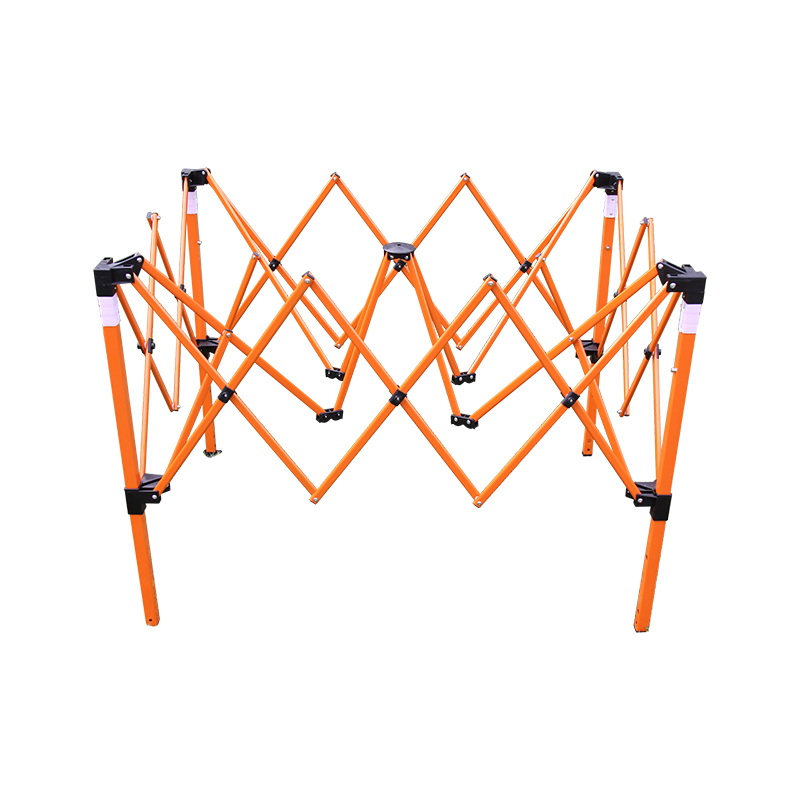
The defining engineering feature of a 10x30 canopy is the connector system at the shared bay joints. In a standard configuration, three 10x10 canopy tops are joined end to end, but the two interior seams do not get a full set of four legs each. Instead, manufacturers use one of three connector approaches:
- Shared leg connection — the two adjoining frames bolt or clamp onto a single shared leg at each interior corner, reducing the total leg count from 12 (if treated as three separate units) to 8.
- Ridge beam splice — a horizontal beam runs the full 30-foot length at the peak, distributing wind and snow load across the entire structure rather than concentrating it at each bay.
- Truss-bay framing — used on heavier-duty commercial frames, where each 10-foot bay is a true engineered truss section bolted to its neighbor, similar to how scaffolding bays connect.
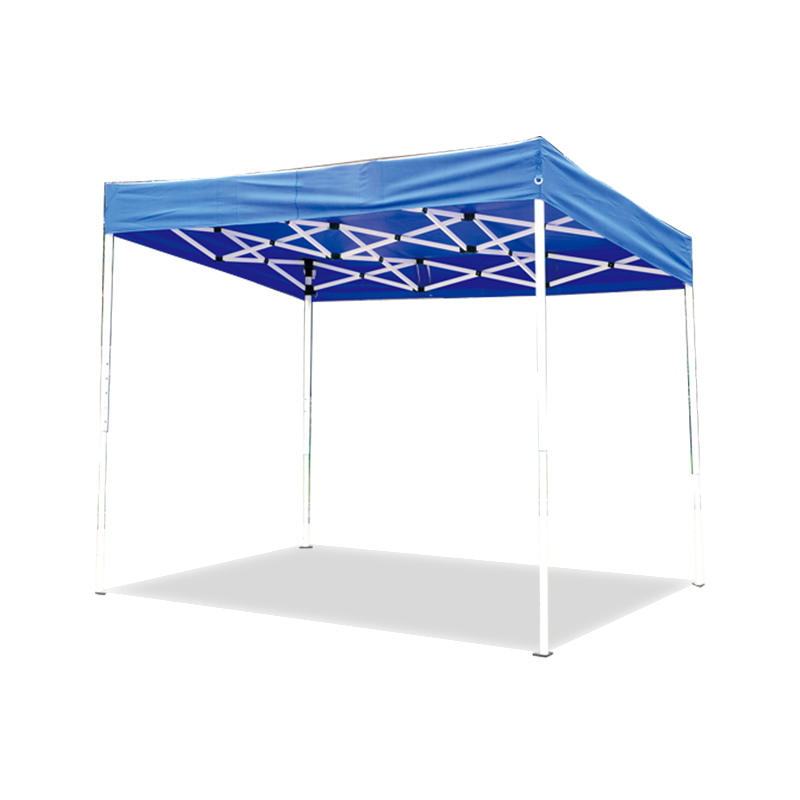
Frame tubing diameter is the second variable that determines structural integrity. Entry-level pop-up style 10x30 canopies typically use 25mm to 32mm steel or aluminum tubing. Commercial-grade frames used at farmers markets, construction sites, and equipment rental yards run 38mm to 50mm tubing, often in hex-shaped or truss-style cross sections rather than round tubing, since hex and truss profiles resist twisting under lateral wind load far better than round tubes of the same wall thickness.
Aluminum vs Steel Frame Trade-Offs
| Frame Material |
Approx. Weight (30ft frame) |
Corrosion Resistance |
Typical Use Case |
| Aluminum (hex/truss) |
90-130 lbs |
High, no rust risk |
Frequent setup/teardown, mobile vendors |
| Steel (round tube) |
160-220 lbs |
Moderate, needs galvanizing or powder coat |
Semi-permanent installs, fixed sites |
| Steel (truss/hex) |
200-260 lbs |
Moderate to high with coating |
Heavy commercial, high wind regions |
Approximate frame weights vary by gauge and brand; figures represent common ranges across commercial canopy frame listings.
Aluminum frames win on portability and rust resistance, which matters for anyone transporting a 10x30 canopy weekly to markets, fairs, or job sites. Steel frames win on raw rigidity and lower cost per linear foot, which is why steel remains common for canopies that stay anchored in one location for an entire season.
Fabric and Cover Selection for a 10x30 Canopy
The top cover on a 10x30 canopy does three jobs at once: blocks UV radiation, sheds water, and resists wind-driven flex without tearing at the seams. Fabric weight is measured in ounces per square yard (oz) or grams per square meter (gsm), and this single number predicts most of the canopy's real-world durability.
Budget
6 to 8 oz polyethylene — found on budget pop-up canopies, adequate for occasional weekend use but prone to UV brittleness within 12 to 18 months of regular sun exposure.
Mid-Range
9 to 11 oz polyester with PVC or PU coating — the most common mid-range fabric for a 10x30 canopy, balancing weight, water resistance, and a 3 to 5 year usable lifespan under normal seasonal use.
Commercial
13 oz and above vinyl-coated polyester — used on commercial and rental-grade canopies, rated for near-daily setup cycles and capable of 7+ years of service when stored dry between uses.
Seam construction matters as much as raw fabric weight. A canopy top spanning 30 feet has significantly more seam length than a single 10x10 top, so look for double-stitched and heat-taped seams rather than single-stitch construction. A single-stitch seam on a long-span cover is the most common failure point reported after the first heavy rain, since water finds the needle holes before it finds any weakness in the fabric itself.
Fire Retardant and Treatment Standards
Many commercial venues, fairgrounds, and municipal permit offices require canopy fabric that meets a recognized flame-resistance standard such as NFPA 701 or CPAI-84. This is a sourcing detail rather than a performance one: confirm with the supplier whether the fabric has been treated during manufacturing (inherent flame resistance woven into the fiber) versus topically sprayed after the fact, since topical treatments degrade faster with washing and prolonged sun exposure.
Wind Load and Snow Load Ratings on a 10x30 Footprint
Wind load is the single most misunderstood spec on any large canopy. A frame rated for 50 mph at the 10x10 scale does not automatically carry the same rating once stretched to 30 feet, because the longer ridge line creates more surface area for wind to grab and more leverage on each leg.
Reputable commercial canopy manufacturers publish wind ratings as a function of anchoring method, not as a flat number. A typical disclosure looks like this:
| Anchoring Method |
Typical Rated Wind Speed |
Notes |
| Weight bags only (sandbags/water bags) |
15-20 mph |
Suitable for paved surfaces where staking is impossible |
| Ground stakes, all legs |
30-40 mph |
Requires soft ground penetration of 12+ inches per stake |
| Stakes plus guy ropes at ridge connectors |
40-50 mph |
Recommended minimum for any outdoor 10x30 setup left overnight |
| Concrete anchors or auger ground screws |
60+ mph |
Used for semi-permanent or seasonal-long installations |
Wind ratings are illustrative ranges based on commonly published canopy anchoring guidance and vary by frame brand, gauge, and local soil conditions.
The interior connector legs on a 10x30 canopy carry more load than the corner legs, since they bear weight transferred from two bays instead of one. Any anchoring plan should treat those interior points as the priority, not an afterthought. Skipping anchors at interior legs while only staking the four outer corners is the most frequent setup mistake that leads to frame collapse in gusty conditions.
Snow Load Considerations
For anyone using a 10x30 canopy through winter months, such as at a ski rental counter or seasonal market stall, snow load capacity depends on roof pitch as much as frame strength. A peaked roof at a 1:4 or steeper slope sheds snow continuously; a low-pitch or flat-top canopy accumulates weight that a frame rated for wind alone may not be rated to hold. Manufacturers that list a separate snow load figure, usually expressed in pounds per square foot, are giving a more complete picture than wind rating alone. If snow load is not listed, a safe operating rule is to clear accumulation manually once it exceeds roughly 4 inches of wet snow or 8 inches of dry powder.
Sidewall and Configuration Options
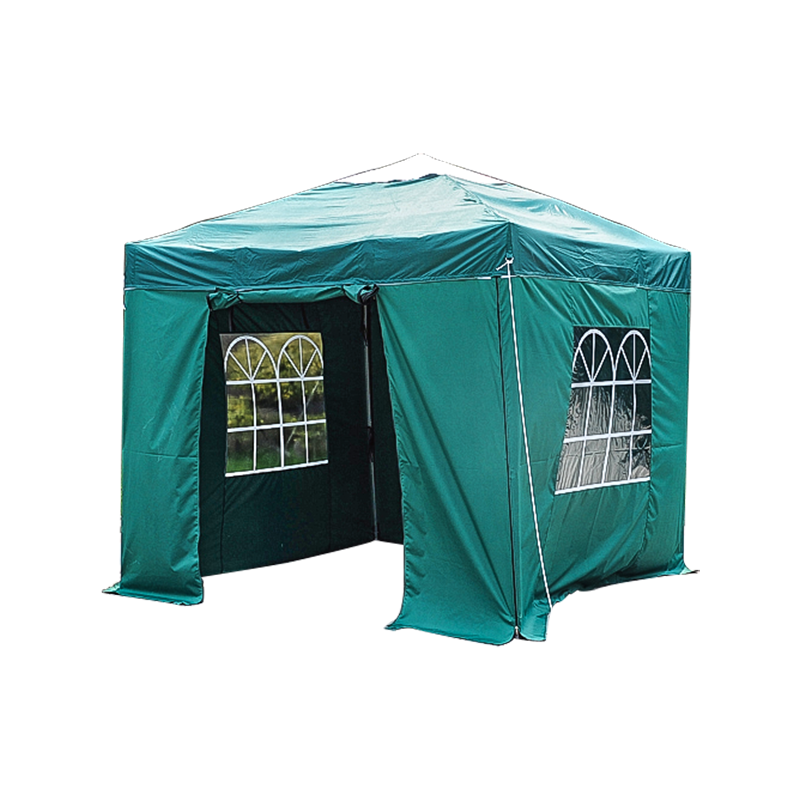
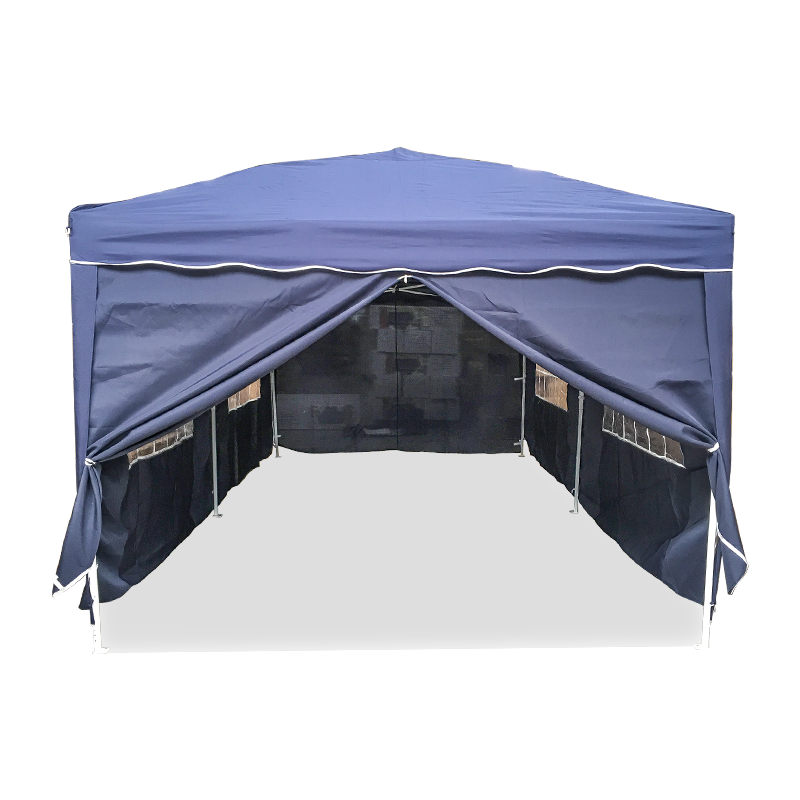
A bare 10x30 canopy frame and top is only the starting point. Sidewalls, half-walls, and end caps transform the same frame into a fully enclosed structure, a partially open market stall, or a wind-screened work zone. Common configurations include:
- Fully open — no sidewalls, maximum airflow, used for shaded seating or display tables in mild weather.
- Solid back wall with open front and sides — common for vendor booths that need a backdrop for signage or product display.
- Half-walls (typically 36 to 40 inches tall) — block wind at table height while keeping sightlines open above, popular for outdoor dining setups.
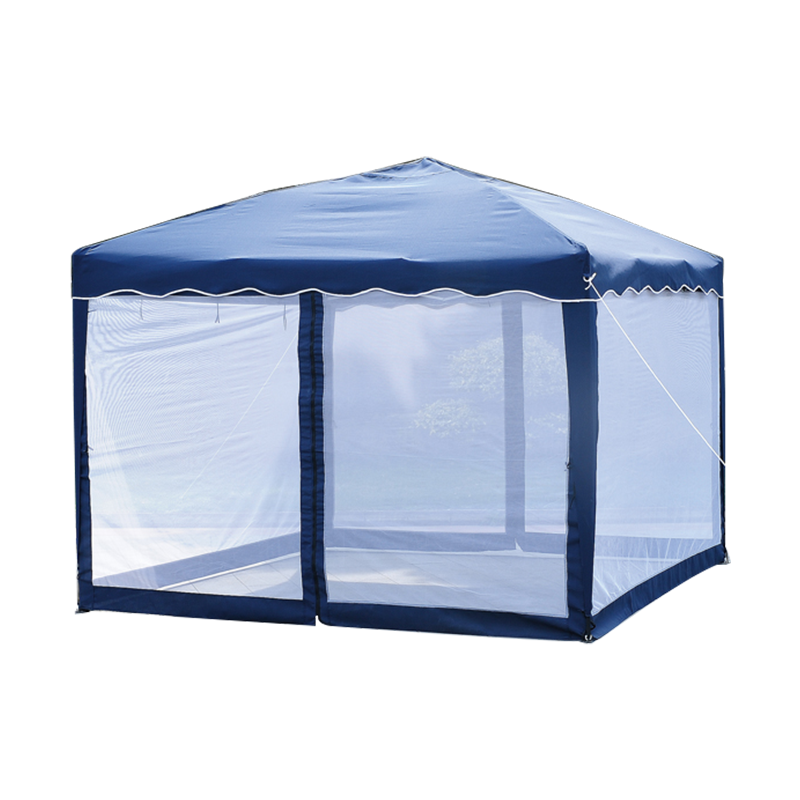
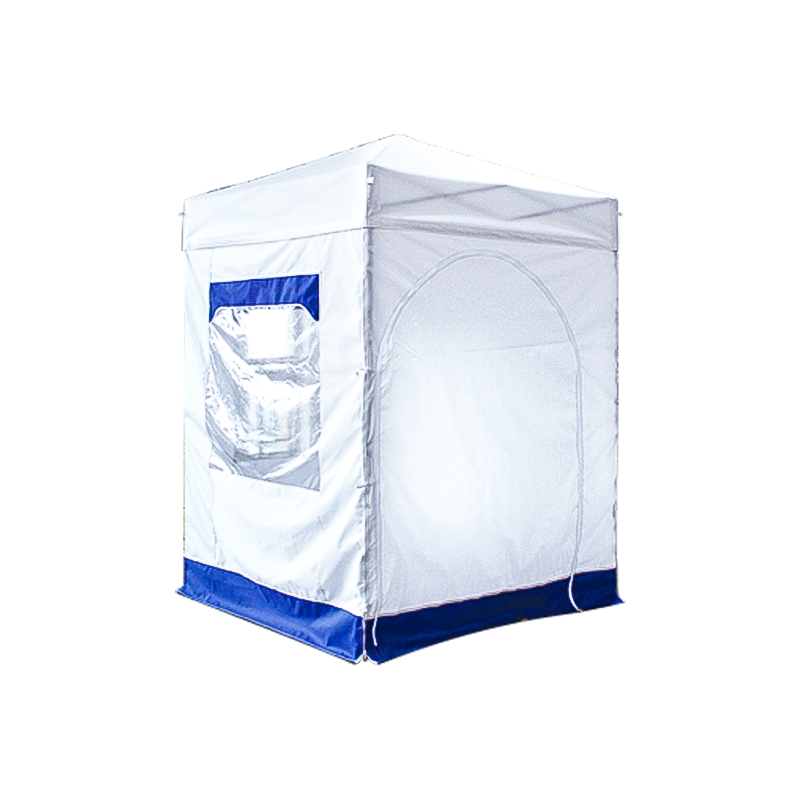
- Full enclosure with clear or mesh window panels — used for cold-weather events or sites needing weather protection on all sides.
- Roll-up door panels at one or both ends — allows vehicle or equipment access through the 30-foot length, common at construction and logistics sites.
Sidewalls attach via one of two methods: a hook-and-loop strip sewn into the wall edge that wraps around the frame leg, or a track-and-bead system where a vinyl bead slides into a channel along the frame. Track systems create a tighter, more weatherproof seal and are standard on commercial-grade canopies, while hook-and-loop is faster to install and remove but allows more wind infiltration at the seams.
Common Applications for a 10x30 Canopy
The 300-square-foot footprint of a 10x30 canopy fits a specific tier of use cases that are too large for a single pop-up tent and too small to justify a full frame tent rental. Typical applications include:
Farmers market and craft fair vendor rows, replacing three separate booths and eliminating drip-line gaps between tents.
Equipment rental yards and construction sites, sheltering tool storage or a covered walkway between buildings.
Outdoor dining extensions for restaurants, covering 6 to 10 standard tables depending on spacing.
Car dealership and trade show display rows, avoiding the visual clutter of multiple tent peaks.
Wedding and event cocktail hour space, typically as a transition between ceremony and reception tents.
Agricultural and livestock show shelters, suited to a long row of pens or display stalls.
For dining and vendor applications, capacity planning generally allows about 15 square feet per standing guest or 10 to 12 square feet per seated guest including table and chair space. At 300 square feet, that translates to roughly 20 to 25 seated guests at standard round tables, or up to 35 to 40 people in a standing reception layout.
Setup Time and Crew Requirements
Setup time for a 10x30 canopy depends heavily on frame type and crew size. Approximate figures reported across rental and event-staffing guidance:
| Frame Type |
Crew Size |
Approx. Setup Time |
| Pop-up style, connected bays |
2-3 people |
25-40 minutes |
| Bolt-together truss frame |
3-4 people |
60-90 minutes |
| Commercial frame tent, no center poles |
4-6 people |
90-150 minutes |
Setup time estimates assume a flat, prepared surface and exclude sidewall or lighting installation.
First-time setup almost always takes longer than subsequent setups, since crew unfamiliarity with connector alignment and tensioning sequence is the main variable, not the hardware itself. Most experienced crews report that setup time drops by 30 to 50 percent after the second or third assembly once the team learns the correct bay-by-bay tensioning order: center bay first, then work outward to each end, rather than starting from one end and pushing through to the other.
Storage and Maintenance Between Uses
A 10x30 canopy represents a meaningfully larger storage and maintenance commitment than a single 10x10 unit, simply due to fabric and frame volume. Practical maintenance habits that extend service life include:
- Drying the fabric top fully before folding and storing it; folding a damp cover traps moisture that leads to mildew spotting and fabric coating breakdown within a single storage season.
- Storing frame sections horizontally rather than leaning them upright, which prevents bowing of long tube sections over time.
- Lubricating connector pins and leg-locking mechanisms with a light dry lubricant before long-term storage, since corrosion at the connector pivot points is the most common cause of stiff or jammed legs on the next setup.
- Inspecting stake-down points and grommets each season for tearing, since these high-stress points fail before the main fabric body does.
- Using a dedicated rolling storage bag or bin sized for the 30-foot frame length, rather than improvised wrapping, to avoid repeated kinking at the same fold points.
What to Check Before Buying a 10x30 Canopy
Buyers comparing listings for a 10x30 canopy should look past the headline price and check these factors, which influence total cost of ownership far more than the upfront number:
Frame Gauge and Tubing Profile
Ask for the actual tubing wall thickness in millimeters, not just the outer diameter. Two frames advertised at the same 40mm diameter can have very different wall thickness, and a thin-wall tube bends permanently under load that a thick-wall tube of the same diameter would flex through and recover from.
Connector Hardware Quality
The interior bay connectors are the structural weak point on any multi-bay canopy. Look for connectors made of cast aluminum or solid steel rather than stamped sheet metal, and check whether replacement connectors are sold separately, since this is the part most likely to need replacement after years of repeated setup and breakdown cycles.
Fabric Warranty Terms
Warranty length on the fabric top is a reasonable proxy for the manufacturer's own confidence in UV and water resistance. Warranties under one year typically signal budget-tier polyethylene fabric, while three to five year fabric warranties usually accompany the heavier coated polyester or vinyl options discussed earlier.
Replacement Parts Availability
Confirm that the manufacturer or supplier sells individual replacement parts: legs, connectors, stakes, and fabric tops separately from the full kit. Canopies sold only as a complete unit with no parts support become disposable the moment one connector cracks, even though the rest of the frame may have years of usable life left.
10x30 Canopy vs Other Common Tent Sizes
Choosing between a 10x30 canopy and adjacent sizes usually comes down to footprint shape and crew capacity, not just square footage:
| Size |
Square Footage |
Best Fit |
| 10x20 |
200 sq ft |
Single vendor double-booth, small ceremony space |
| 10x30 |
300 sq ft |
Long vendor row, mid-size dining extension, equipment bay |
| 10x40 |
400 sq ft |
Larger seated dinner, four-bay commercial layout |
| 20x30 |
600 sq ft |
Square-leaning reception space, double-depth vendor area |
Square footage and use-case fit shown for common canopy and frame tent sizes adjacent to the 10x30 footprint.
The narrow 10-foot width shared by all sizes in this row is intentional: it keeps the structure within a single bay width that most pop-up and bolt-together frame systems are engineered around, while length scales modularly in 10-foot increments. This is why a 10x30 canopy is typically priced and built as three connected 10-foot bays rather than as a single custom-length structure.
Frequently Asked Questions About 10x30 Canopies
How many people can stand under a 10x30 canopy?
Using a standing-capacity estimate of roughly 8 to 10 square feet per person for a comfortable reception-style layout, a 300-square-foot 10x30 canopy comfortably holds between 30 and 37 people standing. Capacity drops once tables, a bar, or display fixtures are added.
Can a 10x30 canopy be left up permanently?
Pop-up style frames are generally not designed for permanent outdoor installation; repeated UV exposure and wind cycling will shorten fabric and frame life significantly faster than seasonal use. Commercial-grade frame tents with heavier tubing, anchored with ground augers or concrete footings, are built for season-long or multi-season standing installations.
Do I need a permit to set up a 10x30 canopy?
Permit requirements vary by jurisdiction and are typically tied to total covered square footage, proximity to public right-of-way, and whether the canopy will host a public gathering. Local fire and building departments are the correct source for jurisdiction-specific requirements rather than general guidance.
What is the typical price range for a 10x30 canopy?
Pricing varies widely by frame material, fabric weight, and brand, generally falling into a budget tier for light pop-up frames and a significantly higher commercial tier for heavy-gauge truss frames with premium coated fabric. Buyers should request itemized quotes covering frame, top, sidewalls, and stakes separately to make accurate comparisons across suppliers.
How long does a 10x30 canopy fabric top typically last?
Service life depends on fabric weight and UV exposure as detailed earlier: light polyethylene tops commonly last 1 to 2 seasons of regular outdoor use, mid-weight coated polyester tops last 3 to 5 years, and heavy commercial-grade vinyl-coated tops can exceed 7 years with proper storage between uses.
Can a single person set up a 10x30 canopy alone?
Due to the length and weight of a 30-foot connected frame, setup is strongly recommended with at least two people, and three or more for bolt-together or commercial-grade frames. Attempting solo setup increases both setup time and the risk of frame misalignment at the bay connectors.

 English
 Español