
 English
 Español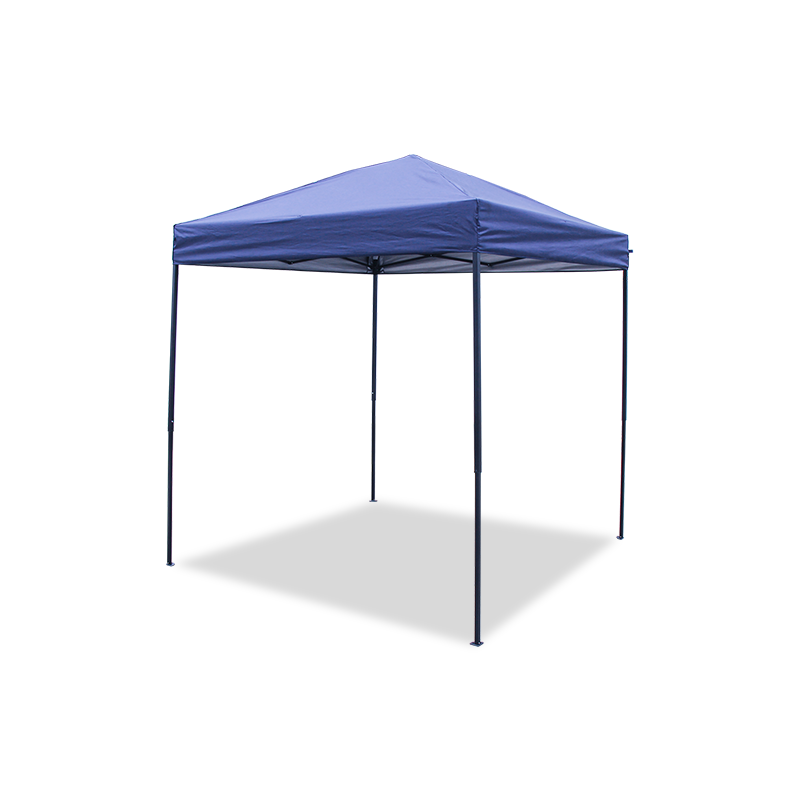
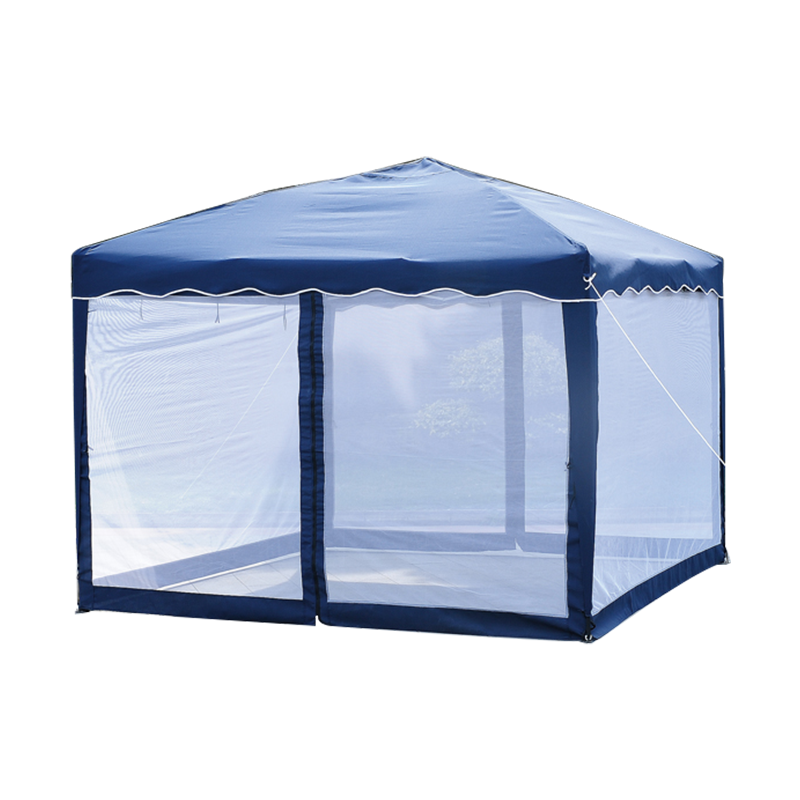
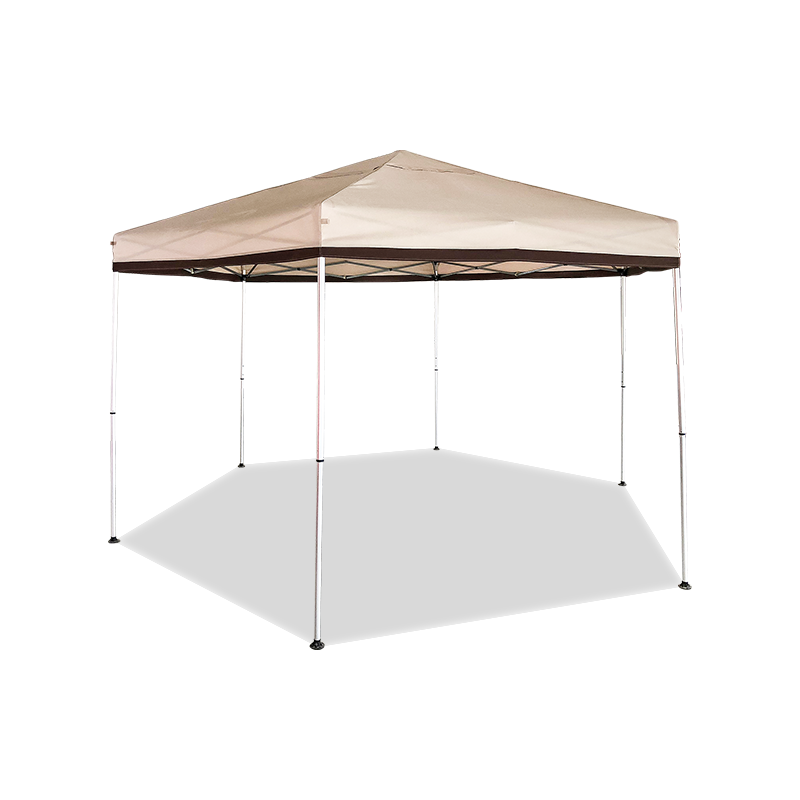
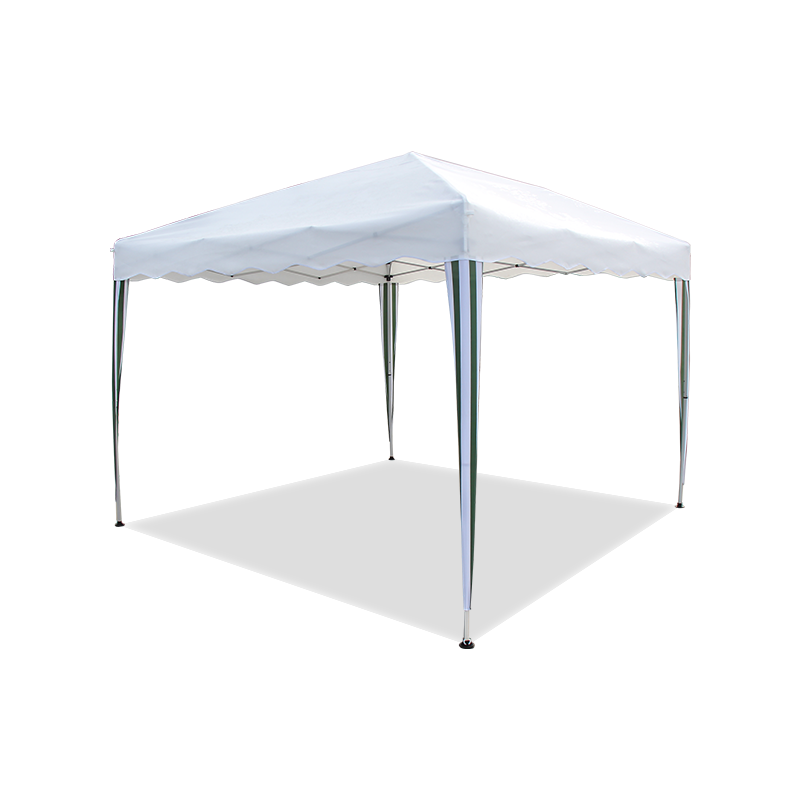
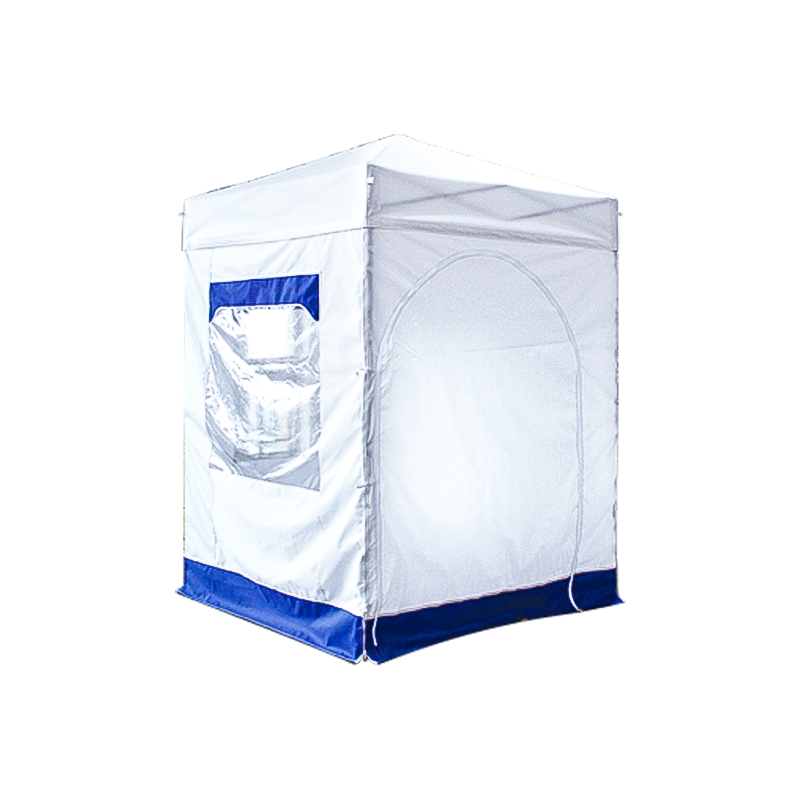
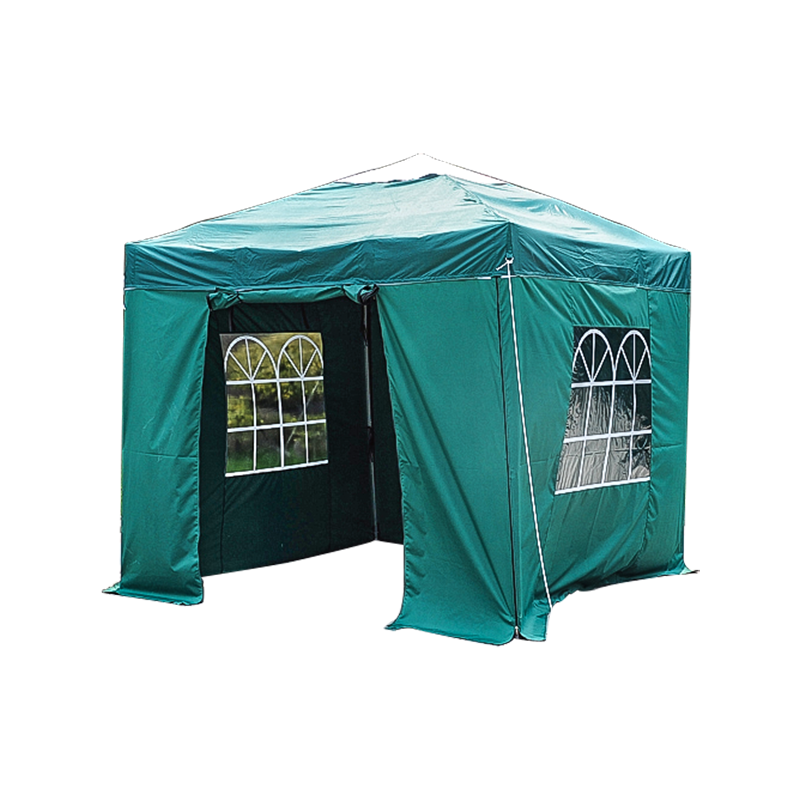
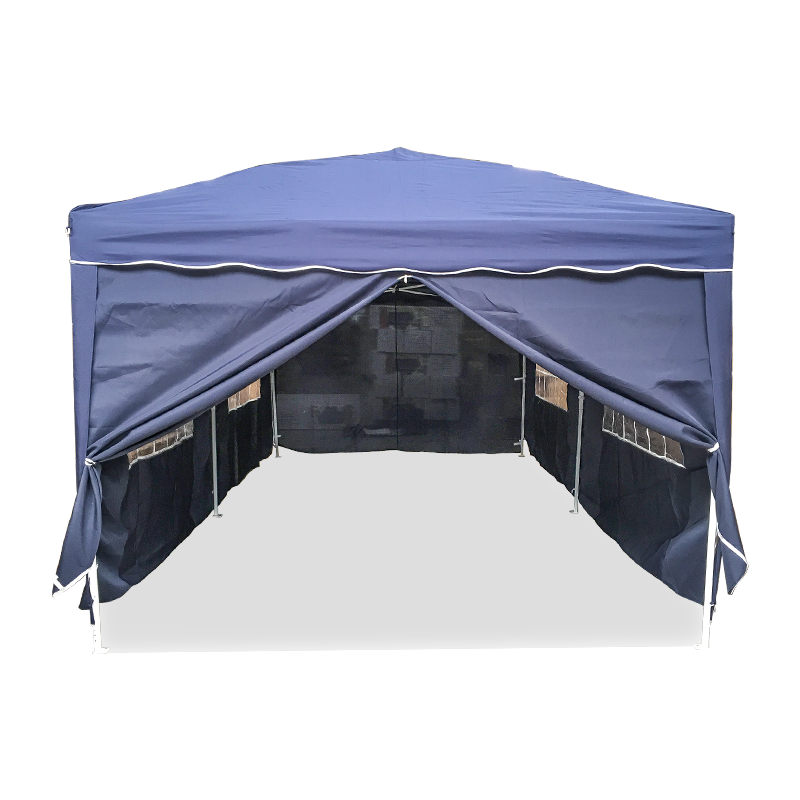
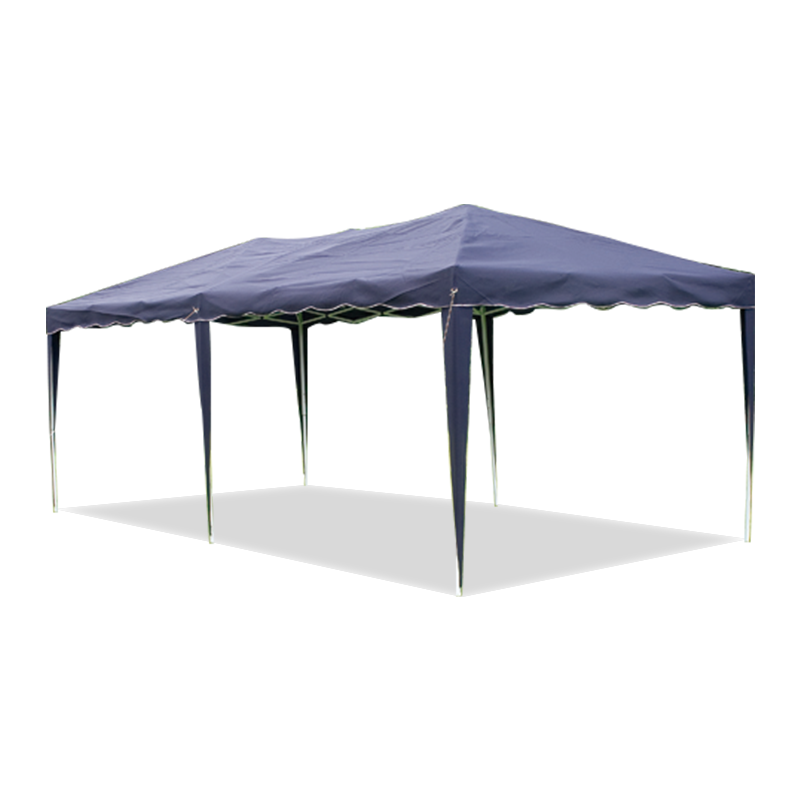
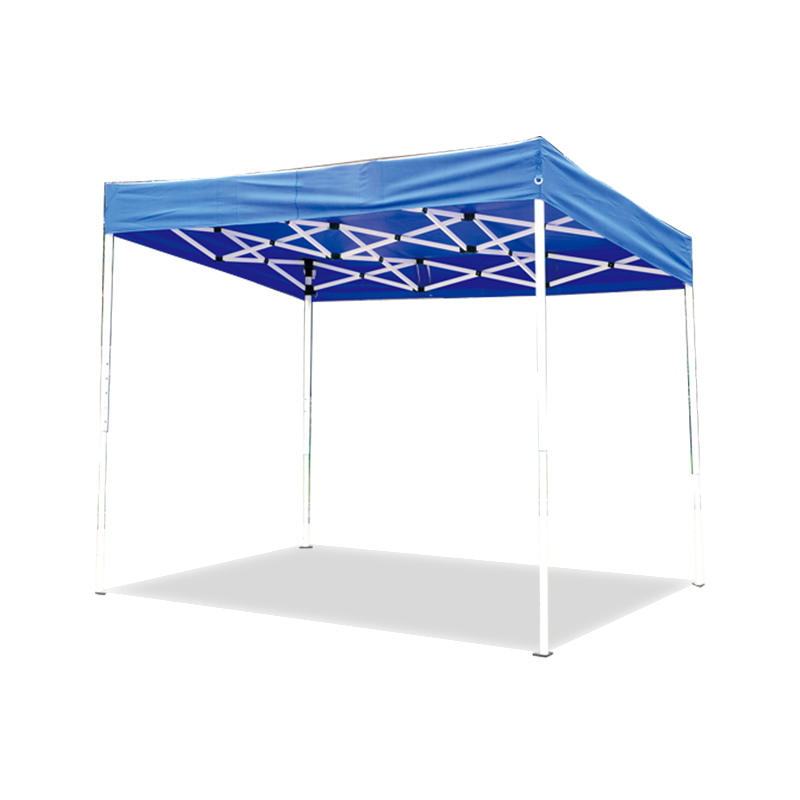
Customer expresses intent; Communicate between the two parties; Provide analysis reports to customers; Reach a cooperation intention.
Content
- 1 The Straight Answer: When And How To Replace A Canopy Cover
- 2 Materials Used In Canopy Replacement Covers
- 3 Five Signs Your Canopy Cover Needs Replacing
- 4 Measuring Your Frame Before Ordering A Replacement Cover
- 5 Understanding UV Protection Ratings For Canopy Fabric
- 6 Waterproof Ratings Explained: What The Numbers Mean
- 7 Matching Replacement Covers To Frame Styles
- 8 Installing A Replacement Canopy Cover Correctly
- 9 Extending The Lifespan Of A New Canopy Cover
- 10 Cost Factors That Affect Replacement Cover Pricing
- 11 Frequently Asked Questions
The Straight Answer: When And How To Replace A Canopy Cover
A canopy replacement cover is worth buying the moment the original fabric starts to sag, tear along the seams, or let sunlight through in visible pinholes, and the frame itself is still straight and sound. Replacing only the fabric shell, rather than the whole structure, typically costs between one third and one half of a new canopy while restoring full shade and rain protection. A frame can last ten to fifteen years, while the fabric cover usually needs replacing every two to five years depending on climate exposure, fabric grade, and how often the canopy is folded and stored.
The rest of this guide walks through fabric choices, how to measure a frame correctly, what waterproof and UV numbers actually mean, and how to install and maintain a new cover so it earns its full service life.
2-5years typical fabric lifespan
30-50%cost saved versus full replacement
98%of frames outlast their first cover
Materials Used In Canopy Replacement Covers
Fabric choice is the single biggest factor in how long a replacement canopy cover survives outdoors. Four materials dominate the market, and each suits a different combination of budget, climate, and use case.
| Material | Typical Weight | Strength | Best Use |
|---|---|---|---|
| Polyethylene (PE) | 140-180 gsm | Moderate | Budget backyard and event canopies |
| Polyester with PU coating | 160-200 gsm | Good | Home patios and market stalls |
| PVC coated polyester | 400-650 gsm | High | Commercial canopies and carports |
| Oxford weave fabric | 300-500 denier | High | Frequent fold and travel canopies |
Coating matters as much as the base fiber. A polyester fabric with a polyurethane or acrylic coating resists mildew far better than an uncoated weave, while a PVC coated fabric adds the most abrasion resistance for canopies that get bumped, dragged, or folded daily on a job site.
Five Signs Your Canopy Cover Needs Replacing
Fabric fails before frames do in almost every canopy structure. Watch for these signals rather than waiting for a full tear during a storm.
01
Pinhole light spots appearing across the roof panel, a sign the coating has broken down under ultraviolet exposure.
02
Fading and chalking, where the fabric surface turns powdery and rubs a white residue onto your hand.
03
Seam stitching pulling loose or thread visibly fraying at the corners and ridge lines.
04
Water pooling and sagging in the center panel instead of shedding off the slope.
05
A musty odor or dark mildew spotting that scrubbing no longer removes.
Measuring Your Frame Before Ordering A Replacement Cover
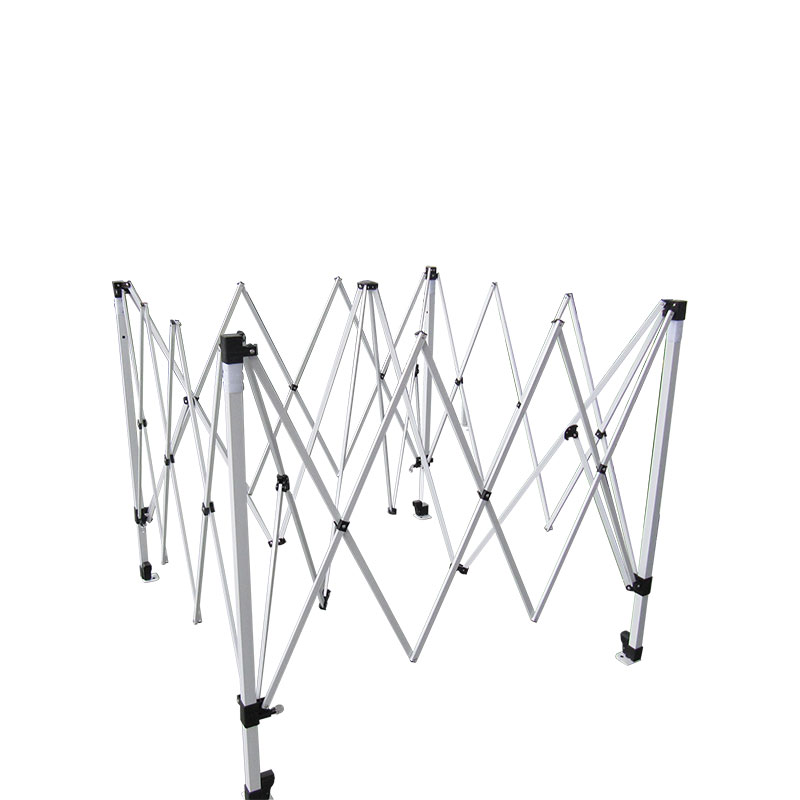
Replacement covers are sold by frame footprint, not by the size printed on the old cover, since fabric stretches over years of use. Take these four measurements with the frame fully open.
- Measure leg to leg across the base at ground level, in both directions if the canopy is rectangular.
- Measure the peak height from the ground to the top of the center ridge or hub.
- Count the number of roof panels and rib arms, since valance style and vent cutouts depend on this.
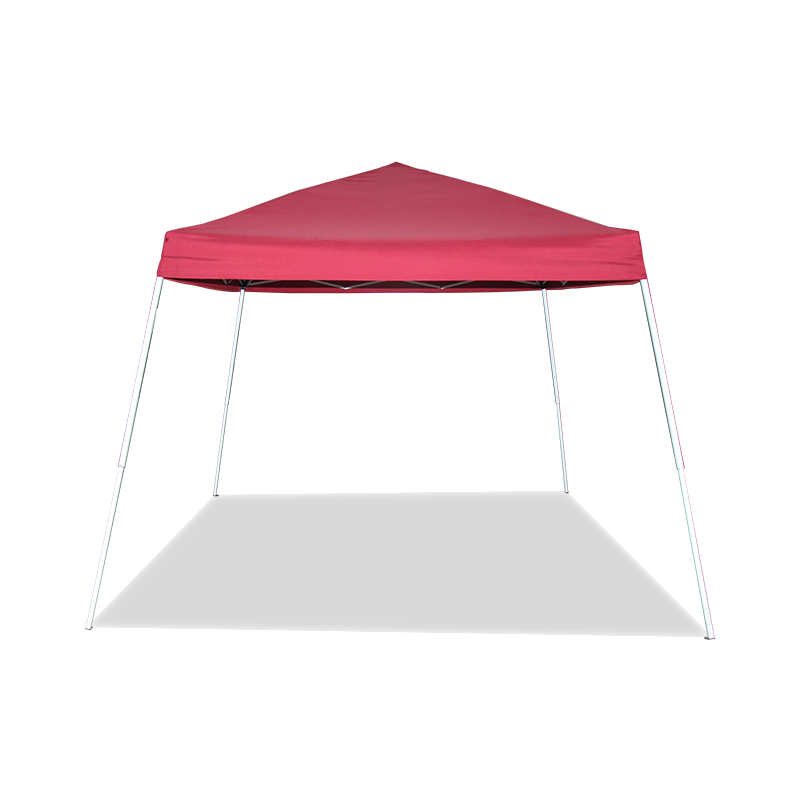
- Check whether the frame uses a slant leg or a straight leg design, as the roof pitch differs between the two.
Order one size up rather than down when a measurement falls between two standard sizes. A cover that is slightly generous can be tensioned tighter with the corner straps, while a cover that is even an inch short will not stretch over the hub and ribs.
Understanding UV Protection Ratings For Canopy Fabric
50+common UPF rating on treated outdoor canopy fabric
A UPF rating describes how much ultraviolet radiation passes through the fabric to reach whatever sits underneath it. A UPF 50 fabric blocks roughly 98 percent of ultraviolet rays, while an untreated or heavily faded fabric can drop well below UPF 15 once its coating has broken down.
Darker solution dyed fabrics tend to hold their UV block longer than printed or surface dyed fabrics, because the pigment runs through the fiber itself rather than sitting on top of it. When a replacement cover starts to feel warmer underneath than it used to, that warmth is often the first sign the UV coating has thinned.
Waterproof Ratings Explained: What The Numbers Mean
Waterproofing is measured in a hydrostatic head, expressed in millimeters of water column, which tests how much pressure a fabric resists before water begins to seep through.
| Water Column Rating | Practical Meaning |
|---|---|
| Below 800 mm | Water resistant only, suited to light drizzle and shade use |
| 1000-1500 mm | Handles steady rain if the roof pitch sheds water well |
| 2000 mm and above | Holds up under heavy or prolonged downpours |
A high water column rating only holds up if the seams are taped or double stitched with a coated thread. Even the most waterproof panel fabric will leak along a plain stitched seam during sustained rain, so seam treatment deserves equal attention to the fabric rating itself.
Matching Replacement Covers To Frame Styles
The cover pattern has to match the frame geometry exactly, since a canopy cover cut for one frame style will not seat properly on another, even at the same footprint size.
| Frame Style | Roof Profile | Typical Setting |
|---|---|---|
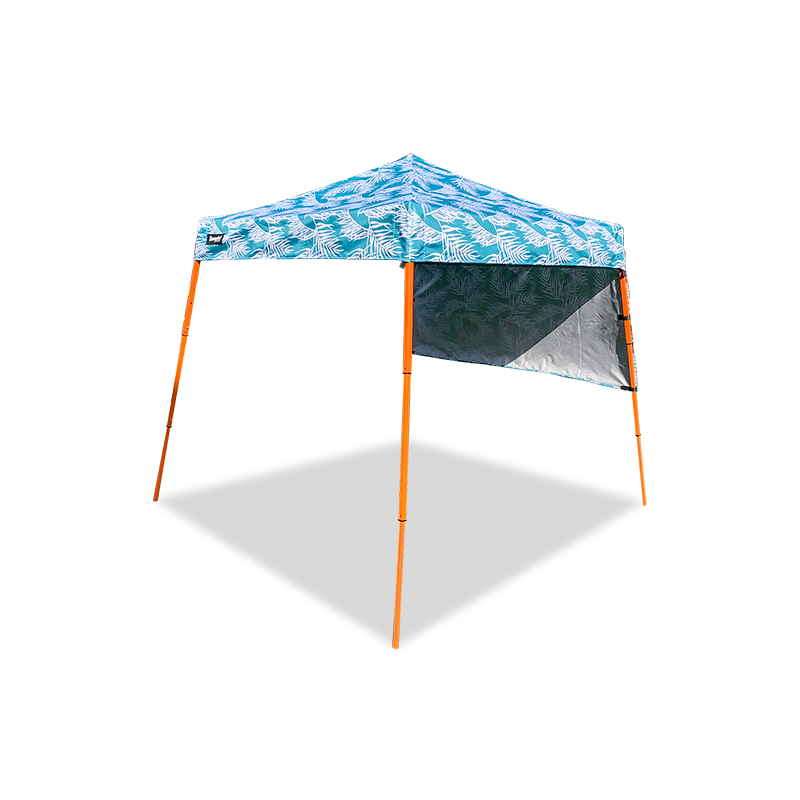
| Slant leg pop-up | Single peak, angled legs | Markets, fairs, mobile vending |
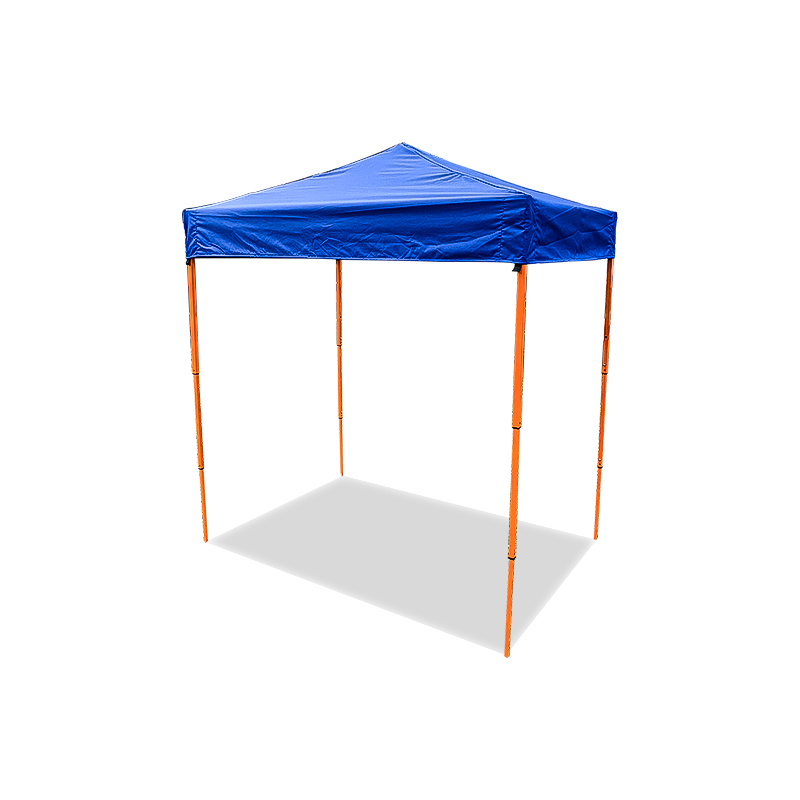
| Straight leg pop-up | Single peak, vertical legs | Trade shows, sports sidelines |
| Double or triple truss | Multiple ridge peaks | Extended patios and carports |
| Dome or arched frame | Rounded, no center peak | Garden gazebos and greenhouses |
Installing A Replacement Canopy Cover Correctly
A
Open the frame to roughly seventy percent of full height before fitting the new cover, so the fabric slides on without excess strain on the seams.
B
Center the roof panel over the hub first, aligning any printed logo or vent cutout with the front of the frame.
C
Slide the corner pockets or Velcro straps down each leg evenly, working diagonally opposite corners rather than one side at a time.
D
Raise the frame to full height gradually, checking that the fabric tensions evenly without one corner pulling tighter than the rest.
E
Secure valance clips or side wall attachments last, once the roof panel sits flat with no wrinkling across the peak.
Extending The Lifespan Of A New Canopy Cover
A new replacement cover can outlast the previous one by several years with a short seasonal routine.
- Rinse dust and pollen off with a hose before it hardens into the weave, ideally every few weeks during pollen season.
- Let the fabric dry completely before folding it down for storage, since trapped moisture is the main cause of mildew spotting.
- Fold along the factory crease lines rather than random folds, which prevents new stress cracks in the coating.
- Lower or remove the cover ahead of forecast wind gusts above highway speed, since wind load causes more fabric failures than sun exposure.
- Reapply a fabric grade UV spray once a season on covers used in intense summer sun, which slows chalking and color fade.
Cost Factors That Affect Replacement Cover Pricing
Four variables move the price of a replacement canopy cover more than any others.
| Factor | Effect On Price |
|---|---|
| Fabric weight and coating | Heavier PVC coated fabric costs more than light PE sheeting |
| Custom printing or color match | Branded or dye matched panels add setup cost |
| Panel count and vent features | Vented peaks and side walls add sewing labor |
| Frame footprint size | Larger canopies use proportionally more fabric |
Frequently Asked Questions
Can I put a new canopy cover on an old frame
Yes, as long as the frame is not bent, rusted through, or missing hub pieces. Check that every leg locks straight and the ribs open fully before ordering a cover, since a slightly warped frame will strain a brand new fabric panel the same way it strained the old one.
How do I know my canopy size if the tag has worn off
Measure the frame directly rather than relying on memory of the box size, since fabric names like ten by ten often refer to the outer footprint rather than the roof panel itself. Leg to leg ground measurements are the most reliable reference.
Is a thicker fabric always better
Not always. A heavier PVC coated fabric resists tearing and abrasion but also adds weight that stresses lightweight pop-up frames over time. Match fabric weight to the frame's rated load rather than choosing the heaviest option available.
Why does my new cover look loose compared to the original
New woven fabric often needs one or two open and close cycles to relax into its final shape. If looseness continues after several uses, check that corner straps or Velcro pockets are pulled all the way down each leg.
Can a replacement cover be repaired instead of replaced
Small tears away from seams can be patched with a matching fabric tape, which buys extra seasons of use. Once fading, chalking, or seam failure spreads across multiple panels, patching becomes a short term fix rather than a lasting one.

