
 English
 Español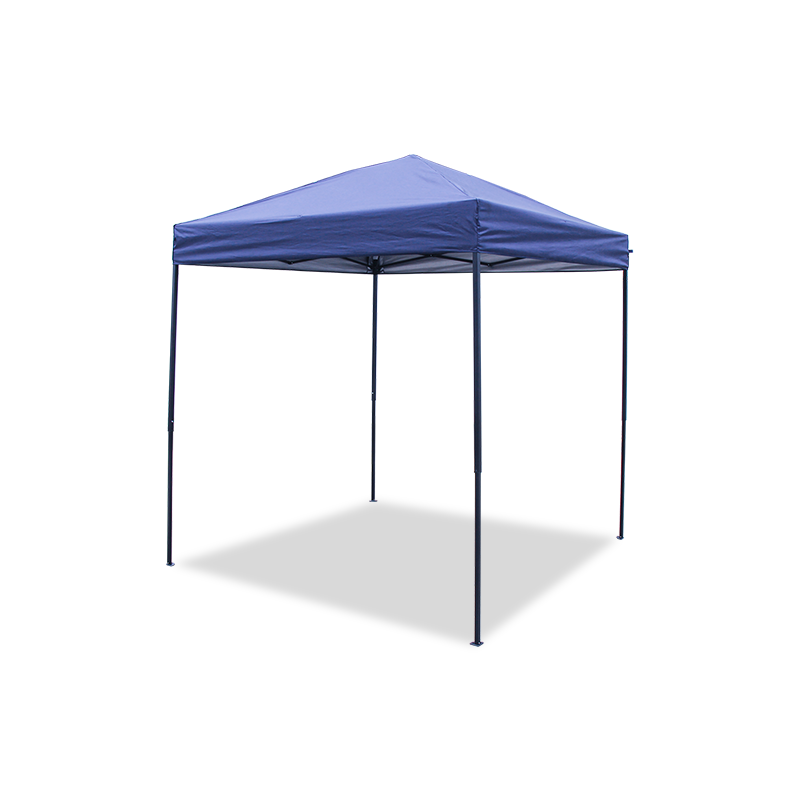
Customer expresses intent; Communicate between the two parties; Provide analysis reports to customers; Reach a cooperation intention.
Content
- 1 What a Heavy Duty 10x20 Canopy Replacement Cover Actually Needs to Do
- 2 Fabric Weight and Material Type: Reading the Numbers That Matter
- 3 Matching a Replacement Cover to Slant-Leg and Straight-Leg 10x20 Frames
- 4 Step-by-Step: Measuring Your Frame Before Ordering
- 5 UV Resistance and Waterproof Ratings: What the Numbers on the Listing Mean
- 6 Coating Types Compared: PE, PVC, and Coated Polyester
- 7 Choosing by Climate: Coastal, Desert, Snow, and High-Wind Regions
- 8 Fitting and Installing a Replacement Cover Correctly
- 9 Anchoring and Accessory Choices That Protect the Cover Itself
- 10 Maintenance Habits That Add Years to a Heavy Duty Cover
- 11 Common Mistakes When Buying a Replacement Cover
- 12 Repair or Replace: Deciding When Patching No Longer Makes Sense
- 13 Quick Buyer's Checklist
- 14 Frequently Asked Questions
- 14.1 How do I know if I need a slant-leg or straight-leg replacement cover?
- 14.2 What fabric weight actually counts as heavy duty for a 10x20 cover?
- 14.3 Can a heavy duty cover be left up year-round?
- 14.4 Why do grommets tear out even on a heavy duty cover?
- 14.5 Is a double-layer PE cover as durable as a PVC-coated polyester cover?
- 14.6 How often should a heavy duty canopy cover be replaced?
- 14.7 Does color affect how long a heavy duty cover lasts?
- 14.8 What wind speed can a properly anchored heavy duty canopy handle?
- 14.9 Are welded seams always better than sewn seams?
- 14.10 Can I use a universal-fit cover instead of a frame-specific one?
What a Heavy Duty 10x20 Canopy Replacement Cover Actually Needs to Do
A heavy duty 10x20 canopy replacement cover has one job that matters more than any other: it has to outlast the frame it sits on. Most factory-issued covers that ship with mid-range 10x20 canopies are built from thin polyethylene sheeting rated between 5 and 7 ounces per square yard, which is fine for a weekend market stall but tears within a season or two of daily sun and wind exposure. A genuinely heavy duty replacement starts at 12 ounces per square yard and climbs to 16-18 ounces for covers meant to survive multi-season commercial use, storage yards, or coastal wind conditions.
The short answer for anyone shopping right now: look for a cover listed at 12oz+ fabric weight, a woven polyester or polyethylene base with a double-sided coating, welded (not sewn) seams, and grommet spacing no wider than 18 inches apart. Anything lighter or with sewn-only seams should be treated as a light-duty product regardless of how the listing markets it.
The rest of this guide works through every variable that separates a cover that survives one storm season from one that survives eight: fabric weight and weave, coating chemistry, frame-specific cuts, waterproof and UV ratings, climate-specific selection, anchoring, maintenance, and the point at which repairing an existing cover stops making financial sense compared to replacing it. Each section stands on its own, so a reader who already knows their frame style can skip ahead to fabric or coating comparisons, and a reader starting from scratch can work through it in order.
Fabric Weight and Material Type: Reading the Numbers That Matter
Canopy fabric is sold by weight per square yard, and this single number tells you more about durability than almost any other spec on a listing. Lightweight event tent tops sit around 200 denier and 5-7oz. Heavy duty replacement covers built for repeated setup, storage lot use, or semi-permanent installation typically run in the following ranges:
| Fabric Class | Weight (oz/sq yd) | Typical Use | Expected Lifespan |
|---|---|---|---|
| Light Duty | 5oz - 7oz | Occasional weekend use | 1 - 2 seasons |
| Mid Duty | 8oz - 11oz | Weekly markets, food trucks | 2 - 4 seasons |
| Heavy Duty | 12oz - 16oz | Daily commercial or storage lot use | 4 - 8 seasons |
| Extra Heavy Duty | 17oz - 22oz | Coastal, high-wind, semi-permanent | 6 - 10 seasons |
Weight alone does not tell the whole story. A 12oz woven polyester base with a PVC or PE coating on both sides will outperform a 14oz single-layer PE sheet, because the coating is what actually resists moisture, mildew, and UV breakdown. Woven scrim fabrics also resist tearing at the grommet points far better than unwoven vinyl-style sheeting, which is the failure point that ends most canopy cover lifespans early.
Weave Density and Thread Count
Beyond weight, weave density affects how a fabric handles point loads like wind gusts pulling on a single grommet. A tighter weave, often described as a higher denier count per thread combined with a higher thread density, spreads stress across more fibers before it reaches the point of tearing. Two fabrics can carry the same ounce-per-square-yard rating and still perform differently in a storm because one uses fewer, thicker threads and the other uses more, finer threads woven more densely. Listings rarely publish thread count directly, but a fabric described as "ripstop" weave usually indicates a reinforced grid pattern woven into the base cloth specifically to stop small tears from spreading into larger ones.
Base Material: Polyethylene vs Woven Polyester
Two distinct base materials get marketed as heavy duty. Polyethylene (PE) laminate covers are built by fusing layers of plastic sheeting, sometimes with a woven scrim sandwiched between layers for tear resistance. Woven polyester covers start with an actual textile, spun and woven from polyester fiber, which is then coated. Woven polyester generally handles folding, UV exposure, and grommet stress better over multi-year use, while PE laminate tends to be lighter and less expensive up front. For a cover expected to survive more than three seasons in continuous outdoor use, woven polyester with a quality coating is usually the better long-term value even at a higher purchase price.
Matching a Replacement Cover to Slant-Leg and Straight-Leg 10x20 Frames
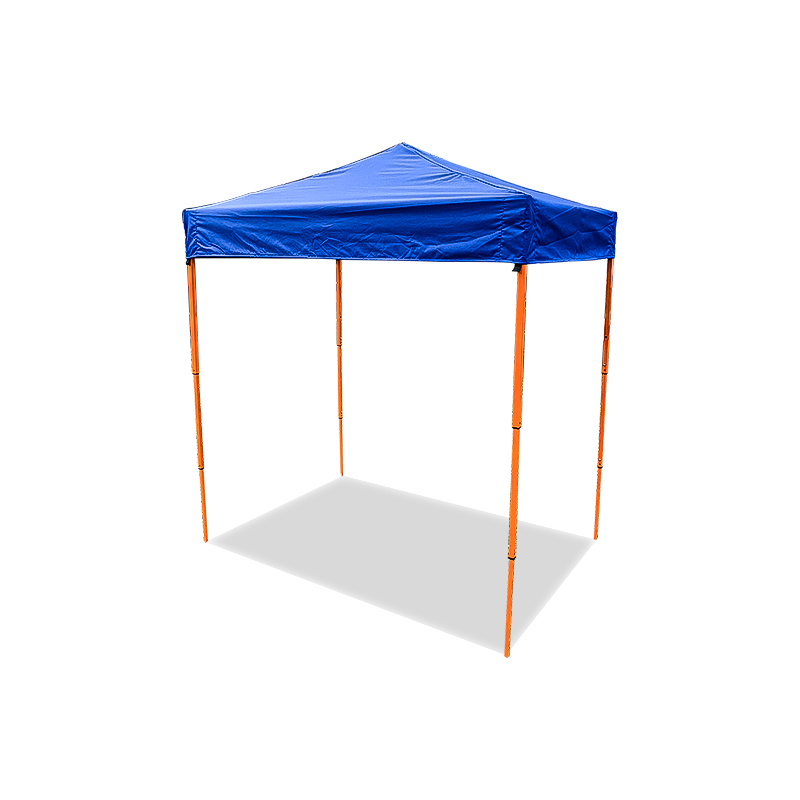
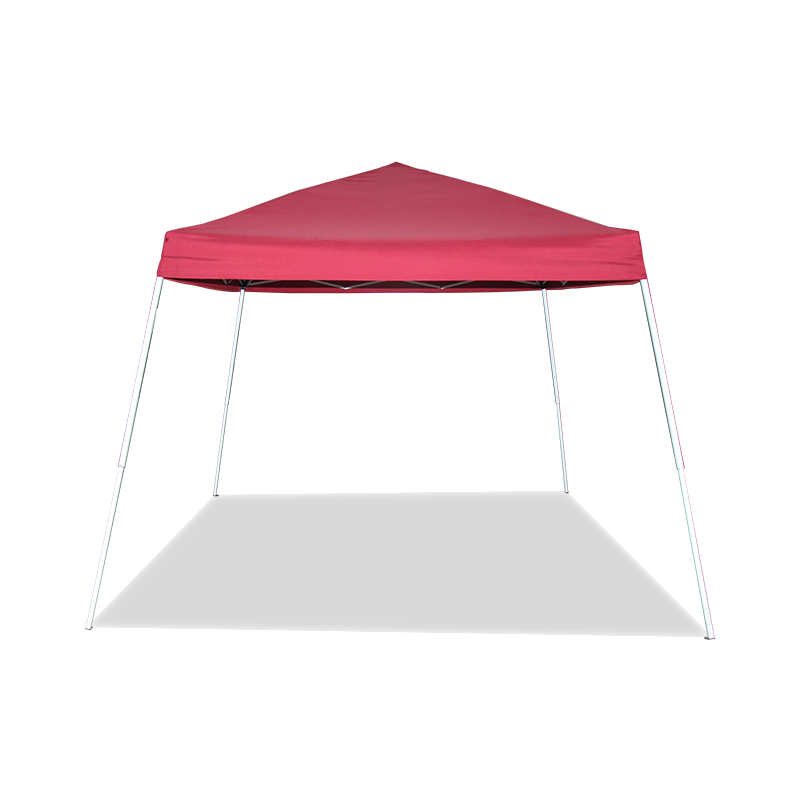
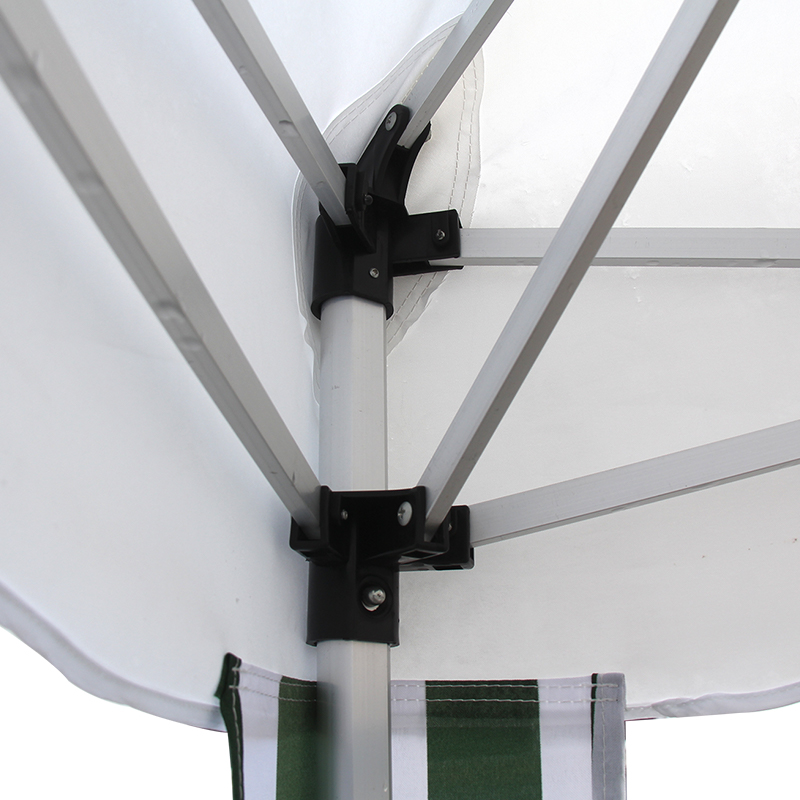
The two frame styles on the market require differently cut covers, and this is where most replacement purchases go wrong. A straight-leg 10x20 frame has vertical legs and a canopy top cut with a flatter pitch and shorter valance drop. A slant-leg frame angles outward at the base, which means the top is cut wider and the valance hangs longer to reach the correct height above the legs.
- Straight-leg covers typically measure the top panel at close to true 10x20 feet with a valance drop of 8-12 inches
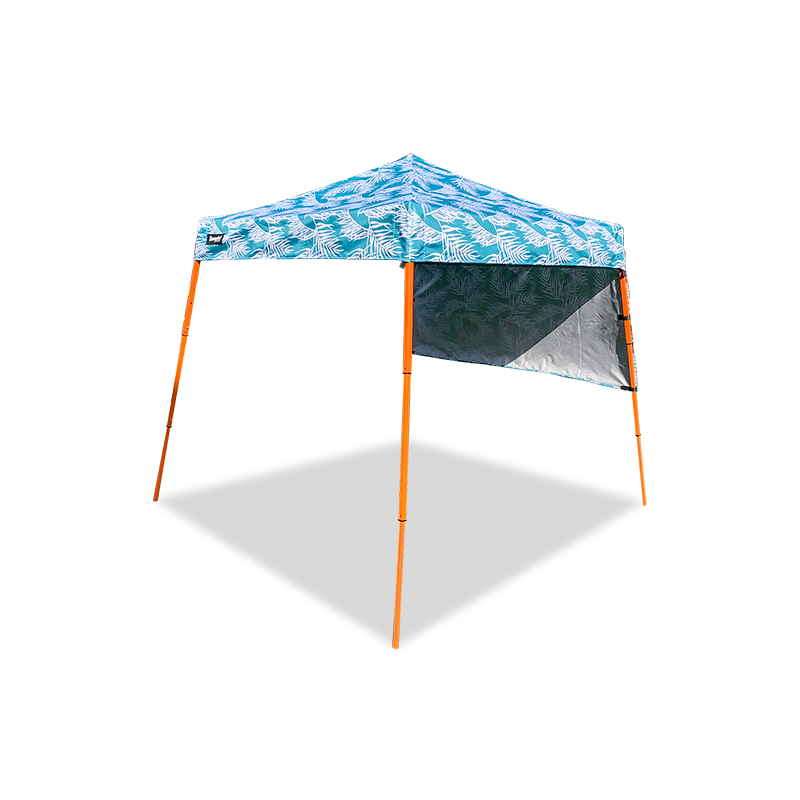
- Slant-leg covers run larger at the base, often cut with an additional 12-18 inches of spread to clear the angled legs, with a valance drop of 12-18 inches
- Using a straight-leg cover on a slant-leg frame leaves the fabric pulled too tight at the corners, which is the single most common cause of grommet tear-out in the first month of use
- Using a slant-leg cover on a straight-leg frame leaves excess fabric that flaps in wind and accelerates wear at the seams
Before ordering, measure your frame's top rail from corner to corner at the peak, and separately measure the leg angle at the base. If the legs sit flush and vertical, order straight-leg. If they splay outward by more than a few degrees, order slant-leg. Frame manufacturers rarely mix the two styles within one product line, so checking the original brand and model of the canopy frame is usually enough to confirm which cut is correct.
Truss Frames and Commercial-Grade Structures
A third frame category, the truss or pop-up commercial frame, uses a scissor-truss roof structure rather than a simple peaked top. These frames typically require a cover with a valance shaped specifically to the truss profile rather than a generic slant or straight cut, and generic replacement covers rarely fit a truss frame correctly. If the original canopy came from a commercial tent supplier rather than a general retail brand, checking with that specific manufacturer's replacement parts catalog is usually more reliable than a universal-fit listing.
Step-by-Step: Measuring Your Frame Before Ordering
Measuring incorrectly is the most common reason a replacement cover gets returned. A careful measurement takes about ten minutes and prevents the entire wasted shipping cycle.
- Fully extend the frame to its normal working height and lock all leg sections in place, since a partially extended frame gives a false reading
- Measure the top rail from the outer edge of one corner fitting to the outer edge of the diagonally opposite corner fitting, then repeat on the other diagonal to confirm the frame is square
- Measure the height from the ground to the top of the peak fitting, and separately from the ground to the underside of the side rail where the valance would end
- Note the leg angle by measuring the horizontal distance between the base of two adjacent legs and comparing it to the horizontal distance between the same two points at the top rail; a meaningful difference confirms a slant-leg frame
- Count and measure the spacing of the existing grommets or Velcro straps if the original cover is still available, since replacement covers with mismatched attachment spacing will not sit evenly even if the overall dimensions are correct
Recording these five measurements before browsing listings turns the shopping process from guesswork into a straightforward spec match, and it is the single most effective step a buyer can take to avoid an ill-fitting heavy duty cover.
UV Resistance and Waterproof Ratings: What the Numbers on the Listing Mean
UV Protection Factor
Canopy fabric is rated in a similar way to fabric UPF ratings, though listings vary in how they present it. A cover with a stated UPF of 50+ blocks roughly 98% of UV radiation, which is the range heavy duty covers should sit in. Fabric that lacks any UV-stabilizing additive in the coating will chalk, fade, and become brittle within a single summer of direct exposure, even if the base fabric weight is high.
Waterproof Rating in Millimeters
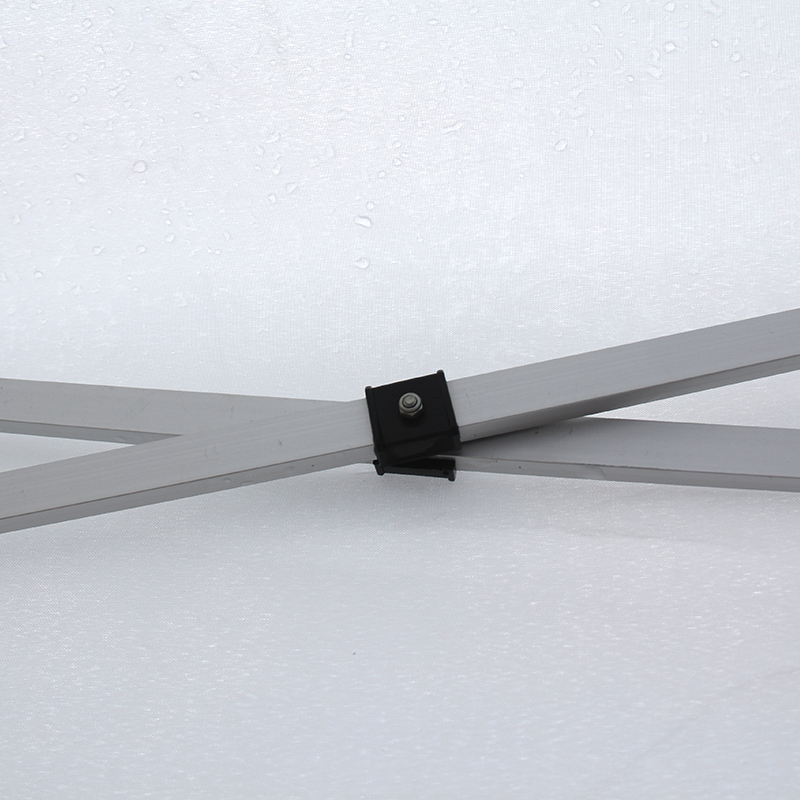
Waterproofness is measured in a hydrostatic head rating, expressed in millimeters. A rating of 1000mm is considered water-resistant and will handle light rain. Genuine heavy duty covers intended for unattended outdoor use should carry a rating of 2000mm or higher, with premium coated polyester options reaching 3000-5000mm. Below 1000mm, water will begin to seep through the weave under sustained rainfall rather than beading and running off.
Seam Construction
Heat-welded seams outperform sewn seams on waterproofing because a needle hole is a puncture point no matter how tight the stitch. Sewn seams that are also taped on the underside close most of that gap, but a fully welded seam remains the most reliable choice for a cover that will see repeated rain exposure without a chance to dry between events.
Wind Rating and Airflow Design
Some heavy duty covers include small vented panels near the peak, which reduce the sail effect in gusting wind by letting a portion of the air pressure escape rather than building up under the canopy top. A vented heavy duty cover can generally tolerate a noticeably higher sustained wind speed before lifting than a fully sealed top of the same fabric weight, though vents also introduce a small point where water can enter in driving rain unless the vent flap is properly designed with an overlapping cover panel.
Coating Types Compared: PE, PVC, and Coated Polyester
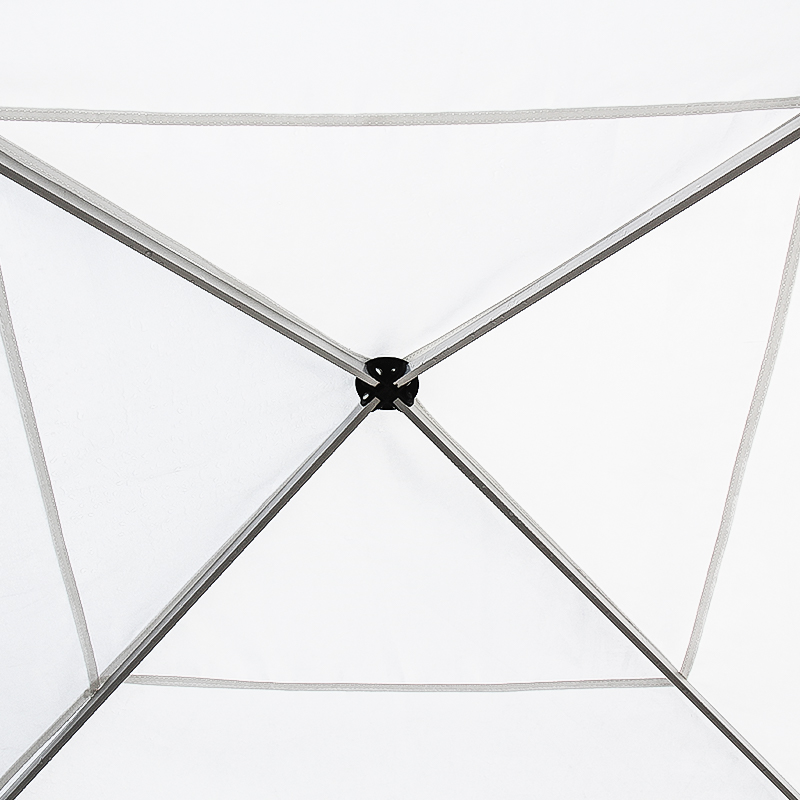
Three coating families dominate the heavy duty replacement cover market, and each trades off differently between cost, weight, and longevity.
- Polyethylene (PE) laminate: the most common and most affordable option, offered in single or double layer construction. Double-layer PE with a woven core is a reasonable heavy duty choice at a lower price point than PVC, though it is more prone to cracking in cold climates over time.
- PVC-coated polyester: heavier, more flexible in cold weather, and generally the longest-lasting option for covers that stay outdoors year-round. PVC coatings resist abrasion well, which matters for covers that get folded and unfolded repeatedly.
- Acrylic-coated or solution-dyed polyester: lighter weight than PVC with strong fade resistance, often used where color retention matters more than maximum abrasion resistance, such as branded canopies kept in visible retail settings.
For a 10x20 canopy that stays set up through multiple seasons in a fixed location, PVC-coated polyester at 14oz or higher generally delivers the best balance of durability and cost per year of service. For a canopy that gets broken down and stored between uses, a well-made double-layer PE cover in the 12-14oz range is usually sufficient and easier to fold without cracking the coating.
Cold Weather Flexibility
PVC-coated fabric stays noticeably more flexible below freezing than PE laminate, which becomes stiff and prone to cracking along fold lines when set up or taken down in cold temperatures. In climates with regular sub-freezing weather during the operating season, this single property often outweighs the price difference between the two coating types.
Color Retention and Fading
Dark colors, particularly black and dark green, absorb more UV energy and tend to fade and chalk faster than lighter colors under the same coating and fabric weight. Solution-dyed fabric, where the color is added to the fiber before weaving rather than printed onto the surface afterward, resists fading meaningfully longer than surface-printed fabric of the same base material.
Choosing by Climate: Coastal, Desert, Snow, and High-Wind Regions
The same "heavy duty" label covers products that perform very differently depending on regional conditions, so matching the cover to the operating climate matters as much as matching it to the frame.
Coastal and Salt-Air Environments
Salt air accelerates corrosion on metal grommets and D-rings, and it also degrades some coatings faster than inland UV exposure alone would. Stainless steel or brass grommets, rather than plain zinc-coated steel, hold up considerably longer in coastal settings, and a PVC coating generally resists salt exposure better than uncoated PE.
Desert and High-UV Regions
Prolonged high-intensity sun exposure is the fastest way to age any canopy fabric. In desert climates, prioritizing the UPF rating and choosing a lighter fabric color over dark tones extends service life meaningfully, since surface temperature on a dark heavy duty cover in direct desert sun can run considerably hotter than a light-colored equivalent, accelerating coating breakdown.
Snow and Cold-Weather Regions
Standing snow load is a structural risk that fabric weight alone cannot solve; even an extra heavy duty cover can collapse a frame if snow is allowed to accumulate on a flat or low-pitch top. In regions with regular snowfall, either taking the canopy top down before storms or actively clearing accumulated snow during a storm is necessary regardless of how heavy duty the fabric rating is.
High-Wind Regions
Beyond fabric choice, high-wind regions benefit most from vented top designs, extra-dense grommet spacing, and a firm commitment to full ground anchoring rather than relying on weight bags alone. No fabric rating compensates for an under-anchored frame in sustained wind above 30 mph.
Fitting and Installing a Replacement Cover Correctly
Even the right cover can underperform if it is installed poorly. A few practices consistently extend service life:
- Raise the frame to roughly half height before draping the cover, then finish raising the frame once the cover is centered and grommets are loosely hooked at each leg
- Tension the cover evenly across all four corners before tightening any single point, since uneven tension concentrates stress on one grommet and causes early tear-out
- Use bungee cords or ratchet straps rated for outdoor use rather than plain rope, which stretches unevenly and loosens in wind
- Check that the valance sits flush against the frame's side rails without excess fabric bunching at the corners, which indicates a mismatched frame style
Wind is the leading cause of frame and cover failure together, not the cover alone. Even a top-rated heavy duty cover will act as a sail in gusts above 20-25 mph if the frame is not properly staked, weighted, or anchored. Manufacturers commonly recommend a minimum of 24-40 pounds of weight per leg for unstaked setups, and full ground stakes for any installation left up overnight.
Anchoring and Accessory Choices That Protect the Cover Itself
The cover fabric is only one part of a system, and the anchoring hardware around it determines how much stress that fabric absorbs during wind events.
| Accessory | Best For | Notes |
|---|---|---|
| Ground stakes | Grass, dirt, unpaved lots | Most secure option where ground allows staking |
| Weight bags or plates | Pavement, concrete, indoor-outdoor flooring | Requires 24-40 lbs per leg minimum in moderate wind |
| Guy lines / tie-down ropes | Semi-permanent or overnight setups | Adds lateral stability beyond leg weight alone |
| Ratchet tie-down straps | Securing the cover itself to the frame | Distributes tension more evenly than bungee cords alone |
A cover rated for extra heavy duty use can still fail prematurely if it is only secured with light bungee cords at the corners. Distributing tension across every grommet along the valance, rather than only the four corner points, keeps any single attachment point from bearing a disproportionate share of wind load.
Maintenance Habits That Add Years to a Heavy Duty Cover
Fabric coatings degrade primarily through three mechanisms: UV exposure, standing water, and abrasion from repeated folding. Addressing all three roughly doubles the realistic lifespan of most heavy duty covers.
Cleaning
Rinse with a garden hose and a mild soap solution rather than pressure washing, which can force water through seams and grommet holes. Avoid bleach or solvent-based cleaners, which break down PVC and PE coatings faster than sun exposure alone.
Drying Before Storage
Folding a damp cover for storage is the single most common cause of mildew staining and coating delamination. A cover should be fully air-dried, even if that means leaving the frame up for an extra hour after rain, before it goes into a storage bag.
Sagging and Standing Water
Flat or low-pitch 10x20 tops can pool water during heavy rain, and standing water adds weight that stresses seams and can eventually cause a collapse. Checking and gently pushing up on pooled sections from underneath during a storm, or adjusting frame height to create a slight peak, prevents most of this damage.
Fold Pattern and Storage Bag Practice
Repeatedly folding a heavy duty cover along the exact same crease lines eventually stresses the coating at those points more than the rest of the fabric. Rotating the fold pattern occasionally, or loosely rolling rather than tightly folding when storage space allows, reduces the concentrated wear that produces cracked lines across a cover well before the rest of the fabric shows any wear.
Common Mistakes When Buying a Replacement Cover
- Ordering based on the frame's advertised size alone rather than an actual measurement, which misses variation between brands that all call their product a 10x20
- Choosing frame style based on visual guesswork instead of measuring the leg angle directly
- Assuming a higher fabric weight alone guarantees heavy duty performance without checking coating type and seam construction
- Skipping the waterproof rating entirely and relying only on marketing language like "waterproof" without a stated millimeter figure
- Under-anchoring a new heavy duty cover with the same light weight bags or stakes used on the old, lighter cover, which does not account for the added wind load a larger fabric surface can carry
Repair or Replace: Deciding When Patching No Longer Makes Sense
Small punctures and minor seam separation can often be repaired with a fabric-specific patch kit or seam sealant matched to the coating type, extending a cover's usable life by a season or more at a fraction of replacement cost. However, a few signs indicate that a full replacement is the more practical choice:
- Multiple grommets have torn out rather than a single isolated point, indicating the fabric around the attachment points has generally weakened
- The coating has begun chalking or flaking across large sections rather than one localized area, since patches will not restore lost waterproofing broadly
- The fabric has become stiff and brittle to the touch, a sign that UV degradation has progressed through the coating into the base fibers
- Repeated patch repairs are needed within a single season, which usually signals the underlying fabric has reached the end of its practical service life
As a rough guideline, if repair costs are approaching 40-50% of a new heavy duty replacement cover's price, or if the cover is already past its expected lifespan range for its fabric class, replacement is generally the better long-term value.
Quick Buyer's Checklist
Before finalizing a purchase, confirm each of the following against the listing:
- Fabric weight is stated clearly and falls at 12oz per square yard or higher
- Frame style is specified as slant-leg or straight-leg, matching your measured leg angle
- Waterproof rating is stated in millimeters and reaches at least 2000mm
- Seams are heat-welded or sewn with taped seam sealing, not sewn alone
- Grommet spacing is listed and falls at 18 inches or closer
- Grommet material suits your climate, with stainless or brass preferred in coastal settings
- Overall top and valance dimensions match your recorded frame measurements, not just the general "10x20" label
Frequently Asked Questions
How do I know if I need a slant-leg or straight-leg replacement cover?
Check the base of your frame's legs. If they angle outward from the top rail, the frame is slant-leg. If the legs run straight down, it is straight-leg. Measuring the top rail corner-to-corner and comparing it against the listed dimensions of a replacement cover also confirms fit before purchase.
What fabric weight actually counts as heavy duty for a 10x20 cover?
Most of the market treats 12oz per square yard and above as the starting point for heavy duty, with 14-16oz considered the standard range for daily commercial or long-term outdoor use.
Can a heavy duty cover be left up year-round?
A well-rated cover with a 2000mm+ waterproof rating and UV-stabilized coating can generally stay up through multiple seasons, provided the frame is properly anchored and the top pitch prevents water pooling. Regions with heavy snow load typically still require taking the top down or supporting it from underneath to prevent frame collapse.
Why do grommets tear out even on a heavy duty cover?
Grommet failure is almost always caused by uneven tension during setup, a mismatched frame style that stretches the fabric incorrectly, or wind loading beyond what the anchoring can handle, rather than a defect in the fabric itself.
Is a double-layer PE cover as durable as a PVC-coated polyester cover?
A quality double-layer PE cover at 12-14oz performs well for seasonal or stored use, but PVC-coated polyester generally outlasts it for canopies left outdoors continuously, particularly in regions with strong sun or frequent rain.
How often should a heavy duty canopy cover be replaced?
With regular cleaning and proper drying before storage, a genuine heavy duty cover in the 12-16oz range typically lasts 4-8 seasons, while extra heavy duty fabric above 17oz can extend past that range in less extreme climates.
Does color affect how long a heavy duty cover lasts?
Yes. Darker colors absorb more UV energy and tend to fade, chalk, and lose flexibility faster than lighter colors under otherwise identical fabric weight and coating, particularly in high-sun climates.
What wind speed can a properly anchored heavy duty canopy handle?
Anchoring, not fabric alone, determines this. A fully staked or heavily weighted frame with a vented heavy duty top can generally handle moderate sustained winds, but manufacturers commonly recommend taking any canopy down once sustained wind approaches 30 mph regardless of fabric rating.
Are welded seams always better than sewn seams?
For waterproofing, yes, since a weld does not puncture the fabric the way stitching does. For raw tensile strength at the seam line, a well-executed double-stitched and taped seam can be comparable, but welded construction remains the more consistent choice across most heavy duty product lines.
Can I use a universal-fit cover instead of a frame-specific one?
A universal-fit cover can work for straightforward straight-leg frames close to standard dimensions, but any frame with a truss roof, non-standard peak height, or slant-leg angle outside typical ranges usually fits noticeably better with a cover cut to that specific frame profile.

