
 English
 Español
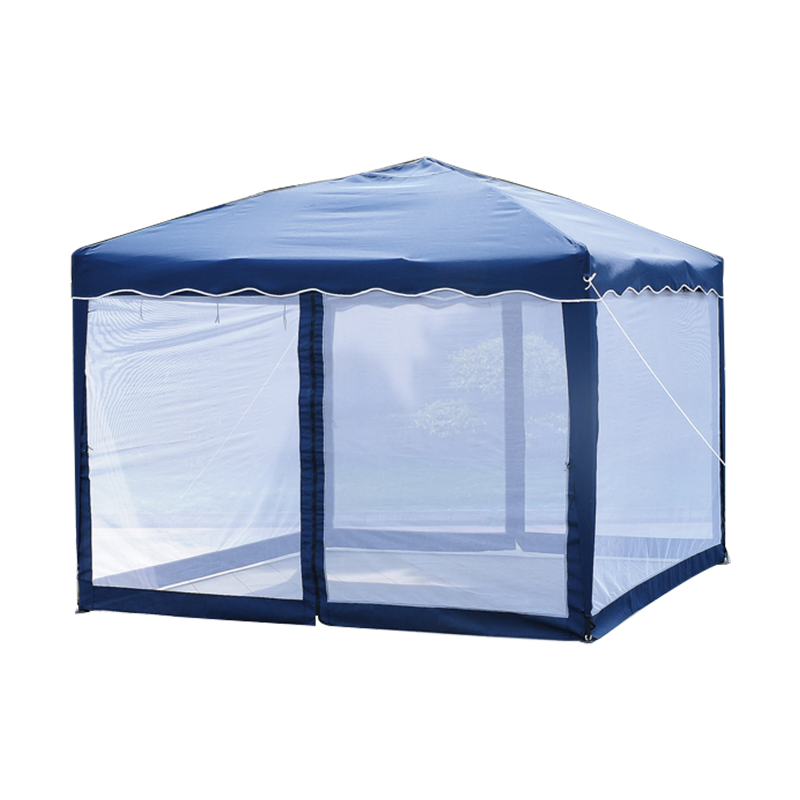
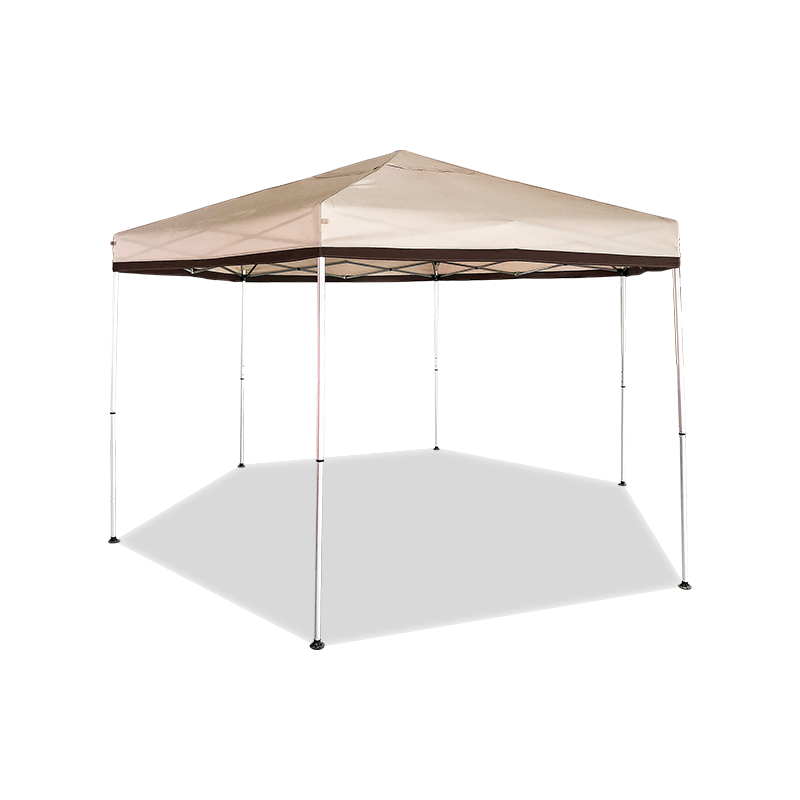
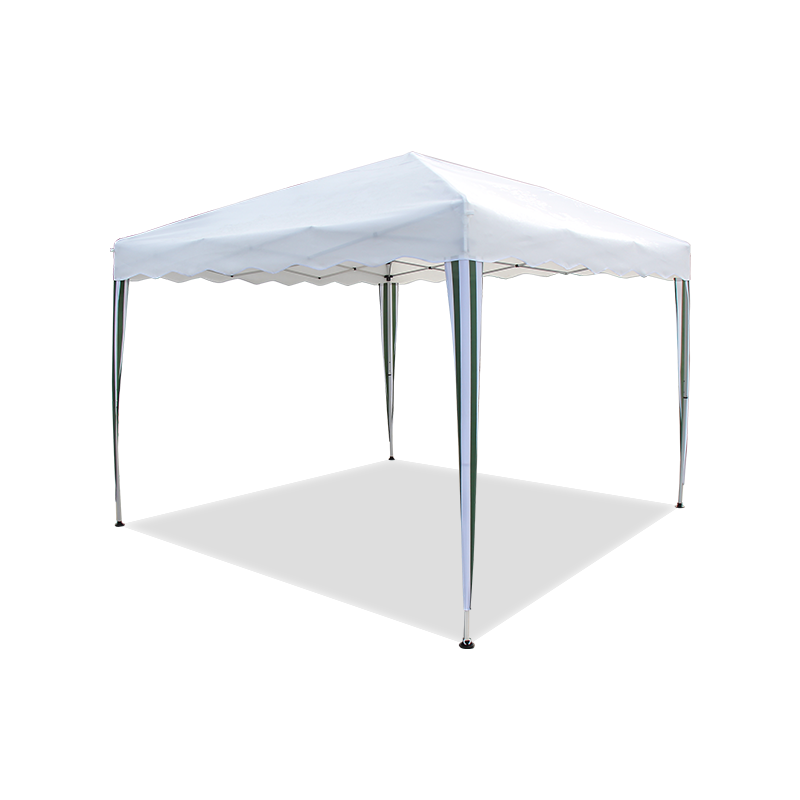
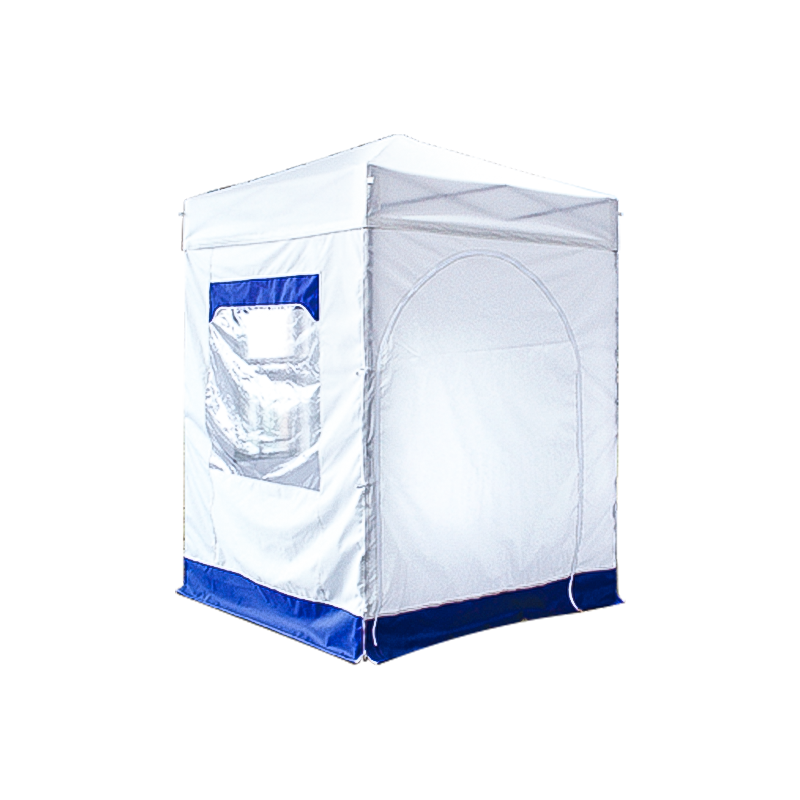
Customer expresses intent; Communicate between the two parties; Provide analysis reports to customers; Reach a cooperation intention.
Content
- 1 What Exactly Is a Party Canopy?
- 2 Frame Showdown: Steel vs. Aluminum
- 3 Canopy Fabric: What the Numbers Really Mean
- 4 Matching Canopy Size to Your Event
- 5 Wind, Rain, and Stability
- 6 Setup Time and Portability
- 7 Customization, Branding, and Colors
- 8 Maintenance That Keeps a Canopy Alive
- 9 A Practical Buying Checklist
- 10 Party Canopy FAQ
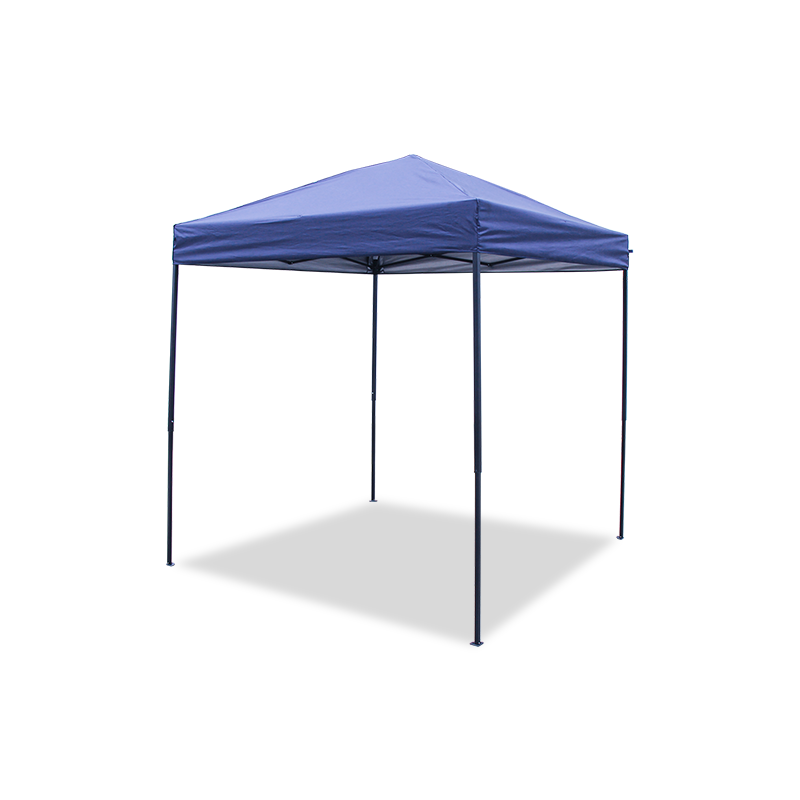
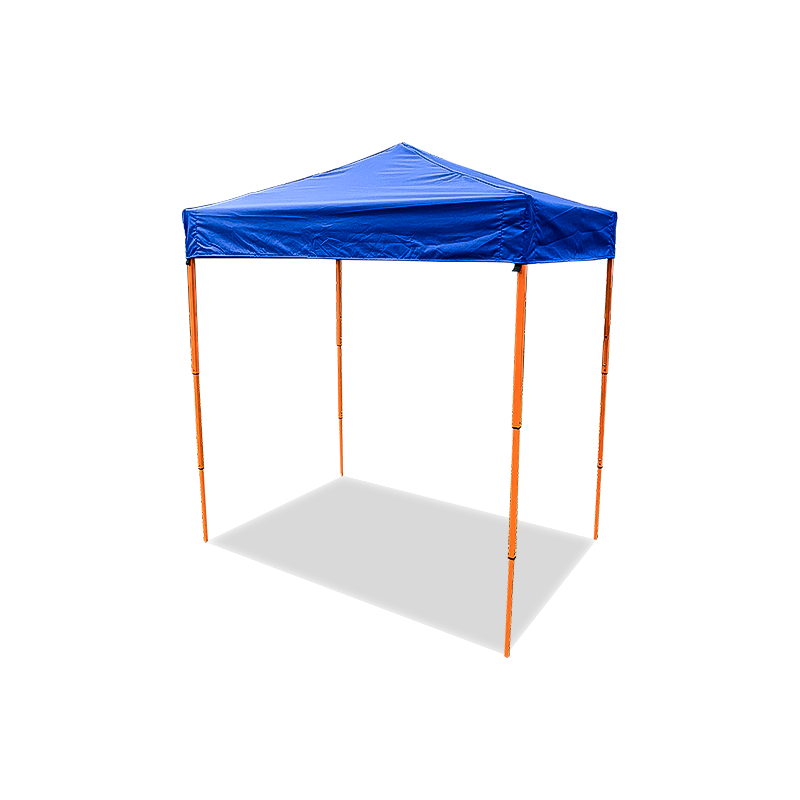
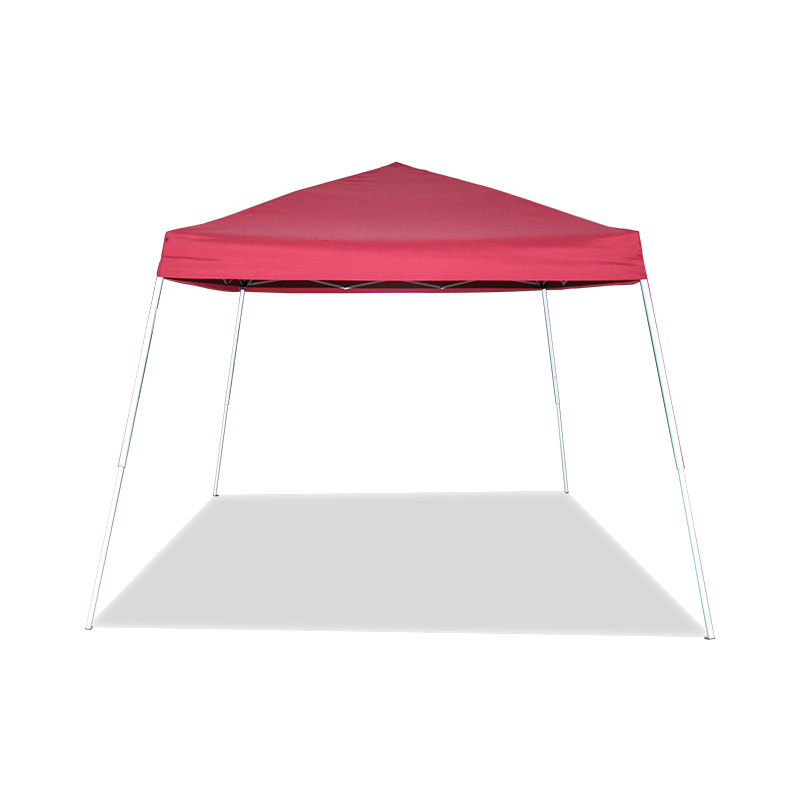
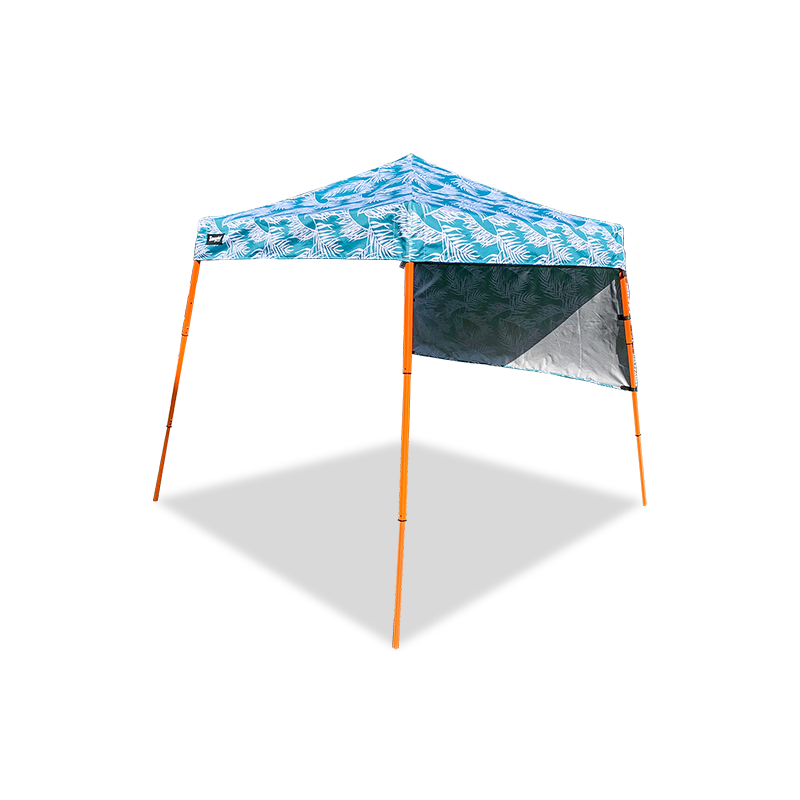
A party canopy is a folding, freestanding outdoor shelter, and the frame matters more than the fabric color. Powder-coated steel gives you the best strength-to-cost balance for regular use; aluminum is worth the premium when you carry the canopy from vehicle to event site every weekend. For rain protection, choose at least 250g PVC-coated polyester; for shade-only duty, 140g polyester is acceptable. This guide covers frames, fabrics, sizing, wind behavior, setup, customization, and maintenance so you buy the right party canopy the first time.
What Exactly Is a Party Canopy?
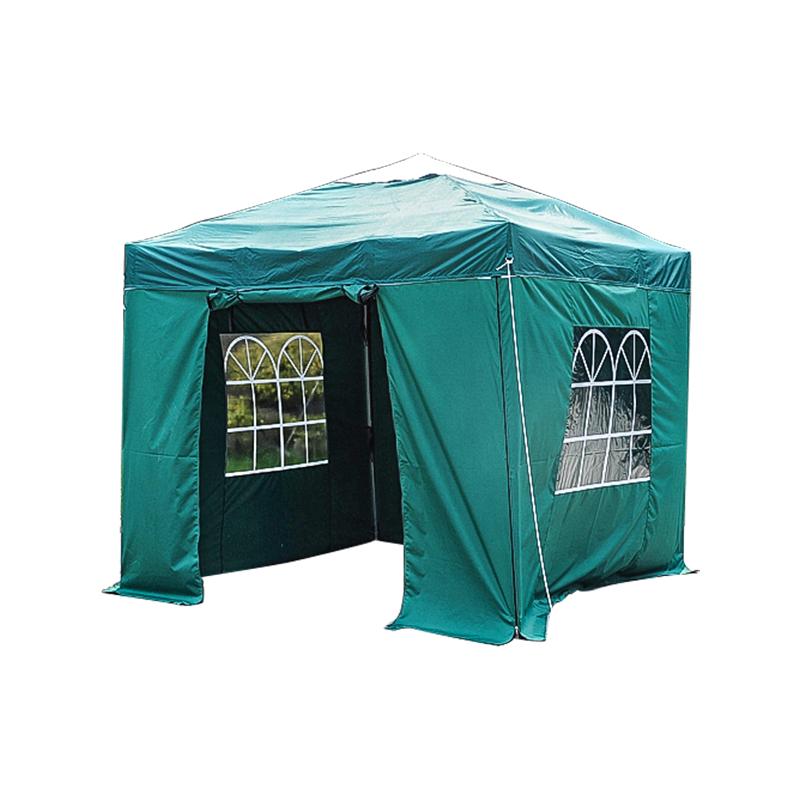
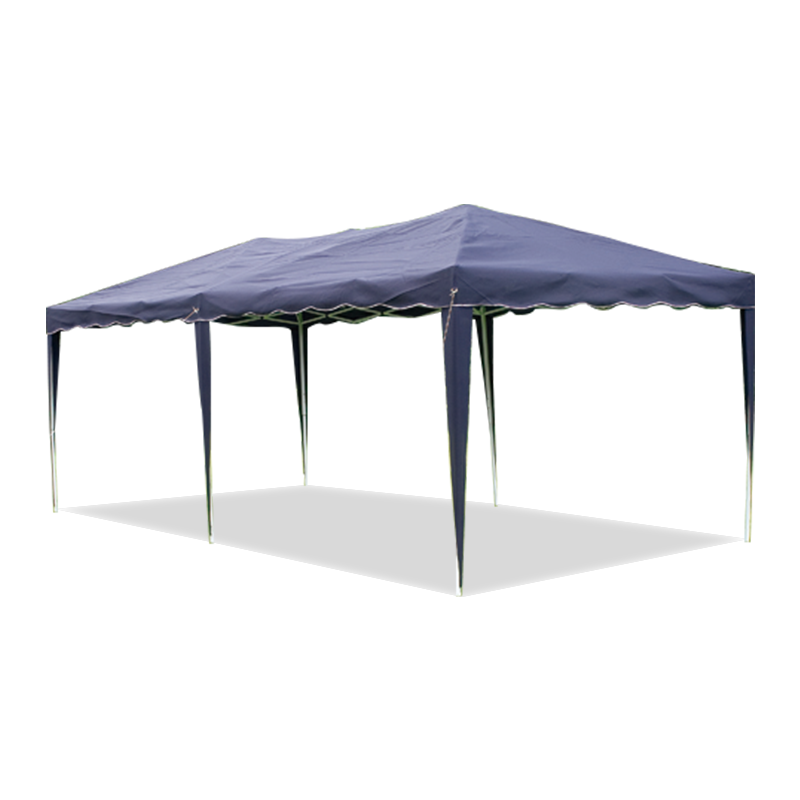
A party canopy is a temporary structure built around a folding metal frame and a fabric roof. Unlike a permanent gazebo, it collapses into a wheeled carry bag and two people can erect it in 10 to 20 minutes without tools. You will see them at farmers' markets, school fairs, wedding receptions, trade show booths, and backyard parties.
The same product family is sold under different names - pop-up tent, folding gazebo, event canopy, party tent - but the core idea is identical: portable shelter that you can deploy and pack away repeatedly. Most party canopies fall into three groups:
- Pop-up canopies: light polyester roof from 140g to 250g, steel or aluminum frame, made for quick setup and occasional weekend use.
- Aluminum-frame folding gazebos: PVC-coated fabric, reinforced connectors, optional side walls, suited for commercial and semi-professional events.
- Heavy-duty party tents and marquees: wider spans, 300g to 520g PVC fabric, full walls and windows, chosen for weddings, banquets, and formal gatherings.
| Canopy type | Roof fabric | Frame | Best for |
|---|---|---|---|
| Pop-up canopy | 140g-250g polyester | Steel or aluminum | Markets, backyard parties |
| Folding gazebo | 250g-300g PVC-coated polyester | Aluminum or powder-coated steel | Weddings, commercial events |
| Party tent / marquee | 300g-520g PVC tarpaulin | Heavy steel or aluminum | Banquets, receptions, large gatherings |
Frame Showdown: Steel vs. Aluminum
The frame determines how heavy the canopy is, how much wind it tolerates, and how many years it survives. Steel is stronger for the same tube diameter and costs less, but it is heavier and can rust if the powder coating is scratched. Aluminum is lighter, corrosion-resistant, and easier to transport, but it costs more and thin-wall tubes can bend under strong wind.
| Property | Steel frame | Aluminum frame |
|---|---|---|
| Weight (3x3m unit) | 25-35 kg | 15-22 kg |
| Strength | Higher load capacity | Good, depends on wall thickness |
| Corrosion | Touch up scratches with paint | Naturally rust-resistant |
| Price | Lower | Higher |
| Best scenario | Long-term placement, budget events | Weekly transport, mobile vendors |
For a 3x3m canopy used once or twice a month, a powder-coated steel frame is the pragmatic default. For vendors who pack up every weekend, aluminum reduces fatigue and pays for itself over a season. For wedding setups, some suppliers offer steel frames with white powder coating, which looks lighter in photos and matches formal décor.
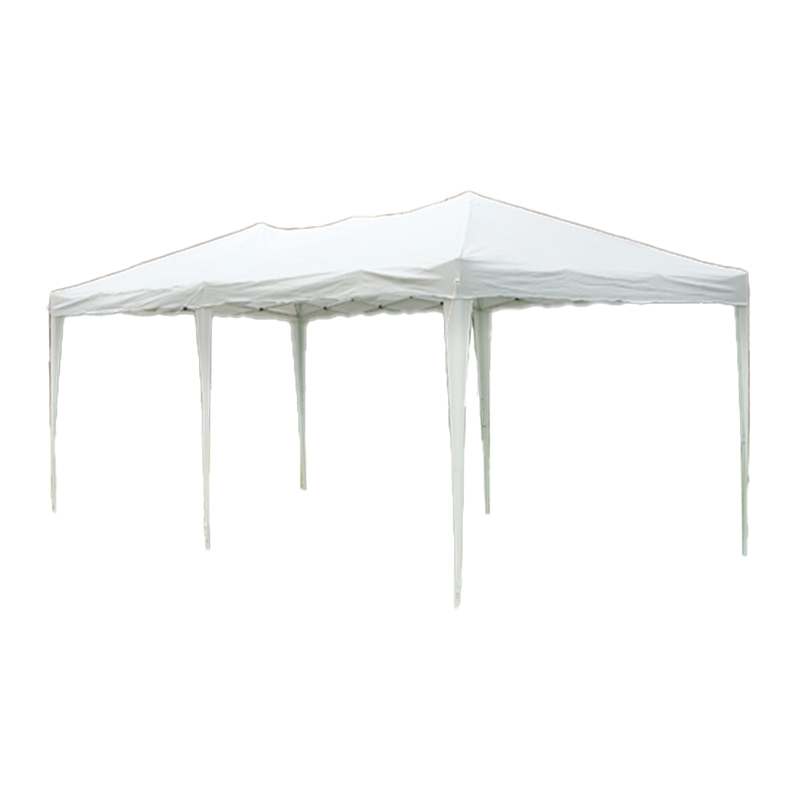 White Powder Coated Steel Frame Party Tent for Occasional UseThis steel frame tent with white powder coating matches formal décor and looks lighter in photos. It is ideal for monthly use and available in sizes like 3x4m and 4x6m.View Product →
Canopy Fabric: What the Numbers Really Mean
Polyester is the standard fabric for party canopies. The number on the product page - 140g, 250g, 300g - refers to fabric weight in grams per square meter. Higher numbers mean a denser weave, better tear resistance, and stronger water blocking.
Coating changes performance even more than the base weight:
- 140g polyester: light and affordable, good sun shade, not reliable in sustained rain.
- 250g PVC-coated polyester: the entry point for rain protection; the PVC layer seals the weave and sheds water.
- 300g PVC-coated polyester: stiffer and more tear-resistant, survives repeated folding and long exposure.
- PU silver coating: reflects solar heat and lowers the temperature underneath, often combined with lighter polyester fabrics.
| Fabric | Rain protection | Shade performance | Lifespan with care |
|---|---|---|---|
| 140g polyester | Poor | Excellent | 2-3 years |
| 250g PVC-coated polyester | Moderate | Good | 3-5 years |
| 300g PVC-coated polyester | Good | Good | 5-7 years |
| 520g PVC tarpaulin | Excellent | Excellent | 8+ years |
For semi-permanent party tents, manufacturers use PVC tarpaulin from 400g to 520g/m². These are heavier structures, closer to event halls than mobile canopies, and they require a different setup process. If your canopy must stay up for weeks, a PVC tarpaulin party tent is the better investment.
 A06 250g PVC Coated Polyester Folding Canopy Gazebo with SidewallsThis gazebo uses heavier PVC-coated polyester for semi-permanent setups. It is easy to assemble in under one minute and includes four sidewalls with windows and a carry bag.View Product →
Matching Canopy Size to Your Event
Size is the specification most people get wrong. A 3x3m canopy, the most common format, covers about 9 square meters - enough for one market table or a small ring of chairs. Once you add round banquet tables, each 1.5m table seats 8 to 10 people and needs roughly 12 square meters of floor area around it.
| Size | Floor area | Typical setup | Seated guests |
|---|---|---|---|
| 3x3m | 9 m² | Market stall, one long table | 6-8 |
| 3x4.5m | 13.5 m² | Buffet table plus standing guests | 10-14 |
| 3x6m | 18 m² | Chair rows or bar area | 16-22 |
Measure the venue before ordering. Allow 60cm of clearance behind chairs and 30cm between the canopy edge and walls or other structures. If the product page lists both a base size and a top size, the top is wider; plan for the larger footprint. For a step-by-step sizing process, read our guide to choosing the right tent size.
Wind, Rain, and Stability
Most folding canopies are designed for light wind, not storms. A 3x3m canopy behaves like a sail; at wind speeds above 30 km/h it can lift or slide unless anchored. Always stake all four legs, and add sandbags or water weights in exposed venues.
What separates a stable canopy from a wobbly one:
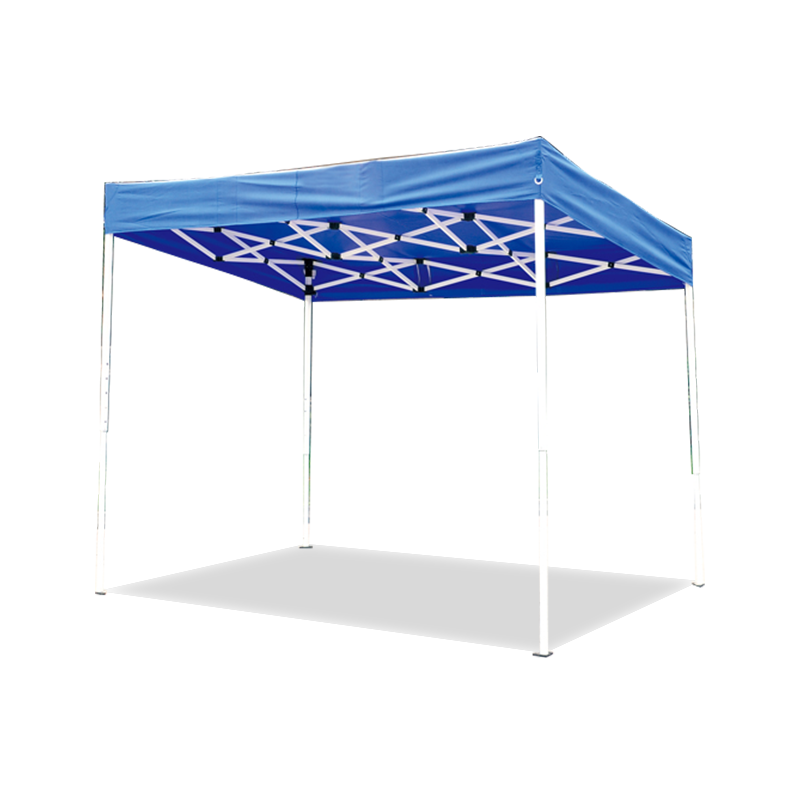
- Locking braces on all four sides of the truss frame.
- Cross bars that create diagonal bracing between legs.
- Reinforced corners with double-stitched fabric.
- A ratchet tension system or Velcro straps that keep the roof tight.
- Upright leg design with adjustable height settings.
In steady rain, a completely flat roof pools water. Look for a slight crown or slope in the roof design, which is standard on better frames. Side walls also help: they reduce airflow under the canopy and keep rain from blowing in. Before the first event, review these party tent safety precautions to know what to check on site.
Setup Time and Portability
A well-designed party canopy goes up without tools. The classic push-up mechanism follows the same sequence: unfold the legs, release the locking levers, and push the center hub upward until the frame clicks. Two people usually complete a 3x3m unit in 10 to 15 minutes the first time; after a few practices, it drops to about 5 minutes.
Portability is a function of weight. A steel 3x3m unit weighs roughly 25 to 30 kg including the fabric; an aluminum version stays around 15 to 22 kg. Most canopies ship with a wheeled bag, but you still need cargo space in a car or van. If you move the canopy weekly, keep the packed weight under 20 kg and go aluminum.
Check the connector type before buying: pull-ring locks release faster than push buttons, and aluminum connectors with full-width latches resist stripping far better than thin plastic ones.
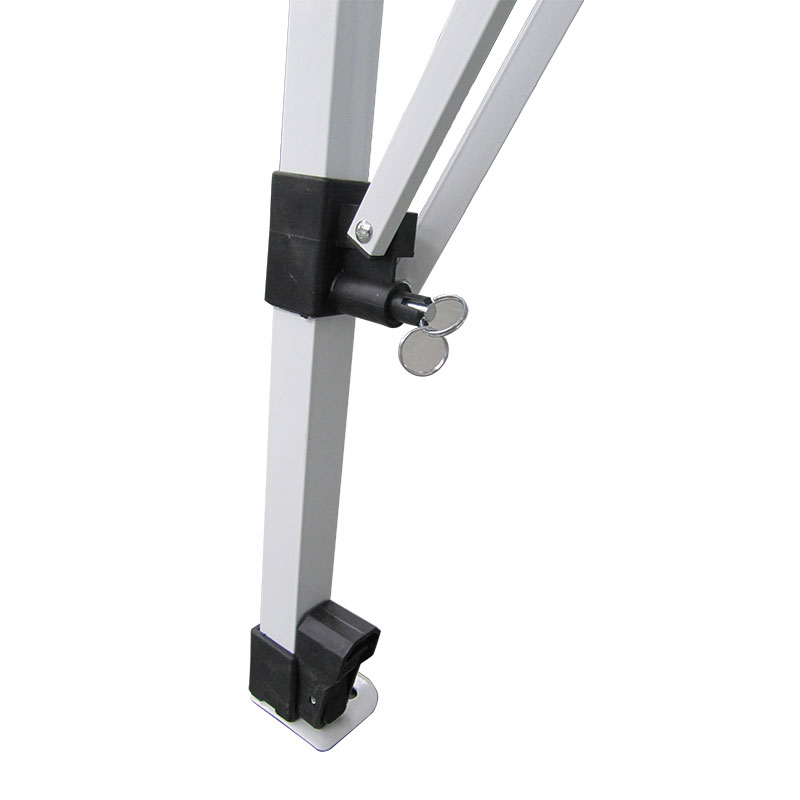 Easy-Setup Steel Frame Folding Gazebo with Custom Logo OptionsDesigned for commercial buyers, this gazebo can be branded with printed logos and sidewalls. It features a steel frame with plastic connectors and a pull-ring release for fast setup.View Product →
Customization, Branding, and Colors
Commercial buyers usually need branding on the roof. Factory-direct suppliers can print logos, add printed side walls, and even design a custom top. Practical customization options include:
- Screen-printed or heat-transferred logos on the canopy top.
- Custom frame and fabric colors.
- Branded carry bags, hang tags, barcodes, QR codes, and retail packaging.
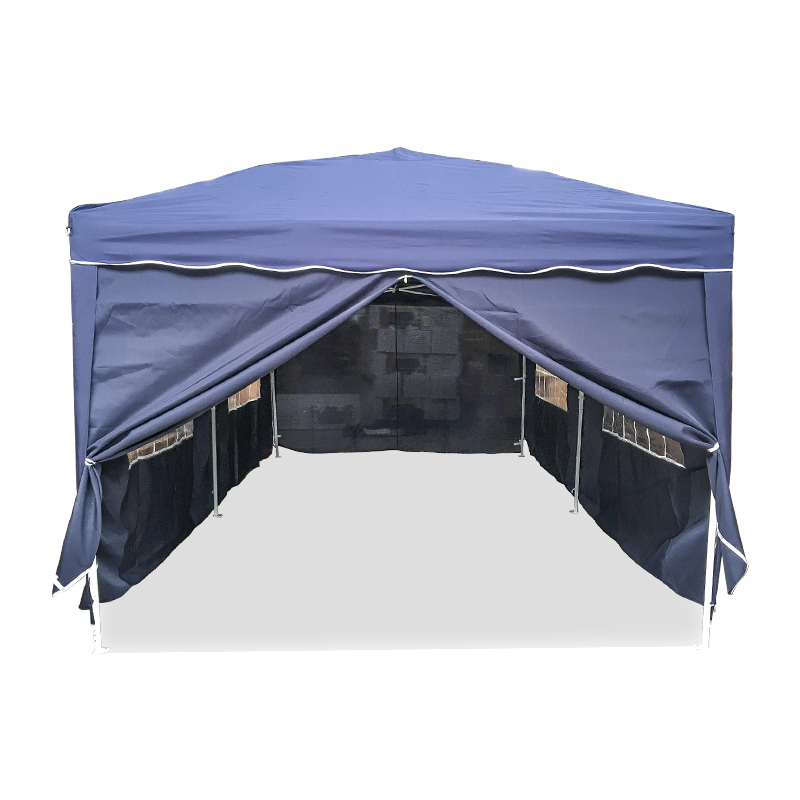
- Side walls with transparent windows or zipper doors.
Send a vector logo file when requesting a quote, and confirm the printable area for your chosen canopy size. For a small business, a branded canopy works as a mobile billboard: it shades the stall and places your name in front of every passerby. Custom colors also let you match a wedding theme, with white, ivory, and pastel tops being the most requested.
Maintenance That Keeps a Canopy Alive
A fabric canopy lasts 3 to 7 years depending on fabric weight and care. The routine takes about 15 minutes after each event:
- Brush off dust and debris, then wipe with mild soapy water. Avoid bleach and harsh solvents.
- Dry the canopy completely before folding to prevent mildew.
- Store in a dry room away from direct sunlight, which degrades polyester over time.
- Inspect the frame after each use; tighten loose screws and replace damaged connectors.
- Repair small tears with waterproof tape, or order a replacement top from the supplier.
Long-term storage matters too. A canopy folded and left in a hot garage will develop crease lines, and the PVC coating can crack along those folds. Store it loosely folded, or hang it if space allows. Replace the top when small tears multiply; most suppliers offer matching replacement tops and extension walls.
A Practical Buying Checklist
Work through this checklist before you place an order:
- Confirm the event type and frequency of use.
- Measure the venue and the vehicle cargo space.
- Choose steel for budget and strength; aluminum for light weight.
- Select fabric by weather: 250g PVC minimum for rain, 300g for frequent use.
- Check frame bracing and connector quality; ask for the packed weight.
- Verify customization options if you need logos.
- Add stakes and weights to the budget; they are usually separate.
Party Canopy FAQ
What size party canopy do I need?
For a market stall or one table, 3x3m is the standard. For seated dining, allow about 1.2 to 1.5 square meters per guest; that means a 3x4.5m canopy fits 10 to 14 people and a 3x6m fits 16 to 22. Always measure the venue first.
Is steel or aluminum better for a party canopy?
Steel is stronger per dollar and handles rough use, but it is heavier. Aluminum is lighter and rust-free, but costs more. Choose steel for static placement and aluminum for weekly transport.
Can a party canopy handle wind and rain?
It handles light to moderate weather if properly anchored. Use all stakes plus weights, check locking braces, and add side walls for wind deflection. A canopy is not a storm shelter.
How long does it take to set up a party canopy?
Two people can set up a 3x3m canopy in 10 to 15 minutes without tools. With practice, the same unit takes about 5 minutes.
Can I print my logo on a party canopy?
Yes. Most factory-direct manufacturers offer screen printing or heat transfer on the roof, and can also print side walls. Supply a vector file and confirm the printable area.
How long does a party canopy last?
With proper care, a 250g PVC-coated canopy lasts 3 to 5 years; a 300g fabric can last 5 to 7 years. Steel frames last longer than the fabric, and you can often buy replacement tops.

