 English
 Español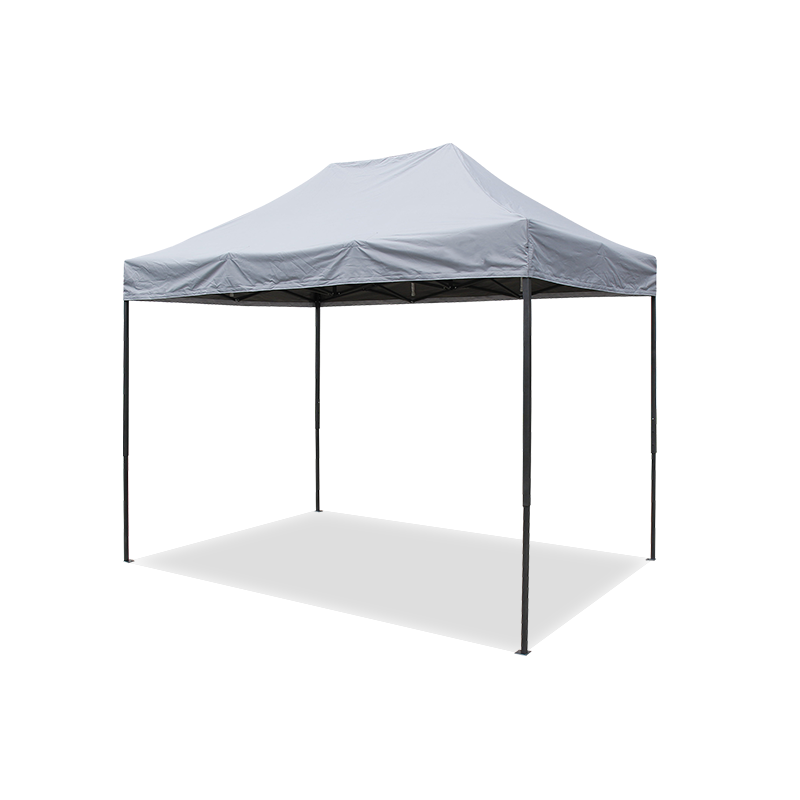
Customer expresses intent; Communicate between the two parties; Provide analysis reports to customers; Reach a cooperation intention.

 Video
Video

Founded in

Industry experience

marketing network

Serving the crowd
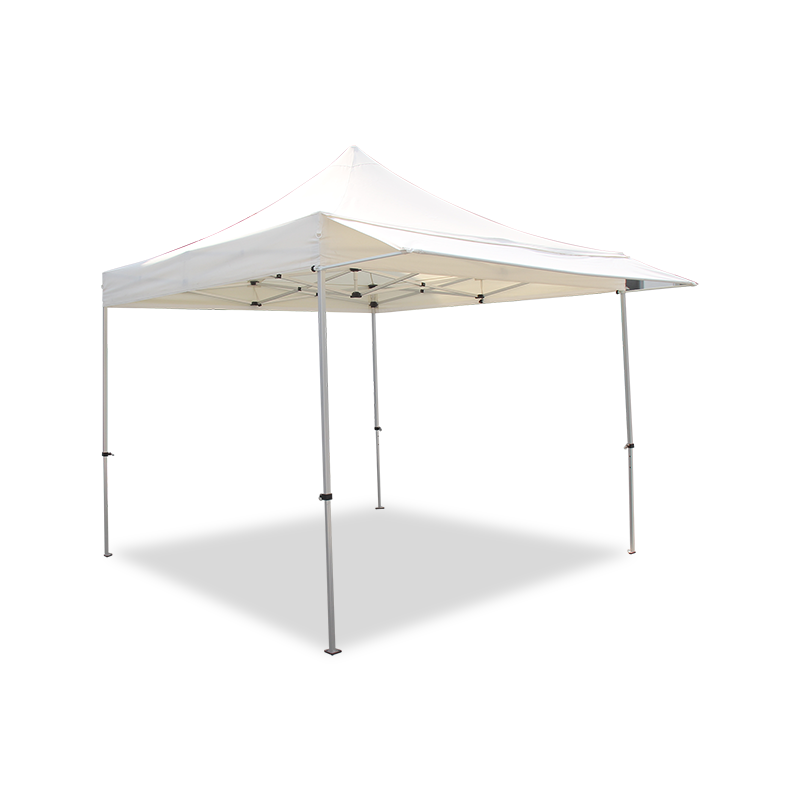
A canopy is more than just a fabric roof — it is a structured shelter system that bridges the gap between indoor comfort and outdoor exposure. Whether installed over a patio, a market stall, a garden pergola, or a portable event frame, canopies perform a precise job: intercepting rain, filtering UV radiation, and defining usable space. The product category spans everything from tensioned shade sails to pop-up gazebo tops and permanent awning systems, each designed around different load requirements, installation contexts, and aesthetic expectations.
The most common material for outdoor canopy tops is polyester with a PVC or polyurethane coating. Within that broad category, performance varies enormously based on coating weight and weave density. A fabric rated at 180 g/m² is the industry's functional floor for light residential use; anything below that typically fails within a single season under direct sun. Heavier-duty applications — commercial event canopies, market stalls, or rooftop dining areas — generally require 260–320 g/m², which holds shape under sustained wind loading and resists abrasion from repeated installation.
Recommended Fabric Weight by Application (g/m²)
Higher fabric weight improves durability under wind and UV exposure — but adds shipping cost per unit.
UV protection factor (UPF) ratings are another figure buyers frequently misread. A UPF 50+ rating blocks over 98% of UV-B radiation, but that figure applies to new, untensioned fabric. After 18–24 months of outdoor use, an uncoated polyester canopy can lose 20–30% of that protection as the weave relaxes and coating degrades. This is why professional buyers — especially those ordering for hospitality or outdoor retail — tend to specify solution-dyed fabrics, where color and UV inhibitors are embedded in the fiber rather than applied to the surface.
At Yuyao Seasons Touring Products Co., Ltd, the sewing workshop handles tension seaming with reinforced stitching at all stress points — corners, center ties, and perimeter hems — because these are the zones where cheaper canopies split first. Getting the seam allowances and bartack density right at the manufacturing stage eliminates the most common field failure mode.
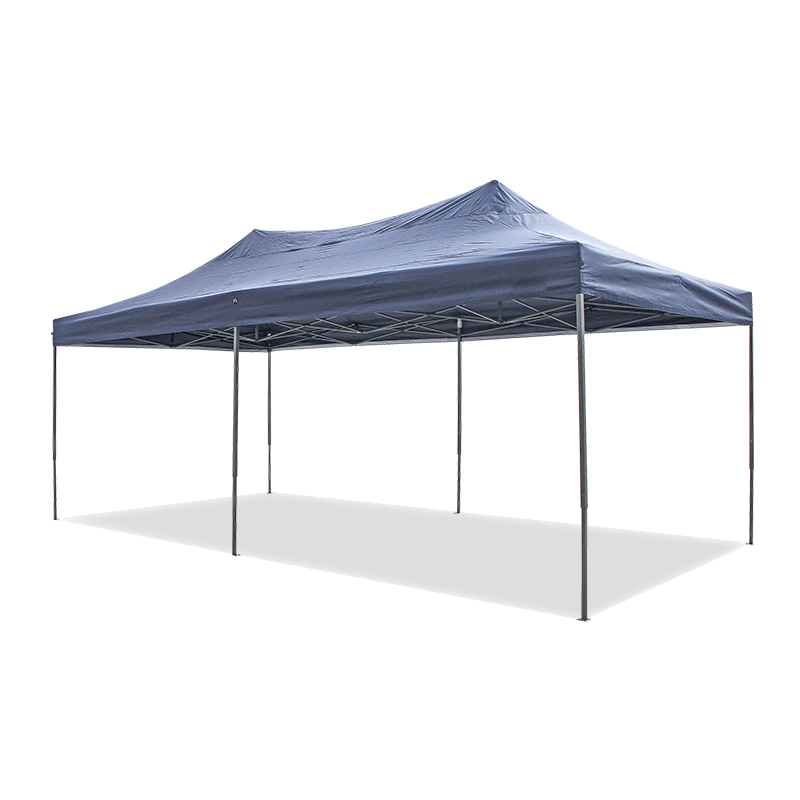
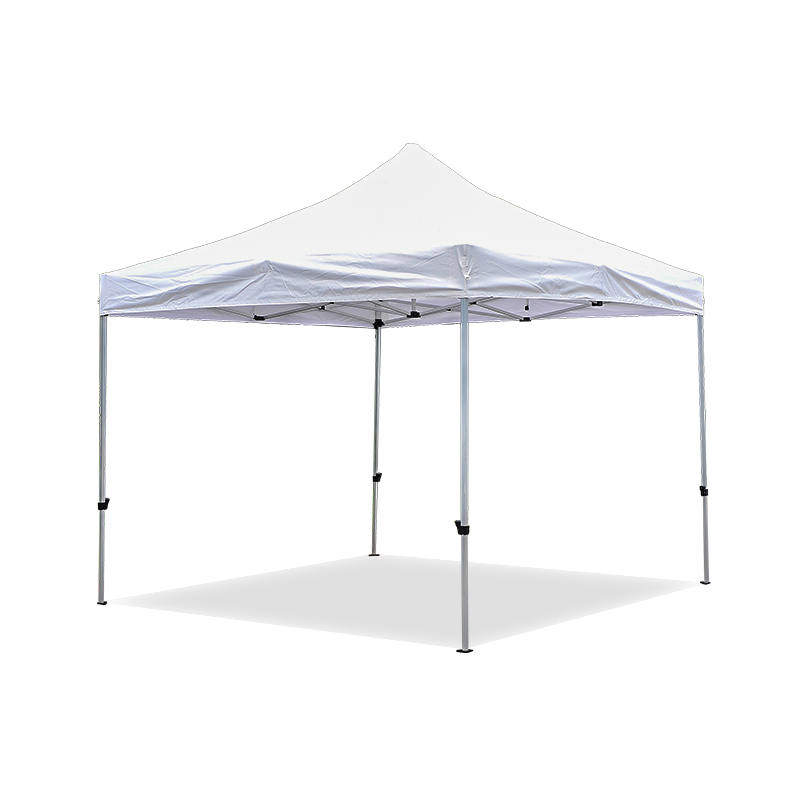
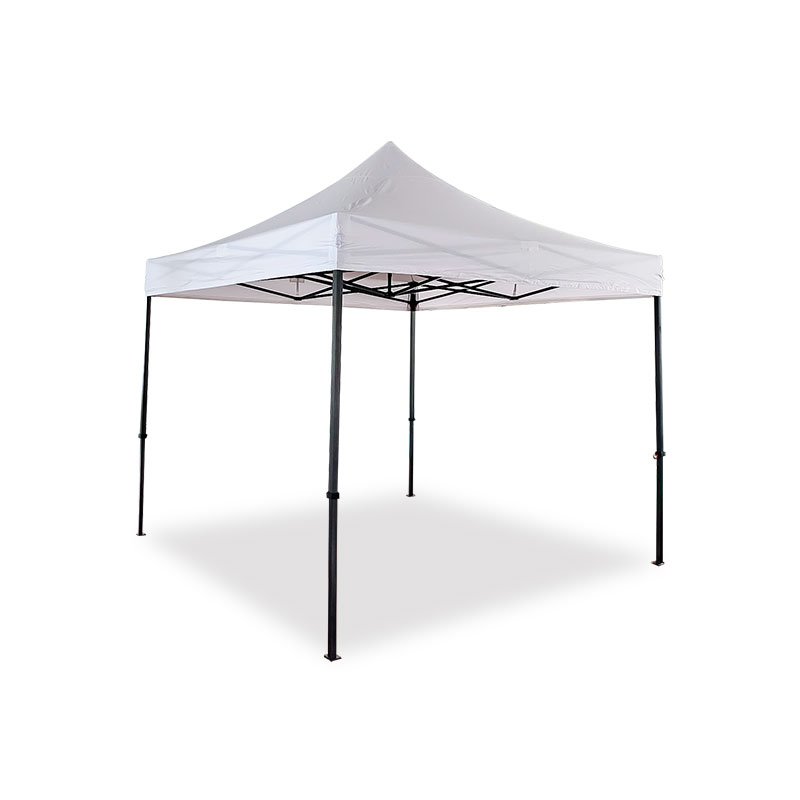
The fabric is only half the product. How a canopy transfers load into its frame — and how that frame transfers load into the ground or a wall — determines whether the structure survives a sudden wind gust or becomes a hazard. Most portable canopy frames use one of three structural approaches:
Frame Type Comparison (Score out of 10)
Straight-leg hub frames score higher on wind resistance and long-term durability; scissor-truss frames win on quick deployment and portability.
Steel frames offer better rigidity and lower cost per unit but add significant shipping weight; aluminum frames are standard for products where the end user moves the canopy repeatedly. Wall thickness matters more than outer diameter — a 28 mm aluminum tube at 1.2 mm wall thickness deflects noticeably under a 3×3 m span, while the same diameter at 1.8 mm wall holds without visible flex.
For buyers placing private-label or OEM orders, the customization phase is where unit cost, lead time, and brand quality diverge most sharply. A factory that only offers pre-set color SKUs cannot serve a buyer who needs to match a specific Pantone for a retail chain rollout. At Yuyao Seasons Touring Products Co., Ltd, the plastic spraying workshop handles frame color matching in-house, which removes the back-and-forth delay that occurs when frame coloring is subcontracted out.
Typical Production Lead Time by Customization Scope (Days)
Lead times above assume standard raw material availability. Custom fabric dyeing can add 5–8 days if sourced externally.
Packaging is a detail that buyers underestimate until a shipment arrives damaged. Custom carton color boxes with specific Pantone printing protect the product during transit and present well at point of sale. For canopy orders destined for retail channels, adding a barcode or QR code to the carton side panel during the packing stage — rather than relabeling at the warehouse — reduces per-unit cost meaningfully at volumes above 500 pieces. Cloth labels, hang tags, and inner bag printing are all decisions that need to be locked before production begins, not added as afterthoughts.
| Customization Type | Common MOQ | Lead Time Add | Notes |
|---|---|---|---|
| Custom fabric color | 50 pcs | +5–8 days | Pantone matching available |
| Screen/digital print logo | 30 pcs | +3–5 days | Artwork file required before production |
| Cloth label + hang tag | 100 pcs | +2–3 days | Lock design before production starts |
| Custom carton color box | 200 pcs | +5–7 days | Includes barcode / QR code printing |
| Frame color (spray) | 50 pcs | +3–4 days | In-house plastic spraying workshop |
Buyers comparing canopy quotes from different suppliers are often looking at structurally different products without realizing it. The five factors below account for most of the price spread in a typical competitive sourcing process:
Stepping from 180 g/m² to 260 g/m² adds roughly 15–22% to fabric material cost alone.
1.2 mm vs 1.8 mm aluminum tube — visible in weight difference but rarely in spec sheet descriptions.
Cast zinc connectors vs stamped steel — the difference shows up after 50+ assembly cycles, not the first.
Single-needle vs double-needle seaming with bartack reinforcement at stress points adds cost but prevents field failure.
Factory direct sales eliminate distributor margin; proper carton sizing reduces freight volume charge per unit.
Indicative Unit Price Trend vs Order Volume (Standard 3×3m Canopy, USD)
Factory direct pricing curve — no distributor markup applied. Figures are illustrative; actual pricing varies by spec.
Most portable canopies with scissor-truss frames are rated for wind speeds of 20–30 km/h when properly staked. Straight-leg hub frames with ground anchors can handle 40–50 km/h under test conditions. Beyond that, any canopy should be taken down — the limiting factor is usually stake pull-out force rather than fabric or frame failure. Never leave a canopy unattended in open terrain during forecast winds above 25 km/h.
Yes, and this is a common resupply scenario — canopy tops wear faster than frames and are often replaced after 2–3 seasons while the aluminum structure remains serviceable. When ordering a replacement top or a custom-printed top for an existing frame, provide the corner-to-corner diagonal measurement and leg pitch, not just the nominal size. A "3×3 m" label from different manufacturers can differ by up to 8 cm in actual cut dimensions.
To avoid revision loops, provide: finished canopy dimensions (L×W, pitch angle if not flat), fabric weight and color (Pantone code if specific), frame material (steel or aluminum) and tube diameter preference, all print artwork in vector format (AI or EPS), label and hang tag design, and carton marking requirements including barcode format and language. Orders placed from drawings or physical samples can be quoted directly — Yuyao Seasons Touring Products Co., Ltd accepts both and will return a pre-production sample for approval before full production begins.
The hydrostatic head (HH) test measures how much water pressure a fabric can resist before leaking, expressed in millimeters. A rating of 800 mm HH handles light rain; 1500 mm HH covers moderate rain; above 3000 mm HH is genuinely waterproof under sustained downpour. Many budget canopy products on the market are labeled "water-resistant" with HH ratings around 300–500 mm — which means the fabric sheds brief showers but saturates under 20 minutes of steady rain. Check the actual test rating, not just the marketing language.
In most cases, yes — especially for orders above 30–50 units where distributor margin becomes significant. The more important benefit is tighter specification control: when you place a canopy order directly with a factory that has its own hardware, spraying, sewing, and assembly workshops under one roof, mid-production spec changes can be absorbed without the communication chain that causes errors in multi-tier sourcing. Price is just one dimension; lead time reliability and defect rate consistency are often more valuable at scale.

Professional production of folding tents and portable hammocks 13 years of experience, your leisure yard good helper.
Copyright © Yuyao Seasons Touring Products Co., Ltd.All Rights Reserved. Custom canopy Factory
