
 English
 Español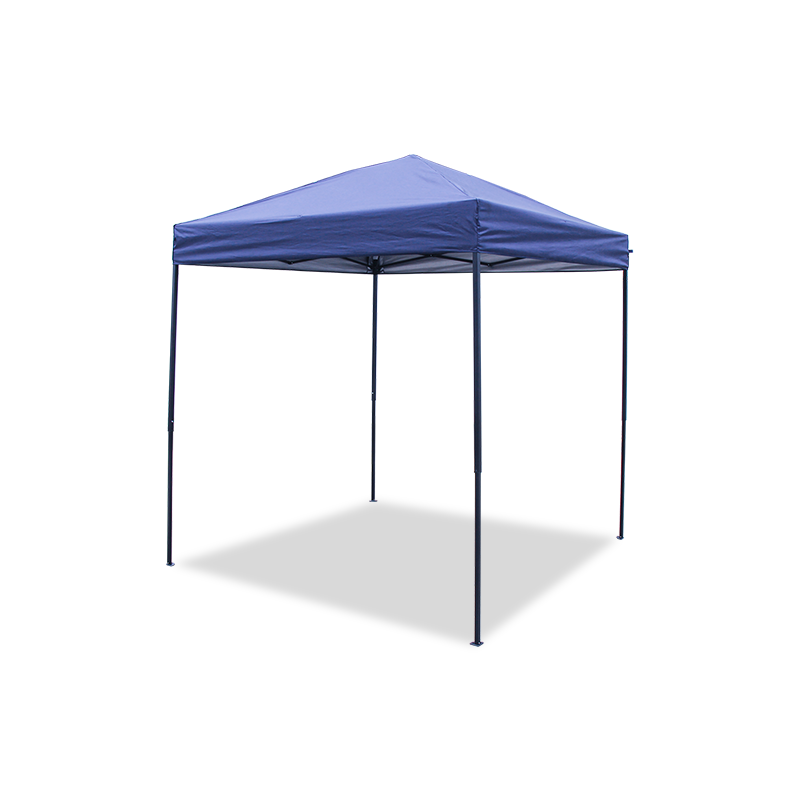
Customer expresses intent; Communicate between the two parties; Provide analysis reports to customers; Reach a cooperation intention.
Content
- 1 Signs Your 10x10 Canopy Needs a Replacement Top
- 2 Choosing the Right Fabric Weight for a 10x10 Canopy Top
- 3 Matching a Replacement Top to the Existing Frame
- 4 Step-by-Step Installation of a Replacement Canopy Top
- 5 Wind Resistance Considerations After Replacement
- 6 Extending the Life of a New Canopy Top
- 7 Frequently Asked Questions About 10x10 Canopy Replacement
A 10x10 canopy replacement is worth doing the moment the original canopy top shows sun-bleaching, fabric sag between the truss bars, or pinhole leaks after a storm, rather than waiting until the frame itself starts to bend from a worn-out cover pulling unevenly on the corners. Most 10x10 canopy tops last between 2 and 5 years under regular outdoor use, and swapping only the top fabric instead of the entire tent frame typically costs 60 to 75 percent less than buying a brand new unit. This guide walks through how to identify the right time for a 10x10 canopy replacement, how to match the replacement top and hardware to an existing frame, and how to extend the lifespan of the new cover once it's installed.
Signs Your 10x10 Canopy Needs a Replacement Top
The fabric on a 10x10 canopy degrades from UV exposure long before the frame itself fails. Polyester canopy fabric loses roughly 20 to 30 percent of its tensile strength after two summers of consistent sun exposure, according to outdoor fabric durability studies conducted by textile testing labs that track UV degradation rates in coated polyester. That strength loss shows up as small tears near the truss connection points, a chalky residue on the surface coating, and water that no longer beads up but instead soaks straight through the weave.
- Visible discoloration or fading across the canopy top, especially uneven fading where shadows from nearby structures protected parts of the fabric
- Small punctures or pinholes that let light through when the canopy is set up
- Sagging fabric between the ridge and valance that no longer pulls taut even when the legs are fully extended
- A musty smell or visible mildew spotting, which signals the waterproof coating has broken down
- Velcro strips or bungee loops that have torn away from the fabric edge
If the frame is still straight, the leg locks still click into place, and the truss bars don't wobble at the hubs, a replacement canopy top is almost always the more sensible fix compared to discarding the whole unit.
Choosing the Right Fabric Weight for a 10x10 Canopy Top
Replacement canopy tops are sold by fabric weight, usually measured in denier or ounces per square yard, and the weight you choose changes both the lifespan and the price of the replacement. A heavier fabric resists wind flutter better and survives more seasons, but it also adds weight that makes solo setup harder.
| Fabric Weight | Typical Material | Expected Lifespan | Best Use Case |
|---|---|---|---|
| 150D Polyester | Light coated polyester | 1 to 2 seasons | Occasional backyard or weekend use |
| 300D Polyester | Mid-weight coated polyester | 2 to 3 seasons | Farmers markets, regular weekend vending |
| 500D Polyester | Heavy coated polyester | 3 to 5 seasons | Commercial vendors, daily outdoor setup |
| 600D+ Polyester | Heavy-duty ripstop coated | 5+ seasons | Year-round commercial or high-wind regions |
For a household that sets a 10x10 canopy up for a handful of weekends each year, a 300D top strikes a reasonable balance between cost and durability. For anyone running a vendor booth multiple days a week, the 500D or 600D options pay for themselves by avoiding a second replacement within the same year.
Matching a Replacement Top to the Existing Frame
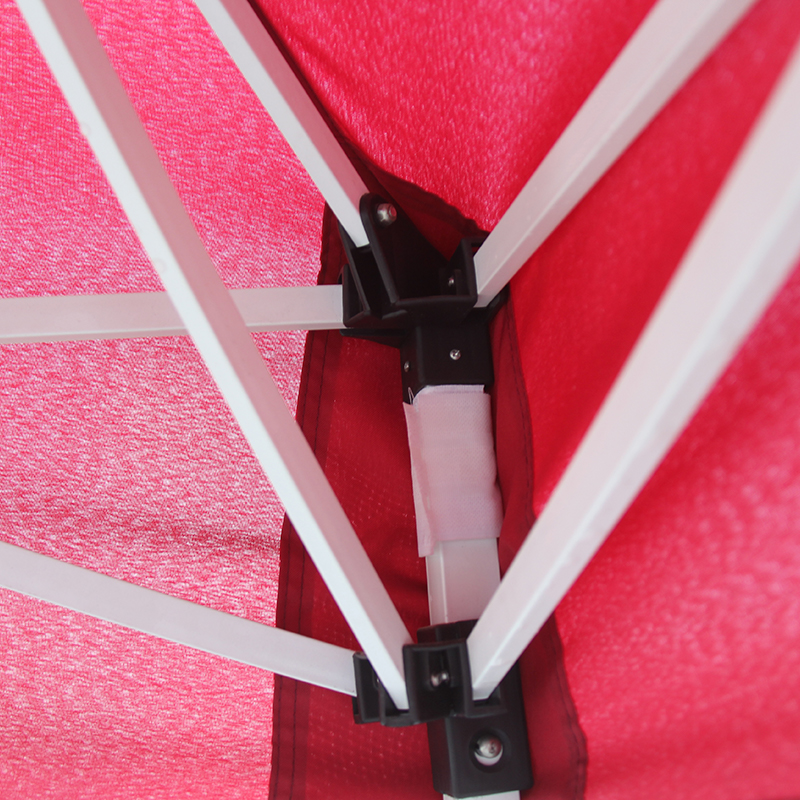
A 10x10 canopy replacement only fits correctly if the new top is sized to the same truss style and peak height as the original frame. There are two dominant frame geometries on the market, and confusing them is the most common reason a replacement top arrives too loose or too tight.
Slant Leg vs Straight Leg Frames
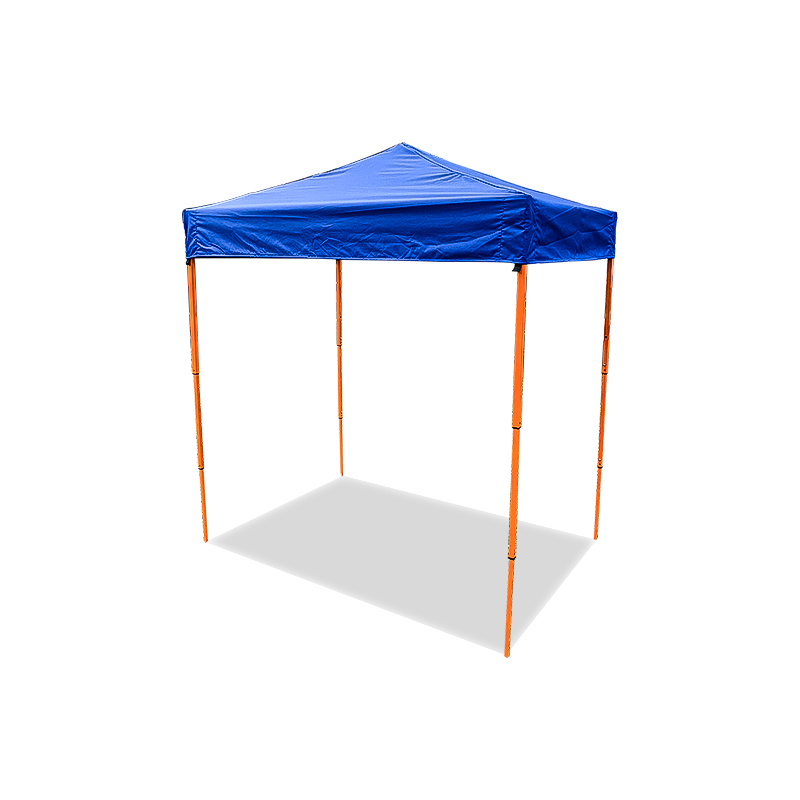
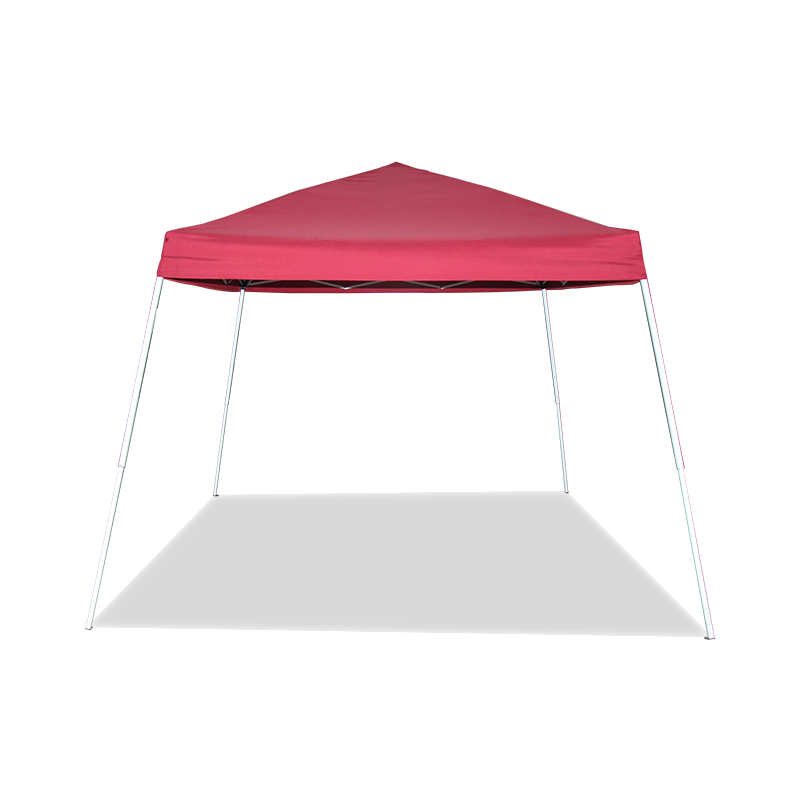
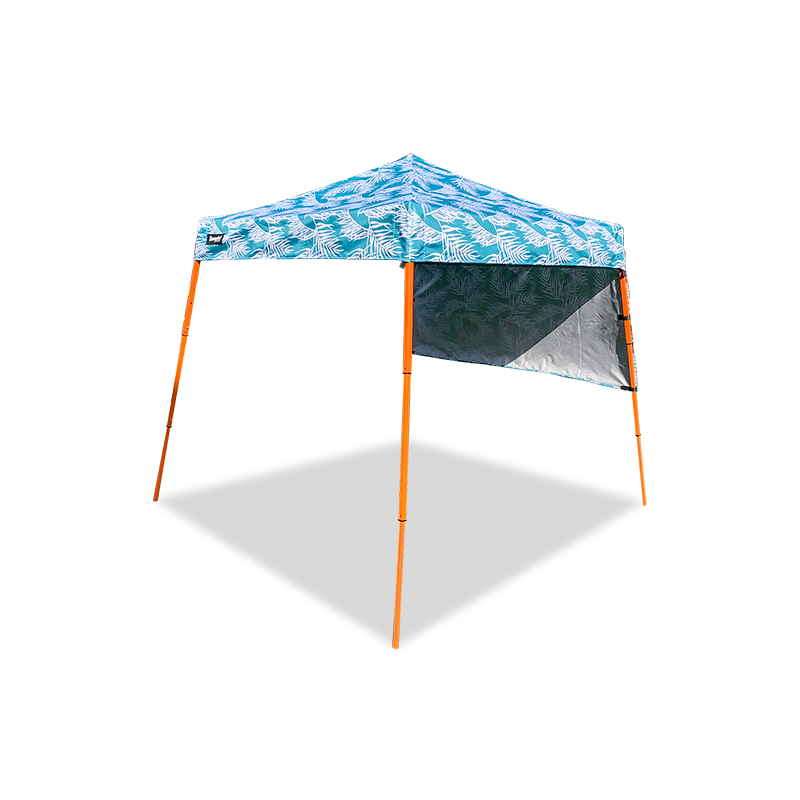
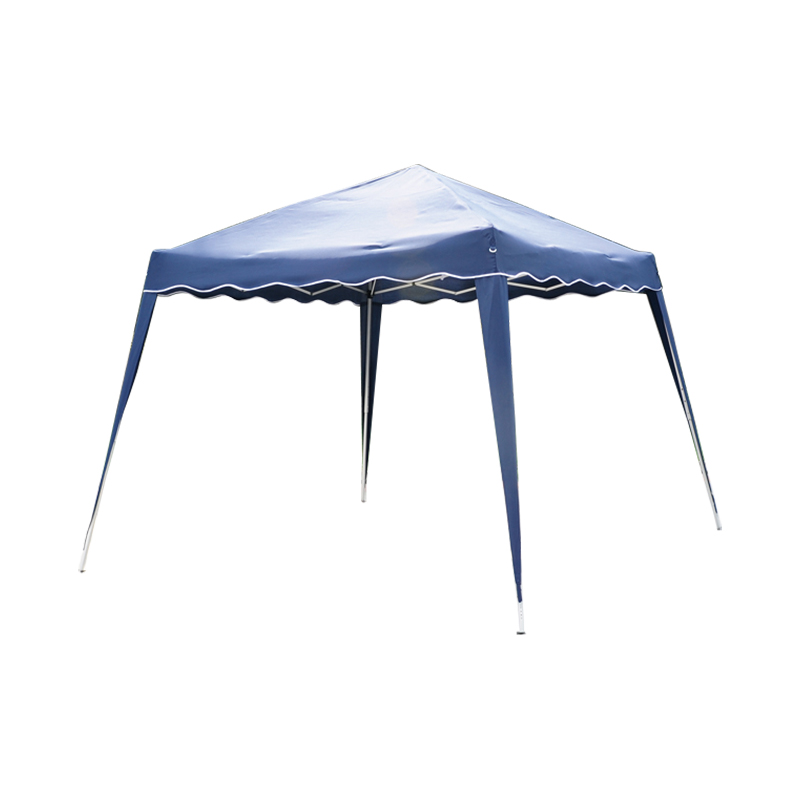
Slant leg canopies have legs that angle outward from the peak, which means the actual footprint at ground level is wider than 10x10 while the canopy top itself is still cut to a 10x10 dimension. Straight leg canopies keep the legs vertical, so the footprint matches the top size more closely. Buying a top designed for a straight leg frame and installing it on a slant leg frame usually results in fabric that won't reach the corner brackets without excessive stretching.
Peak Height and Valance Style
Canopy tops also vary by whether they include a valance, the short skirt of fabric that drops down from the roofline. A replacement top without a valance will look noticeably shorter than the original and may expose the truss hardware. Measuring the peak height of the existing frame from the ground to the top hub, along with checking whether a valance was originally present, prevents a mismatched purchase.
Step-by-Step Installation of a Replacement Canopy Top
Installing a new 10x10 canopy top takes most people between 20 and 35 minutes once the frame is fully open and locked. Working with the frame partially open makes it far harder to stretch the fabric evenly.
- Fully extend and lock the frame so all four corner legs are at the same height and the leg locks are engaged.
- Remove the old canopy top by unhooking the Velcro straps or bungee loops from each truss bar, working from one corner to the next.
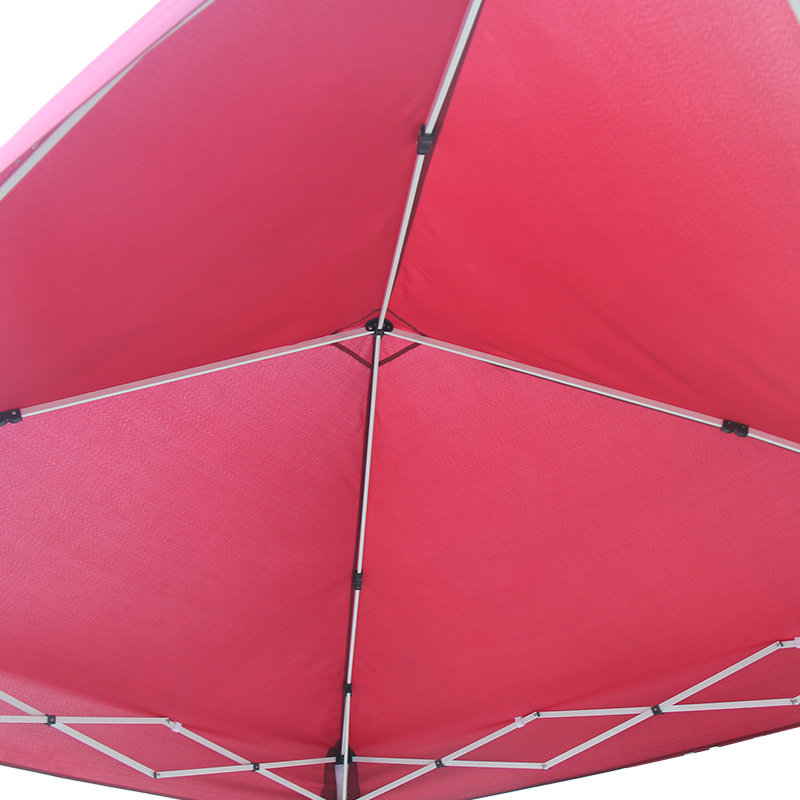
- Lay the new canopy top over the frame with the peak opening centered directly over the top hub.
- Slide the corner pockets of the new top down over each of the four corner brackets until they sit flush.
- Secure the Velcro straps or bungee loops to each truss bar, alternating between opposite corners rather than working around the frame in one direction, which keeps tension even.
- Check the peak for a snug, wrinkle-free fit, then adjust any loose strap before lowering the frame slightly to relieve tension during storage.
Skipping the alternating-corner method in step 5 is the most frequent cause of a lopsided canopy top, since pulling all four straps on one side before the opposite side leaves uneven slack that's difficult to correct afterward.
Wind Resistance Considerations After Replacement
A fresh canopy top changes how the structure handles wind compared to a worn one, mainly because new fabric has less stretch and transfers more force directly into the frame and anchor points. Canopy structures without proper anchoring can become unstable in sustained winds above 20 to 25 mph, based on wind load guidance commonly referenced by outdoor structure manufacturers for unanchored pop-up frames. Replacing the top is a good opportunity to also inspect and replace stakes, sandbags, or weight bags that may have degraded alongside the fabric.
| Wind Condition | Recommended Weight per Leg |
|---|---|
| Calm, under 10 mph | 15 to 20 lbs |
| Moderate, 10 to 20 mph | 30 to 40 lbs |
| Gusty, 20 to 30 mph | 50+ lbs or stake anchoring |
Lowering the canopy top partially during gusty conditions, even with a new and tighter-fitting fabric, reduces the surface area catching wind and is a simple habit that extends the life of both the new top and the frame's truss bars.
Extending the Life of a New Canopy Top
The same UV exposure and moisture cycles that wore out the original cover will eventually affect the replacement, but a few habits push that timeline out considerably.
- Let the canopy top dry fully before folding and storing it, since trapping moisture inside the fabric folds accelerates mildew growth
- Store the folded canopy in a breathable bag rather than a fully sealed plastic container
- Rinse off pollen, tree sap, and dust with plain water before the residue bonds with the UV coating
- Avoid leaving the canopy set up unattended during storms, since pooled rainwater in the center of the top adds significant stress to the seams
- Apply a fabric-safe UV protectant spray once or twice per season if the canopy sits outdoors for extended stretches
Vendors who follow this routine consistently report getting closer to the upper end of a fabric's rated lifespan rather than the lower end, simply because storage habits account for a large share of premature wear.
Frequently Asked Questions About 10x10 Canopy Replacement
Can any 10x10 canopy top fit any 10x10 frame?
No. Truss style, peak height, and the presence or absence of a valance all need to match the original frame, even though every top is labeled as a 10x10 size.
Is it cheaper to replace the canopy top or buy a new frame and top together?
Replacing only the top is almost always cheaper when the existing frame is structurally sound, since the fabric typically represents a much smaller share of total manufacturing cost than the steel or aluminum frame.
How do I know if my canopy uses a slant leg or straight leg frame?
Look at the legs when the canopy is fully open. If they angle outward toward the ground, it's a slant leg frame. If they run straight down from the corner brackets, it's a straight leg frame.
Will a replacement top come with new Velcro or bungee attachments?
Most replacement tops include their own attachment hardware sewn directly into the fabric edges, so there's no need to transfer hardware from the old top.

