
 English
 Español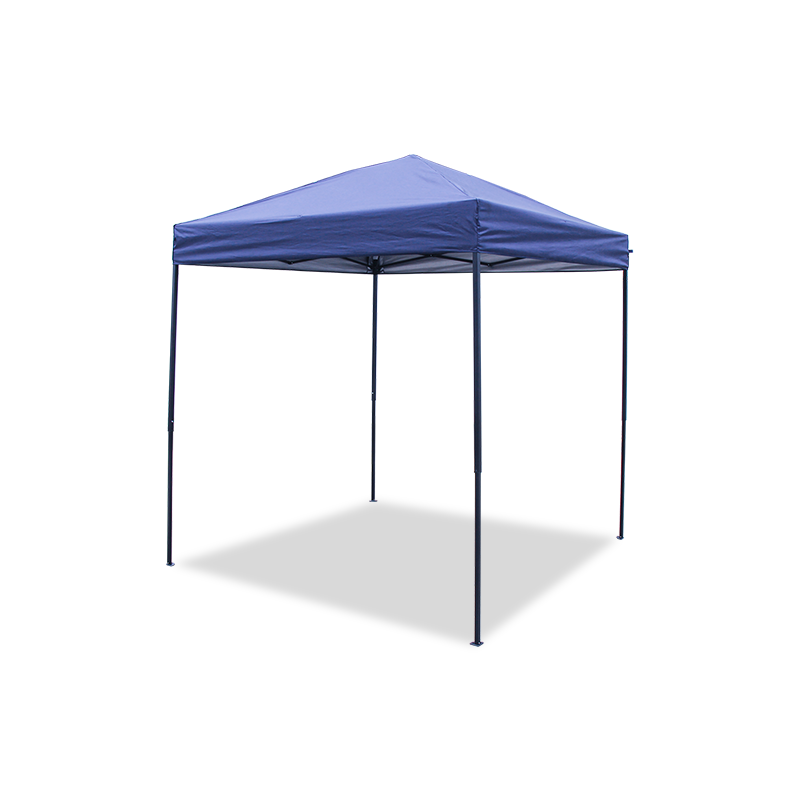
Customer expresses intent; Communicate between the two parties; Provide analysis reports to customers; Reach a cooperation intention.
Content
- 1 What Is a 6 x 40 Canopy and What Can It Actually Cover?
- 2 Common Applications Where a 6 x 40 Canopy Excels
- 3 Frame Materials and What Each One Means for Your Setup
- 4 Canopy Cover Fabrics: Polyester, Polyethylene, and PVC Compared
- 5 Anchoring a 6 x 40 Canopy: Stakes, Weights, and Wall Mounts
- 6 How Modular Canopy Systems Reach 40 Feet
- 7 Height Options and Clearance Considerations
- 8 Buying a 6 x 40 Canopy: What to Look For and What to Avoid
- 9 Maintenance and Longevity of a 6 x 40 Canopy
- 10 Frequently Asked Questions About 6 x 40 Canopy Systems
What Is a 6 x 40 Canopy and What Can It Actually Cover?
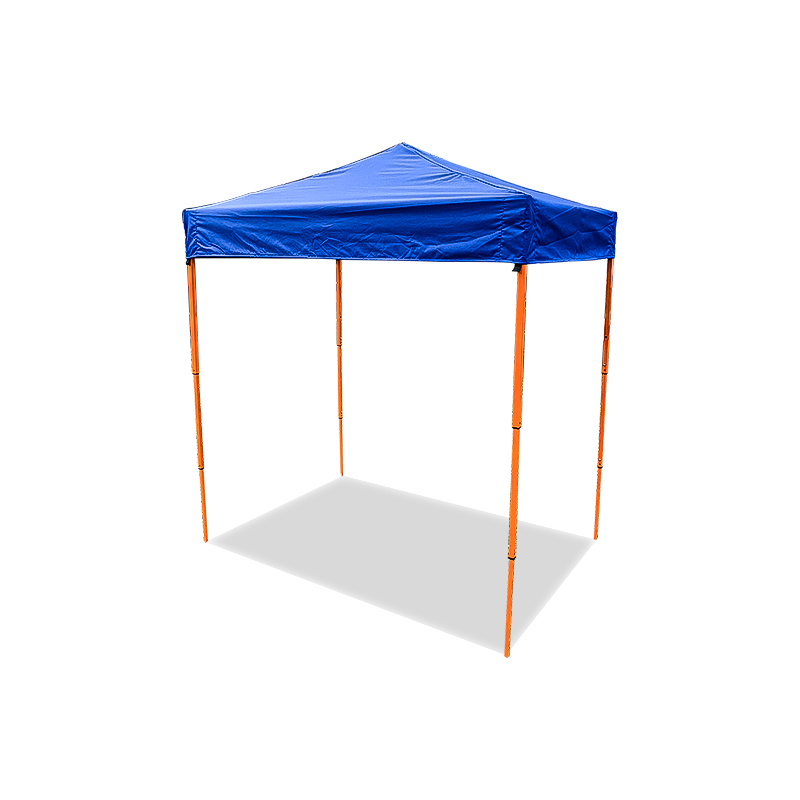
A 6 x 40 canopy refers to a shelter structure measuring 6 feet wide by 40 feet long, delivering 240 square feet of continuous covered space in a single run. That footprint is wide enough to shelter two standard banquet tables side by side, and long enough to run from the entrance of a warehouse bay to the far wall of a loading dock. For comparison, a typical 10x10 pop-up canopy tent gives you only 100 square feet — a 6x40 configuration provides more than double that coverage in a narrow, linear format that fits corridors, driveways, and alleyways where square footprints simply do not work.
The 40-foot span is the defining characteristic here. Most portable canopy systems top out at 20 or 30 feet before requiring a separate frame. At 40 feet, you are entering semi-permanent or modular territory, which means the structure needs either a heavy-gauge steel or aluminum frame system, or a series of linked canopy bays secured to a common ridge line. Both approaches are in active use across outdoor markets, industrial sites, military staging areas, and event production workflows.
The direct answer to whether a 6x40 canopy is practical: yes, but only with the right frame spec and anchor strategy. Without proper lateral bracing, a 40-foot run at only 6 feet wide creates a high length-to-width ratio that makes the structure susceptible to racking under wind load. Most manufacturers rate their 6x40 canopy frames for winds between 25 and 45 mph when properly staked, with reinforced versions reaching 60 mph ratings when using weighted ballast or auger anchors.
Common Applications Where a 6 x 40 Canopy Excels
The narrow, elongated footprint of a 6x40 canopy is not a limitation — it is a feature for specific use cases. Spaces that would be awkward to cover with a square or wide rectangular canopy become straightforward with this configuration.
Outdoor Markets and Vendor Rows
Farmers markets, craft fairs, and street food festivals routinely use 10-foot-wide canopy bays positioned back to back, but a single 6x40 canopy running the full length of a vendor row creates a cleaner visual line and eliminates the gaps between individual frame legs. A 40-foot run accommodates four standard 8-foot vendor tables in a single column with walking clearance at both ends. Several event coordinators in the Southeast U.S. market have shifted to this format specifically because it reduces setup time from approximately 45 minutes for four separate 10x10 tents to under 20 minutes for one continuous 6x40 canopy run.
Loading Dock and Warehouse Entry Coverage
Industrial facilities frequently need weather protection over a pathway that connects a dock door to a staging area or exterior storage zone. A 6-foot width clears standard pallet jack traffic (most electric pallet jacks measure 27–30 inches wide) with room for a worker to walk alongside. The 40-foot length bridges dock-to-storage distances that are common in mid-size distribution facilities. In this application, the canopy is typically wall-mounted on one end and supported by freestanding legs on the opposite end, using 2-inch square steel uprights rated to support the dead load of a 200-gram polyester or PVC-coated cover plus 15 lbs/ft² of snow accumulation in northern climates.
Outdoor Shooting Ranges and Sports Facilities
A 6-foot-wide canopy running 40 feet provides covered lanes for archery ranges, golf practice bays, or rifle range firing lines. Standard shooting lanes at outdoor ranges are typically 4 to 5 feet wide, meaning a 6x40 canopy can protect up to eight individual positions in a single run without the shooter needing to lean around a frame leg. The consistent overhead coverage eliminates the shadow and rain-channeling problems that affect individual pop-up canopy placement at these facilities.
Emergency and Disaster Response Staging
FEMA and military emergency management teams frequently use modular canopy systems in narrow configurations for equipment staging, triage lines, and supply distribution corridors. The 6x40 footprint works well for a single-file queue under cover — accommodating up to 25–30 people standing at 18-inch intervals along a 40-foot line. Speed of deployment matters in these scenarios, and canopy systems in this size range can typically be erected by two people in 15–25 minutes depending on anchor type.
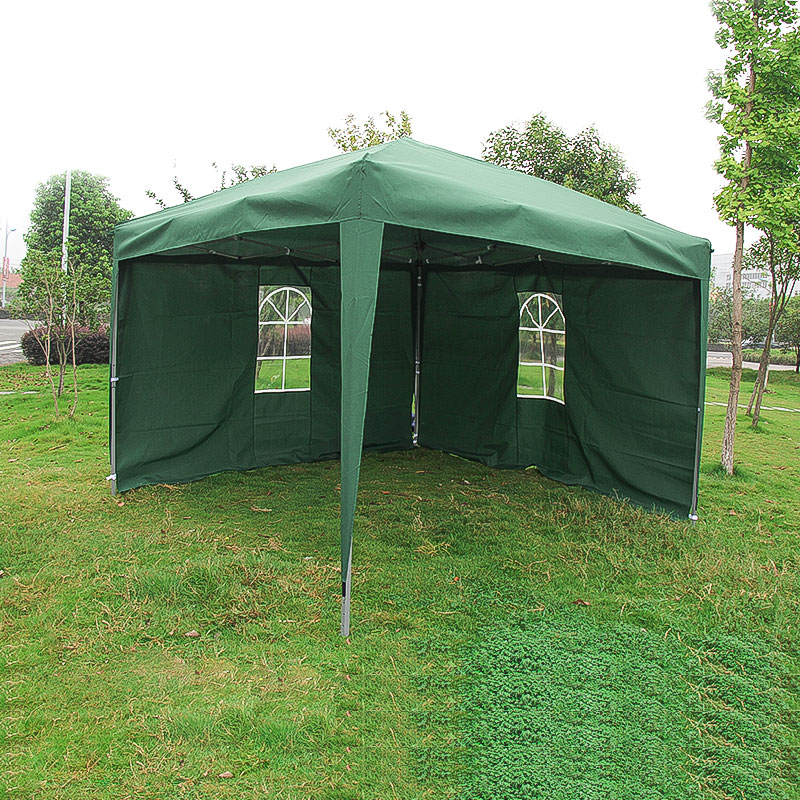
Frame Materials and What Each One Means for Your Setup
The frame is the most consequential decision in any canopy purchase, and this is especially true at the 40-foot length. A poorly chosen frame material will either add unnecessary weight that complicates transport, or flex under load in a way that tears the canopy fabric prematurely at the attachment points.
| Frame Material | Weight per Linear Foot | Rust Resistance | Typical Load Rating | Best Use Case |
|---|---|---|---|---|
| Powder-coated steel | 3.5 – 5 lbs | Moderate (coating dependent) | 40–60 mph wind | Semi-permanent, heavy-duty industrial |
| Galvanized steel | 4 – 6 lbs | High | 45–65 mph wind | Coastal, high-humidity environments |
| 6061 Aluminum | 1.5 – 2.5 lbs | Very high (natural oxide layer) | 30–50 mph wind | Portable events, frequent transport |
| Fiberglass composite | 1 – 2 lbs | Excellent | 25–40 mph wind | Electrical work areas, specialized use |
For most buyers who intend to use a 6x40 canopy in a semi-permanent outdoor position — such as a covered walkway, a permanent market stall, or a fixed range cover — galvanized steel tubing in 1.5-inch or 2-inch square profile provides the best combination of rigidity and weather resistance. The added weight compared to aluminum is rarely a problem when the structure stays in one place for months at a time.
For buyers who need to move the 6x40 canopy frequently between events or locations, 6061 aluminum with cross-bracing at every 10 feet of span is the practical choice. A fully broken-down aluminum frame for a 6x40 canopy typically fits in a 48-inch bag and weighs between 60 and 90 pounds total, which two people can handle without mechanical assistance.
Canopy Cover Fabrics: Polyester, Polyethylene, and PVC Compared
The canopy top is what actually does the weather work, and fabric selection for a 6x40 run matters more than it does for a small 10x10 shelter. Over 240 square feet of surface area, differences in UV resistance, water pooling behavior, and weight distribution become amplified.
Polyester with PU Coating
This is the most common material for portable canopy tops sold in the North American market. A good-quality polyester canopy rated at 600D (denier) with a 1500mm hydrostatic head rating will handle moderate rainfall — roughly 1–2 inches per hour — without seepage. At 40 feet of length, however, you need to pay close attention to ridge pitch. A flat-profile 6x40 canopy made of 600D polyester will begin to pool water in the middle under sustained rainfall, and any standing water adds approximately 8 lbs per gallon of load directly to the crown of your frame. A minimum pitch of 10 degrees along the ridge line is required to prevent pooling on a canopy of this length.
Polyethylene (PE) Tarps and Canopy Covers
PE woven fabric with laminated coating is heavier per square foot than polyester — typically 6–12 oz/sq.yd versus 4–7 oz/sq.yd for polyester — but it is less expensive at scale and resists punctures better in high-traffic environments where tools or branches might make contact with the canopy surface. For a 6x40 canopy used in an industrial setting, PE cover material is a practical choice. The main drawback is UV degradation: standard PE canopy fabric has a useful life of 2–4 years in full sun before it becomes brittle and begins to tear at stress points, versus 5–8 years for UV-stabilized polyester.
PVC-Coated Vinyl
PVC-coated vinyl at 18 oz/sq.yd or heavier is the gold standard for permanent or semi-permanent 6x40 canopy installations. It is fire-retardant, waterproof to any realistic rainfall intensity, UV-stable for 10+ years, and easy to clean. The weight penalty is significant — a 6x40 PVC cover weighs 60–80 lbs before hardware — but this is not relevant for structures that stay in place. If your canopy is covering a fixed outdoor space year-round, the cost difference between PVC vinyl and polyester pays back in longevity within the first two years of service life.
Anchoring a 6 x 40 Canopy: Stakes, Weights, and Wall Mounts
The failure mode that most often damages a 6x40 canopy is not a manufacturing defect — it is inadequate anchoring. A canopy at 40 feet of length presents a significant wind sail area even at only 6 feet wide, and the structure needs to resist both lateral (side-to-side) and longitudinal (end-to-end) forces simultaneously.
- Ground stakes: 18-inch steel auger stakes rated at 200 lbs pull-out force are the minimum for a ground-installed 6x40 canopy in soil. Place stakes at every upright position (typically every 8–10 feet) and use guy lines at 45-degree angles from the top of each stake point. In sandy or soft soil, increase stake length to 24 inches or switch to a screw-type auger stake.
- Ballast weights: For canopy installation on concrete, asphalt, or any hard surface where stakes are not possible, use leg weights rated at a minimum of 40 lbs per upright. At 6 legs across a 40-foot run, that is 240 lbs of ballast minimum — do not underestimate this. Commercial canopy weights filled with sand or water are available and practical for events that move regularly.
- Wall-mount brackets: When the canopy is installed adjacent to a building, bracketing one long side to the wall face significantly reduces the anchor load on the freestanding legs. Use through-bolted lag screws into structural wall members — not drywall anchors — rated at a minimum 500 lbs shear per bracket.
- Ratchet straps across the top: On particularly windy sites, running ratchet straps across the canopy frame transversely — not the fabric — at every third bay provides resistance against lateral racking that individual stakes cannot prevent alone.
As a general rule, any canopy exceeding 20 feet in length should be treated as a wind-sensitive structure and anchored accordingly, regardless of how calm the weather appears at setup. Conditions can change faster than a canopy can be taken down, and a 6x40 canopy becoming airborne poses serious injury risk to people nearby.
How Modular Canopy Systems Reach 40 Feet
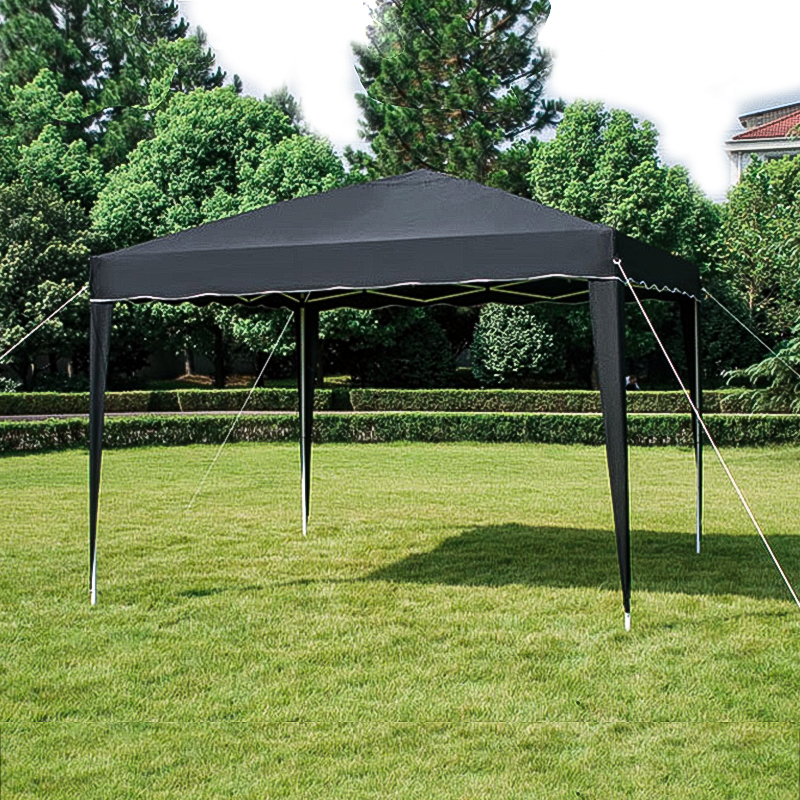
Most canopy manufacturers do not produce a single-piece 40-foot frame. Instead, a 6x40 canopy system is typically assembled from multiple 6x10 or 6x20 bays joined together by coupler hardware along a shared ridge beam. This modular approach has significant advantages for transportation, storage, and flexibility.
A four-bay system of 6x10 sections joined end to end produces a 6x40 canopy run. The connections between bays use either sleeve couplers (one tube slides inside another), bolt-flange joiners, or drop-over collars, each with different installation speeds and structural ratings:
- Sleeve couplers are the fastest to assemble (30 seconds per joint) but offer the least rigidity at the connection point. They work well for temporary canopy setups where the structure will be taken down within 24–48 hours.
- Bolt-flange joiners require a wrench and 2–3 minutes per connection but create a near-rigid joint that allows the full 40-foot run to behave as a single structural unit. This is the appropriate choice for semi-permanent 6x40 canopy installations.
- Drop-over collars use a clamp that drops over both tube ends and tightens with a cam lever. Assembly speed falls between the other two options, and structural performance is closer to a bolt-flange connection.
Always verify that the canopy fabric panels are designed to match the bay width of your frame system. A 6x10 cover panel placed on a 6x10 bay with 1-inch overlap at each end gives you an effective 8-foot weather cover per bay, not 10 feet. Over four bays, this can mean 8 feet of exposed frame between cover panels if the sizing is not coordinated.
Height Options and Clearance Considerations
Standard canopy leg heights fall into three categories: low (6 feet), medium (8 feet), and tall (10–12 feet). For a 6x40 canopy, the height choice has downstream effects on structural stability, usability, and cost.
At 6-foot leg height, the canopy is compact and stable. The lower center of gravity reduces lever-arm forces on the anchors during wind events. However, 6-foot clearance is limiting for most commercial applications — a person of average height (5'10") walking under the canopy edge has only 2 inches of headroom clearance, making this practical only for seated use or storage.
At 8-foot leg height, the 6x40 canopy covers the majority of pedestrian traffic comfortably, including people carrying boxes or equipment overhead. This is the most common height for vendor, market, and light industrial applications. An 8-foot-tall 6x40 canopy has a sail area of approximately 320 sq.ft. when accounting for the end faces, which increases the anchor load calculation substantially — plan accordingly.
At 10–12-foot leg height, the canopy can accommodate forklift traffic (standard counterbalance forklifts require a minimum 7.5-foot overhead clearance for the mast in lowered position), vehicles pulling through a covered lane, or tall display structures at events. At this height, the canopy must be treated as a high-wind-risk structure and requires engineering review in jurisdictions that apply temporary structure codes.
Buying a 6 x 40 Canopy: What to Look For and What to Avoid
The market for canopy systems in this size range includes both purpose-built 6x40 configurations and DIY assemblies from modular components. Neither is inherently better, but each comes with different due-diligence requirements before purchase.
Things to verify before buying
- Confirm whether the listed price includes both the frame and the cover, or just one component. Many commercial canopy sellers price frame and cover separately, and a quality 6x40 PVC cover can cost as much or more than the frame itself.
- Ask for the wall thickness of the frame tubing, not just the outer diameter. A 2-inch square tube at 0.065-inch wall thickness is meaningfully weaker than the same size at 0.120-inch wall — the difference is not apparent from product photos.
- Check whether the canopy fabric has welded or stitched seams. Welded seams on vinyl or PVC canopy covers are waterproof by design; stitched seams require seam sealer applied periodically to prevent water ingress through the needle holes.
- Verify anchor hardware is included. Many 6x40 canopy systems ship with the frame and cover but no stakes, weights, or guy lines — these are sold separately and are essential.
- If ordering from overseas suppliers, request a sample of the canopy fabric before committing to full quantity. Denier ratings and hydrostatic head values are frequently overstated in product listings from low-cost manufacturers.
Red flags in canopy product listings
- Wind resistance claims above 45 mph without a testing certificate or engineering stamp — these numbers are frequently unsupported marketing claims.
- Frame weight below 40 lbs for a full 6x40 aluminum system — this almost always indicates undersized tubing that will flex excessively under load.
- No mention of UV inhibitor or UV stabilizer in the canopy fabric specification — untreated polyester or PE fabric in full sun will degrade within 18 months in most climates.
- Listings that show the canopy assembled without cross-bracing at the legs — a 40-foot canopy without triangulated knee braces at each upright will rack under minimal lateral force.
Maintenance and Longevity of a 6 x 40 Canopy
A well-maintained 6x40 canopy system can give reliable service for a decade or more if the right practices are followed consistently. The majority of premature canopy failures are preventable and fall into three categories: UV degradation, moisture damage from improper storage, and mechanical fatigue at connection points.
- Clean the canopy cover at least twice per year with mild soap and water. Dirt, bird droppings, and organic matter accelerate UV degradation and can create localized pH damage on polyester and vinyl covers. Do not use bleach-based cleaners on polyester — they weaken the fiber structure.
- Never store the canopy fabric while damp. Moisture trapped in a folded or rolled canopy cover promotes mold and mildew, which stains the fabric and can deteriorate PU coatings within one storage season if the environment is warm. Always allow the cover to dry completely before folding.
- Inspect all connection points and coupler hardware annually. On a 6x40 modular canopy system, the joints between bays are the highest-stress points in the structure. Look for deformation, cracking of weld points, and corrosion at bolt holes. Replace hardware at the first sign of wear — a coupler failure mid-span on a 40-foot canopy can cause progressive collapse of the entire structure.
- Apply UV protectant spray to vinyl and polyester covers annually — products based on 303 Aerospace Protectant chemistry are well-established for this purpose and can extend the useful life of a canopy cover by 2–3 years in high-UV climates like the American Southwest.
- Remove snow accumulation immediately. A 6x40 canopy cover at flat pitch can accumulate hundreds of pounds of wet snow before the frame reaches its design load limit. Do not assume the frame will hold — use a soft broom to clear the canopy from underneath immediately after snowfall events.
Frequently Asked Questions About 6 x 40 Canopy Systems
Can I extend a 6x40 canopy to a longer run later?
Yes, if you purchase a modular system. Most commercial canopy frame manufacturers build their products to accept additional bay sections using the same coupler hardware. Confirm with the supplier before buying that the end-cap uprights at the 40-foot termination point are identical in profile to the interior uprights — some systems use heavier end posts that are not interchangeable with a standard bay extension kit.
Is a permit required for a 6 x 40 canopy?
This depends entirely on your jurisdiction and whether the canopy is classified as temporary or permanent. In many U.S. municipalities, temporary canopy structures under 400 sq.ft. do not require a building permit if they are not attached to a permanent structure and are not enclosed on more than three sides. A 6x40 open-sided canopy at 240 sq.ft. usually falls below this threshold, but rules vary significantly by county and city. Always check with your local planning or building department before installation in a commercial or public setting.
What is the price range for a complete 6 x 40 canopy system?
Entry-level aluminum-frame systems with polyester covers run from approximately $400 to $800 for a basic four-bay configuration in this footprint, depending on fabric weight and frame gauge. Mid-grade systems with 300D or 600D polyester covers and 1.5-inch aluminum frames range from $800 to $1,800. Professional-grade systems with galvanized steel frames and PVC-coated vinyl covers start at $1,800 and can reach $5,000 or more for custom-cut covers with reinforced eyelets, branded printing, and engineered anchor hardware packages.
How many people does it take to set up a 6 x 40 canopy?
A minimum of two people are required for safe assembly of a 6x40 canopy, and three to four people is recommended for efficient setup. The primary challenge is lifting and aligning the ridge beam sections while simultaneously supporting the upright legs — a task that becomes difficult with only two people at 40 feet of linear span. With a four-person crew familiar with the system, a bolt-flange modular 6x40 canopy can be erected and staked in 20–30 minutes.
Can a 6 x 40 canopy handle high winds?
With proper anchoring, yes — within limits. Most commercial 6x40 canopy systems are rated for 35–45 mph sustained wind when staked to specification. Gusts above that threshold can cause structural failure regardless of anchoring quality, because the canopy fabric itself acts as a sail that applies enormous lever forces to the frame joints. In areas where wind gusts exceeding 40 mph are common — coastal regions, open plains, mountain passes — a solid roof canopy structure is safer than an open-sided canopy frame for long-term installation.

