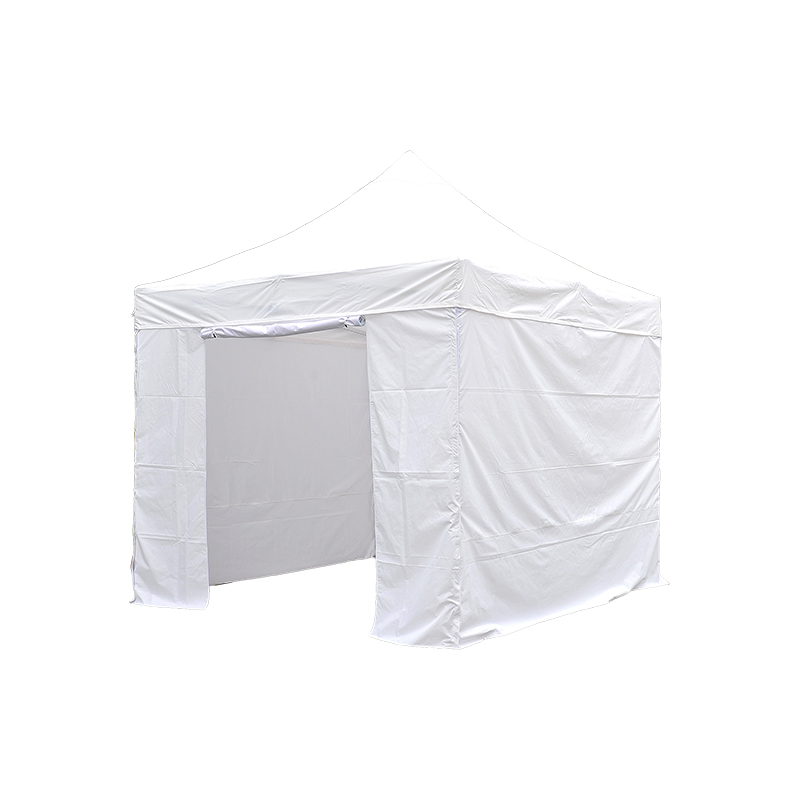
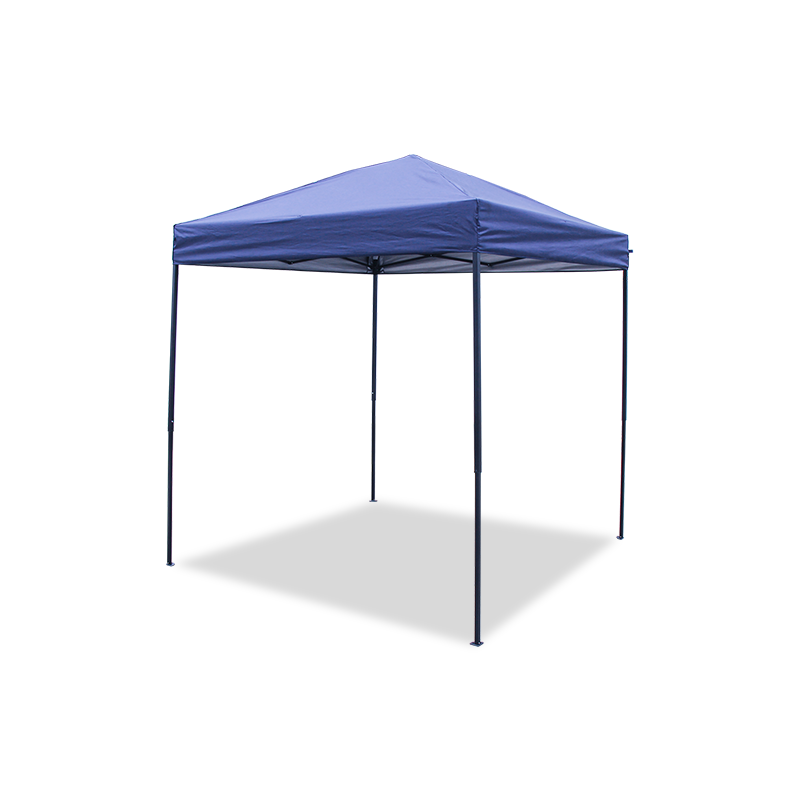
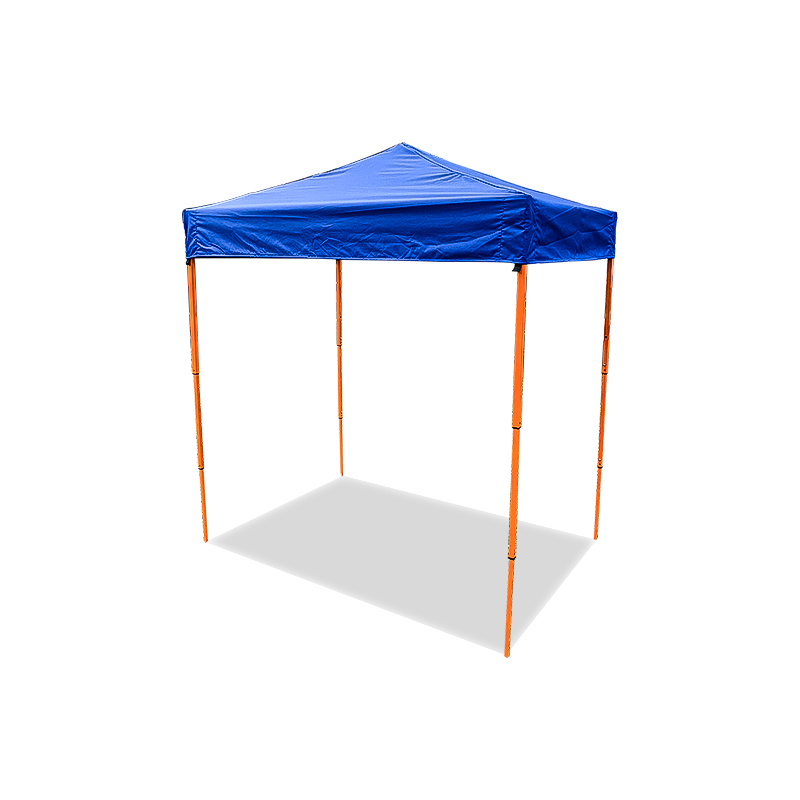
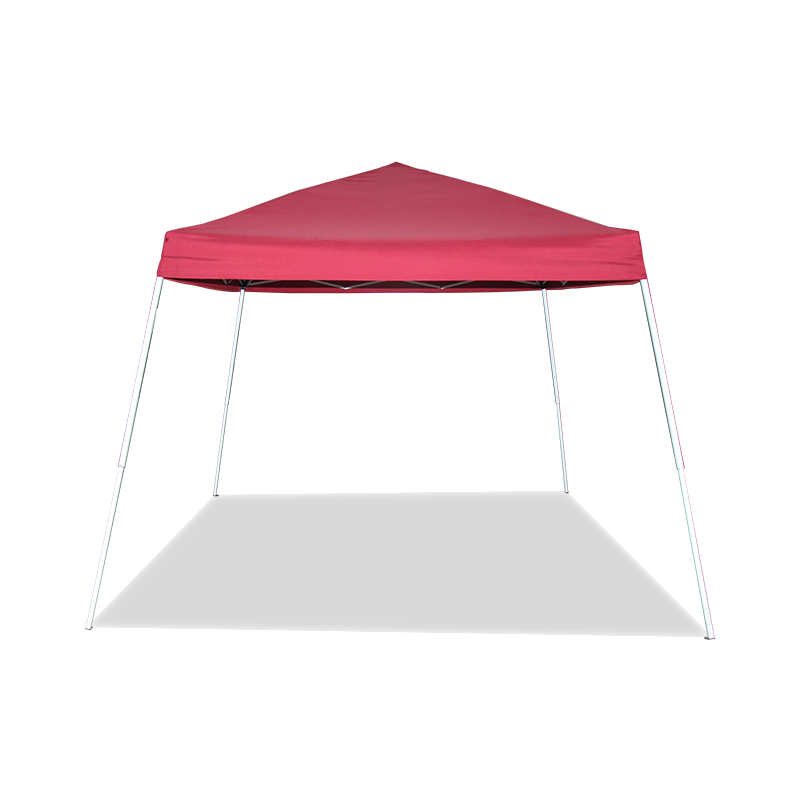
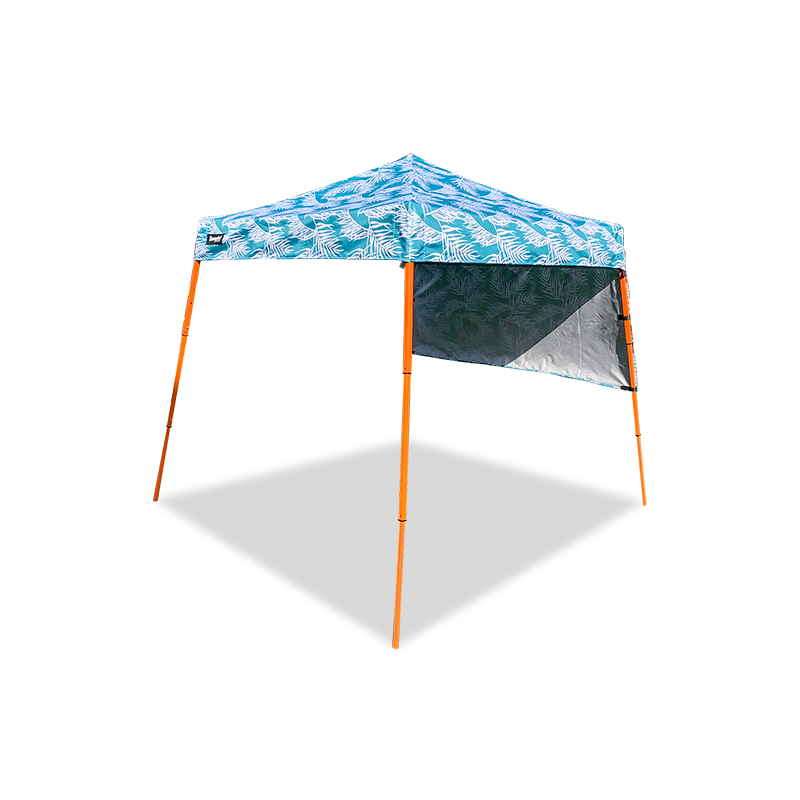
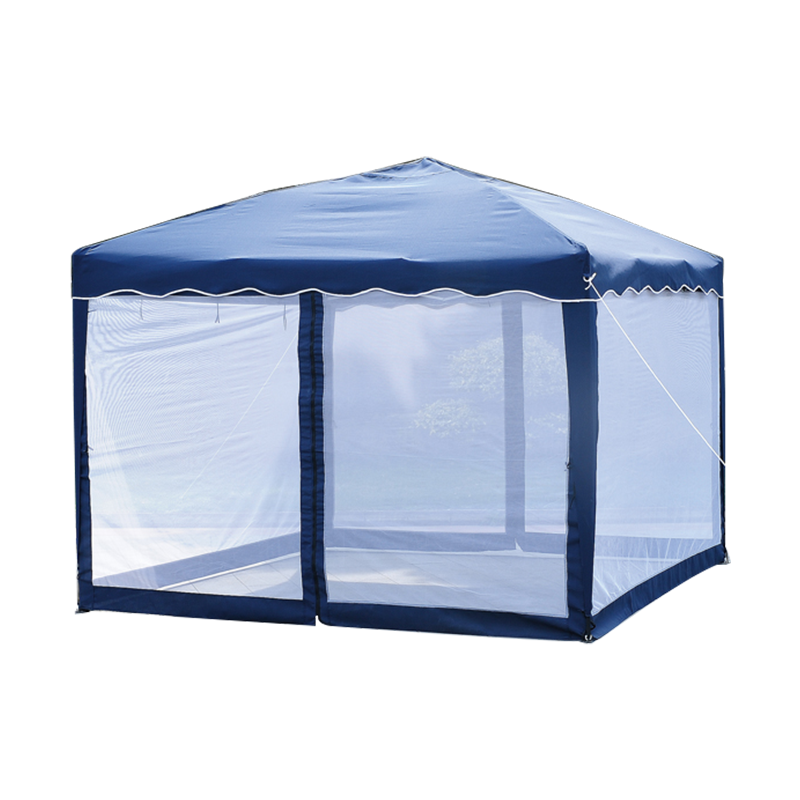
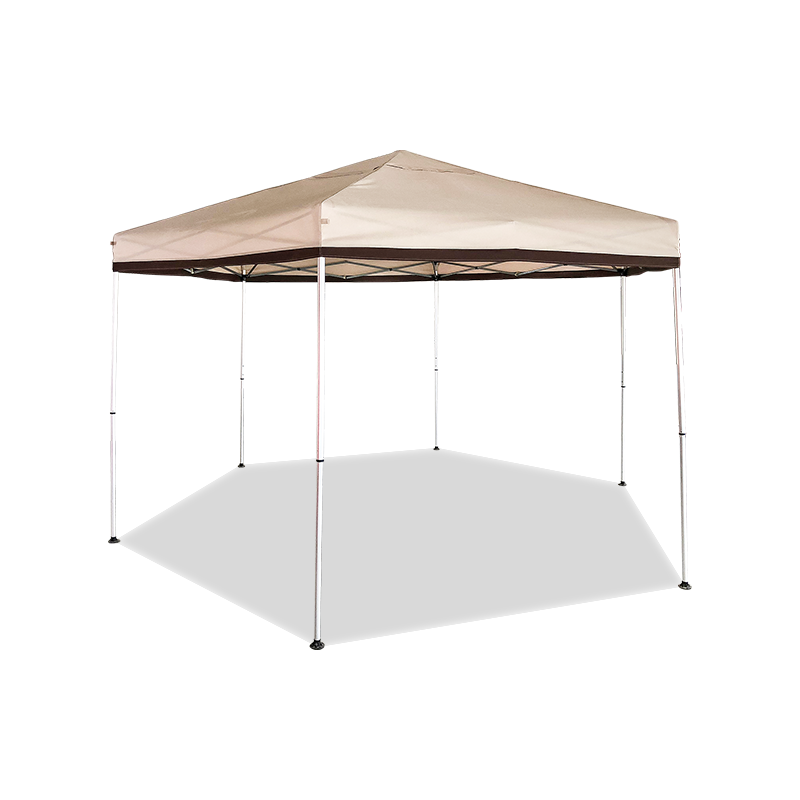
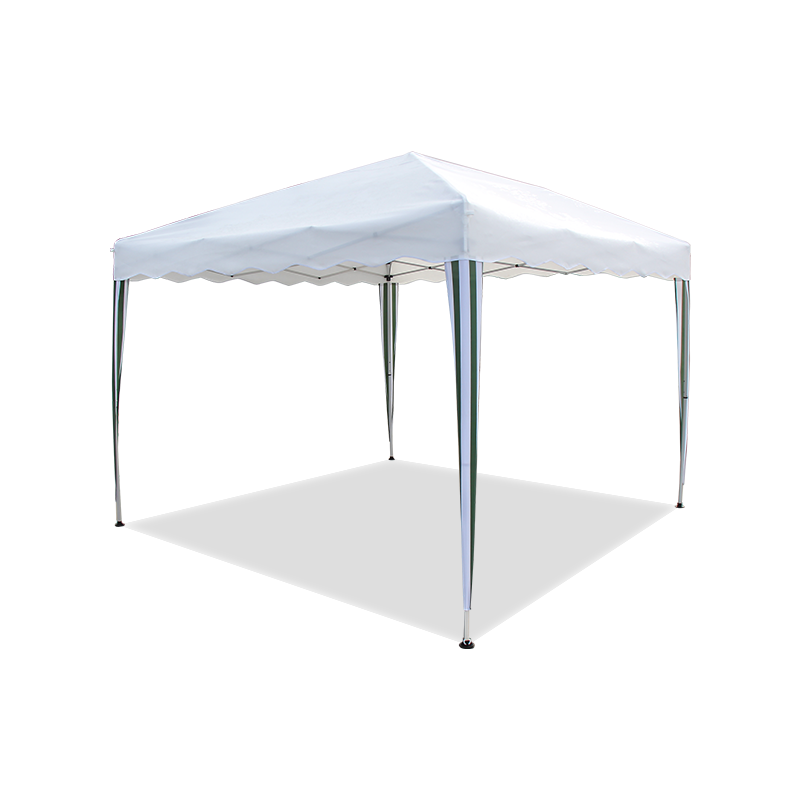
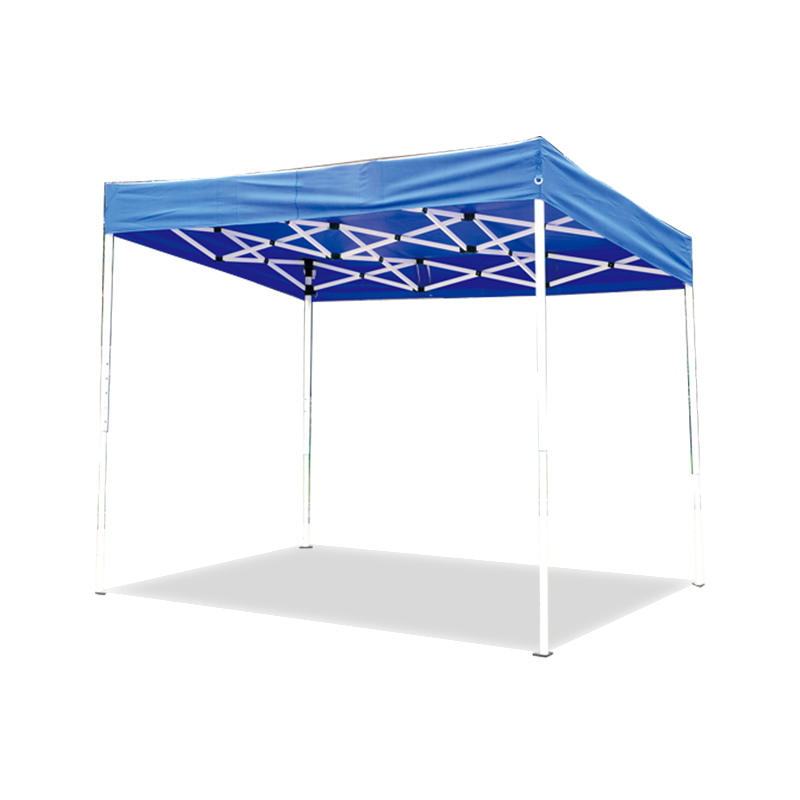
What Are Canopy Fittings and Why Do They Matter
Canopy fittings are the structural hardware components — corner brackets, hub connectors, leg joints, cross-bar locks, and foot plates — that hold an entire canopy frame together. They are the mechanical backbone of any pop-up canopy, folding gazebo, or permanent shade structure. Without properly designed fittings, even the strongest tubing buckles under load or collapses in moderate wind. The quality of a canopy's fittings determines roughly 70% of its overall lifespan and weather resistance, which is why discerning buyers always scrutinize hardware before fabric.
This article walks through every major category of canopy fittings, explains how to evaluate them for different use cases, identifies the most common failure points, and provides a clear framework for sourcing reliable components — whether you are replacing a broken part or spec'ing an entire production run.
The Main Categories of Canopy Fittings
Canopy hardware falls into a small number of functional families. Understanding each family makes it much easier to communicate specifications with suppliers and to troubleshoot field failures.
Corner Hub Connectors
Corner hubs sit at each top corner of a canopy frame and receive two or three structural tubes simultaneously. On a standard 3 m × 3 m folding canopy they handle the intersection of the upper cross bar and the diagonal scissor-braces. A well-engineered corner hub distributes load across at least 90° of contact surface with the tube wall, preventing point stress and the oval deformation that eventually cracks lower-grade castings. Die-cast aluminium hubs with 2 mm walls are the current market norm for mid-range canopies; steel hubs with 2.5 mm walls appear on commercial-grade units.
Scissor-Bar Pivot Rivets and Bolts
The scissor mechanism that lets a pop-up canopy expand and collapse relies on pivot fasteners at every crossover point. Budget canopies use hollow aluminium rivets that shear after 200 to 400 use cycles. Quality scissor-bar fittings use hardened steel shoulder bolts with nylon-insert lock nuts, rated for over 2,000 cycles. Look for a shoulder diameter of at least 6 mm on canopies intended for weekly commercial use.
Leg Adjustment Buttons and Locking Collars
Most portable canopy designs offer two or three height positions. The inner leg tube locks to the outer tube via spring-loaded push buttons or friction-cam locking collars. Push-button systems are quicker to operate but depend on the button spring maintaining tension over time. Friction-cam collars — sometimes called thumb-screw locks — provide a more positive hold and are preferred for marquee tents and trade-show canopy setups where legs stay extended for days at a time.
Foot Plates and Ground Anchors
The base of each leg terminates in a foot fitting. On hard surfaces this is usually a flat stamped-steel or plastic foot pad that protects flooring and distributes the vertical load. For grass or soft ground, spike-equipped foot fittings drive directly into the soil. Canopies used in coastal or high-wind zones benefit from foot plates with dedicated anchor-bolt holes, allowing owners to pin the structure to decking or concrete without relying solely on fabric tie-downs.
Roof-Rail End Caps and Valance Clips
The perimeter rail at the top of the canopy frame receives the canopy cover. End caps protect the tube ends and provide a neat anchor point for the cover's hook-and-loop or bungee attachment. Valance clips are secondary fittings that grip the overhanging fabric edge and hold it taut, preventing the characteristic ripple that causes wind-induced noise and early fabric wear.
Materials Used in Canopy Fittings: Steel vs. Aluminium vs. Plastic
Material selection governs weight, corrosion resistance, load capacity, and cost. The three main options each have a clear application profile.
Comparative overview of common canopy fitting materials across key performance criteria
| Material |
Typical Weight (per corner hub) |
Corrosion Resistance |
Load Rating |
Best Use Case |
| Powder-coated steel |
85–120 g |
Moderate (coating-dependent) |
High |
Budget to mid-range folding canopies |
| Anodised aluminium |
30–55 g |
Excellent |
Medium–High |
Trade shows, events, coastal installations |
| Reinforced nylon |
15–30 g |
Excellent |
Low–Medium |
Lightweight camping, occasional use |
| Stainless steel |
90–130 g |
Superior |
Very High |
Permanent marine or outdoor structures |
For most commercial canopy applications — outdoor markets, corporate events, sports sidelines — anodised aluminium fittings with powder-coated steel scissor bars represent the optimal balance. The aluminium resists oxidation through hundreds of wet-and-dry cycles while the steel provides the tensile strength needed at the pivot points where bending loads are highest.
Reinforced nylon fittings have improved considerably since glass-fibre and carbon-fibre fillers became common in engineering-grade polymers. However, UV exposure remains a limiting factor: nylon loses roughly 25% of its impact strength after 500 hours of direct sunlight at mid-latitudes, which is why plastic canopy fittings on unshaded structures in warm climates crack and break far faster than the marketing materials suggest.
How Canopy Frame Tube Dimensions Affect Fitting Selection
Canopy fittings are not universal. They are engineered around specific tube outside diameters and wall thicknesses. Mismatching a fitting to a tube produces one of two failure modes: a fitting that is too large allows the tube to rock inside the socket, creating fretting wear; a fitting that is too tight cracks the tube wall during assembly. The most common tube sizes in current production folding canopies are:
- 25 × 25 mm square steel tube — entry-level and mid-range steel-frame canopies
- 20 × 20 mm square steel tube — compact or ultra-portable canopy designs
- 19 mm round aluminium tube — standard aluminium-frame folding gazebos
- 25 mm round aluminium tube — commercial-grade aluminium canopies
- 32 mm round aluminium tube — heavy marquee and event tent structures
Always confirm tube OD (outside diameter) and wall thickness before ordering replacement fittings. A wall that is 1 mm thinner than the fitting socket was designed for will reduce the interference fit by 2 mm across the diameter — enough to introduce movement under dynamic loading from wind gusts.
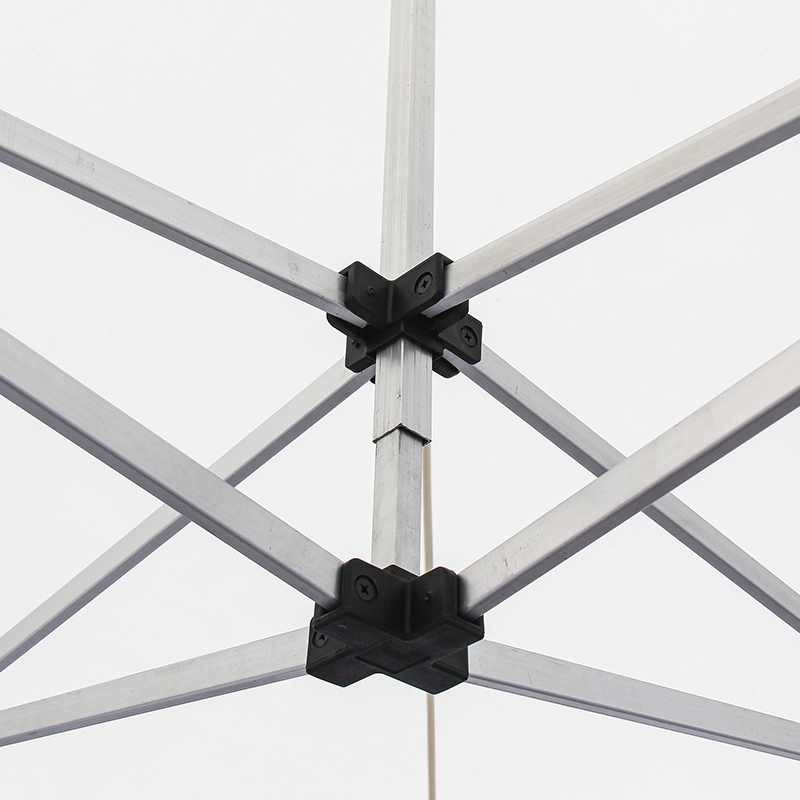
Common Canopy Fitting Failure Points and How to Inspect Them
Field inspections of returned or damaged canopies show consistent failure patterns. Knowing where to look extends service life substantially and prevents the sudden collapses that damage both property and reputation.
Scissor-Bar Pivot Failure
The most frequent warranty issue in pop-up canopy frames. The rivet or bolt fatigues at the shoulder where the bar rotates. Inspection sign: the bar wobbles laterally at the pivot rather than rotating cleanly. Replacement involves drilling out the old rivet and installing a new shoulder bolt with the correct diameter. Replace all pivot fasteners simultaneously rather than individually — fatigue cycles are cumulative and the others are likely close to failure.
Corner Hub Cracking
Die-cast aluminium corner hubs develop hairline cracks at the junction between two socket arms, particularly on canopies that are assembled and disassembled frequently. The crack starts at the inner radius of the socket junction, which is the highest stress concentration. Visible surface cracks that extend more than 5 mm should be treated as an immediate failure risk — the hub will not hold load adequately and should be replaced before the next deployment.
Leg Button Spring Fatigue
Push-button leg locks use a coiled spring to maintain button extension. Chlorine from pool environments, salt air, and simple corrosion cause the spring to soften. The symptom is a leg that releases under moderate lateral loading — a significant safety hazard. A replacement spring costs under a dollar; the repair takes three minutes with a small flat-blade screwdriver.
Stamped-steel foot plates are welded or riveted to the lower leg tube. On steel frames that have been stored wet, the weld interface corrodes from the inside outward. The plate appears intact until it shears off under load. A quick test: grip the foot plate and attempt to rotate it relative to the tube. Any rotational movement indicates compromised attachment.
Canopy Fittings for Specific Outdoor Applications
Not all outdoor applications place the same demands on canopy hardware. Matching fitting specifications to the actual use environment is one of the most cost-effective things a buyer can do.
Trade Shows and Exhibition Canopies
Exhibition setups require canopies that assemble in under five minutes and look pristine after dozens of deployments. Aluminium fittings with anodised or powder-coated finishes maintain their appearance under fluorescent lighting where scratches and corrosion are visible. The scissor-bar system should use steel shoulder bolts rather than rivets to survive the weekly assembly cycle. Weight matters too: a 3 m × 3 m canopy with aluminium fittings throughout typically weighs 12 to 15 kg complete, roughly 30% lighter than an equivalent steel-fitting model.
Garden and Backyard Canopy Gazebos
A garden canopy that stays erected for a full summer season faces a different set of stresses than a folding trade-show unit. Prolonged UV exposure, thermal cycling between day and night, and occasional high winds are the dominant stress factors. For these applications, powder-coated steel fittings with a minimum 60-micron coating thickness outperform bare aluminium in humid temperate climates where condensation occurs nightly. The polyester topcoat on steel slows corrosion initiation even when the frame is scratched.
Camping and Festival Canopies
Camping canopies get thrown in the back of a truck, dragged across gravel, and erected by tired people who have not read the instructions. Fittings for this market need to be forgiving of slight misalignment during assembly and resistant to the denting and gouging that comes from rough handling. Nylon-insert nuts on all bolted connections prevent vibration-loosening on bumpy roads, and rubberised foot pads protect both the ground cover and the tent floor fabric from the sharp lower edges of bare metal foot plates.
Commercial and Event Hire Canopies
Hire-fleet operators run canopies through extreme duty cycles — potentially 100 or more deployments per year. For this segment, commercial-grade fittings with certified load ratings (typically EN 13782 or equivalent) are worth the premium. Replacement fitting kits should be available from the manufacturer, as individual pivot bolts and corner hubs will need servicing within the first two seasons of commercial use. Operators who pre-order fitting spares when they buy the canopy avoid the frustrating situation of having a structurally sound frame that cannot be deployed because a single $3 pivot bolt is on a six-week back-order.
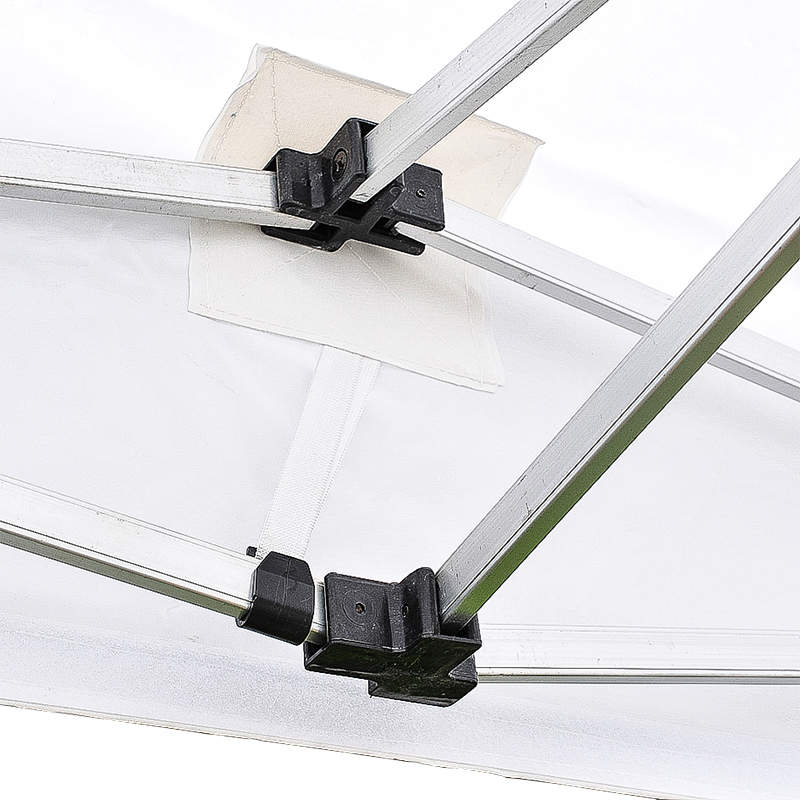
What to Ask a Canopy Fittings Supplier Before Ordering
Sourcing canopy hardware directly from a factory — rather than through a distributor — gives access to better pricing and custom specifications, but requires asking the right questions. The following list applies whether you are placing a sample order or a full production run.
- Alloy grade and heat treatment: For aluminium fittings, 6061-T6 is the benchmark. Suppliers offering unspecified "aluminium alloy" are often using lower-grade scrap-content billets.
- Coating type and thickness: Ask for the coating method (electrostatic powder coat, liquid paint, anodising) and the minimum film thickness in micrometres. Request a cross-hatch adhesion test result if the order is large.
- Salt spray hours: Reputable manufacturers will have tested their fittings to ASTM B117 or ISO 9227. A minimum of 200 hours for steel fittings and 500 hours for aluminium is a reasonable baseline for garden and event canopy applications.
- Pivot fastener specification: Grade 8.8 steel bolts with ISO metric thread are the correct specification for scissor-bar pivots. Grade 4.8 bolts are softer and shear earlier under cyclic fatigue.
- Tube compatibility data: Request a fitting-to-tube compatibility chart showing the range of tube ODs each fitting accommodates. Good suppliers maintain these as part of their product documentation.
- MOQ and lead time for replacement parts: Confirm that individual fitting components can be ordered separately after the initial purchase, and at what minimum quantity.
Replacing Canopy Fittings: A Practical Step-by-Step Guide
Replacing a failed canopy fitting is straightforward if you have the right replacement part and a minimal tool kit. The general process applies to most folding canopy designs.
- Lay the canopy frame flat on a clean surface and identify every fitting that shows visible cracking, deformation, or corrosion. Replace all compromised fittings in the same session rather than addressing them one at a time.
- For scissor-bar pivot bolts, use a centre punch to relieve any peening on the old rivet head before drilling. Use a drill bit 0.2 mm smaller than the rivet shank diameter to avoid enlarging the bar hole.
- When pressing a new corner hub onto the tube, apply a thin layer of anti-seize compound to the tube exterior inside the socket. This simplifies future disassembly and prevents galvanic corrosion where aluminium fittings contact steel tubes.
- Torque all replacement bolts to the manufacturer's specification. In the absence of a published torque value, M6 shoulder bolts in aluminium receive 6 to 8 Nm; in steel, 10 to 12 Nm. Under-torquing allows movement; over-torquing strips threads.
- Erect the repaired canopy on a calm day and load-test it by pressing firmly on the roof rail at each corner. The frame should feel rigid with no audible creaking from the new fitting locations. Creak indicates micro-movement that will progress to visible wear.
- Apply a light coat of silicone-based lubricant to all pivot points and sliding surfaces. Avoid petroleum-based lubricants near polyester canopy fabric — they accelerate fibre degradation.
The Relationship Between Canopy Fabric Attachment and Fittings
The canopy cover connects to the frame at multiple points, and the quality of those connection fittings directly affects how long the cover lasts. A loose or poorly designed attachment fitting allows the cover to flap in wind, which creates repeated bending stress at the attachment edge. Over a single season of regular use, a cover attached to ill-fitting hardware can develop stress tears up to 150 mm long at each connection point — tears that are not repairable and require a full cover replacement.
Well-designed attachment systems use hook-and-loop tape sewn into a reinforced hem around the perimeter of the cover, combined with plastic or aluminium clips at defined intervals along the roof rail. The clips hold the cover firmly against the rail, distributing any lifting force from wind across the full hem length rather than concentrating it at individual sewn attachment points. When replacing a canopy cover, inspect the rail clips at the same time — clips that have lost their spring tension should be replaced before fitting the new cover.
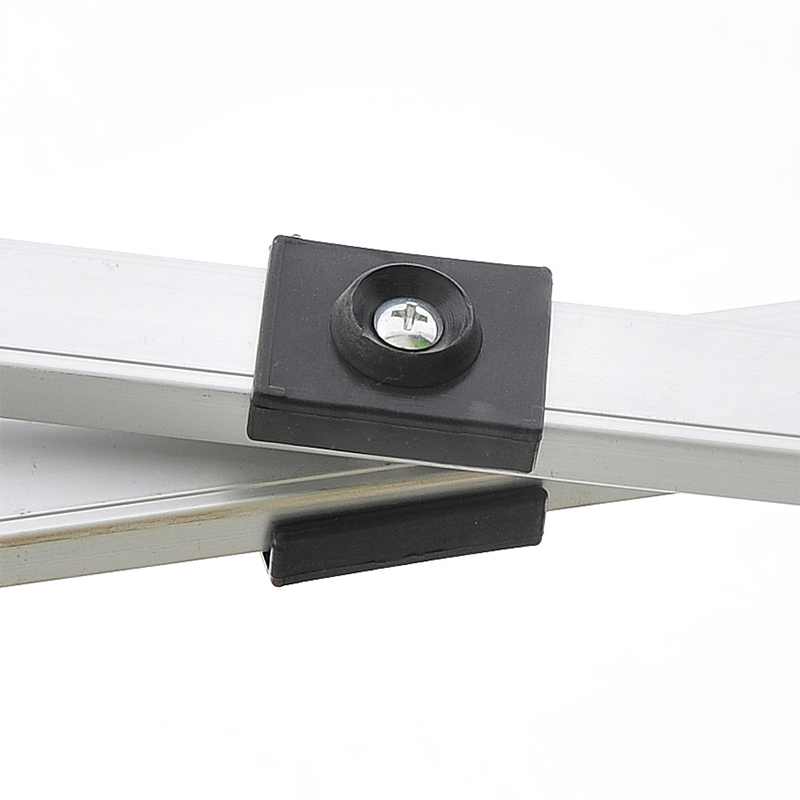
Sourcing Canopy Fittings: Factory Direct vs. Distributor
For buyers purchasing fewer than 500 fitting sets, a distributor is usually more practical than a direct factory relationship. Distributors hold stock, provide short lead times, and absorb the minimum-order-quantity risk. For orders above that threshold, going direct to a Chinese or Taiwanese fitting manufacturer typically reduces unit cost by 35 to 50% and unlocks the ability to specify custom alloys, finishes, and dimensions.
When evaluating factories, look for manufacturers with dedicated hardware workshops and in-house testing laboratories. Suppliers that subcontract their fitting production have limited control over material traceability and dimensional consistency. Request a dimensional inspection report (often called a PPAP or FAI) on the first production sample batch — this document confirms that the factory measured every critical dimension against your drawings before shipping.
Lead time for standard fitting designs from established manufacturers is typically 25 to 35 days for production orders, with samples available in 7 to 14 days. Custom tooling for a new fitting profile adds 30 to 45 days and a tooling fee of $800 to $2,500 depending on complexity, though that tooling fee is a one-time cost amortised across the production volume.
Canopy Fitting Maintenance Schedule to Maximise Service Life
A simple maintenance routine adds years to a canopy frame's usable life and reduces the total cost of ownership substantially. The schedule below is calibrated for a canopy used ten or more times per year in mixed outdoor conditions.
- After every use: Wipe down all metal fittings with a dry cloth before packing. Store the canopy only when the frame is fully dry — trapping moisture inside a packed carry bag initiates crevice corrosion within 48 hours.
- Monthly (or every 10 uses): Inspect all pivot bolts for play. Check corner hubs for surface cracks. Operate the height-adjustment buttons on every leg and confirm positive locking. Apply silicone lubricant to pivots.
- Seasonally (or every 50 uses): Fully disassemble the frame and clean inside the leg tubes with a brush to remove grit. Inspect foot plates for weld separation. Replace any fitting that shows cracking, significant corrosion, or deformation — even if it is still functional. Marginal fittings fail under peak load, which is the worst possible time.
- Annually: Review the full fitting inventory against manufacturer wear criteria. For commercial-use canopies, replace all scissor-bar pivot fasteners as a precautionary measure regardless of visible condition — the cost of a complete pivot fastener set (typically $8 to $20) is negligible compared to a frame failure during an event.
Frequently Asked Questions About Canopy Fittings
Are canopy fittings interchangeable between brands?
Occasionally, but not reliably. Many Chinese-manufactured canopy frames share common tube dimensions that make certain hub fittings cross-compatible, but the scissor-bar geometry, pivot spacing, and hole patterns vary considerably between brands. The safest approach is to contact the original manufacturer for replacement parts. If that is not possible, bring the failed fitting to a hardware supplier and match the socket dimensions, wall thickness, and angle geometry before purchasing.
Can I weld a cracked canopy fitting?
Not advisably. Die-cast aluminium and stamped steel fittings do not weld reliably in field conditions, and a welded repair typically introduces residual stress that accelerates cracking at the weld heat-affected zone. Replacement is always the correct solution for a structurally compromised canopy fitting.
How do I stop canopy fittings from seizing in storage?
Galvanic corrosion between dissimilar metals — typically aluminium fittings on steel tubes — causes seizing. Apply a thin layer of anti-seize paste to the tube surface inside any socket-type fitting before assembly. Store the canopy with the frame partially extended rather than fully collapsed to prevent the compressed fitting sockets from locking under residual spring tension.
What wind speed can standard canopy fittings withstand?
A properly assembled 3 m × 3 m canopy with mid-grade steel fittings, staked to the ground on all four corners, typically maintains structural integrity at sustained wind speeds of 30 to 40 km/h (Beaufort Force 4–5). Above that threshold, the canopy should be struck and stored. No portable canopy fitting system is designed for sustained wind speeds above 60 km/h — at that point the fabric loading exceeds what any standard pop-up frame hardware can safely transmit to the ground anchors.
Do I need to torque canopy fitting bolts to a specific value?
For most consumer canopy fittings, hand-tight plus a quarter turn with a spanner is sufficient for M5 and M6 bolts. Where a torque specification exists in the manufacturer's documentation, follow it precisely. Over-torquing is as harmful as under-torquing — it can crack the socket wall of an aluminium fitting or strip the thread in a nylon-insert nut, both of which eliminate the locking function entirely.

 English
 Español