
 English
 Español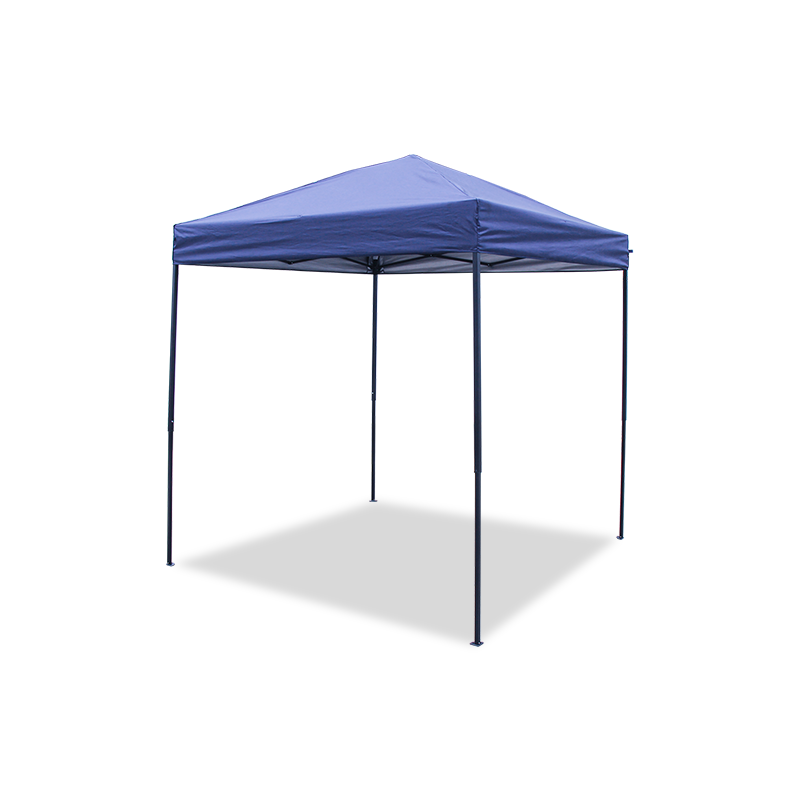
Customer expresses intent; Communicate between the two parties; Provide analysis reports to customers; Reach a cooperation intention.
Content
- 1 What Is a Canopy Tarp and Why Does It Matter
- 2 Canopy Tarp Materials: Polyethylene, Canvas, and PVC Compared
- 3 How to Size a Canopy Tarp Correctly
- 4 Canopy Tarp Setup: Rigging Methods That Actually Hold
- 5 Wind Rating and Load Calculations for Canopy Tarps
- 6 Canopy Tarp Applications Across Different Settings
- 7 Canopy Tarp Maintenance: How to Make It Last
- 8 What to Look for When Buying a Canopy Tarp
- 9 Frequently Asked Questions About Canopy Tarps
- 9.1 How do I keep a canopy tarp from pooling water?
- 9.2 Can I use a regular tarp as a replacement canopy for a pop-up frame?
- 9.3 What is the difference between a canopy tarp and a camping tarp?
- 9.4 How long does a canopy tarp last outdoors?
- 9.5 Is a darker or lighter colored canopy tarp better for heat?
- 9.6 Can a canopy tarp withstand snow load?
What Is a Canopy Tarp and Why Does It Matter
A canopy tarp is a heavy-duty, weather-resistant sheet of material stretched over a frame or suspended from anchor points to create a covered outdoor space. Unlike a simple tarp thrown over gear, a purpose-built canopy tarp is engineered to handle sustained wind, driving rain, UV radiation, and temperature swings — all while staying taut, secure, and structurally sound. Whether you are setting up a temporary work shelter, a camping kitchen, a festival booth, or a backyard shade station, the canopy tarp is the first and most critical component that determines whether the entire structure succeeds or fails.
The difference between a generic tarp and a proper canopy tarp comes down to three things: material weight (measured in grams per square meter or denier), reinforcement at the corners and grommets, and the ability to maintain shape under load. Most professional-grade canopy tarps start at 180 GSM and go up to 650 GSM for heavy industrial applications. Below that threshold, you are dealing with disposable covers, not structural canopy panels.
This article covers everything you need to know to choose, install, and maintain a canopy tarp — from material science and sizing logic to setup techniques and longevity tips that most suppliers never mention.
Canopy Tarp Materials: Polyethylene, Canvas, and PVC Compared
The material of your canopy tarp dictates nearly every performance characteristic — weight, waterproofing, UV resistance, repairability, and lifespan. Three materials dominate the market, and each has a clear use case.
Polyethylene (PE) Tarps
Polyethylene is the most widely used canopy tarp material because it is lightweight, inexpensive, and genuinely waterproof. A typical PE canopy tarp uses a woven scrim core laminated between two layers of polyethylene film. The weave density — usually measured in threads per inch — determines tear resistance. A 10×10 weave (10 threads per inch in each direction) is a minimum for any canopy application; serious users look for 14×14 or higher. PE tarps are available in weights from 50 GSM (temporary, single-use) to 280 GSM (contractor-grade). They are almost always blue, silver, or green because these colorants include UV stabilizers. Clear or white PE tarps without UV additives will yellow and become brittle within one season of sun exposure.
Canvas and Cotton-Poly Blend Tarps
Traditional canvas canopy tarps are made from tightly woven cotton or a cotton-polyester blend, then treated with paraffin wax, linseed oil, or synthetic waterproofing compounds. They breathe better than PE, which matters in hot climates where condensation under a sealed canopy creates moisture problems. Canvas tarps are heavier — typically 340 to 680 GSM — but they are far more repairable in the field, drape more naturally over irregular surfaces, and resist tearing under concentrated point loads. A canvas canopy tarp properly maintained can last 10 to 20 years. The trade-off is cost: a good canvas tarp costs three to five times more than a comparable PE tarp.
PVC-Coated Tarps
PVC-coated polyester tarps are the premium end of the canopy tarp market. A high-tensile polyester mesh is coated on both sides with PVC compound, producing a material that is simultaneously flexible, tear-resistant, and completely impermeable. PVC canopy tarps are used in permanent or semi-permanent canopy structures: outdoor restaurants, construction site covers, truck curtainsides, and agricultural shade houses. Commercial PVC canopy tarps range from 400 GSM to over 1000 GSM and typically carry a 5- to 10-year UV warranty. They are heavier and more expensive than PE but dramatically outperform it in long-term outdoor applications.
| Material | Typical Weight | Waterproof | UV Resistance | Expected Lifespan | Best For |
|---|---|---|---|---|---|
| Polyethylene (PE) | 50–280 GSM | Yes | Moderate | 1–3 seasons | Camping, emergency cover |
| Canvas / Cotton-Poly | 340–680 GSM | With treatment | Good | 10–20 years | Truck covers, field work |
| PVC-Coated Polyester | 400–1000+ GSM | Yes | Excellent | 5–15 years | Permanent canopy, commercial |
How to Size a Canopy Tarp Correctly
One of the most common mistakes buyers make is ordering a canopy tarp the same size as their frame or shelter footprint. That produces a covering with no overhang, which means rain runs directly down the edge and onto whatever or whoever is underneath. The standard rule is to add at least 12 to 18 inches of overhang on each side beyond the footprint you need to keep dry.
Step-by-Step Sizing Process
- Measure the exact footprint of the area you want to cover — the table, the equipment, the people, or the work zone.
- Add 12 to 24 inches per side to create a drip edge. For heavy rain areas, go to 24 inches or more.
- Decide on the pitch. A canopy tarp stretched perfectly flat will pool water. A minimum 5% slope (about 3 inches of drop per 5 feet of run) allows water to drain. Steeper pitches shed water faster but reduce usable headroom on the low side.
- Account for tension reduction. When a tarp is pulled taut over a ridge or tied at anchor points, the effective flat coverage area shrinks. Add 10 to 15% to your calculated size to compensate.
- Check grommet spacing. Most canopy tarps place grommets every 18 to 36 inches along the perimeter hem. Closer spacing (18 inches) allows more precise tensioning and is better for windy conditions.
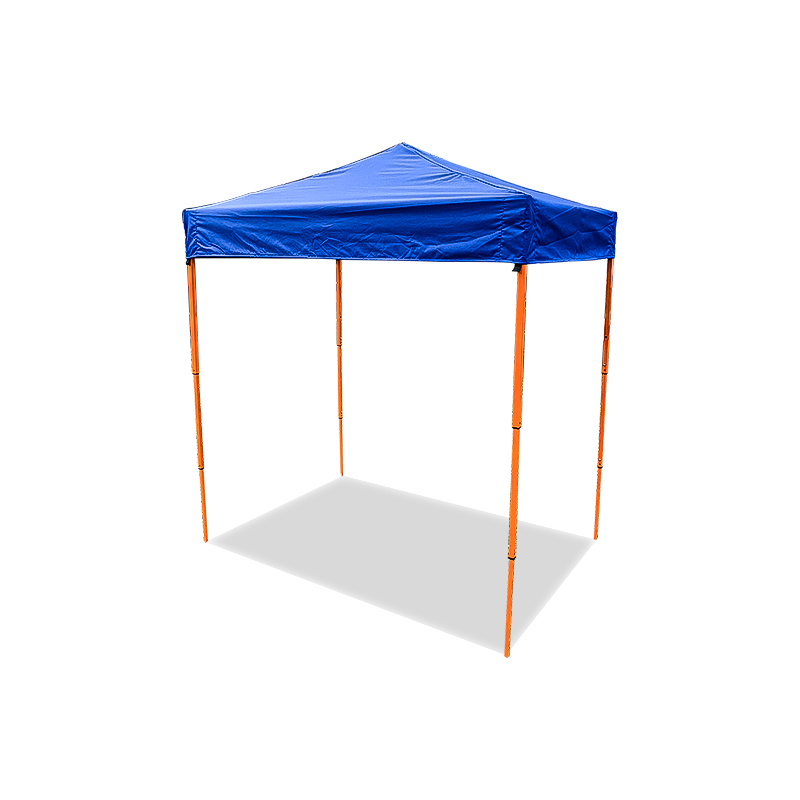
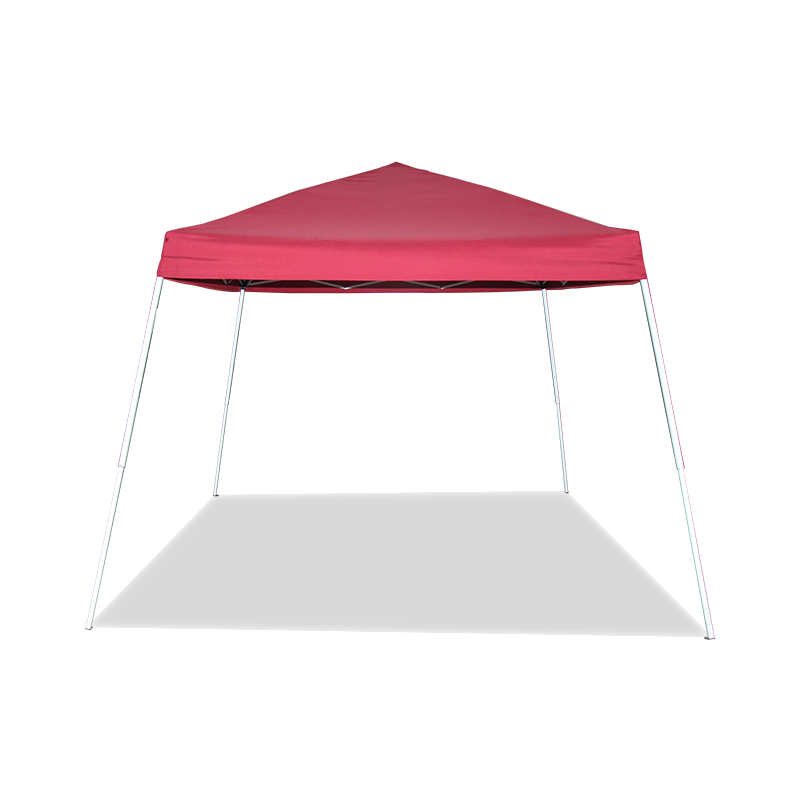
For a standard 10×10 ft canopy frame, the canopy tarp panel itself is typically cut to 10×10 ft or 11×11 ft to fit the frame hardware. But if you are using a tarp freely rigged between trees or posts rather than fitted to a commercial frame, you would size the tarp at 14×14 ft or 16×16 ft to achieve the same 10×10 ft of dry coverage underneath.
Standard Canopy Tarp Sizes and Common Uses
- 8×10 ft: Single camping site, small equipment cover, compact market stall insert
- 10×12 ft: Standard 10×10 canopy replacement panel with overhang, tailgate shelter
- 12×16 ft: Dining fly, large camping kitchen, small truck bed cover
- 16×20 ft: Multi-family campsite, vendor booth, construction material staging
- 20×30 ft and above: Event canopy panels, agricultural shade, warehouse bay covers
Canopy Tarp Setup: Rigging Methods That Actually Hold
How you rig a canopy tarp determines whether it stays up in a 30 mph wind or collapses on your guests. The material quality matters, but an expensive tarp rigged sloppily will fail faster than a budget tarp installed correctly.
The A-Frame Ridge Method
This is the most stable configuration for a canopy tarp in open terrain. Run a ridgeline — paracord, static rope, or a dedicated ridgeline pole — at the peak of the canopy. Drape the tarp over the ridge and stake the four corners out at a 45-degree angle from the center. The pitched A-frame shape sheds rain efficiently and reduces wind resistance compared to a flat horizontal tarp. A 20-degree pitch on each side (about 40 degrees total) is the minimum for reliable rain shedding in moderate rainfall; increase to 30 degrees per side in heavy rain regions.
The Porch Lean-To Configuration
One side of the canopy tarp attaches high — to a building wall, a vehicle roof rack, or a tall anchor post — and the other side is staked or supported lower. The resulting slope channels all rain away from one direction. This is the standard setup for a canopy tarp used as a rain porch or a vehicle side awning. The key is keeping the low edge at least 6 feet off the ground for headroom while maintaining enough pitch (at least 15 degrees) to prevent pooling.
The Four-Post Square Setup
Used for market stalls, outdoor workspaces, and event canopy panels, the four-post method attaches each corner of the canopy tarp to a vertical pole. The tarp is tensioned flat or with a slight center rise using an interior pole or a carabiner-and-ridgeline brace. This is the configuration used by most commercial canopy frame systems. The challenge is wind: a flat canopy tarp acts as a sail. To reduce uplift, open at least one side panel (if the canopy has sidewalls) or create a center vent by leaving the peak attachment slightly loose.
Grommet Care and Load Distribution
Grommets are the failure point in most canopy tarp setups. When a tarp tears, it almost always starts at a grommet — not the body of the material. To extend grommet life and prevent catastrophic tearing:
- Use webbing loops or grommet protectors instead of tying rope directly through the grommet hole. The edge of a metal grommet will saw through rope under repeated tension cycles.
- Distribute load across multiple grommets whenever possible. A two-grommet anchor per corner (using the corner grommet plus the nearest side grommet) halves the load on each attachment point.
- Never tie off at a single mid-panel grommet under high tension — the concentrated load will pull the grommet through the hem.
- For extended use, check grommet rivets seasonally. Aluminum grommets corrode and loosen over time; brass grommets last longer in coastal or humid environments.
Wind Rating and Load Calculations for Canopy Tarps
Most canopy tarp product listings do not provide actual wind load ratings, which creates serious problems when buyers try to match a tarp to a specific site condition. Understanding the physics helps you make better decisions without relying on manufacturer claims.
Wind pressure on a flat canopy tarp scales with the square of wind speed. At 20 mph, wind exerts roughly 1 pound of pressure per square foot on a flat panel. At 40 mph, that becomes 4 pounds per square foot. A 10×10 ft canopy tarp — 100 square feet — experiences approximately 400 pounds of total uplift force at 40 mph wind, all transferred to the attachment points and anchors. This is why canopy frame systems designed for "up to 35 mph" winds will fail at 40 mph unless the anchoring, not just the frame, is engineered for the higher load.
Practical Wind Mitigation Techniques
- Pitch the canopy tarp at an angle into the prevailing wind rather than presenting the flat face to it. A 30-degree pitched surface reduces effective wind load by approximately 50% compared to a flat panel.
- Use mesh canopy tarp panels in high-wind environments. A mesh tarp with 30% open area reduces wind load by roughly that same percentage while still providing shade and partial rain protection.
- Stake guy lines at 45-degree angles from the outer edges of the canopy frame. Each guy line should be staked at a distance from the base post roughly equal to the post height.
- For sustained winds above 35 mph, the safest option is to take the canopy down entirely. No tarp or frame designed for casual outdoor use should be left standing in severe wind events.
Canopy Tarp Applications Across Different Settings
The canopy tarp is one of the most versatile outdoor shelter components available — the same basic product class serves radically different purposes depending on material weight, configuration, and anchoring method.
Camping and Backpacking
Ultralight canopy tarps for backpacking start at around 100 GSM and use silicone-coated nylon or Dyneema composite fabric rather than PE. These tarps weigh as little as 300 grams for a 9×9 ft panel and pack down to the size of a water bottle. The canopy configuration — rigged as a lean-to, A-frame, or diamond pitch — is determined by the weather, not the tarp itself. For car camping, heavier PE or canvas tarps in the 180–280 GSM range provide better durability and easier setup with standard poles and stakes.
Construction and Job Site Use
Construction canopy tarps are among the most demanding applications. They cover lumber, concrete, roofing materials, and equipment from rain while workers continue underneath. Job site canopy tarps typically run 250 GSM or higher, with reinforced hems, double-locked grommets every 18 inches, and UV inhibitors that resist the constant direct sun exposure of an open site. Fire-retardant coatings are standard on many construction canopy tarps used near electrical work or welding operations.
Agricultural Shade and Hail Canopy Systems
Orchard and crop shade canopy tarps serve a different function than rain shelter — they filter UV radiation and in some cases protect crops from hail damage. Shade tarps are rated by their shading percentage: a 30% shade cloth blocks 30% of solar radiation, a 70% shade cloth blocks 70%. Stone fruit orchards in high-hail-risk areas use woven polyethylene canopy netting rated to absorb hail impact at speeds up to 50 mph, covering areas of several hectares under permanent support wire systems.
Event and Market Canopy Panels
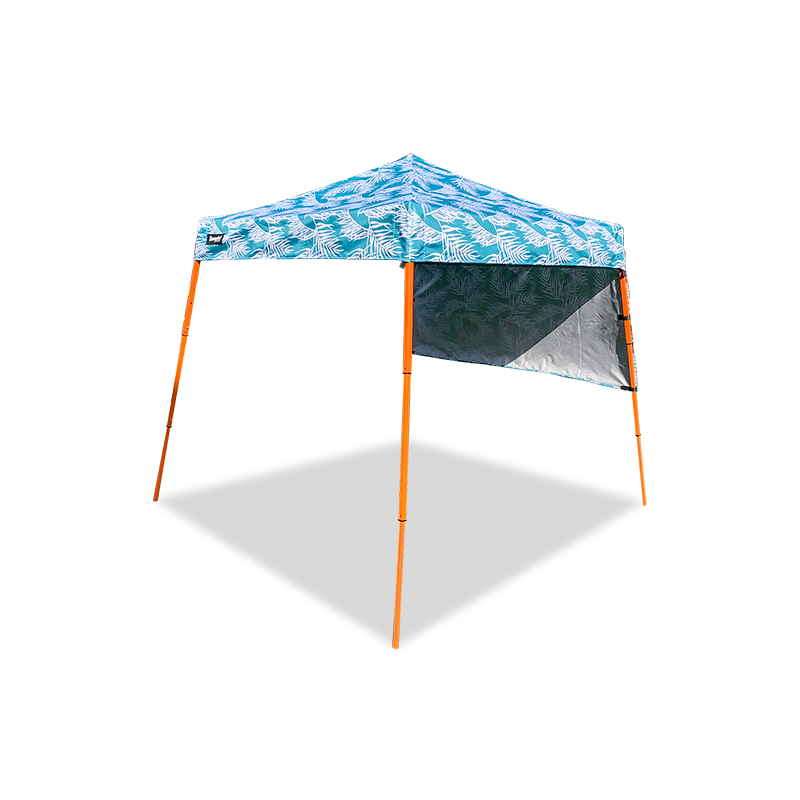
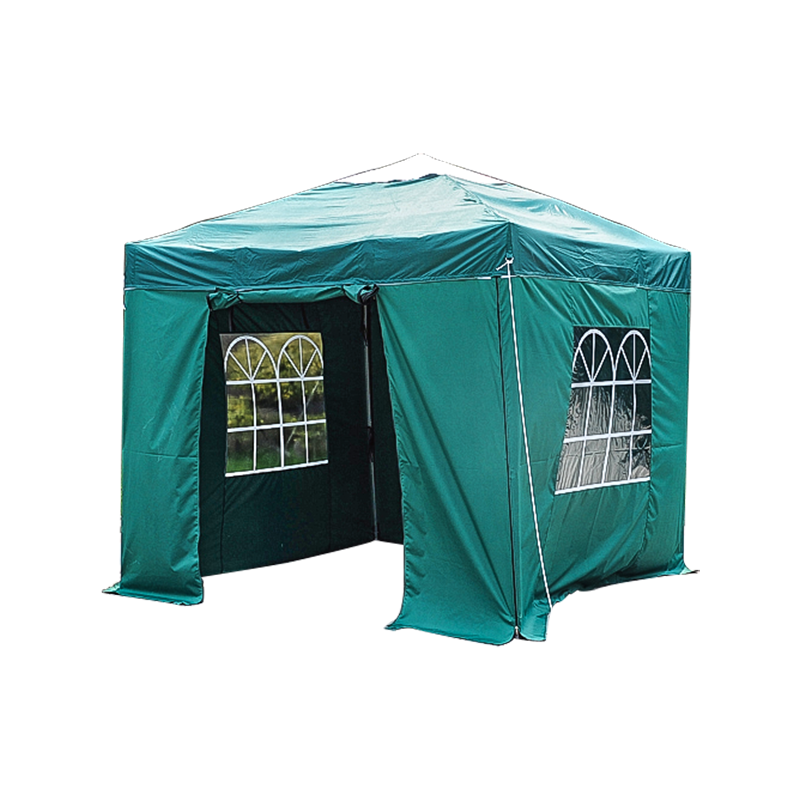
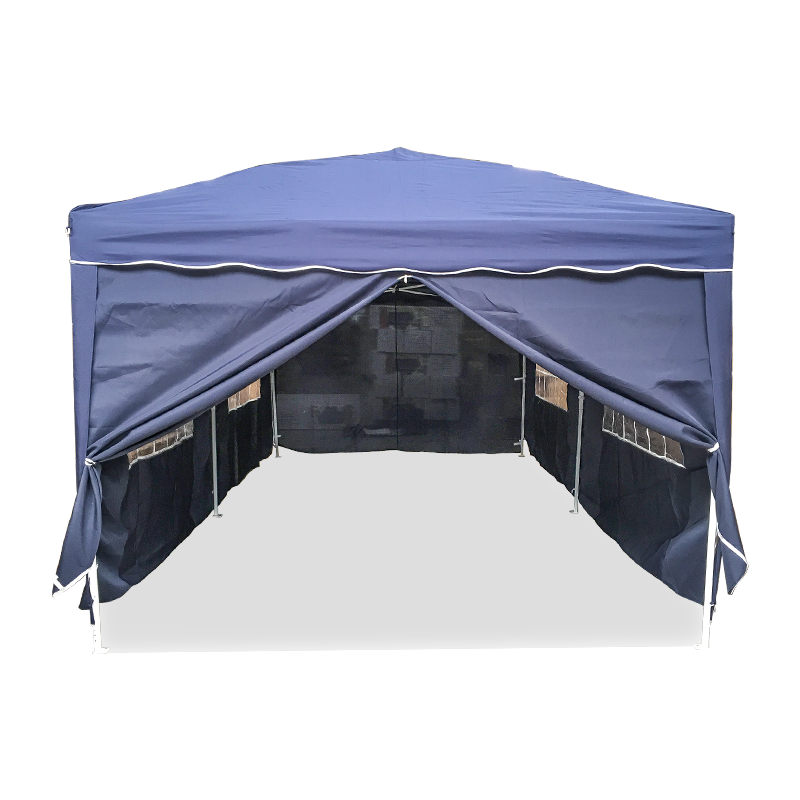
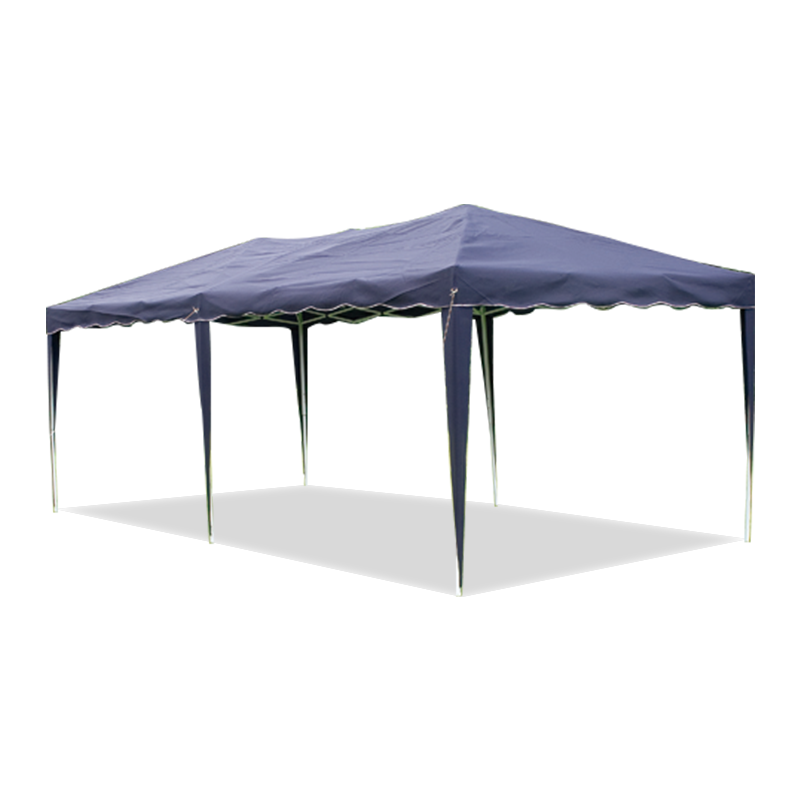
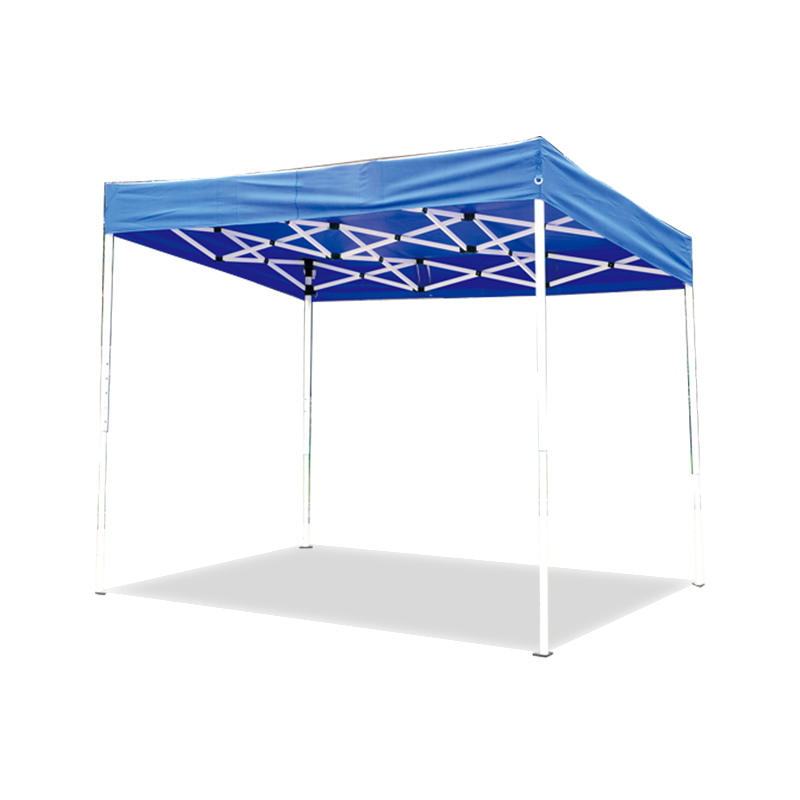
Pop-up canopy frame systems at farmers markets, craft fairs, and outdoor events use fitted canopy tarp panels designed specifically for 10×10 or 10×20 ft frames. These panels attach via hook-and-loop straps, zippered valances, or cord-and-sleeve systems at the frame perimeter. Good market canopy tarp panels are made from 300D polyester with a PU coating rated to at least 1200mm hydrostatic head pressure — the threshold at which the fabric stops allowing water penetration under the weight of standing water. Below 600mm, a tarp will wet through in steady rain within minutes.
Canopy Tarp Maintenance: How to Make It Last
A good canopy tarp represents real money, and proper care extends its usable life dramatically. The enemies of canopy tarp longevity are UV degradation, mildew, abrasion, and improper storage. Each of these can be managed with simple practices.
Cleaning Without Causing Damage
Dirt and organic matter left on a canopy tarp accelerate material breakdown in two ways: biological (mold and mildew consuming the material) and chemical (organic acids from decomposing leaves and bird droppings degrading the coating). Clean your tarp by laying it flat, brushing off loose debris, then washing with a soft brush, warm water, and a mild soap — dish soap or saddle soap for canvas. Never use bleach on canvas tarps — it destroys the waterproofing treatment and weakens cotton fibers. On PE and PVC tarps, a diluted bleach solution (1:10 bleach to water) is acceptable for heavy mildew, but rinse thoroughly and allow to dry completely before folding.
Reproofing Canvas and Waxed Tarps
Canvas and cotton-poly canopy tarps need periodic reproofing as the waterproofing treatment wears away. Signs that reproofing is needed: water no longer beads on the surface but soaks in slowly, or the underside feels damp after rain exposure. Silicone-based sprays work for light refreshing; wax-based compounds (like beeswax or paraffin-based products) provide heavier-duty restoration. Apply in a thin, even coat with the tarp spread flat, work the compound into the seams, and allow to dry completely — ideally 24 to 48 hours — before re-deploying.
Storage Practices That Prevent Premature Failure
- Always store a canopy tarp dry. Even slight residual moisture creates conditions for mildew growth during storage, especially in warm, enclosed spaces like sheds or vehicle trunks.
- Fold loosely rather than rolling tightly. Permanent fold creases in PE tarps crack the coating over time. If you must compact the tarp, roll it loosely rather than folding it into a flat rectangle.
- Store away from direct sunlight. UV degradation continues even in storage if the tarp is exposed to sun through a window or gap in a shed wall.
- Keep rodents away. Mice and rats find tarp material attractive for nesting and will chew through even heavy canvas to access it. Sealed storage containers or metal shelving prevents rodent damage.
Field Repair Techniques
A torn canopy tarp does not need to be discarded if the damage is caught early. Small holes and tears in PE tarps can be repaired with tarp repair tape — a self-adhesive PE patch that bonds to the base material without tools. Apply to both sides of the damage, press firmly, and the repair holds in most conditions. For canvas tarps, patching with a canvas repair kit (iron-on or sewn) is more permanent. PVC tarp tears require PVC cement or a heat-welded patch; adhesive alone does not bond reliably to PVC surfaces.
Frequently Asked Questions About Canopy Tarps
How do I keep a canopy tarp from pooling water?
The most reliable solution is pitch — rig the canopy tarp with at least a 15-degree slope so water runs off naturally. If your frame system requires a flat setup, add a center pole or internal ridgeline to create a peak that directs water toward the edges. You can also cut a small drainage hole (covered with a grommet) at the lowest point of a sagging section as a last resort, though this compromises waterproofing in that area.
Can I use a regular tarp as a replacement canopy for a pop-up frame?
Yes, but with limitations. A standard PE tarp does not have the corner fittings, hook-and-loop attachment strips, or valance edges that pop-up canopy frames are designed to receive. You can improvise by lashing the tarp to the frame rails using bungee cords or cord through the grommets, but the attachment will be less secure and more prone to wind failure than a purpose-made replacement canopy panel. For temporary use it works; for regular use, buy a proper replacement canopy tarp made for your frame brand.
What is the difference between a canopy tarp and a camping tarp?
The terms overlap significantly. A camping tarp is any tarp used as an overhead shelter while camping — which makes it a canopy tarp by function. The distinction, where it exists, is in weight and configuration hardware: camping tarps often emphasize ultralight weight and minimal hardware (reinforced tie-out points rather than grommets), while canopy tarps as a product category often come with more standardized attachment systems for frame-based setups. Both serve the same core purpose of overhead weather protection.
How long does a canopy tarp last outdoors?
Lifespan depends on material, UV exposure, and whether the tarp is left out continuously or deployed and stored. A budget PE canopy tarp left in the sun year-round may last 6 to 18 months before the material becomes brittle and tears easily. A mid-grade PE tarp with UV stabilizers, taken down and stored during winter, can last 3 to 5 years. A quality PVC-coated polyester canopy tarp under the same seasonal storage conditions can exceed 10 years of reliable use. Canvas tarps fall in between at 5 to 15 years with proper waterproofing maintenance.
Is a darker or lighter colored canopy tarp better for heat?
Lighter colors reflect more solar radiation and produce a cooler space underneath in direct sun — a white or silver canopy tarp can reduce the temperature under it by 10 to 15 degrees Fahrenheit compared to a black tarp in the same conditions. Darker tarps absorb more heat but also block more UV and create better shade in filtered-light conditions. For summer use in hot climates, silver or white canopy tarps are the practical choice for thermal comfort. Black or dark green tarps are preferred when UV protection rather than heat reduction is the priority, such as in plant propagation or light-sensitive storage applications.
Can a canopy tarp withstand snow load?
Standard recreational canopy tarps are not designed for sustained snow load. Fresh snow weighs approximately 5 to 20 pounds per cubic foot depending on water content; wet, heavy snow can weigh 20 pounds or more per square foot at just a few inches of depth. A 10×10 canopy tarp with 3 inches of wet snow on it can carry well over 1000 pounds of total load — far beyond what any pop-up frame or lightweight tarp rigging can handle. If you need a canopy tarp in a region with significant snowfall, either set it at a steep pitch (60 degrees or more) to shed snow continuously, or plan to remove snow accumulation before it reaches significant depth.

