
 English
 Español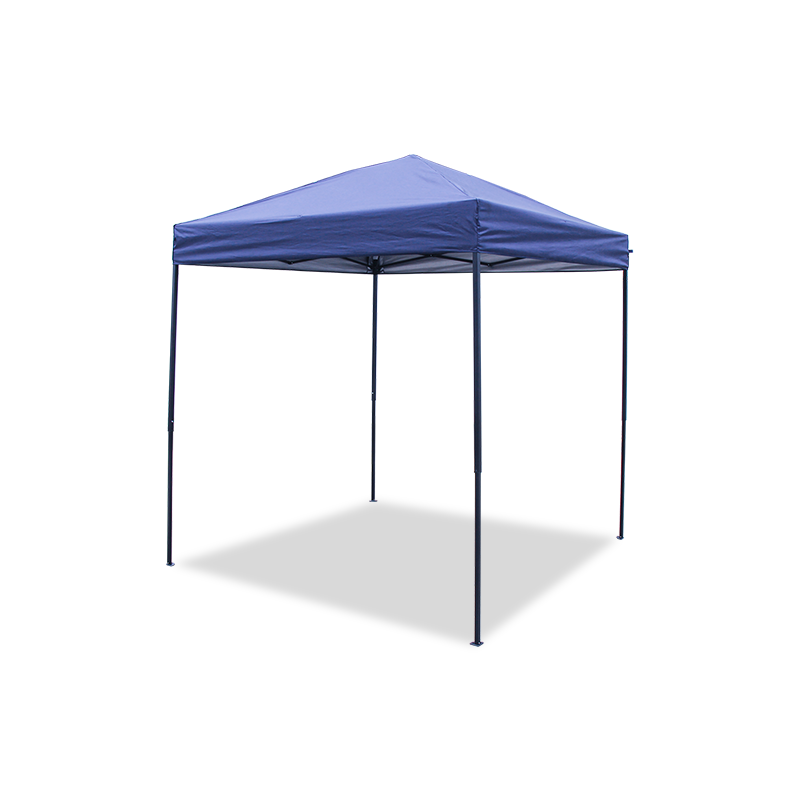


Customer expresses intent; Communicate between the two parties; Provide analysis reports to customers; Reach a cooperation intention.
Content
- 1 The Short Answer: What a Car Tent Garage Can and Cannot Do
- 2 Size Guide: What Fits Under a Car Tent Garage
- 3 Frame Material: Steel or Aluminum in a Car Tent Garage
- 4 Wind, Rain, Hail, and Snow: How to Keep the Tent Standing
- 5 Setup Time and Install Sequence for a Car Tent Garage
- 6 Cost Check: Portable Carport vs Permanent Garage
- 7 Five Uses That Justify a Car Tent Garage
- 8 Maintenance: Making a 3-5 Year Cover Last Six or Seven Seasons
- 9 Car Tent Garage FAQ: Six Questions Buyers Ask Most
- 9.1 1. What is the difference between a car tent, a carport canopy, and a garage tent?
- 9.2 2. What size do I need for a pickup truck or large SUV?
- 9.3 3. Will a car tent garage survive strong winds and snow?
- 9.4 4. How long does the cover last?
- 9.5 5. Can I use a car tent garage as a workshop?
- 9.6 6. Steel or aluminum, which is better for a carport?
- 10 Final Recommendation Before You Buy
The Short Answer: What a Car Tent Garage Can and Cannot Do
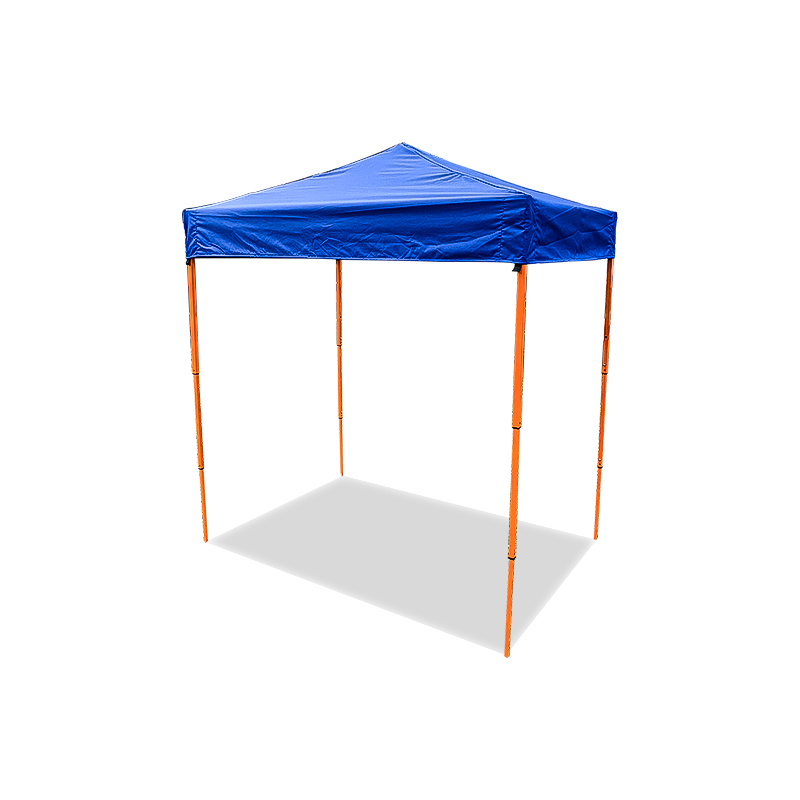
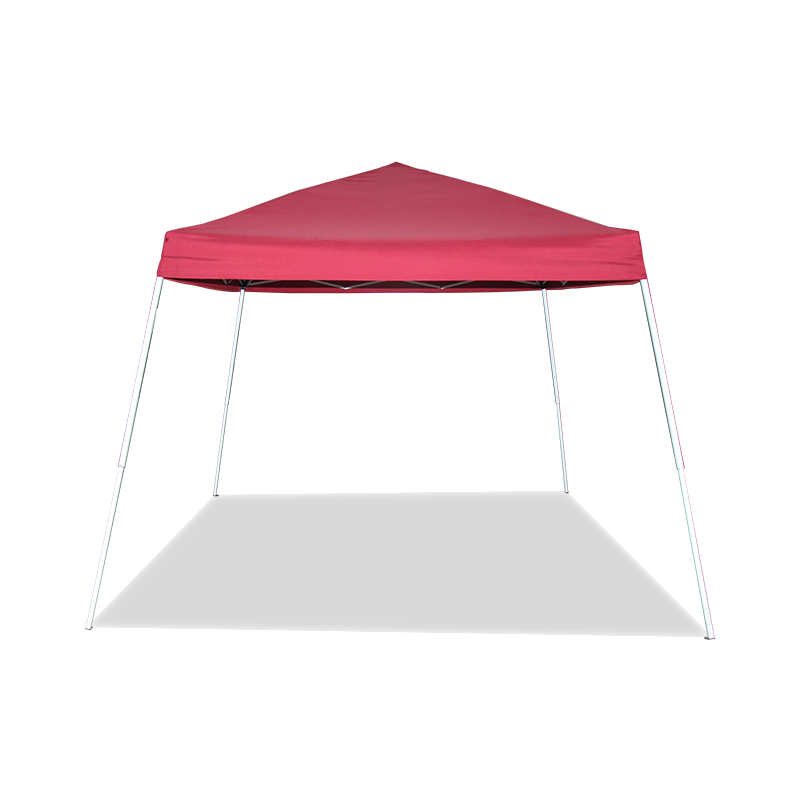
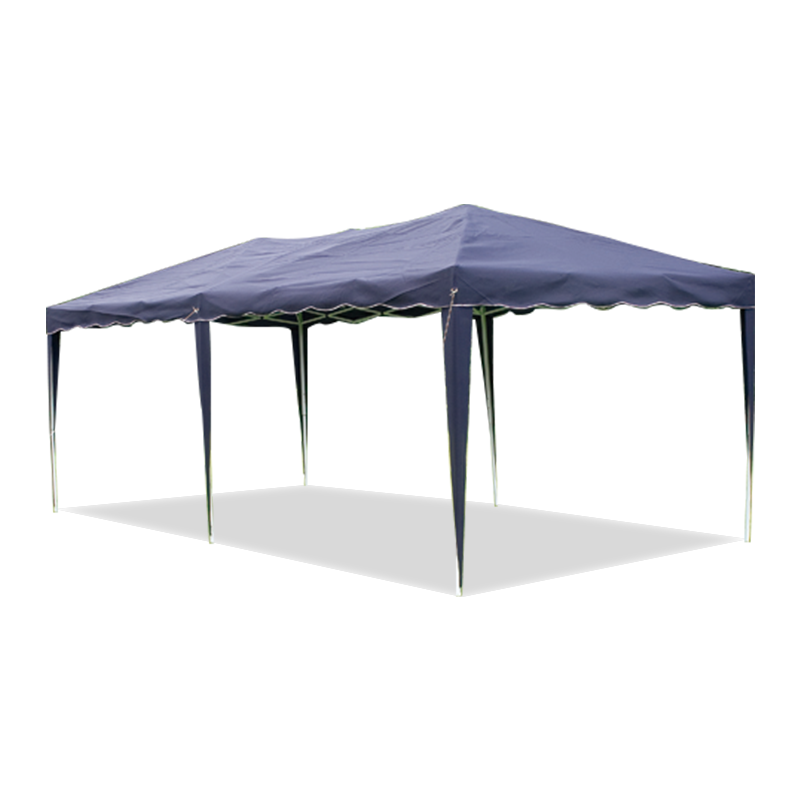
A car tent garage is the fastest and cheapest way to keep a vehicle dry, shaded, and frost-free without building a permanent structure. On the market, the same product appears under three names: a carport canopy, a portable garage tent, and a folding car shelter. For a typical sedan or family SUV, the most balanced recommendation is a 3 x 6 m folding canopy with a powder-coated steel frame and a 250 g/m2 PVC-coated polyester roof.
Unlike a fixed garage, a car tent garage needs no concrete slab, no foundation work, and no construction crew. Two adults can raise it in 20 to 60 minutes, and it can be dismantled and moved when the parking layout changes. The trade-off is clear: it is a weather shield, not a security room. It will protect paint from UV fading, keep rain off the body and interior, reduce frost scraping on winter mornings, and soften the impact of small hail. It will not stop a determined thief, and it will not provide a heated or insulated workshop environment.
Size Guide: What Fits Under a Car Tent Garage
Getting the size wrong turns the whole purchase into a daily annoyance. The reliable rule is to measure the longest, widest, and tallest vehicle you will park, then add at least 0.5 m (about 1.6 ft) of free space on each side. A normal passenger car, 1.8 to 1.9 m wide and 4.2 to 4.8 m long, therefore needs a 3 x 6 m footprint rather than the 2 x 3 m size that many first-time buyers imagine.
| Vehicle type | Typical length | Recommended shelter size | Height check |
|---|---|---|---|
| Compact hatchback | 3.9 - 4.2 m | 3 x 6 m canopy | 1.8 m side clearance |
| Mid-size sedan / SUV | 4.5 - 4.9 m | 3 x 6 m canopy | 2.6 m center height |
| Full-size pickup / large SUV | 5.5 - 6.1 m | 3 x 6 m or 3 x 7 m | 2.2 m mid-height |
| Van / minivan | 4.9 - 5.4 m | 3 x 7.5 m or 4 x 6 m | 2.8 m center height |
| Classic / show car | 4.2 - 4.8 m | 3 x 6 m with full walls | 2.2 m center height |
| Boat + trailer | 6.0 - 7.0 m | 3 x 9 m party tent | 3 m roof peak |
Height is the second most common mistake. A standard folding canopy reaches about 2.6 to 2.9 m at the center and 1.7 to 1.9 m at the eave when the legs are fully extended. If you drive an SUV with a roof box, a minivan, or a truck with a tall cap, look for telescopic legs that bring the peak to 3 m, or accept that the rear element will stay exposed. If you usually open the doors fully to unload children or cargo, add an extra 0.5 m per side instead of trusting the painted line width.
Frame Material: Steel or Aluminum in a Car Tent Garage
Choose steel if the shelter will stay in one place for more than one season. Choose aluminum if you live near the coast or plan to dismantle and re-erect the unit regularly. A powder-coated steel frame with 25 x 25 mm or 32 x 32 mm legs costs roughly 30 to 40 percent less than aluminum and resists bending on gusty sites; the coating protects the steel until a scratch exposes the surface. Aluminum frames, usually 25 x 25 mm to 30 x 30 mm with 1.0 to 1.2 mm wall thickness, weigh less and do not rust, but a thinner tube will flex more under the same wind load.
What to check before ordering the frame
- Leg cross-section: 25 x 25 mm is acceptable for a 2 x 2 m unit; a full 3 x 6 m carport should use 30 x 30 mm or larger unless internal braces are present.
- Connector type: aluminum die-cast connectors last longer than plastic under repeated assembly; pull-ring locks are quicker to release than button locks.
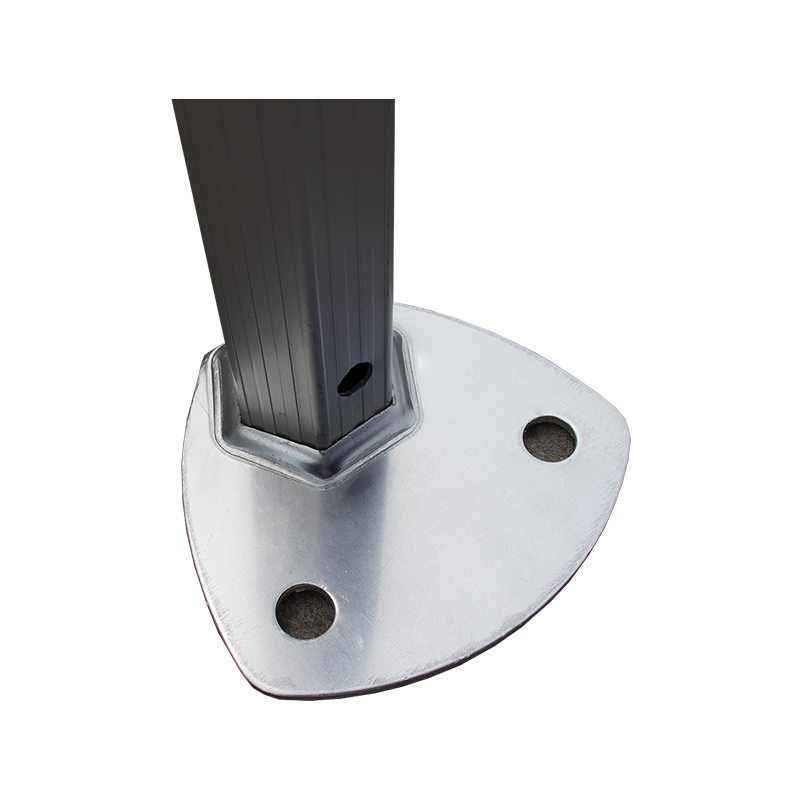
- Foot plates: a wide T-shaped or diagonal foot plate distributes the load better on soft ground and prevents sinkage.
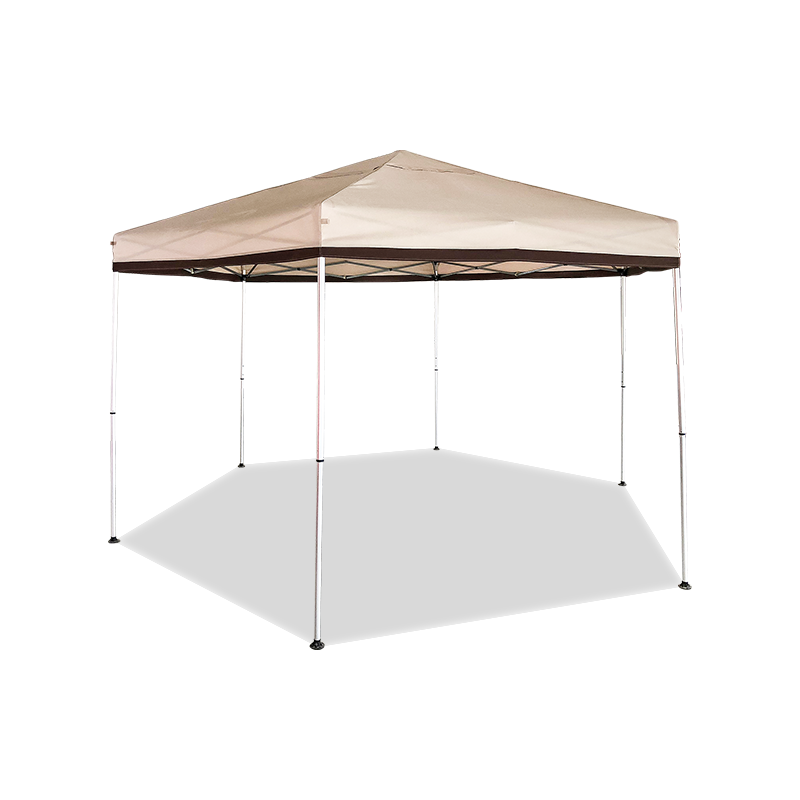
For a corrosion-resistant configuration, the factory's 3 x 3 m aluminum-frame folding gazebo is built with a 300 g/m2 PVC-coated polyester top and aluminum legs, and it is a common single-car unit in coastal gardens.
 Wholesale3X3M Aluminum Frame Folding Gazebo Outdoor/Tradeshow/Car/Wedding/Sun RaYuyao Seasons Touring Products Co., Ltd is China Wholesale 3X3M Aluminum Frame Folding Gazebo Outdoor/Tradeshow/Car/Wedding/Sun Rain Prot...View Product →
Wind, Rain, Hail, and Snow: How to Keep the Tent Standing
The frame shapes the structure; the anchors decide whether it survives. An unanchored 3 x 6 m canopy can lift at wind speeds as low as 30 to 40 km/h because of the large sail area. With six steel stakes, or two 20 kg weights per corner bay, and properly tensioned tie-downs, most folding carport canopies tolerate gusts in the 60 to 70 km/h range.
The Insurance Institute for Business and Home Safety (IBHS) recommends that temporary fabric shelters use anchors distributed around the entire perimeter rather than only at the four corners, and that all tie-down straps be retensioned after the cover has settled.
Fabric weight controls rain and hail performance. A 140 g/m2 polyester top is a sun shelter for fair weather; a 250 g/m2 PVC-coated polyester fabric is the practical minimum for rainy climates; heavy-duty units use 520 g/m2 double-layer PVC tarpaulin for winter and hail cases. According to the National Severe Storms Laboratory (NOAA), hailstorms cause more than USD 1 billion in property damage in the United States every year, much of it on exposed vehicles. A thick PVC roof absorbs the energy of small and medium hail that would otherwise dent a hood.
For a full discussion of gust behavior, read our test notes on whether a foldable gazebo can remain stable in windy conditions before you commit to a frame design.
Setup Time and Install Sequence for a Car Tent Garage
Two adults can erect a 3 x 6 m folding carport in 20 to 30 minutes on the second attempt. A steel party-tent style carport with removable walls takes 30 to 60 minutes. The safe sequence stays the same regardless of brand:
- Lay out the frame rails and trusses on level ground that is free of stones and debris.
- Insert all legs, set the height, and lock every pin before raising any part of the structure.
- Lift one side first, then the other, keeping both legs of each frame pair parallel throughout.
- Slide the cover over the frame from front to rear, center it, and attach the grommets or straps.
- Drive the corner stakes, tension the roof diagonally, then mount the side walls if included.
Do not fully tension the fabric until the frame is locked at all corners. If the cover is tensioned while one leg is still unlocked, the fabric will sit crooked and collect water. A step-by-step routine for the related gazebo class is covered in our guide on how to install and remove a portable gazebo safely.
Cost Check: Portable Carport vs Permanent Garage
Numbers first: according to the 2025 cost surveys published by HomeAdvisor, a typical attached single-car garage addition in the United States ranges from USD 18,000 to 35,000. A fixed metal carport with posts and a roof but no walls costs about USD 3,000 to 8,000 and still requires a slab or buried posts. A car tent garage, in contrast, leaves the ground untouched and asks for a one-time outlay of roughly USD 150 to 1,500 depending on size and fabric.
| Option | Installed cost | Build time | Expected life | Moveable |
|---|---|---|---|---|
| Folding canopy carport | USD 150 - 800 | 20 - 60 minutes | 3 - 5 yrs cover, 8 - 10 yrs frame | Yes, one storage bag |
| Steel garage tent | USD 600 - 1,800 | 1 - 2 hours, two people | 5 - 8 yrs cover | Yes, panel by panel |
| Aluminum event carport | USD 1,000 - 3,000 | Half a day | 5 - 8 yrs cover | Yes, panel by panel |
| Permanent attached garage | USD 18,000 - 35,000 | 1 - 3 months | 50+ years | No |
Because tent fabric is a wear item, treat a car tent as an operating expense: budget for a replacement roof cover every three to five years (USD 100 to 250 on a 3 x 6 m canopy) and expect the whole structure to serve five to ten full outdoor years before major parts need replacing. At that price point, the portable carport pays for itself in the first year of avoided paint repairs and interior sun damage.
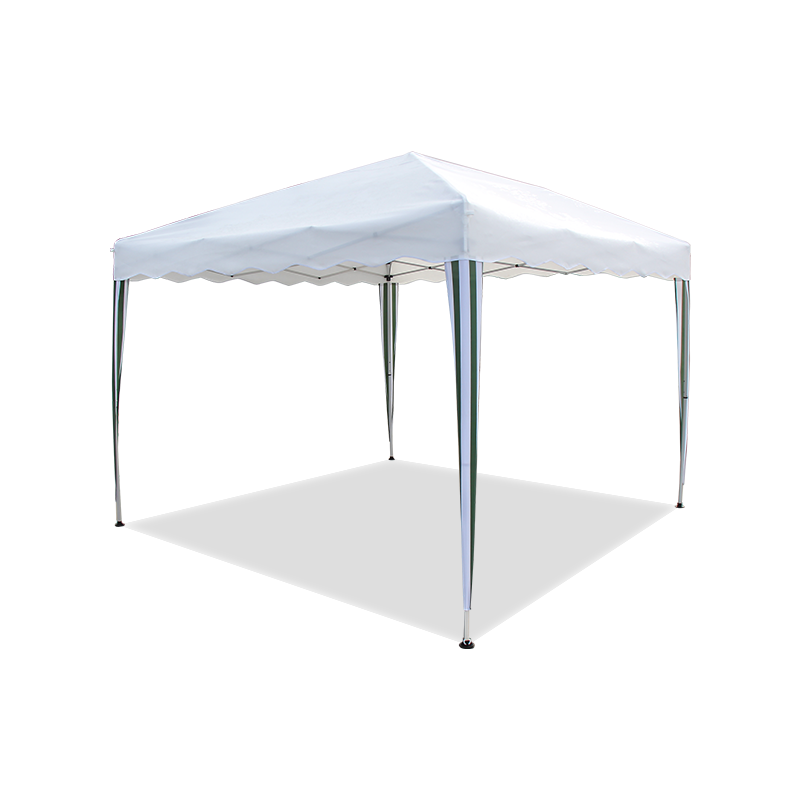
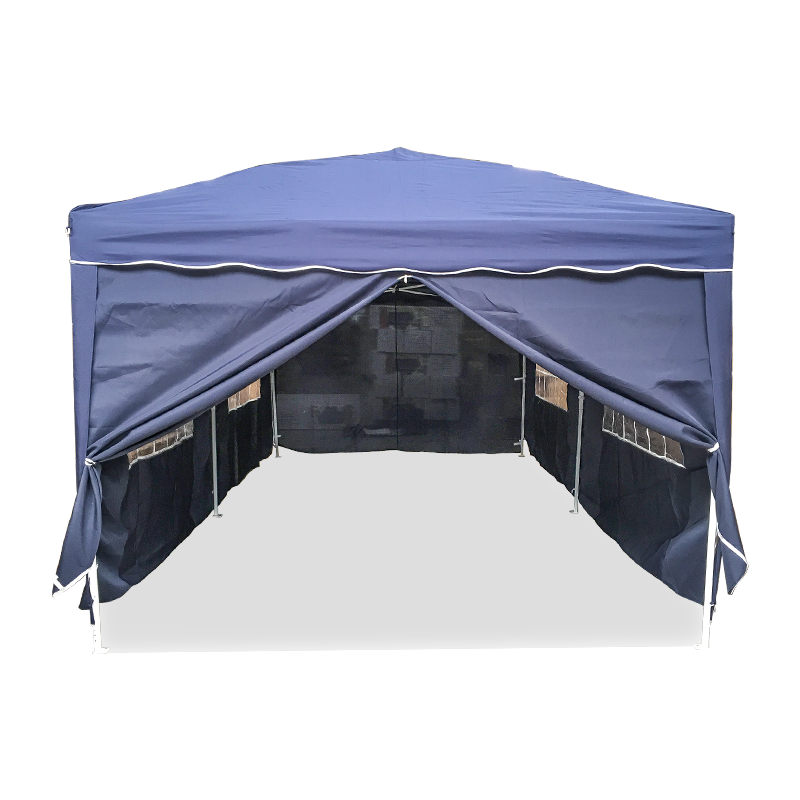
If you need heavier protection without the full cost of a building, the factory's party tent carport canopy is a large-format option designed to suit year-round car storage.
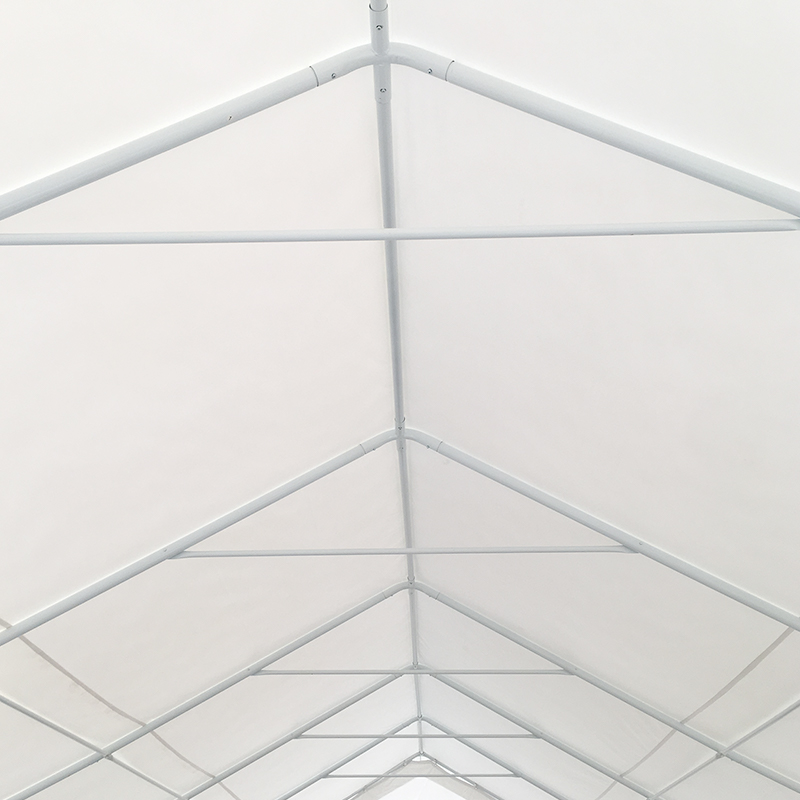 WholesaleOutdoor Party Tent Party Tent Carport Canopy Suppliers, Factory - YuyaoYuyao Seasons Touring Products Co., Ltd is China Wholesale Outdoor Party Tent Party Tent Carport Canopy suppliers and factory. Steel T...View Product →
Five Uses That Justify a Car Tent Garage
Very few buyers use a shelter only for the car. The same unit protects a garden workshop, a wedding buffet, or a tradeshow display, which is why many manufacturers name carport products with multiple roles. Typical uses include:
- Year-round parking for a daily driver, motorcycle, or caravan.
- Covered garden workshop for lawnmowers, bicycles, and outdoor tools.
- Backyard barbecue and party shelter for 10 to 30 guests.
- Wedding ceremony or cocktail area with side walls.
- Tradeshow and retail pop-up booth, with printed sidewalls.
- Boat, trailer, ATV, or firewood storage.
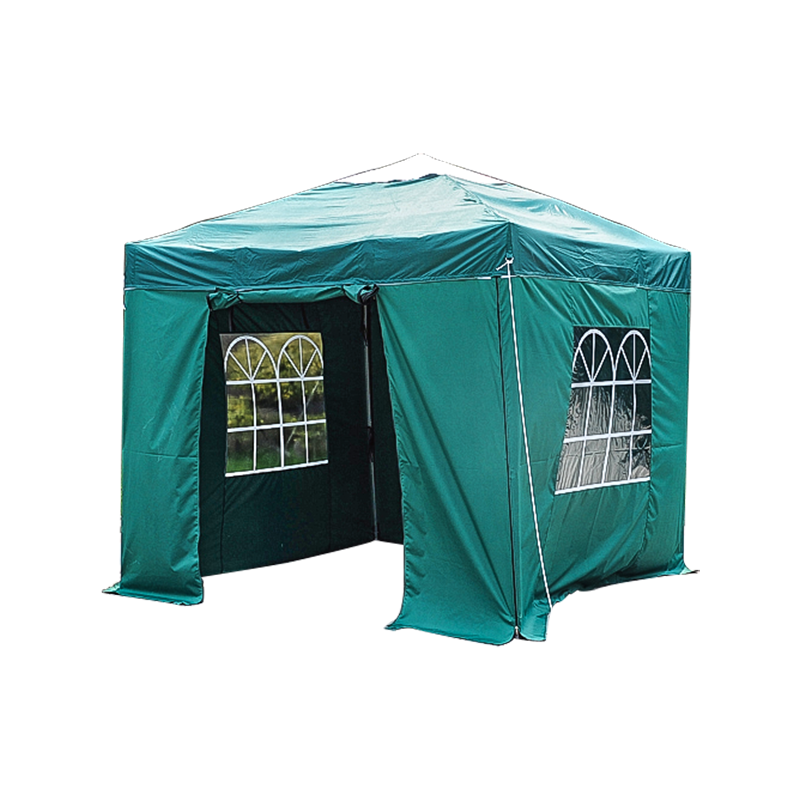
A representative multi-role design is the outdoor folding canopy with car, wedding, and tradeshow sun and rain protection, a 3 x 6 m structure that the manufacturer explicitly lists for all three jobs.
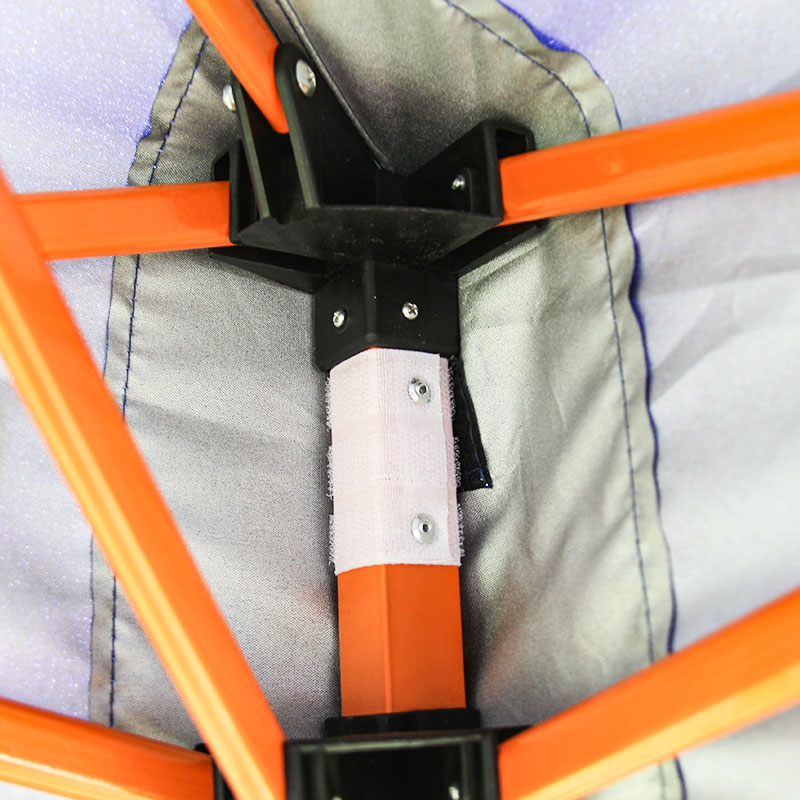 WholesaleA01-1-Outdoor/Tradeshow/Car/Wedding/Sun Rain Protection Canopy SupplierYuyao Seasons Touring Products Co., Ltd is China Wholesale A01-1-Outdoor/Tradeshow/Car/Wedding/Sun Rain Protection Canopy suppliers and f...View Product →
Maintenance: Making a 3-5 Year Cover Last Six or Seven Seasons
The single most important habit is to never store a damp cover. Mildew is the fastest killer of polyester carport fabrics. If the weather does not allow drying, drape the open cover over the frame in the shade for 24 hours before packing it. Clean the fabric twice a year with a soft brush, cold water, and mild soap; avoid a pressure washer, which strips PU silver coatings and fades the dye.
- Check anchor stakes and straps every month; retension diagonals after a wind storm.
- Inspect seams and taped joints; treat small holes with vinyl patch tape immediately.
- Clear snow with a broom before it passes 10 cm depth on a nearly flat roof.
- Sweep any pooling water by lifting the lowest corner from the inside.
- Lubricate steel locking pins with silicone spray; never use oil-based grease, which collects dust.
The complete seasonal routine, including storage and cleaning steps, appears in our guide on how to maintain a tent after long outdoor service.
Car Tent Garage FAQ: Six Questions Buyers Ask Most
1. What is the difference between a car tent, a carport canopy, and a garage tent?
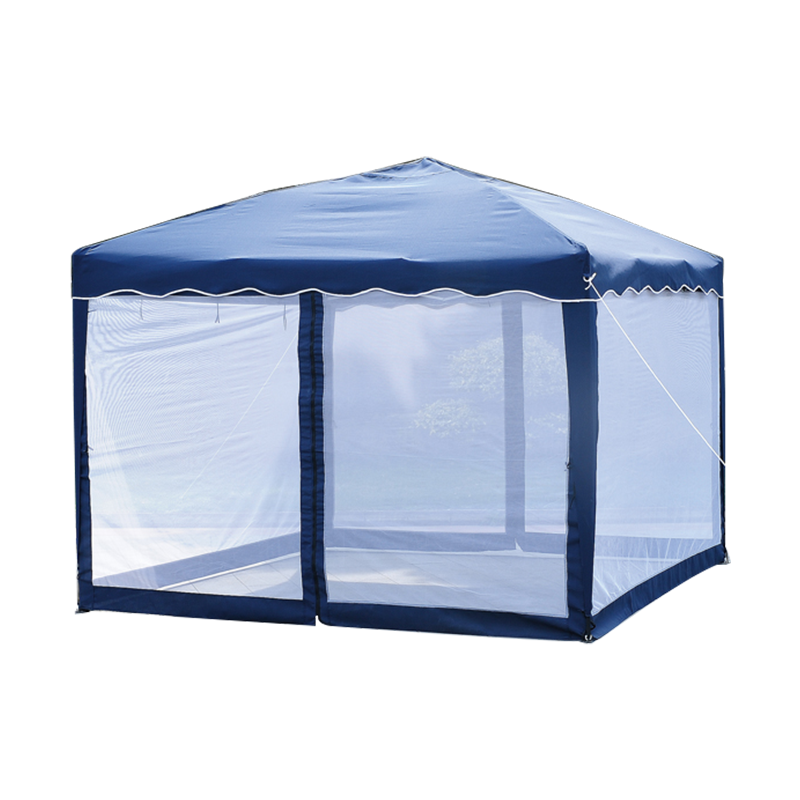
These names overlap in product listings. A car tent usually means a single-car unit with a floor or side walls; a carport canopy is an open-sided roof structure; a garage tent is a heavy unit with removable walls, roll-up doors, and windows. All three belong to the car tent garage family and share the same frame and fabric principles.
2. What size do I need for a pickup truck or large SUV?
Add 1 m to the vehicle length. A crew cab pickup of 5.8 to 6.1 m fits a 3 x 6 m canopy only if the tailgate is closed; a 3 x 7 m unit is more comfortable. For height, look for a center clearance of at least 2.2 m.
3. Will a car tent garage survive strong winds and snow?
When anchored at six or more points and kept in good fabric condition, a steel-frame unit with a 250 g/m2 PVC roof will handle normal seasonal snow load and gusty weather. Clear snow once it builds past 10 to 15 cm. No fabric shelter is designed to survive hurricane-force events, so it is smart to lower the roof or take the tent down before a named storm arrives.
4. How long does the cover last?
Plan for three to five years of full-season outdoor life for polyester covers, longer in shaded locations. Frames typically serve eight to ten years. The roof is replaceable, which extends the total lifespan of the car tent garage.
5. Can I use a car tent garage as a workshop?
Yes, for bench work, assembly, and storage. Avoid open flames, welding sparks, and heaters that can catch on polyester fabric. Install side walls to reduce dust and control light, and keep the entrance open for ventilation.
6. Steel or aluminum, which is better for a carport?
Steel for a fixed budget site, aluminum for coastal areas and frequent relocation. Aluminum costs about 30 to 40 percent more, weighs less, and will not rust, while steel offers more rigidity per dollar in the same tube size.
Final Recommendation Before You Buy
Every good car tent garage purchase reduces to four decisions: size, frame, fabric, and anchoring. For most owners the rational default is a 3 x 6 m powder-coated steel canopy with a 250 g/m2 PVC-coated polyester roof, at least six ground anchors, and one spare roof cover. If your home is within one and a half kilometers of salt water, switch to an aluminum frame. If you plan to keep the tent up every month of the year, move up to a heavier party-carport type with removable walls. Avoid very light single-skin models: a 100 g/m2 top will UV-crack in two summers, and a thin leg will bend in the first autumn gale.
A car tent garage will never fully replace a concrete and steel building. What it does give you, at ten to fifty times lower cost, is a removable, foundation-free shelter that keeps a vehicle cleaner, cooler, drier, and safer from hailstones in every season.

