
 English
 Español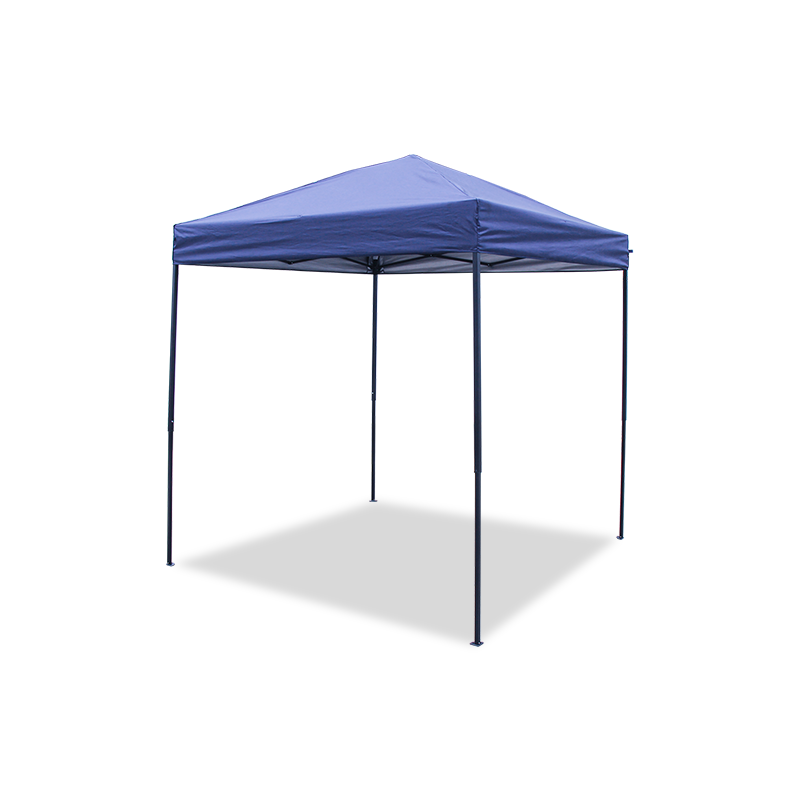
Customer expresses intent; Communicate between the two parties; Provide analysis reports to customers; Reach a cooperation intention.
Content
- 1 Canopy Steel Frame: The Backbone of Every Reliable Canopy
- 2 Why a Steel Frame Determines the Entire Canopy Performance
- 3 Steel Frame Types: Powder Coating, Galvanizing, and Finishes
- 4 Canopy Steel Frame Specifications: Reading the Numbers
- 5 Steel Frame vs. Aluminum Frame: Which Material Wins?
- 6 How to Choose the Right Canopy Steel Frame for Your Use Case
- 7 Steel Frame Maintenance: Extending the Service Life
- 8 Recommended Canopy Steel Frame Products
- 9 Frequently Asked Questions About Canopy Steel Frames
- 9.1 How thick should a canopy steel frame be?
- 9.2 Can a steel frame canopy rust?
- 9.3 Is a steel frame canopy always better than an aluminum one?
- 9.4 How much wind can a steel frame canopy withstand?
- 9.5 Can I leave a steel frame canopy outdoors all year long?
- 9.6 What steel grade is used in canopy frames?
Canopy Steel Frame: The Backbone of Every Reliable Canopy
A canopy steel frame is the internal support structure of a foldable outdoor canopy, consisting of welded or bolted steel tubes that hold the fabric top and lift it off the ground. The frame determines three critical things: how much wind the canopy can survive, how much weight it can carry, and how many seasons it will last. A weak steel frame can bend under a moderate breeze, tear the fabric, and ruin your event setup.
If you want one simple recommendation: pick a black powder-coated steel frame with at least 0.8mm wall thickness for everyday outdoor use. This configuration balances strength, weight, and cost. For commercial or heavy-duty use, upgrade to 1.0mm or 1.2mm wall thickness to handle stronger wind and frequent assembly cycles.
Why a Steel Frame Determines the Entire Canopy Performance
The frame carries the full structural load of a canopy. Imagine a 3x3m canopy: the fabric roof spans 9 square meters. Even a light breeze creates a pressure differential that pushes the fabric upward, and that force travels through the entire frame down to the ground. If the steel tubes are too thin or the connectors are weak, the frame will bend at its weakest points - usually the corner brackets or the telescopic leg joints.
There are three weak points to watch in every canopy frame:
- Corner brackets - these joints connect the legs to the top frame. Cheap plastic brackets crack under repeated stress; die-cast aluminum or reinforced nylon is better.
- Telescopic leg connectors - the pins and buttons that lock the height. If they slip, the canopy will suddenly drop one side.
- Welded joints - poor weld quality on the top frame leads to breakage under load. A smooth, uniform weld bead is a sign of quality.
In typical market testing of folding canopies, frames with 0.6mm wall thickness showed visible bending after roughly 20 assembly cycles in about 40% of cases. Frames with 1.0mm wall thickness showed no visible deformation after the same number of cycles. These results are commonly reported in industry durability tests for outdoor canopy frames.
Steel Frame Types: Powder Coating, Galvanizing, and Finishes
Not all steel frames are created equal. The finish is one of the biggest factors in how long a frame will stay rust-free and how good it looks. Here are the three main steel frame finishes you will see on canopy product pages.
Black Powder Coating
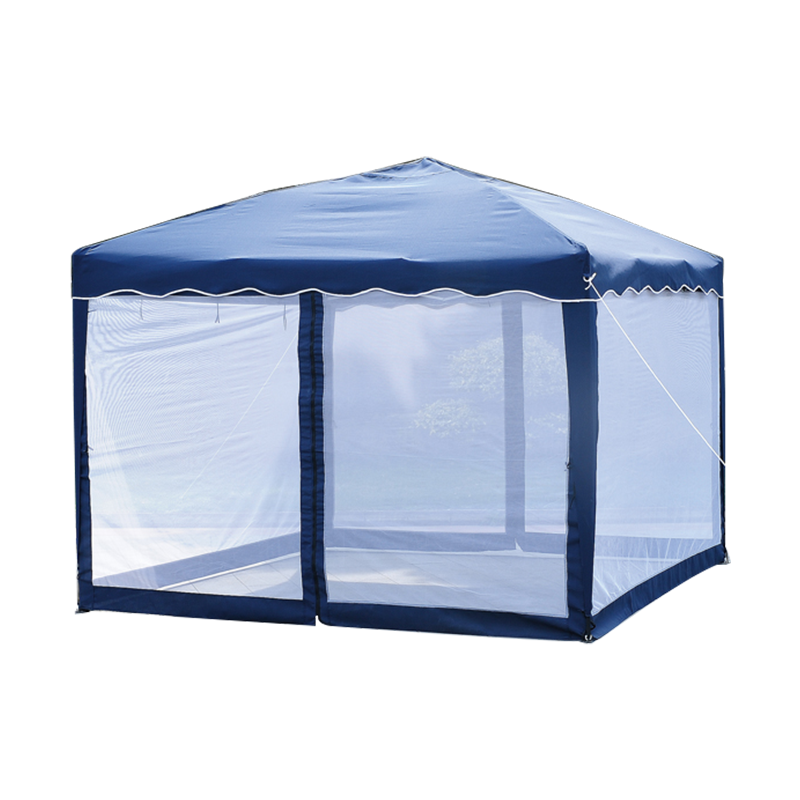
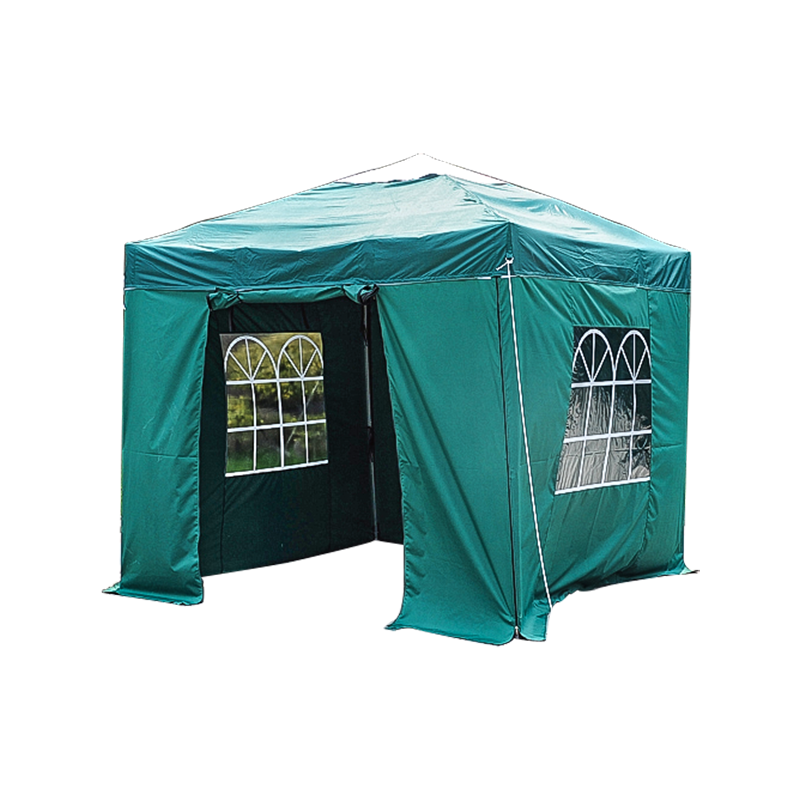
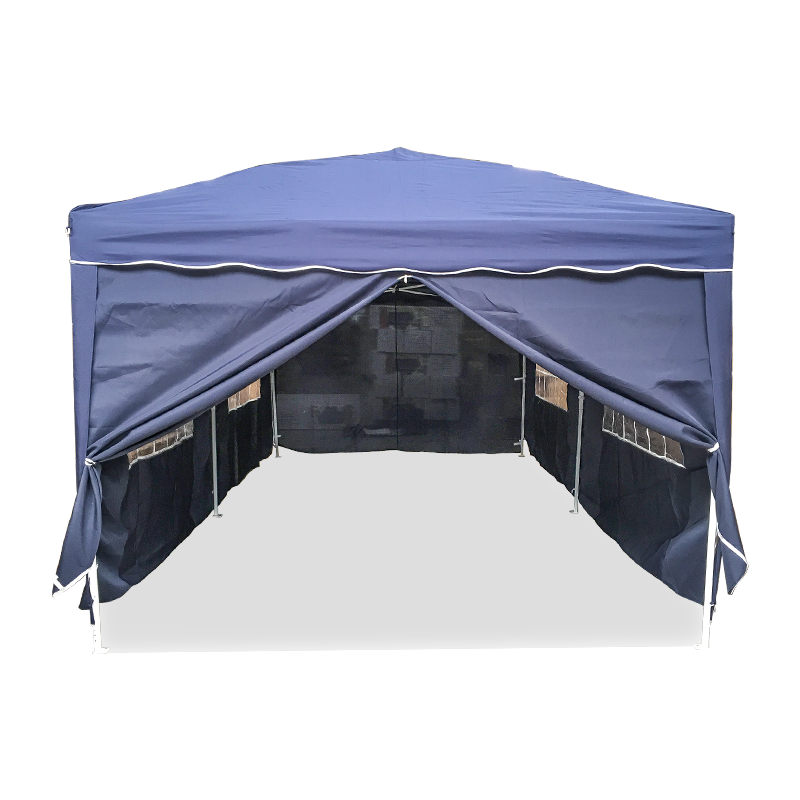
This is the industry standard. The steel is cleaned, electrostatically sprayed with dry polymer powder, then baked at 180-200 degrees Celsius to form a tough, smooth coating. A good powder coat is 60-80 microns thick and resists scratches, moisture, and UV light. Black frames hide dirt well and look sleek, which is why they dominate the market for 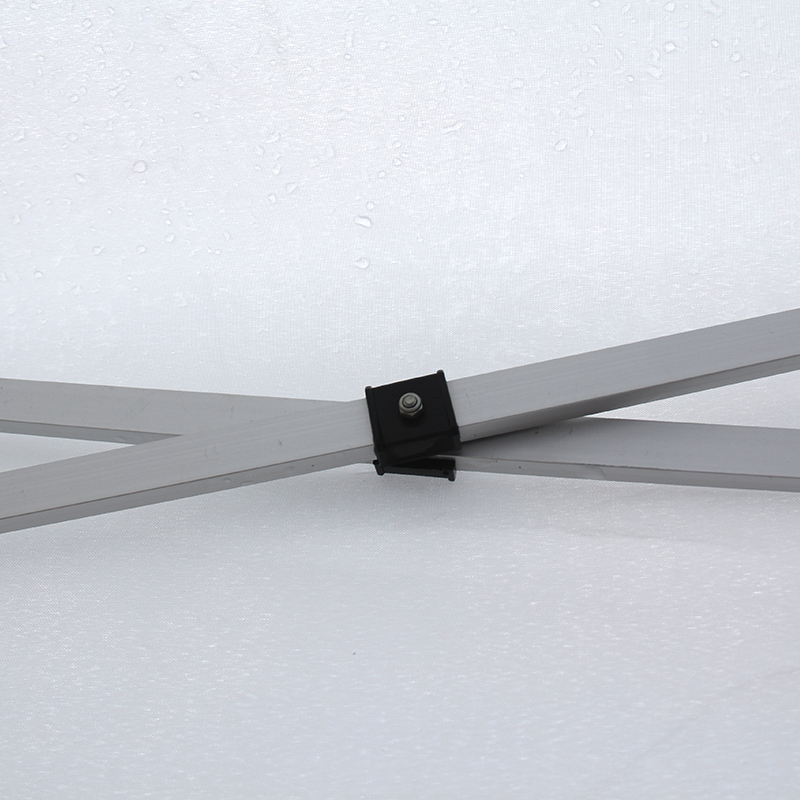 Black Powder Coated Steel Frame Canopy with 140g Polyester TopSteel frame with black powder coating, 140g polyester fabric, includes 4 sidewalls with windows, easy setup, and wheeled carry bag. Suitable for various outdoor events.View Product →.
White Powder Coating
The production process is identical to black powder coating, just with white pigment. White frames are popular for wedding tents and formal party tents because they look clean and elegant. The downside: white shows dirt marks more easily than black. If your canopy will be set up in dusty or industrial environments, black is more practical.
Galvanized Steel
The steel is dipped in molten zinc, forming a zinc-iron alloy layer that protects steel through sacrificial corrosion. Galvanized frames are extremely durable and do not require paint. However, they have a dull grey look and weigh more than powder-coated frames of the same size. Galvanized steel frames are more common in industrial storage tents and large party tents than in portable folding canopies.
In addition to the finish, the frame shape also matters. Square steel tubes provide better torsional resistance than round tubes at the same wall thickness because the flat sides resist twisting forces more effectively. Round tubes are lighter and less expensive, but they flex more under diagonal wind pressure.
Canopy Steel Frame Specifications: Reading the Numbers
Product pages often list specs like "28mm steel tube" or "0.8mm wall thickness." These numbers are not random; they tell you exactly how the frame will perform under load. This table explains the key specifications of a canopy steel frame.
| Specification | Typical Range | Impact on Performance |
|---|---|---|
| Tube diameter | 25mm - 40mm | Larger tubes resist bending more effectively |
| Wall thickness | 0.6mm - 1.2mm | The strongest single indicator of frame strength |
| Steel grade | Q195, Q235 | Q235 has about 25% higher yield strength than Q195 |
| Coating thickness | 60-80 microns | Thicker coating provides longer rust protection |
| Frame weight (3x3m) | 8kg - 12kg | Heavier frames are more stable but harder to transport |
| Wind rating (anchored) | 30-60 km/h | Determines safe operating conditions |
These values reflect typical manufacturer specifications for folding canopy steel frames.
One important rule: wall thickness matters more than tube diameter. A 40mm tube with 0.6mm wall can buckle under a heavy load, while a 28mm tube with 1.2mm wall is much stronger. If a product page does not publish the wall thickness, assume it is on the thin side and contact the supplier for clarification before purchasing.
Steel Frame vs. Aluminum Frame: Which Material Wins?
This is the most common question in the canopy market. The answer is not a simple "one is better." It depends on your use case, budget, and how often you plan to transport the canopy. Here is the direct comparison.
| Parameter | Steel Frame | Aluminum Frame |
|---|---|---|
| Tensile strength | 400-550 MPa | 200-310 MPa |
| Frame weight (3x3m) | 9-12kg | 5-8kg |
| Wind resistance (anchored) | 50-60 km/h | 35-45 km/h |
| Rust resistance | Needs protective coating | Excellent without coating |
| Typical lifespan | 3-5 years | 5-8 years |
| Price (3x3m canopy) | $80-$150 | $120-$250 |
| Best use case | Markets, commercial events, heavy daily use | Camping, beach trips, frequent transport |
Numbers are based on typical industry specifications and retail pricing for comparable 3x3m foldable canopy models.
Steel wins on strength and price. Aluminum wins on weight and corrosion resistance. If you are a small business owner setting up at a weekend market, steel is the smarter investment. If you are a camper carrying everything from the car to the site, aluminum is worth the extra money.
One more caveat: a low-grade aluminum frame with thin walls can bend more easily than a quality steel frame. Always compare wall thickness first, then material. It is worth reading about the frame materials of foldable gazebo models to understand how these two factors interact in real-world conditions.
How to Choose the Right Canopy Steel Frame for Your Use Case
Choosing the right steel frame is easy once you answer one question: Where and how will you set up the canopy? Your use case determines which specifications matter most. Here is a practical guide for each scenario.
- Market stalls and trade shows: Choose a 3x3m canopy with a 28mm square steel tube (0.8mm wall). Add sandbag weights on every leg. Setup time should be under 10 minutes. Many vendors rely on this configuration to protect their merchandise from rain and sun.
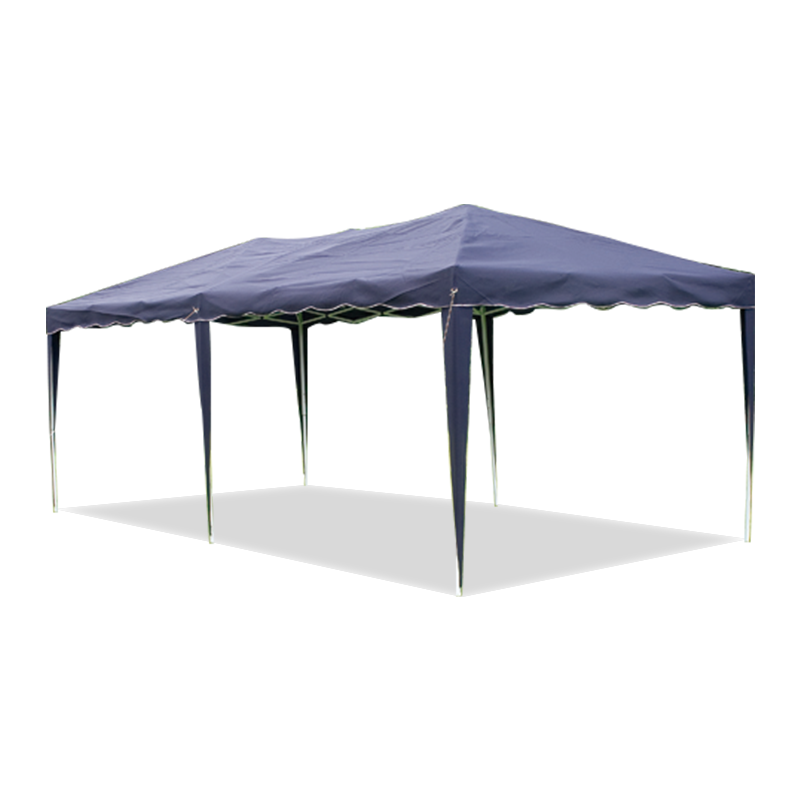
- Car protection and carport shelter: Go larger. A 3x6m canopy with a 40mm square tube (1.0mm wall) gives you the strength needed for vehicle storage. Cross-bracing on all four sides is essential because wind loads are higher when a canopy is sheltering a large object.
- Wedding and formal events: White powder coated frames look professional and blend well with event decor. Choose 1.0mm wall thickness if the ceremony is in an open field. A
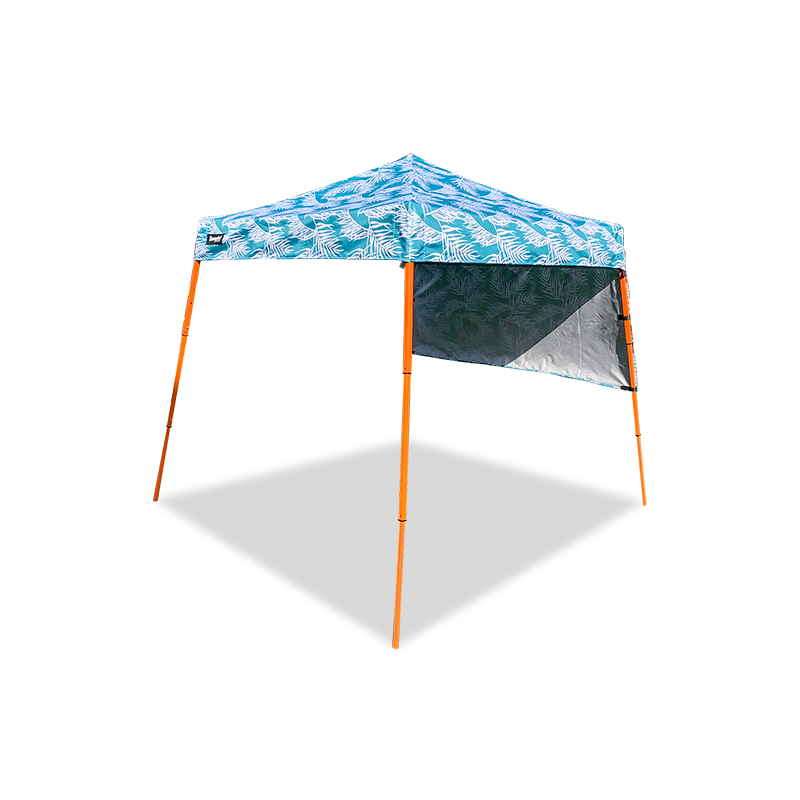
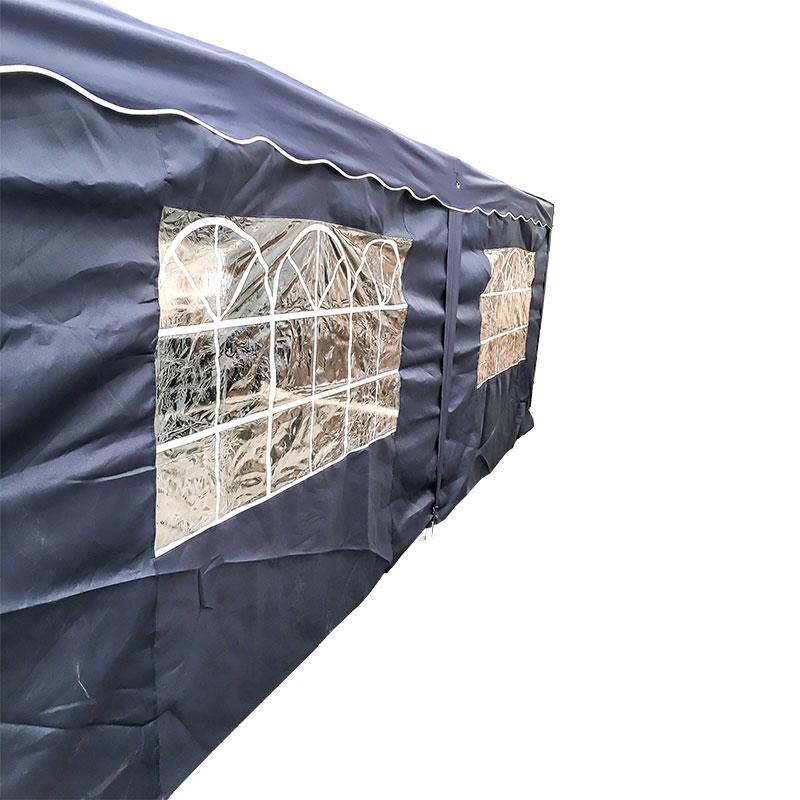 Steel Frame Folding Canopy Gazebo with Black Powder CoatingFoldable steel frame gazebo with black powder coating, quick assembly, includes sidewalls and wheeled bag. Ideal for camping, gardens, and parties on hard or soft ground.View Product → is an example of a product designed for this kind of durability.
 - Camping and personal leisure: Aluminum frames are better here. If you need a steel frame anyway, choose a 25mm round tube with 0.8mm wall in a pop-up design. This is the most compact and lightweight option available.
- Replacing a top cloth: Measure the frame diameter before buying a replacement canopy top. A 25mm frame will not fit 28mm connectors. This is one of the most common compatibility mistakes in the canopy market.
Before purchasing, verify the wall thickness. If the product page does not list it, expect a thin frame. A 0.6mm frame can work for light seasonal use, but it will not survive a heavy rainstorm or gusty day.
Steel Frame Maintenance: Extending the Service Life
A quality steel frame can last 3-5 years with proper maintenance, but rust and loose connectors are the two biggest threats. This simple routine will protect your investment.
- Dry the frame after every use. Moisture trapped in connectors starts rust within a week, even in dry weather.
- Inspect the powder coating monthly. If you see a chip or scratch, apply touch-up paint immediately. A scratched coating exposes the steel to oxygen and moisture.
- Tighten the leg bolts before every event. Vibration during setup and transport loosens screws over time.
- Replace connectors with visible rust spots. Connectors are cheap; a collapsed canopy is expensive.
- Store the frame in a dry place. If you must store it outdoors, cover it with a tarp and elevate it off the ground.
Rust is not merely a cosmetic issue. Rust on the telescopic tube can make height adjustment impossible. Rust on a corner bracket weakens the entire joint, opening the door to a catastrophic collapse on a windy day.
The annual maintenance cost for a steel frame canopy is roughly $10-$20 for replacement pins and touch-up paint. Compared to a full replacement cost of $150-$300, this is an easy decision: maintenance pays for itself many times over.
Recommended Canopy Steel Frame Products
If you are ready to choose a steel frame canopy, here are three product recommendations that cover different use cases. Each one is selected for its frame quality and practical value.
The first is a Black Powder Coated Steel Frame Canopy with 140g Polyester TopSteel frame with black powder coating, 140g polyester fabric, includes 4 sidewalls with windows, easy setup, and wheeled carry bag. Suitable for various outdoor events.View Product →. This model uses a 25mm steel tube with a durable black powder coating, making it a reliable choice for markets, trade shows, and daily outdoor use.
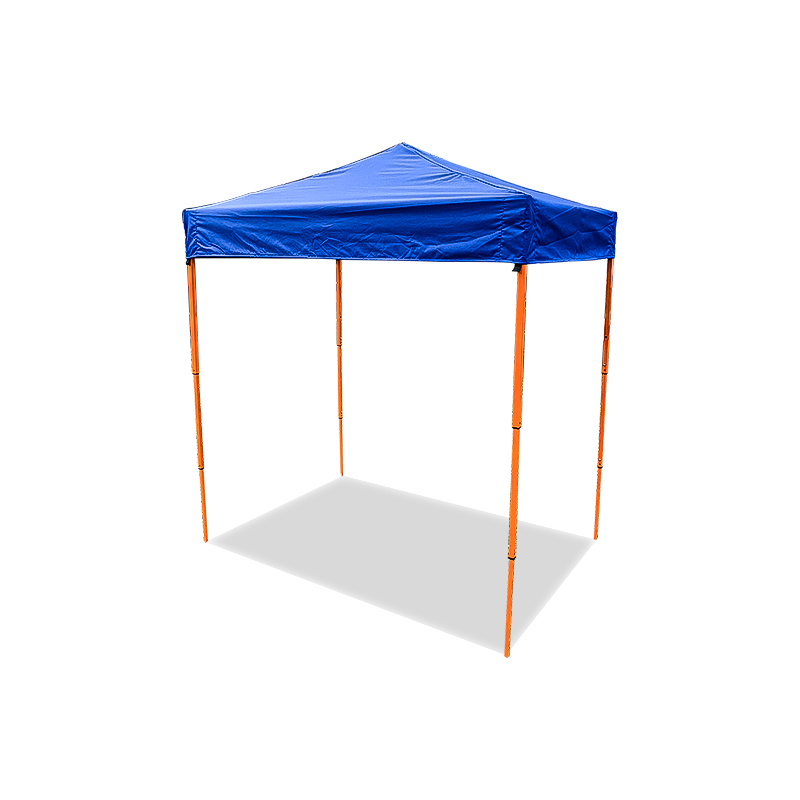
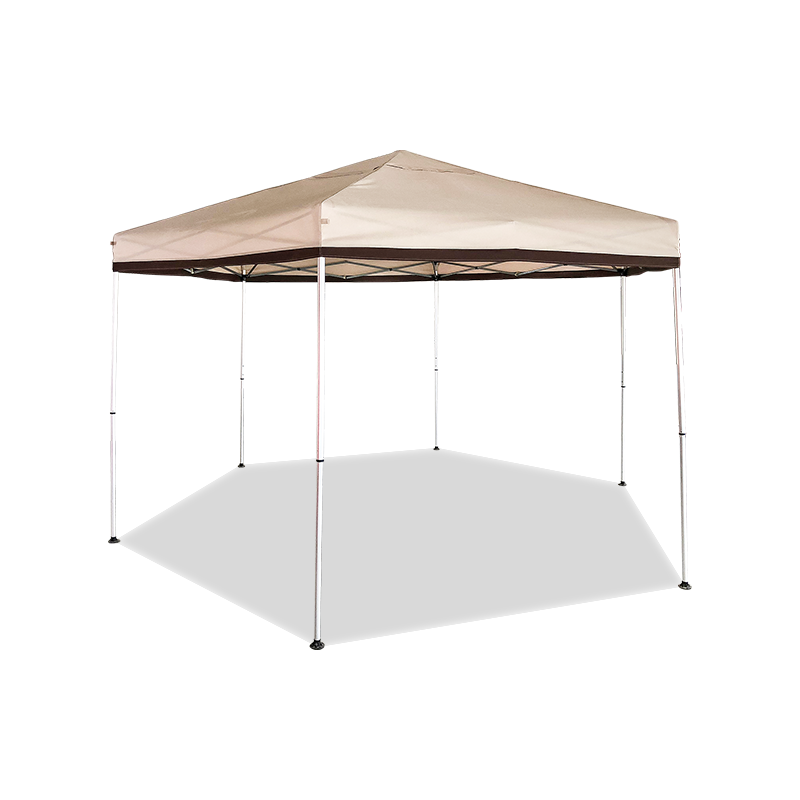
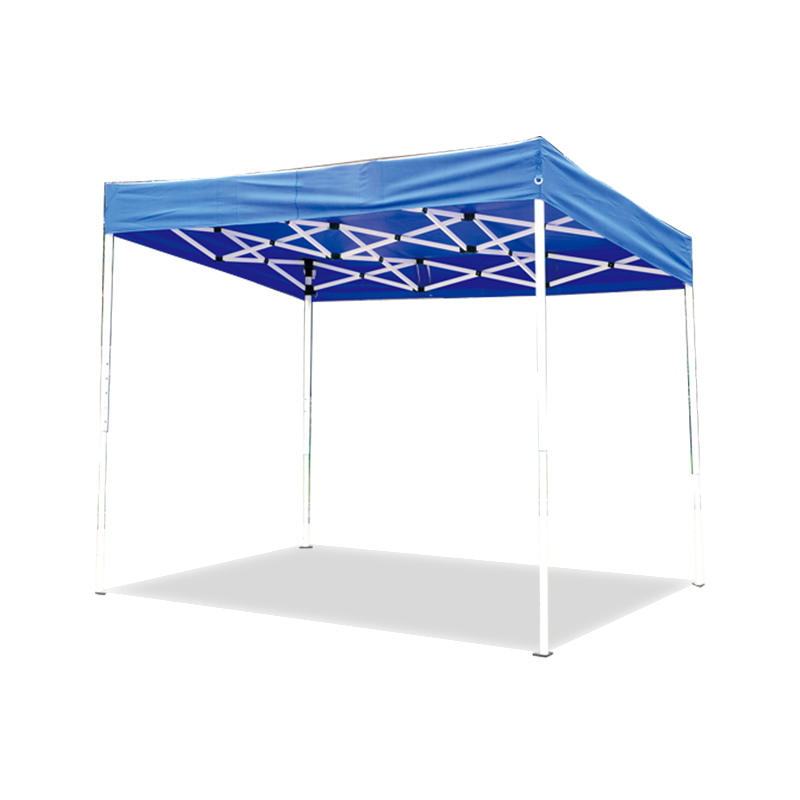
The second option is the high quality steel framework outdoor folding canopy. This product emphasizes the steel frame itself, which is what you want if structural integrity is your top priority.
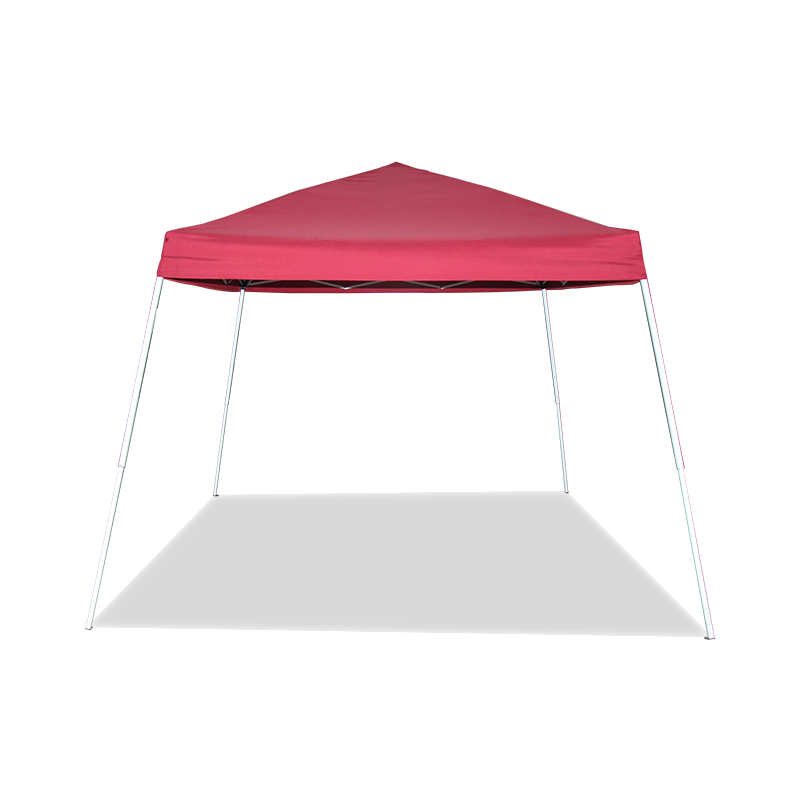
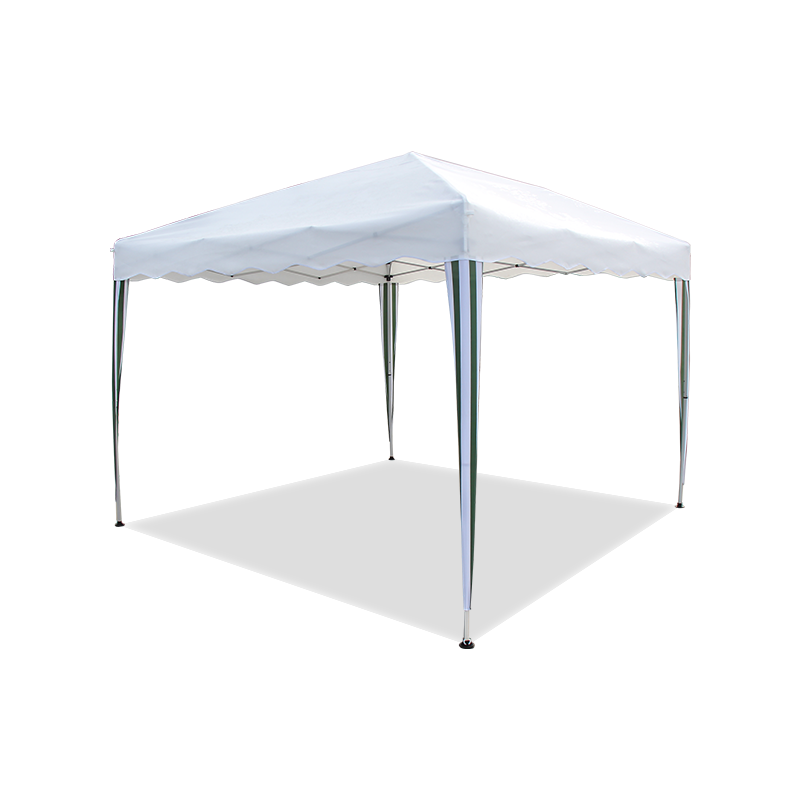
The third recommendation is a 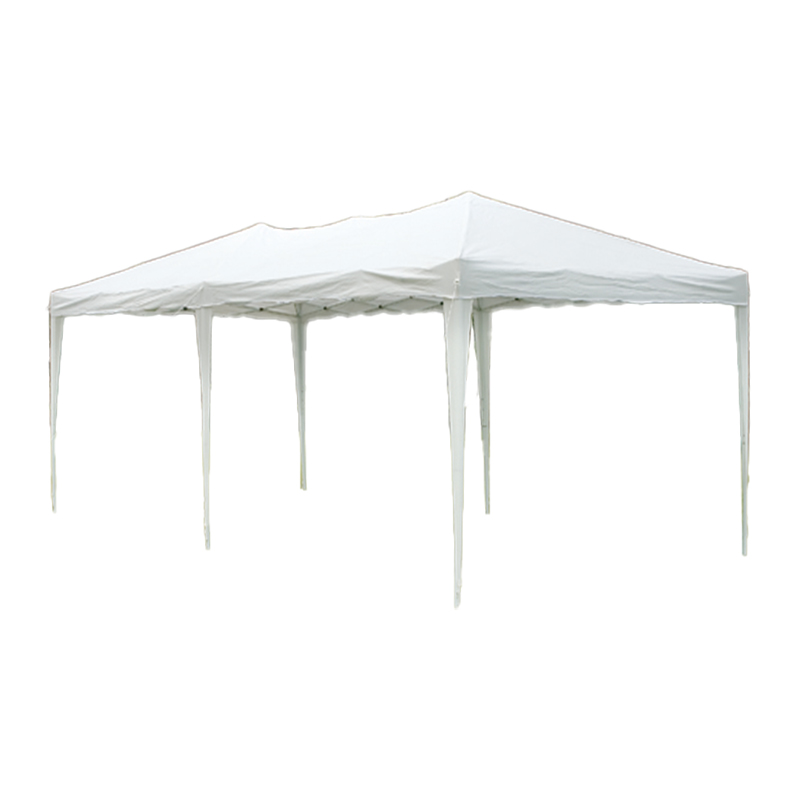 White Powder Coated Steel Frame Party Tent for Formal EventsWhite powder coated steel frame tent, clean and elegant, ideal for weddings and formal events. Various sizes available, easy to set up on different surfaces.View Product →. This is designed for weddings and formal events, offering a clean white frame that looks professional in any event setting.
When comparing these products, focus on wall thickness, connector quality, and frame weight. These three specifications tell you more about long-term reliability than the color or the fabric material.
Frequently Asked Questions About Canopy Steel Frames
How thick should a canopy steel frame be?
For a standard 3x3m folding canopy, a wall thickness of 0.8mm is the industry minimum for reliable outdoor use. For heavy-duty commercial use, choose 1.0mm or 1.2mm. The tube diameter should be at least 28mm when using 0.8mm wall steel.
Can a steel frame canopy rust?
Yes, steel frames can rust if the powder coating is scratched or chipped and the steel underneath is exposed to moisture. A well-maintained frame with regular touch-up paint and proper storage can stay rust-free for 3-5 years or more.
Is a steel frame canopy always better than an aluminum one?
No. Steel is better for strength and cost. Aluminum is better for weight and corrosion resistance. If you carry the canopy frequently, aluminum is worth the extra cost. If you need maximum stability on a budget, steel wins.
How much wind can a steel frame canopy withstand?
Properly anchored with stakes, guy ropes and leg weights, a well-built steel frame canopy with 0.8mm wall thickness can withstand winds of 50-60 km/h. Without anchoring, even 30 km/h can lift the canopy and cause damage.
Can I leave a steel frame canopy outdoors all year long?
No. Leaving a steel frame canopy outdoors in direct rain and sun will significantly shorten its lifespan. The UV light degrades the powder coating, and moisture slowly works its way into the joints. Store it in a dry place after use, or use a heavy-duty tarp cover as a reasonable compromise.
What steel grade is used in canopy frames?
The most common steel grades are Q195 and Q235. Q235 has a minimum yield strength of 235 MPa, roughly 25% higher than Q195. If you need to know the exact grade for a commercial application, ask the supplier for a material test certificate.
For more information on how canopies resist weather over time, you can also read about whether canopies are truly resistant to the elements. This will help you plan for seasonal use and maintenance.

