English
 Español

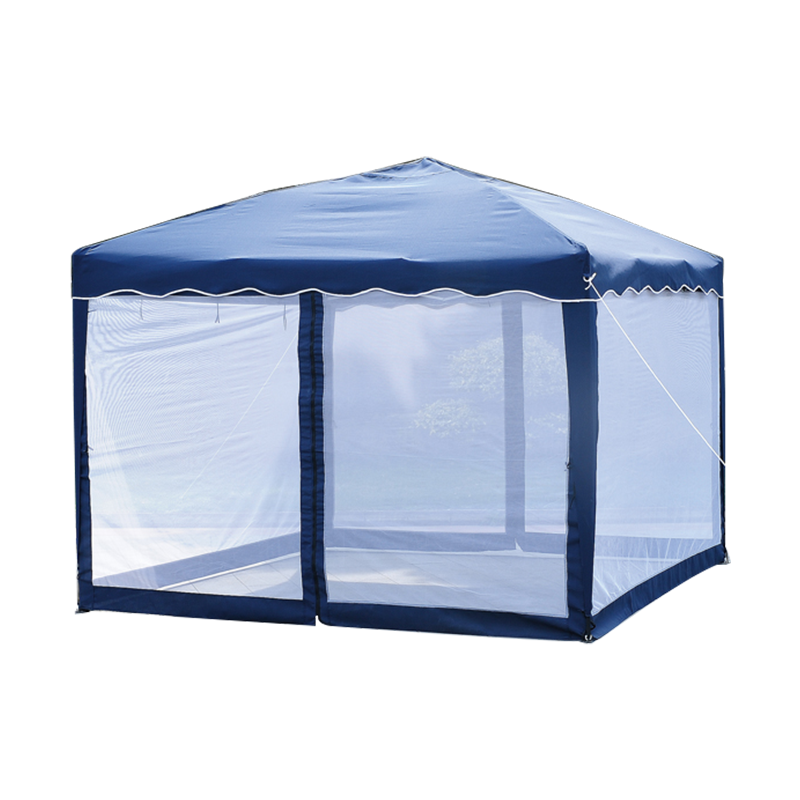
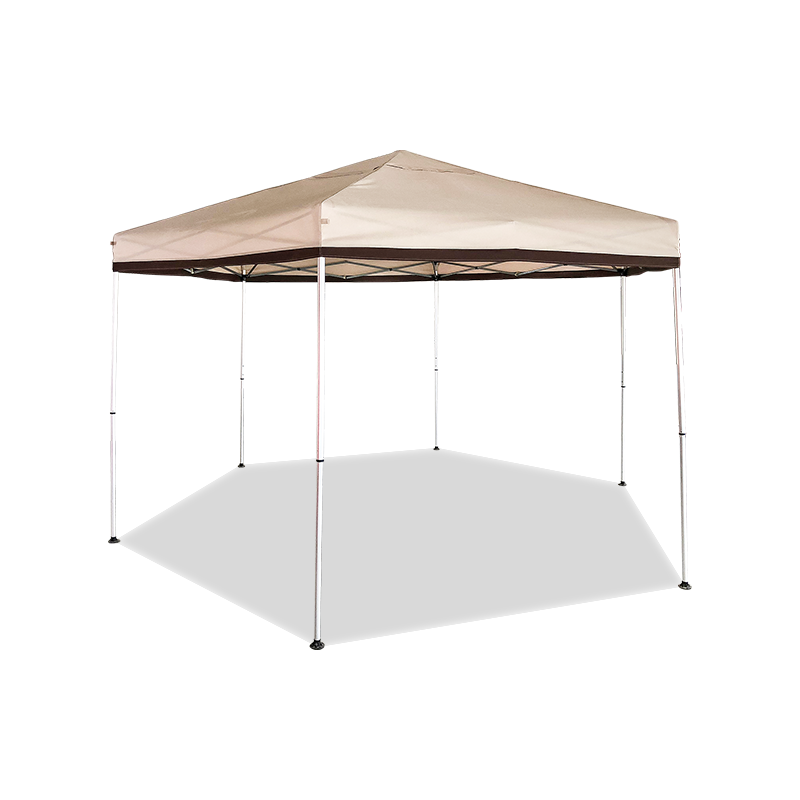
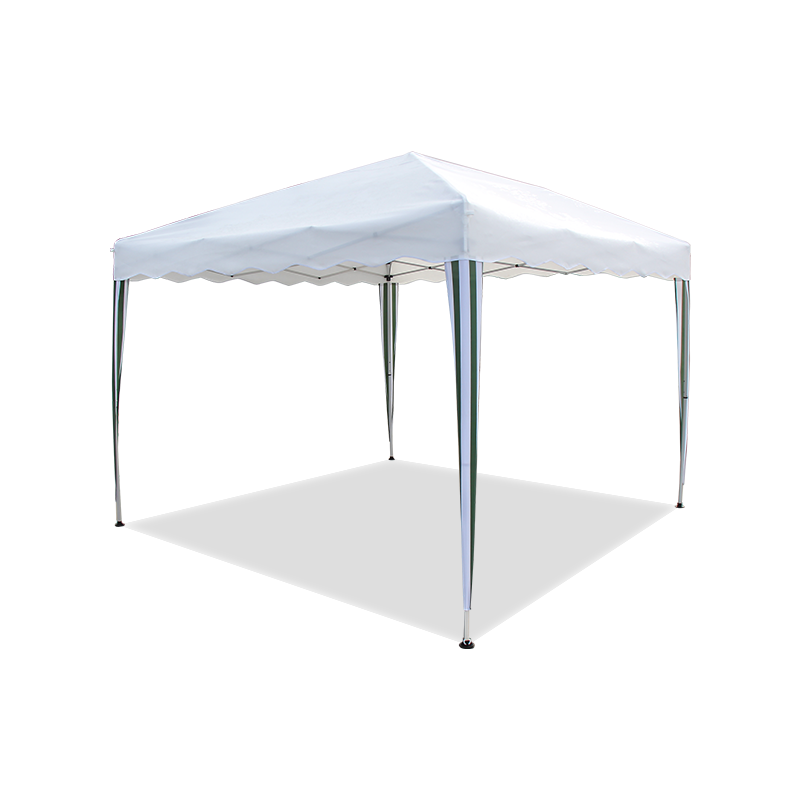
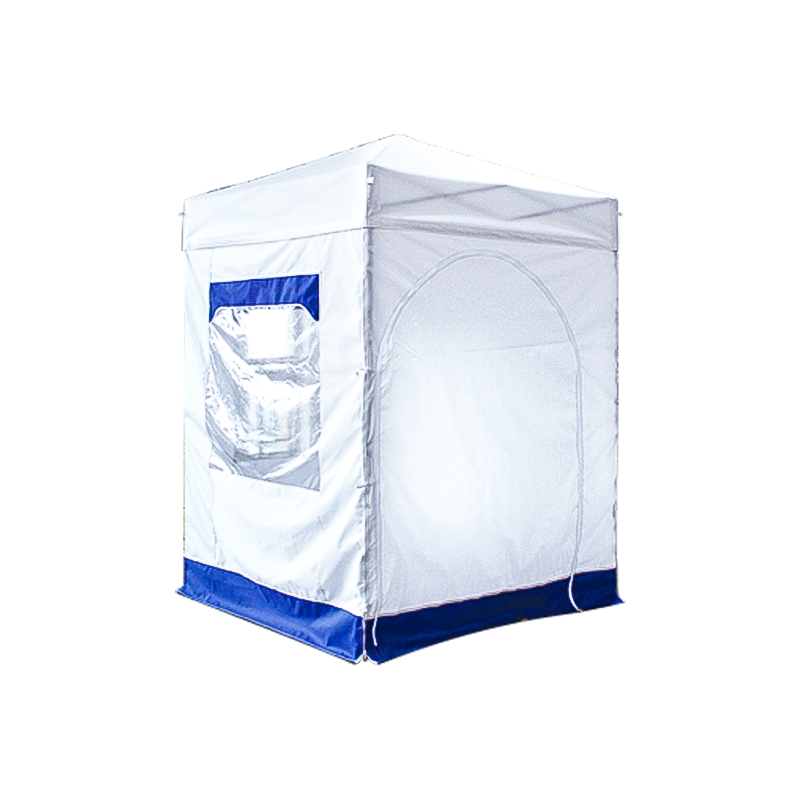
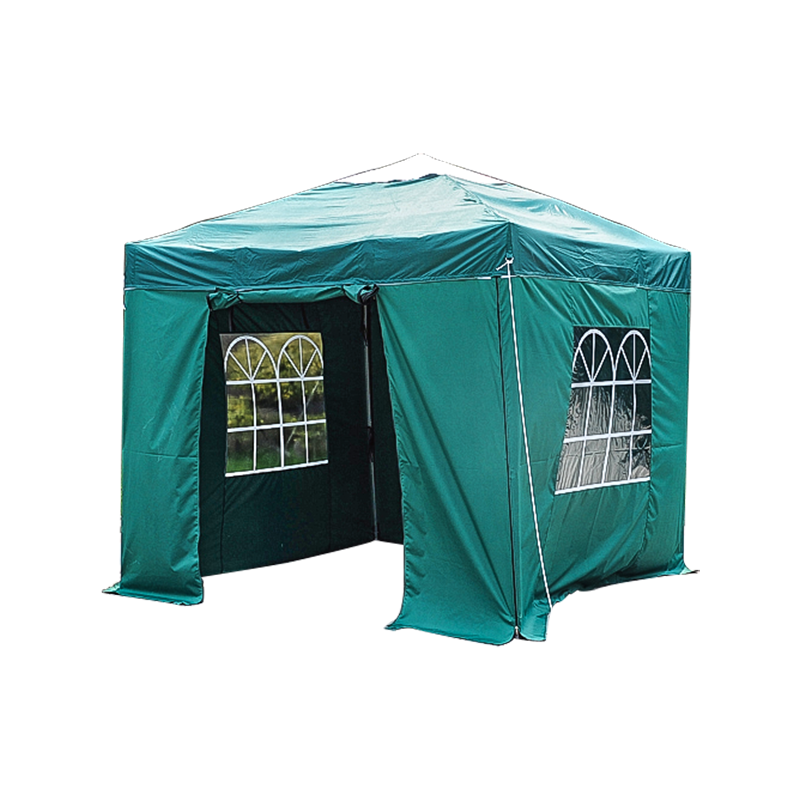
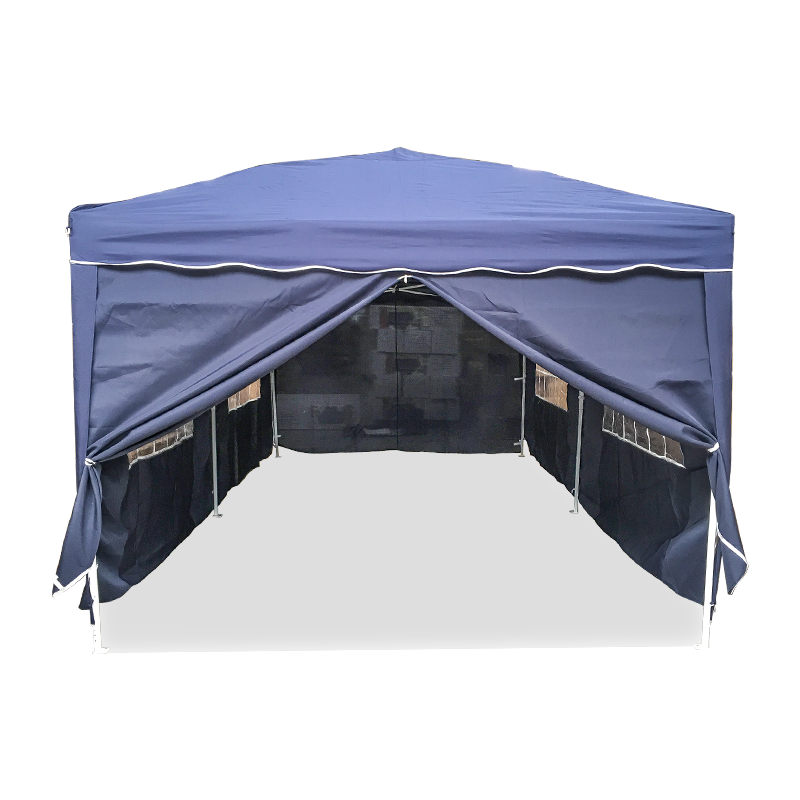
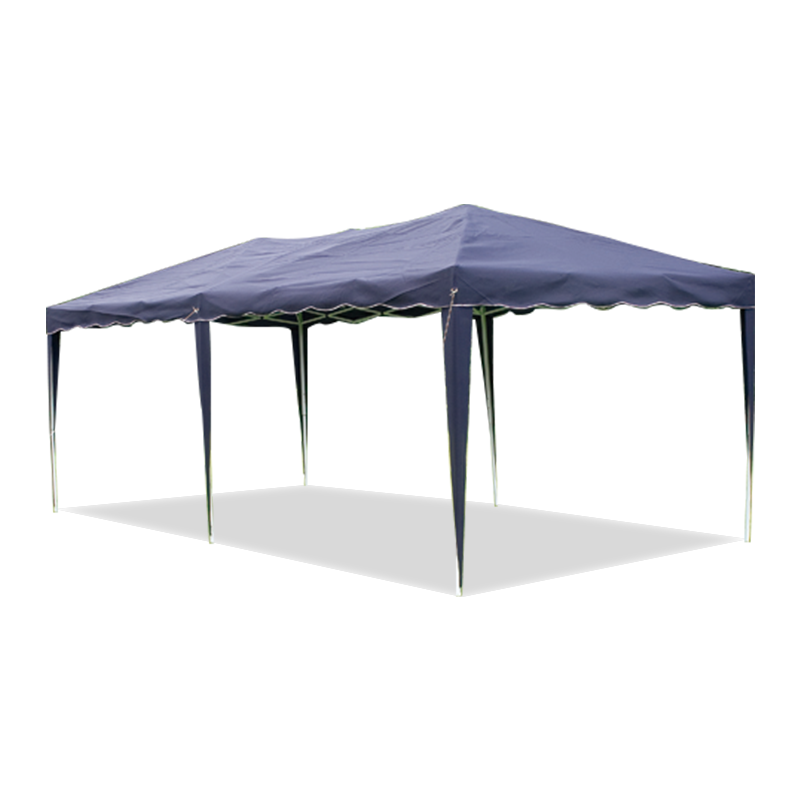
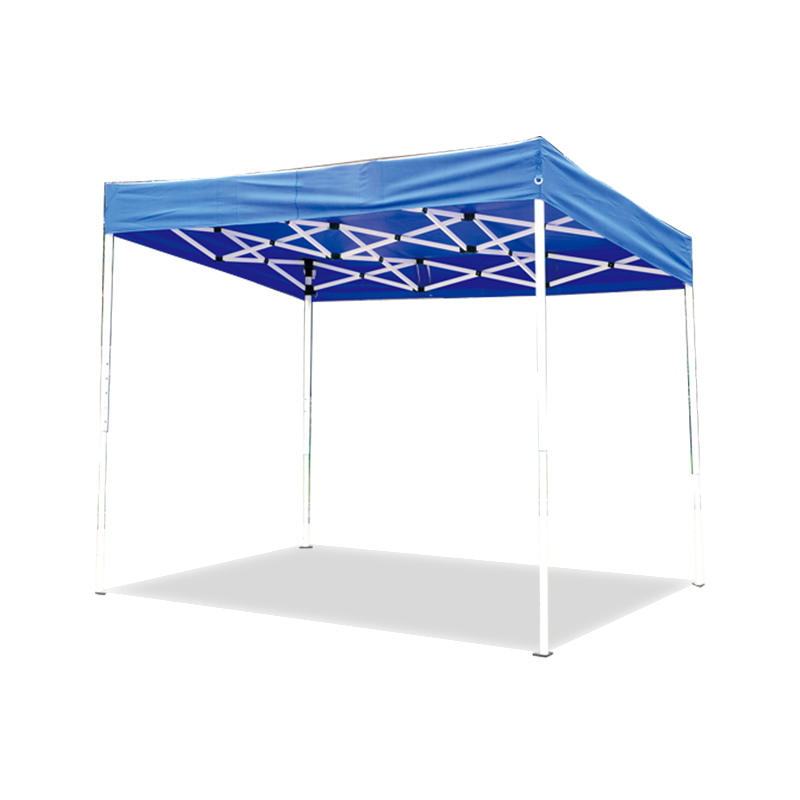
Customer expresses intent; Communicate between the two parties; Provide analysis reports to customers; Reach a cooperation intention.
Content
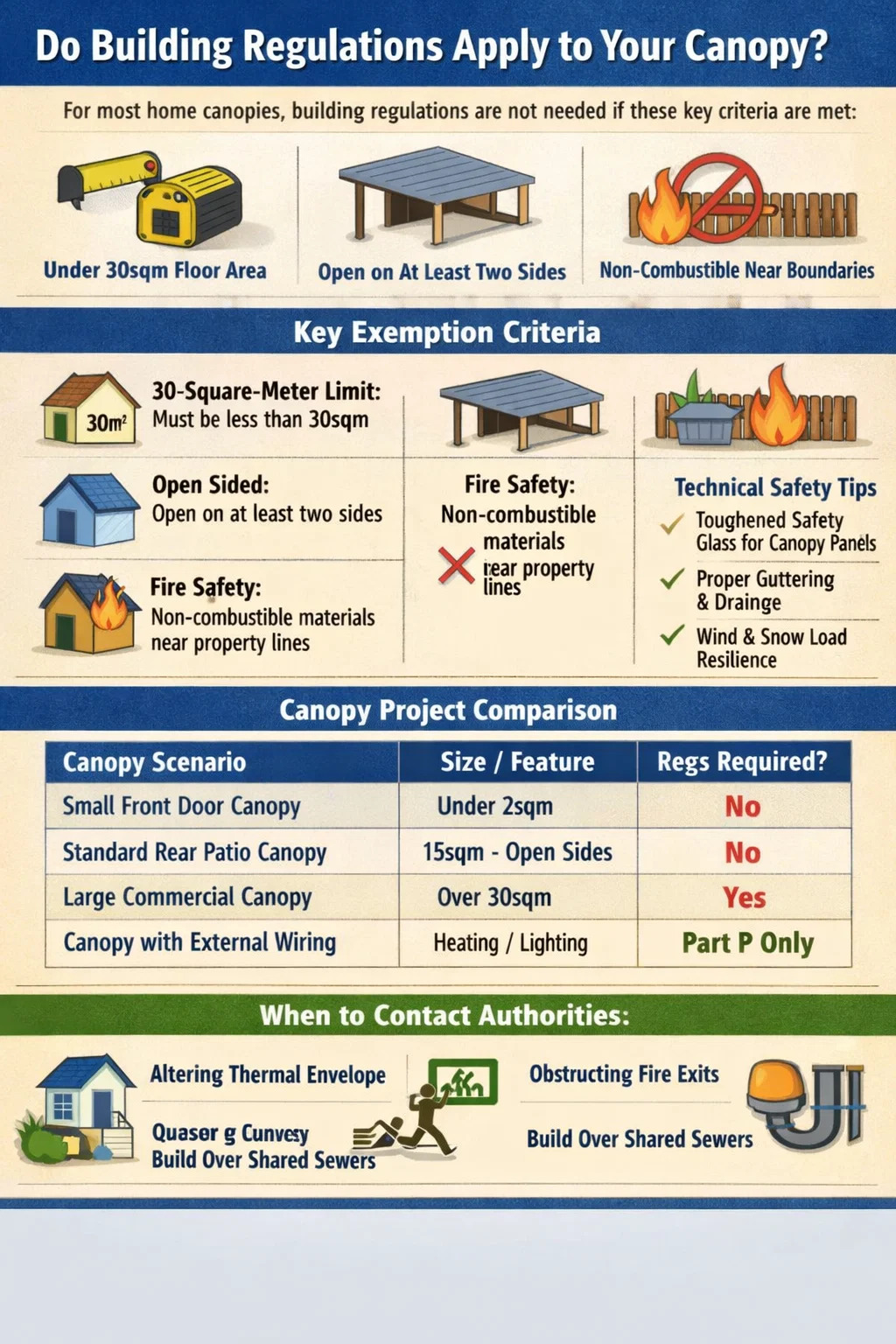
- 1 Direct Answer: Do Building Regulations Apply to Your Canopy?
- 2 Key Criteria for Building Regulation Exemptions
- 3 Technical Standards and Safety Considerations
- 4 Comparison of Canopy Projects and Regulatory Requirements
- 5 When You Must Contact Local Authorities
- 6 Practical Steps for a Compliant Installation
Direct Answer: Do Building Regulations Apply to Your Canopy?
For the vast majority of residential projects, a small canopy attached to an existing house is exempt from building regulations. This exemption typically applies if the structure is built at ground level, has an internal floor area of less than 30 square meters, and remains substantially open on at least two sides. However, if the structure exceeds these dimensions, includes complex electrical installations, or is positioned in a way that poses a fire risk to neighboring properties, a formal application and inspection process become mandatory.
It is a common mistake to confuse "planning permission" with "building regulations." While planning permission deals with the appearance and location of the canopy, building regulations focus on the structural integrity, safety, and energy efficiency of the build. Even if you do not need a permit to put it up, you must ensure the installation is safe and does not negatively impact the house's existing drainage or fire exits.
Key Criteria for Building Regulation Exemptions
To maintain exempt status for a new canopy, several specific conditions must be met. These rules are designed to ensure that small, lightweight structures do not require the same level of oversight as a full house extension.
The 30-Square-Meter Threshold
The most significant factor is size. If the canopy covers a floor area greater than 30 square meters, it technically ceases to be a "minor addition" and falls under the same scrutiny as a permanent outbuilding. Most standard patio canopies fall well below this, often measuring around 12 to 20 square meters.
Open-Sided Requirements
A canopy is defined by its lack of enclosure. If you begin adding walls or glass curtains to turn the area into a room, it may be reclassified as a conservatory or an extension. For the structure to remain exempt, it should generally be open on at least two sides to allow for natural ventilation and easy egress.
Location and Fire Safety
If you are installing a canopy within one meter of a boundary (such as a neighbor’s fence), the materials used for the roof must be predominantly non-combustible. This prevents a fire from spreading easily from one property to another across the structure.
Technical Standards and Safety Considerations
Even when a canopy is exempt from a formal building regulations application, the person performing the installation is legally responsible for ensuring the work is safe. Failure to follow basic engineering principles can lead to structural collapse or damage to the main building.
- Glazing Safety: If your canopy uses glass panels, these must be toughened or laminated safety glass. This is critical for overhead structures where falling shards from a break could cause severe injury.
- Wind and Snow Loads: The canopy must be engineered to withstand local weather conditions. A structure that is safe in a sheltered city garden might fail in a coastal area subject to high wind speeds.
- Drainage Management: You cannot allow rainwater from the canopy roof to run directly onto a neighbor's land or overwhelm the existing house gully. Proper guttering and downpipes are essential.
- Electrical Safety: If you add lighting or heaters to your canopy, the wiring must comply with Part P of the building regulations. This often requires the work to be carried out by a certified electrician who can issue a compliance certificate.
Comparison of Canopy Projects and Regulatory Requirements
The following table outlines common canopy scenarios and whether they typically trigger a need for a building regulations application.
| Canopy Scenario | Size / Feature | Regs Required? |
|---|---|---|
| Small Front Door Canopy | Under 2sqm | No |
| Standard Rear Patio Canopy | 15sqm - Open Sides | No |
| Large Commercial Canopy | Over 30sqm | Yes |
| Canopy with External Wiring | Heating/Lighting | Part P Only |
When You Must Contact Local Authorities
While many canopies are exempt, there are certain "red flags" that should prompt a conversation with your local building control office before work begins. Taking this step prevents the risk of being forced to dismantle a structure later or facing difficulties when selling your home.
Altering the Thermal Envelope
If installing the canopy requires you to remove an existing external door or window and not replace it with an equivalent "external quality" door, you are technically changing the thermal envelope of your home. Building regulations will apply here because the canopy area is not insulated to the same standard as the house, which could lead to significant heat loss.
Obstructing Fire Exits
A canopy must not interfere with any existing fire escape routes from the house. For example, if a first-floor window is designated as an emergency exit, you cannot install a canopy roof directly beneath it if the structure would prevent a person from escaping or if the canopy material is highly flammable.
If the upright supports or foundations for the canopy are located near or over a public sewer, you may need a "Build Over" agreement from your local water authority. This is a separate requirement from building regulations but often comes to light during the same planning phase.
Practical Steps for a Compliant Installation
To ensure your project goes smoothly, follow these constructive steps:
- Measure your proposed area to ensure it is under 30 square meters.
- Verify that the materials for the canopy roof are rated for fire resistance if you are building near a boundary.
- Check with a structural engineer if you are attaching a heavy glass or metal canopy to an older house wall to ensure it can take the tension.
- Retain all receipts and technical specifications for the materials used; these are invaluable if a surveyor asks questions when you eventually sell the property.