
 English
 Español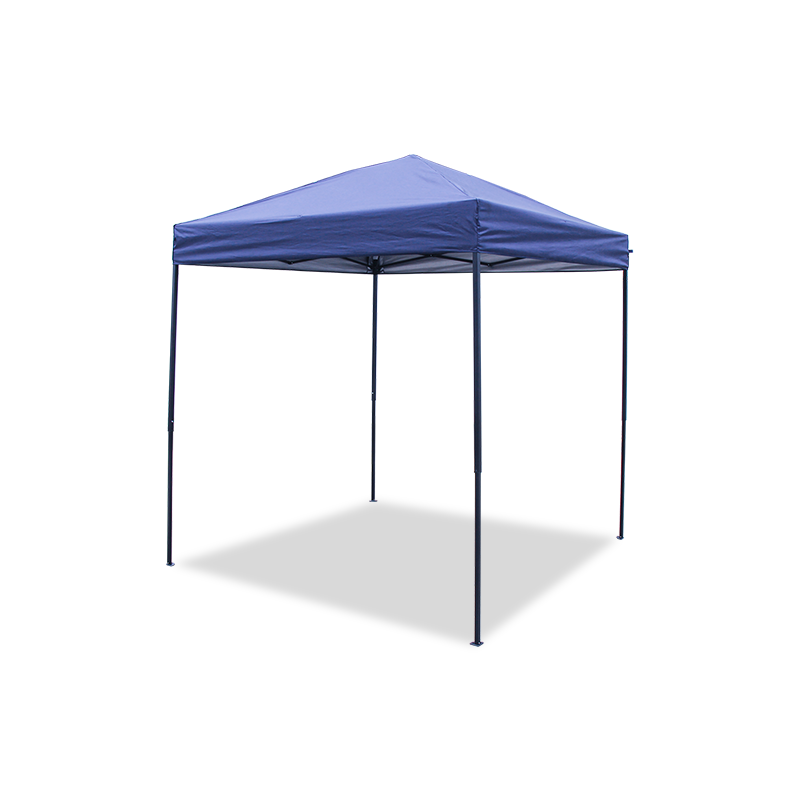
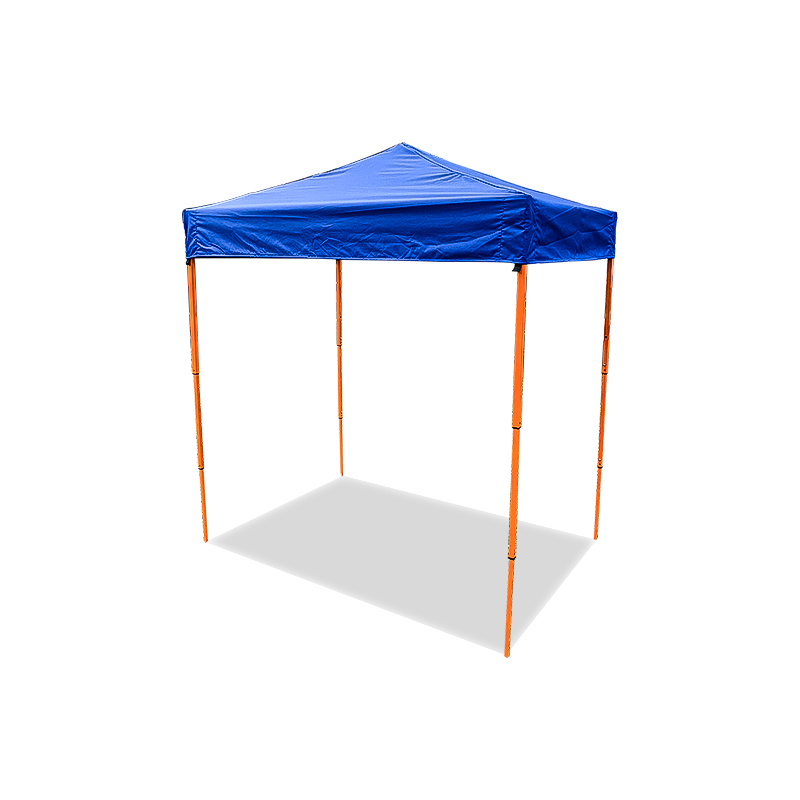
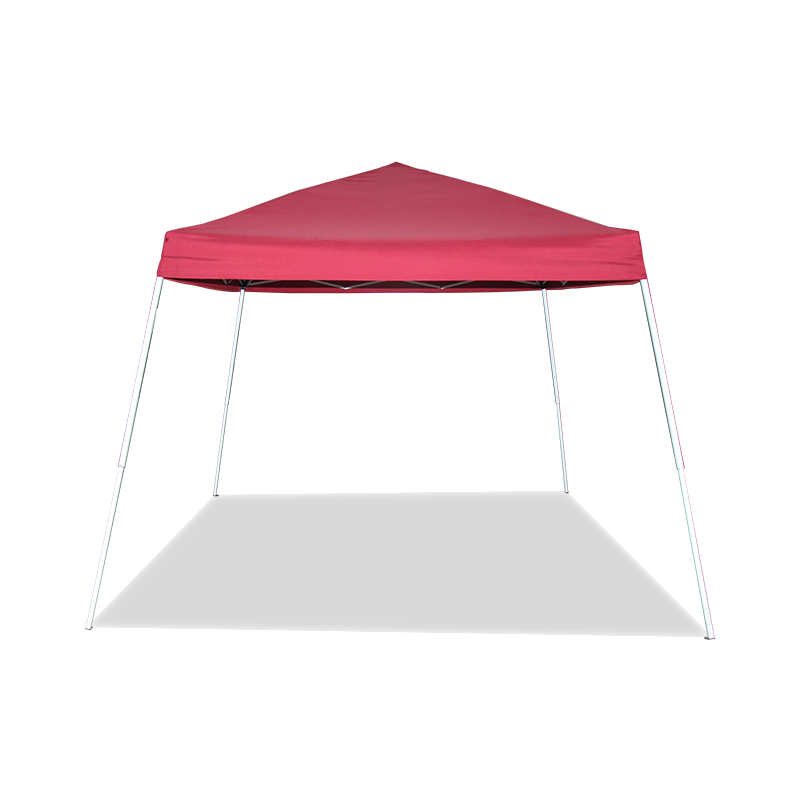
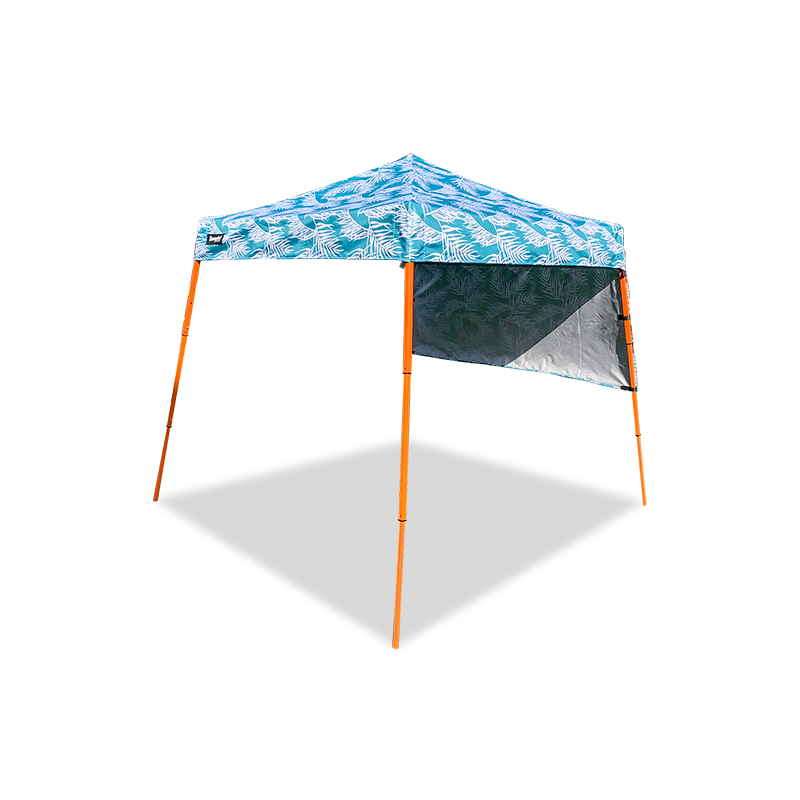
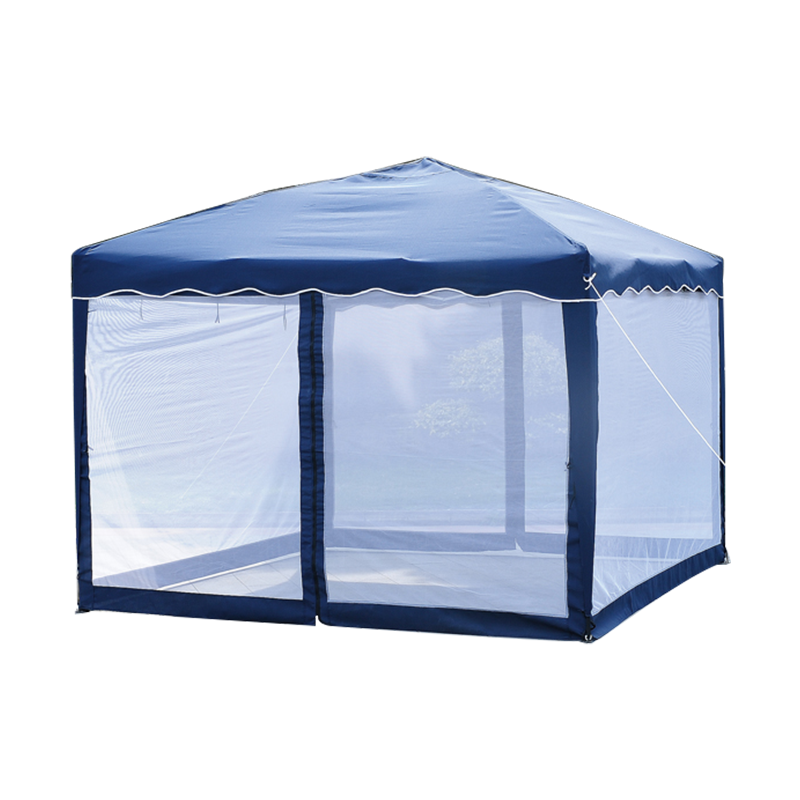
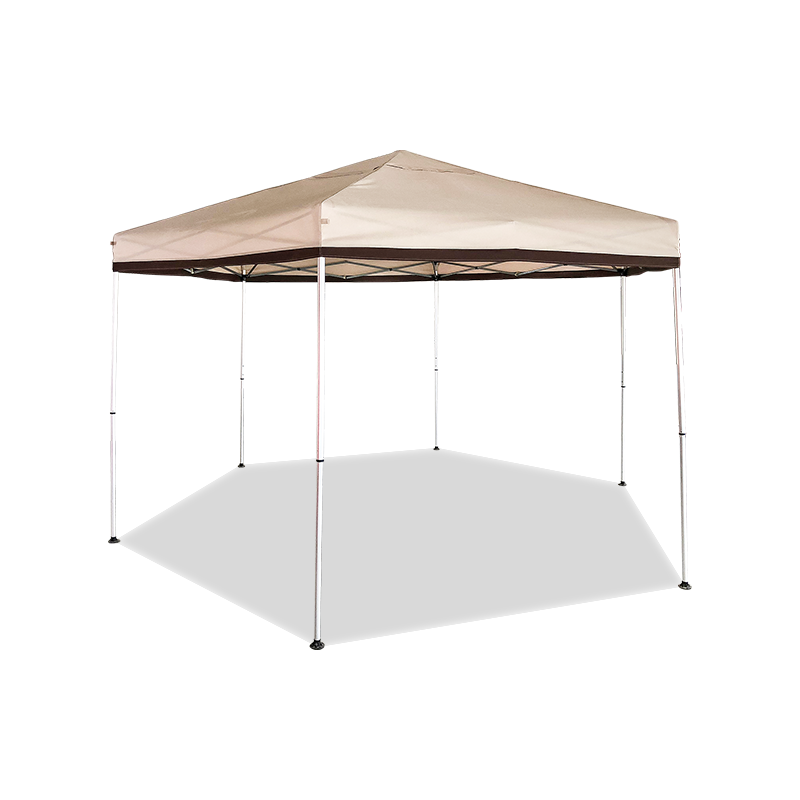
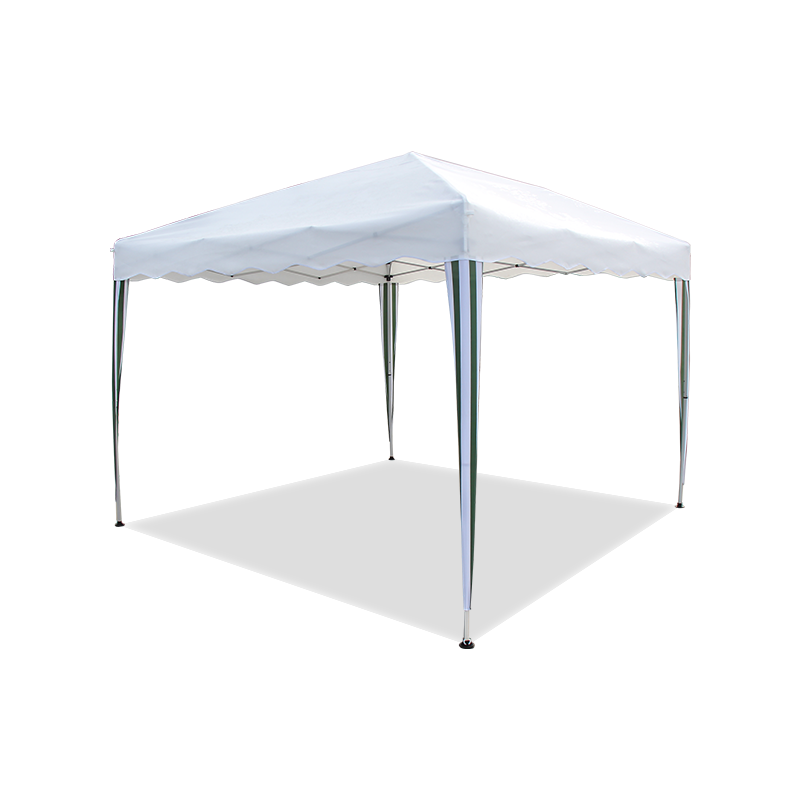
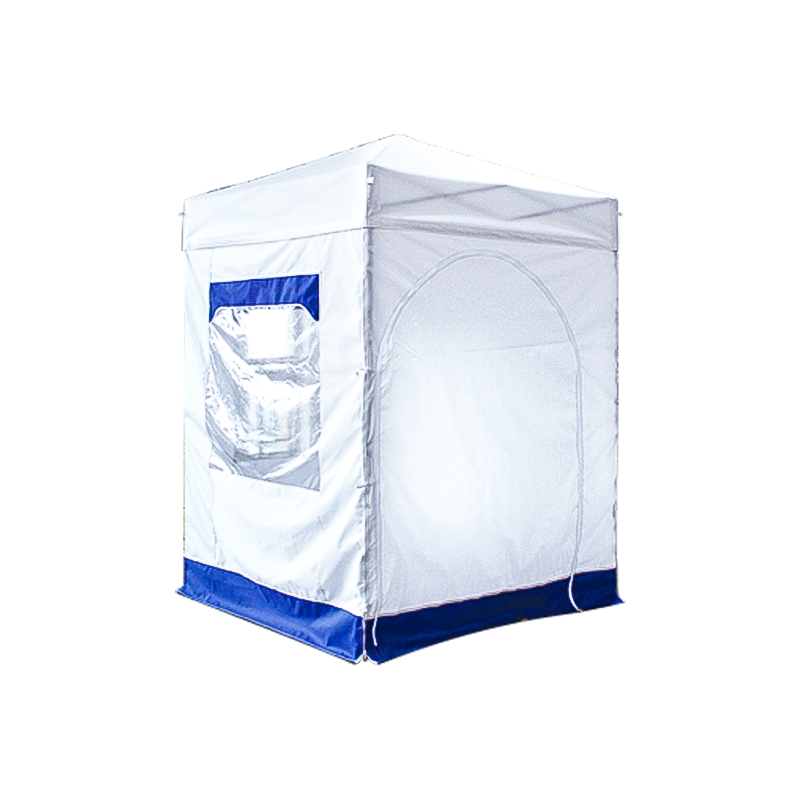
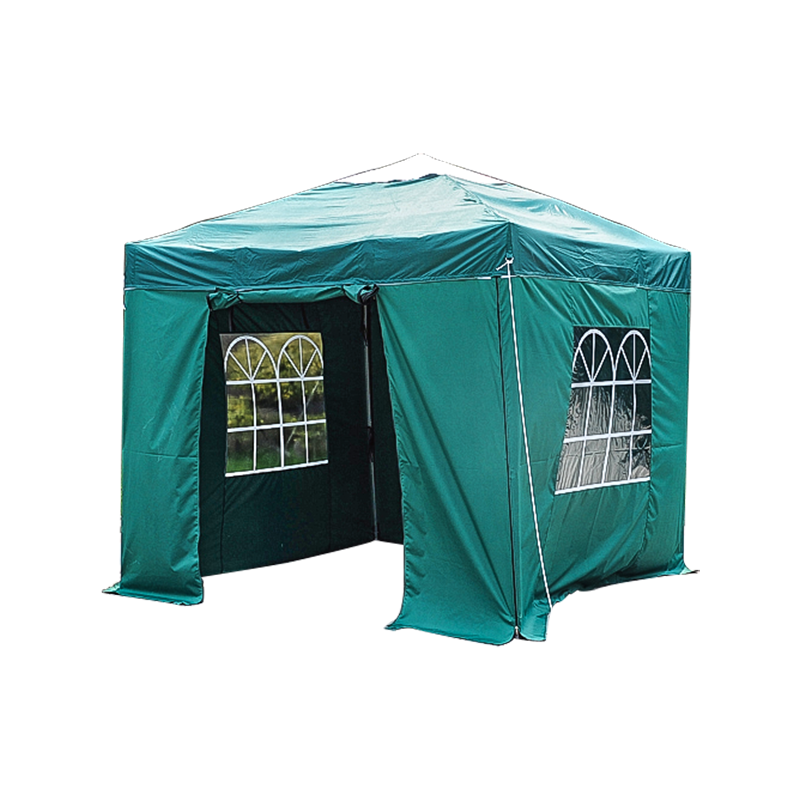
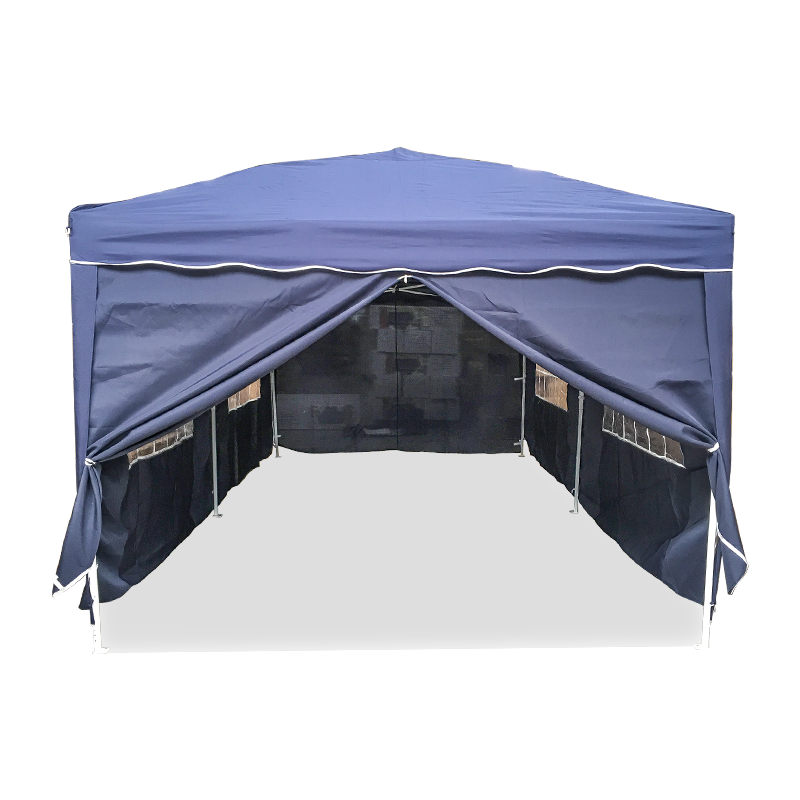
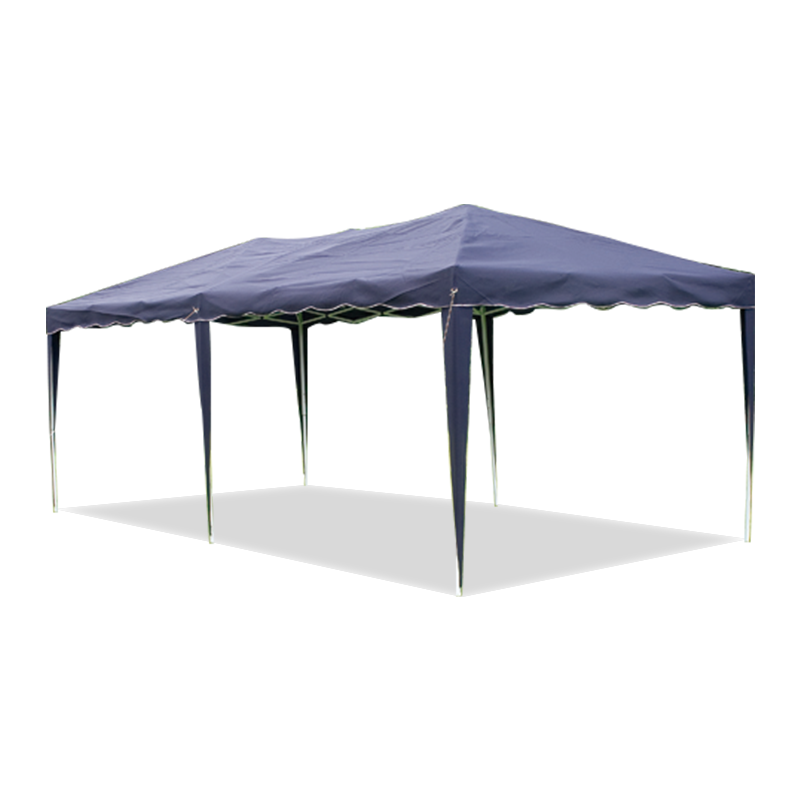
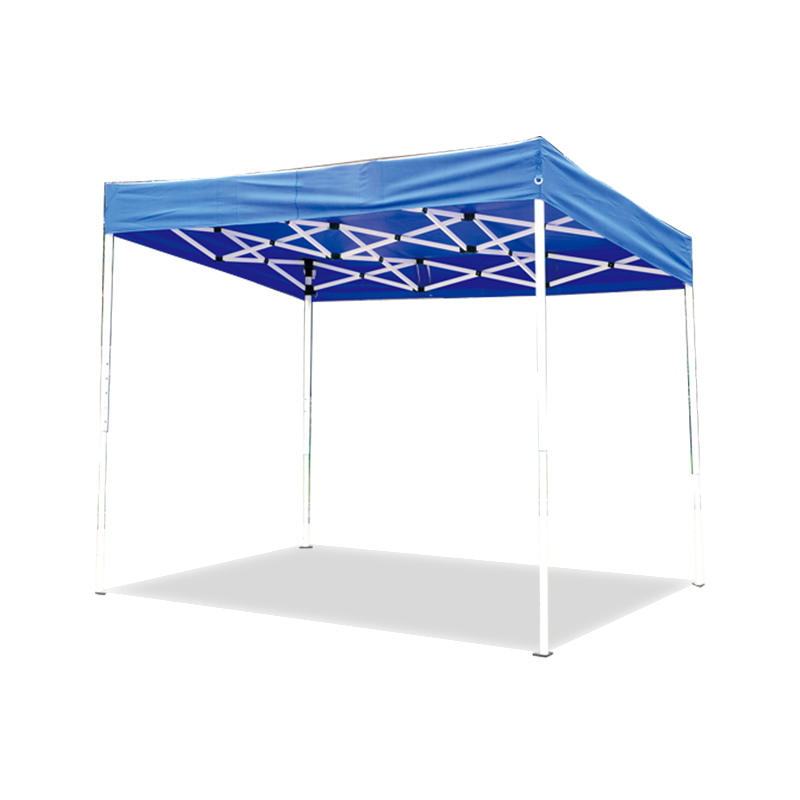
Customer expresses intent; Communicate between the two parties; Provide analysis reports to customers; Reach a cooperation intention.
The environmental conditions (sunlight, temperature, humidity, wind) vary greatly at different times. Choosing the wrong outdoor portable gazebo may cause you to become charcoal, freeze into ice, or be blown over by the wind. Specifically, let's take a look at these aspects:
1. Use during the day (especially at noon)
Core issues: Exposure to sunlight, high temperatures, and ultraviolet radiation
Strong shading ability is necessary
Choose tarpaulins with dark or silver coating (light colors are easy to transmit light and have poor sun protection).
It is best to have a UV protective layer (UPF50+) on the ceiling to avoid sunburn.
Good ventilation, otherwise it will become a 'steamer'
The design features a top breathable window and side mesh to promote air flow.
Avoid fully enclosed styles, otherwise the heat and humidity will be unbearable.
Anti UV aging
For long-term daytime use, the fabric should be sun resistant and not easily fade or become brittle, otherwise it will be scrapped after a few months of use.
2. Evening/night use
Core issues: Low temperature, dew, mosquitoes, lighting
Moisture proof and dew proof
Choose waterproof fabric (such as PU coating) to avoid moisture infiltration at night.
It is best to have a moisture-proof floor cloth at the bottom to prevent the ground from becoming damp again.
Essential for preventing mosquitoes and insects
A style with fully enclosed mesh, otherwise it will be attacked by mosquitoes.
If used for sleeping (camping), make sure the mesh is dense enough (mosquito net grade).
Convenient hanging/lighting
The bracket should have hooks or crossbars for easy hanging of light strings and camping lights.
Light colored tarpaulins (such as beige) are more reflective than dark colors, and the interior is brighter at night.
3. Use 24/7 (early to late)
Core issue: Large temperature difference, fast weather changes
Strong adaptability
Choose adjustable side curtains (roll up/down) for daytime ventilation and nighttime wind protection.
The roof and side walls should be able to be quickly disassembled to cope with sudden rain or exposure to sunlight.
Windproof and rainproof
The bracket should be stable (cross structure is more wind resistant than straight pole).
The joints shall be sealed to prevent water seepage in rainstorm.
High durability requirements
Frequent temperature changes can easily cause material aging. Choose tear resistant fabrics and rust resistant metal frames.
4. Seasonal impact (used in different seasons)
Summer - prioritize sun protection and ventilation, avoid dark heat absorbing products.
Spring and Autumn → Wind and rain prevention are more important, and the adjustable side curtain is the key.
In winter, if used to block wind (such as outdoor coffee stalls), choose thick fabric and semi enclosed design, but pay attention to condensation issues.
| Time of Use | Main Challenges | Must-Have Features | Avoid These Pitfalls |
| Daytime (Midday/Afternoon) | Intense sun, heat, UV exposure | - Dark or silver-coated fabric (blocks UV) - UPF50+ sun protection - Top vents + mesh sides for airflow - Reflective materials to reduce heat | - Thin, light-colored fabric (poor shade) - Fully enclosed designs (traps heat) - Weak frames (may collapse in wind) |
| Evening/Night | Cool temps, dew, bugs, low light | - Waterproof PU-coated fabric - Full mesh enclosure (mosquito-proof) - Built-in hooks for lighting - Light-colored fabric (better visibility) | - Non-waterproof materials (gets damp) - No mesh/netting (mosquito invasion) - Dark interiors (hard to see) |
| All-Day (Sunrise to Sunset) | Changing weather, temperature shifts | - Adjustable side panels (roll-up/down) - Reinforced frame (wind-resistant) - Quick-release mechanisms (fast adjustments) - Durable, all-season fabric | - Fixed designs (no adaptability) - Weak anchoring (blows away easily) - Poor ventilation (hot/cold extremes) |
| Seasonal Use | Varying climate conditions | Summer: Lightweight, breathable, UV-resistant Spring/Fall: Windproof, water-resistant Winter: Insulated sides (if used in cold) | - Single-season designs (won’t last year-round) - Flimsy materials (can’t handle storms) - No ventilation (condensation buildup) |

