
 English
 Español
Customer expresses intent; Communicate between the two parties; Provide analysis reports to customers; Reach a cooperation intention.
Content
- 1 The Short Answer: Replace the Cover, Keep the Frame
- 2 Measure Four Dimensions Before You Order Anything
- 3 Fabric Weight: What 140 g, 250 g and 300 g Really Tell You
- 4 Match the Cover to the Frame: Steel, Aluminium and Connector Type
- 5 The Parts That Fail First: Straps, Pockets and Stitching
- 6 Rain, Wind and Heat: Reading the Performance Numbers
- 7 Custom Printing, Colour Matching and Private Label
- 8 Make the Replacement Last: Cleaning, Folding and Storage
- 9 Buying Replacement Canopies Direct: Minimums, Samples and Lead Times
- 10 Frequently Asked Questions About Gazebo Replacement Canopies
- 10.1 Can I use a replacement canopy from a different brand on my frame?
- 10.2 How do I know whether to repair or replace the top cloth?
- 10.3 Is a double-tier canopy worth the extra cost?
- 10.4 How long should a replacement canopy last?
- 10.5 Can I machine wash a replacement canopy?
- 10.6 What is the smallest order I can place for a custom printed cover?
- 10.7 Why does my new cover flap more than the old one did?
- 10.8 Do replacement canopies come with side walls?
- 11 The Five-Point Checklist Before You Order
The Short Answer: Replace the Cover, Keep the Frame
If your gazebo frame still opens, still locks and still stands level, order a new top cloth instead of a whole new gazebo. That is the entire answer in one line. The canopy takes all of the sun, all of the rain and nearly all of the abrasion, while the metal underneath it sees almost none of that punishment. A steel or aluminium frame that is folded and stored dry will normally survive five to eight seasons, yet the cover stretched over it often needs replacing after two to four.
The money side is easy to check. A replacement canopy usually costs between a fifth and a third of the price of a complete gazebo in the same size, and it arrives folded into a carton roughly the size of a large suitcase. For rental fleets, market traders and event hire companies running ten or twenty units, that gap is the entire operating budget for the season.
One check decides everything: inspect the frame before you spend a cent on fabric. Bent legs, split plastic connectors, a worn pull ring or a cracked bracket will not be cured by a fresh cover. New fabric on a tired frame still wobbles in the first decent gust, and a wobbly gazebo is the one that ends up on its side in a car park. If the frame wobbles when you push a corner, fix or replace the frame first.
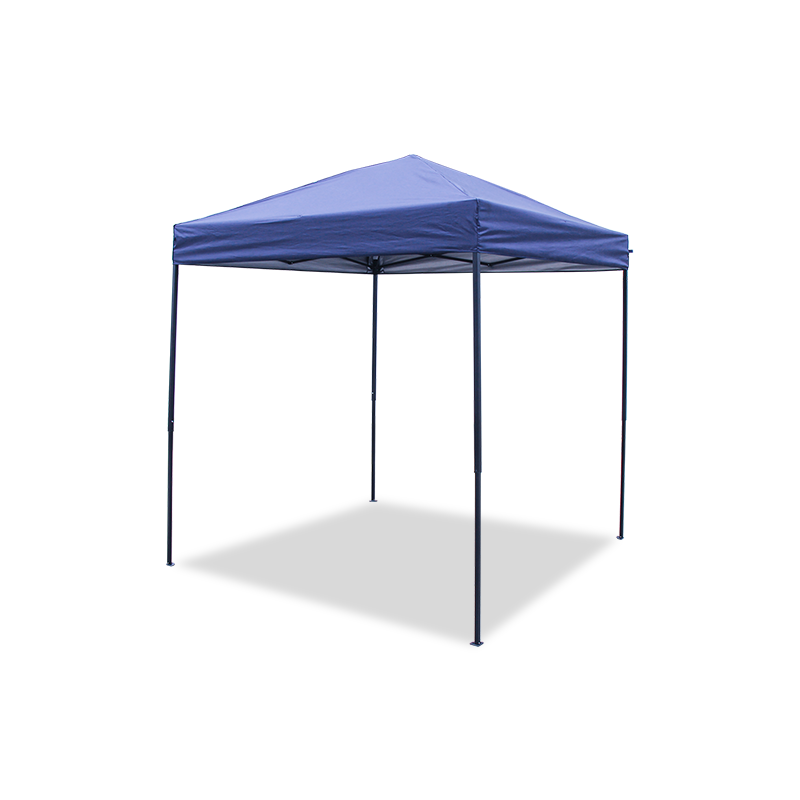
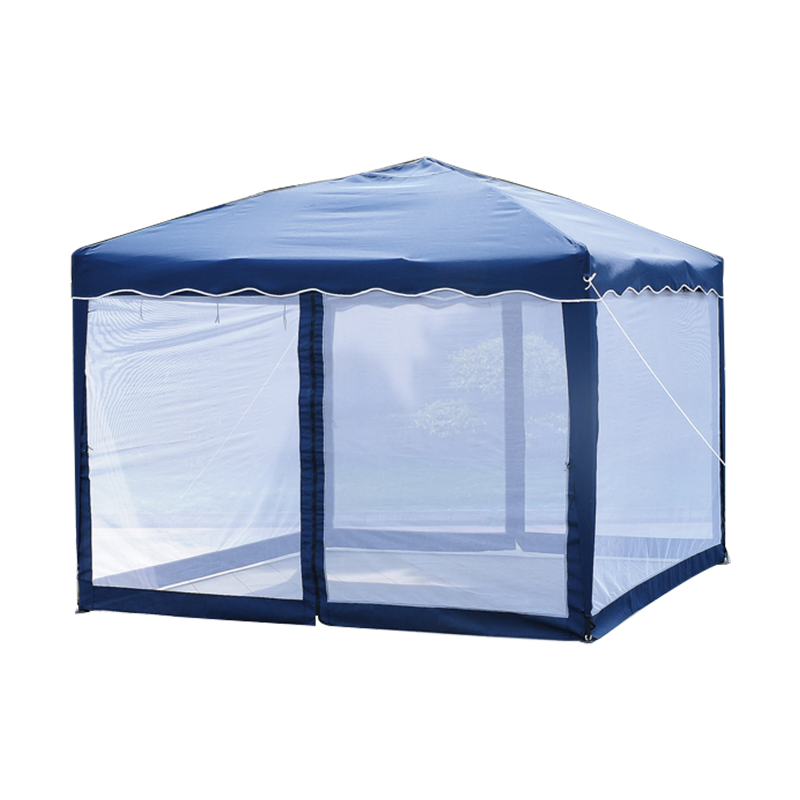
 A02-Outdoor Folding Canopy Gazebo Replaceable top clothProduct features and materials: * Easy set-up; * This Gazebo requires very little effort to erect or collapse, has no loose parts and can be erected in less than one m...View Product →
Measure Four Dimensions Before You Order Anything
Sellers quote replacement canopies as 2x2 m, 2x3 m, 3x3 m, 3x4.5 m or 3x6 m. Those numbers describe the footprint of the frame, not the cut size of the fabric. On a 3x3 m frame, a 5 cm error at the corner pockets is enough to make a cover unusable, because the fabric simply will not reach the last bracket without tearing at the seam.
| Measurement | How to take it | What it decides |
|---|---|---|
| Width, valance to valance | Run a steel tape over the centre of the top frame, edge to edge | Sets the top panel width and whether the pockets reach |
| Depth, front to back | Same method on the shorter side of the frame | A 30 mm mismatch shows up as a sagging centre panel |
| Leg spacing, centre to centre | Measure between two adjacent legs at the top of the tube | Confirms the frame family and the pocket layout |
| Eave height | Ground to the underside of the top frame at a corner | Valance depth and clearance over the shoulder joints |
Two extra checks remove most returns. First, photograph the underside of the old canopy where the pockets and straps sit, so the replacement is cut from the same pattern. Second, measure the distance between two hook-and-loop straps on one side. Strap spacing changes between moulds even when the footprint is identical, and it is the single most common reason a "correct size" cover sits loose instead of flat.
Fabric Weight: What 140 g, 250 g and 300 g Really Tell You
The number in a canopy description is the fabric weight in grams per square metre, measured before coating. It is the quickest way to judge how long a gazebo replacement canopy will last. Heavier cloth resists flapping, holds a wide span without drumming, and takes more ultraviolet exposure before the yarn weakens. These are the three weights we run most often, and how they behave in the field.
| Fabric | Feel and coating | Typical service life | Best suited to |
|---|---|---|---|
| 140 g polyester | Light, packs small, minimal standing-water resistance | 1 to 2 seasons | Garden use, short events, budget retail lines |
| 250 g PVC-coated polyester | Firm hand, water beads on the surface, seams stay flat | 3 to 4 seasons | Rental fleets, market stalls, weekly use |
| 300 g PVC-coated polyester | Heaviest hand, low translucency, strongest at the seam line | 4 to 6 seasons | Tradeshow programmes, seasonal permanent setups, windy sites |
| Double-tier vented cover | Central vent panel with a raised cap; same base cloth | Same as base, plus one season of better comfort | Hot climates, cooking areas, anywhere heat builds under the top |
Coating matters as much as weight. A 250 g polyester with PVC on both faces handles standing water and repeated folding better than the same base cloth with a light polyurethane finish, which is why hire companies and market traders usually specify PVC. Where the gazebo stays up for a full season in strong sun, a silver-coated or PU-coated top reflects more heat and keeps the space underneath noticeably cooler, which changes how long people actually want to sit there.
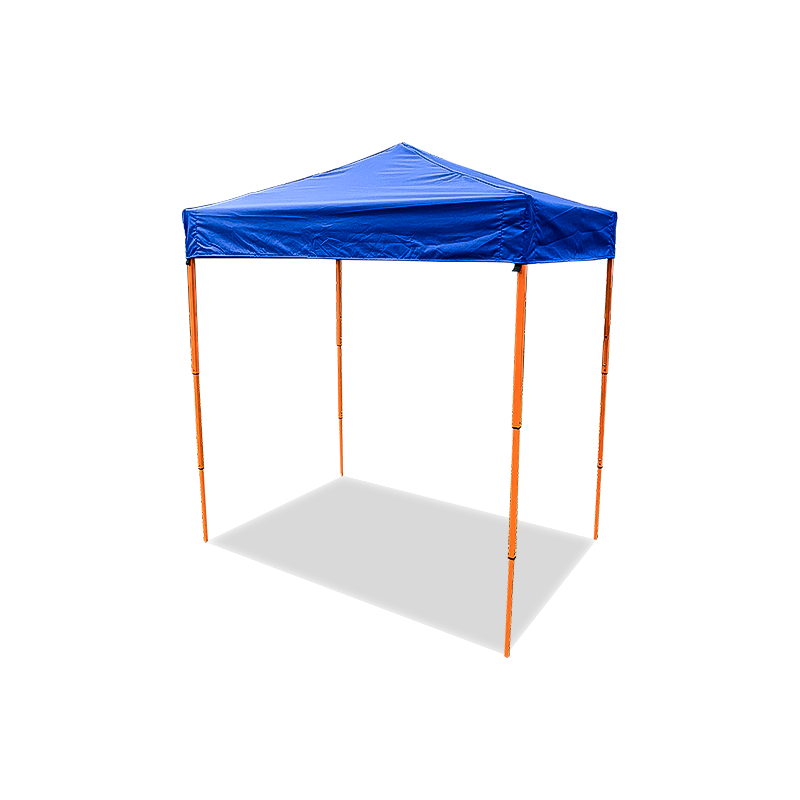
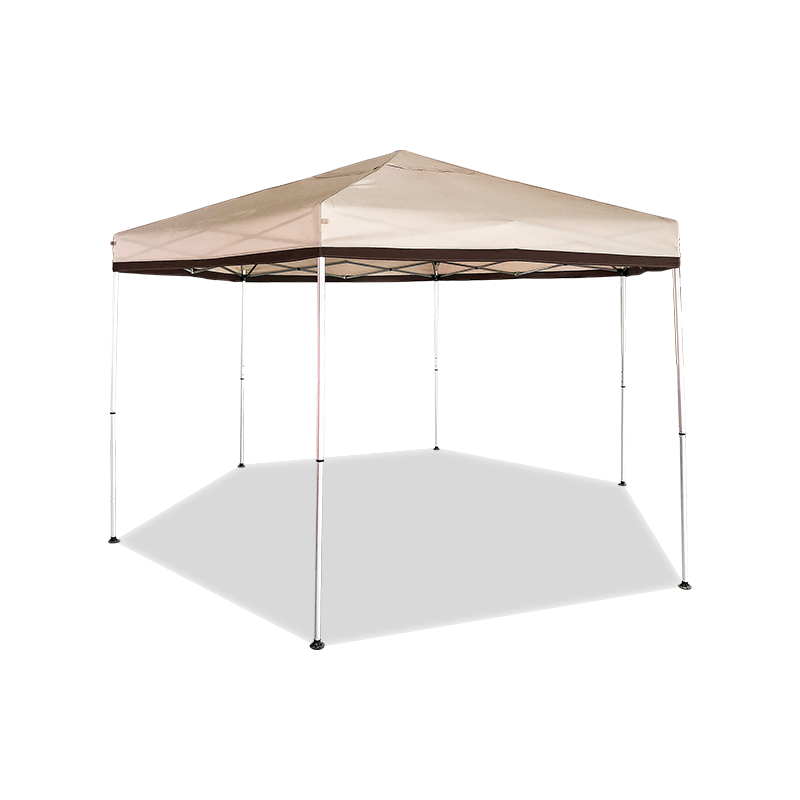
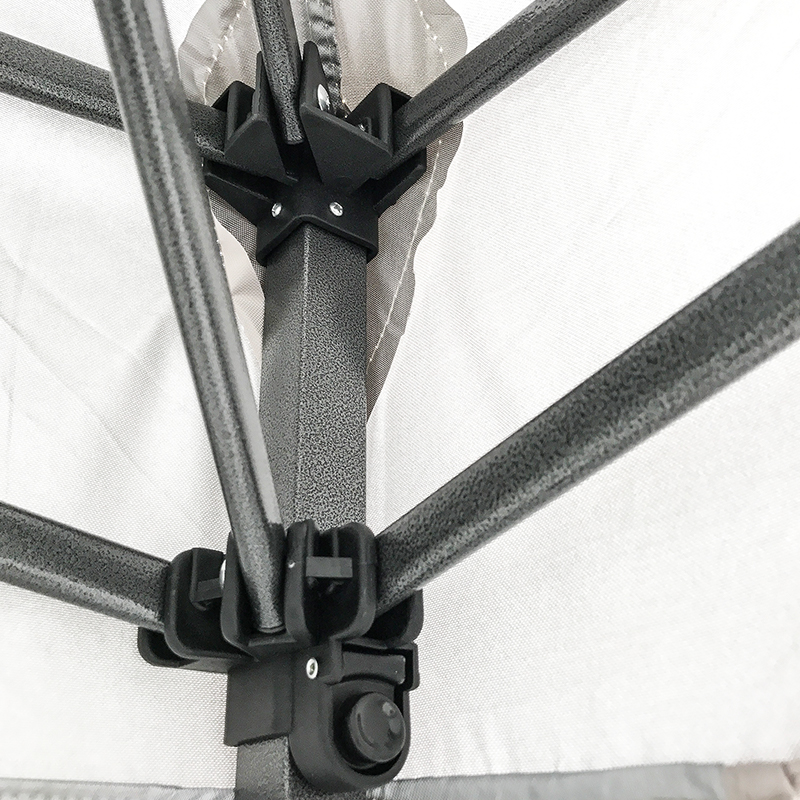 250g PVC Coated polyester canopy40*40/35*35MM, 12*25MM,plastic connector,pull ring or buttonView Product →
If you want the longer technical comparison of base cloth, coatings and printability, our note on the canopy material of a foldable gazebo goes through it thread by thread.
Match the Cover to the Frame: Steel, Aluminium and Connector Type
Two gazebos can share the same footprint and still need different covers. Steel frames generally use 25 mm or 28 mm square tube with plastic connectors, while aluminium frames run 28 mm to 32 mm tube with plastic or aluminium alloy connectors. Tube size changes the height of the shoulder and therefore the depth of the valance and the exact position of the corner pockets.
- 25 mm steel tube: common on low-cost retail gazebos, lighter valance, plastic connectors with a push button.
- 28 mm steel tube: thicker wall, heavier cover needed so the fabric does not lift in wind.
- 28 mm to 32 mm aluminium tube: lighter to carry, deeper shoulder, often paired with a pull-ring fixing.
- Aluminium alloy connectors: used where the frame has to be opened and closed hundreds of times per season.
The fixing system is the detail buyers forget. Some frames secure the cover with a pull ring that passes through a grommet; others use a push button that clicks into a hole drilled in the tube. A cover cut for one system will not fit the other, because the grommet position sits at a different height on the valance. When you order, send one photo of the top corner bracket and one of the tube end. That pair of photos removes more mistakes than any measurement sheet.
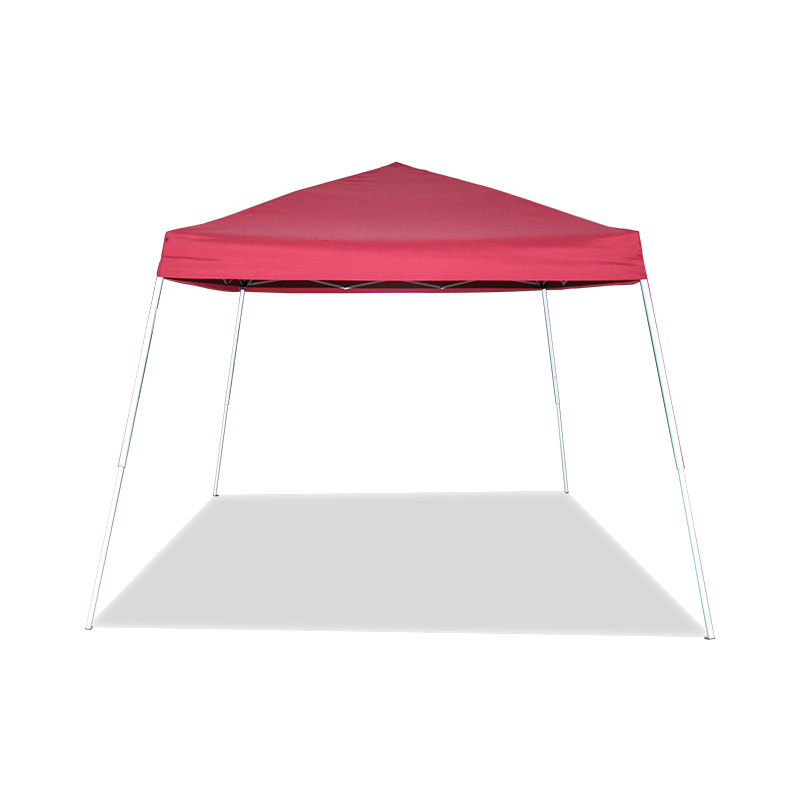
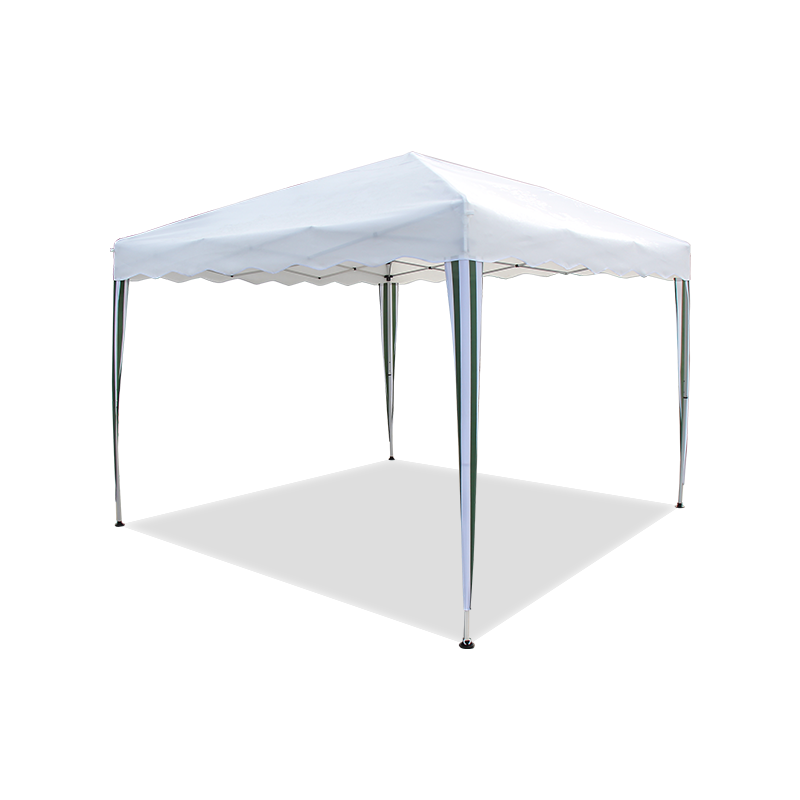
 300G polyester PVC coated Aluminum Frame Folding GazeboProduct features and materials: * Easy set-up; * This Gazebo requires very little effort to erect or collapse, has no loose parts and can be erected in less than one m...View Product →
The Parts That Fail First: Straps, Pockets and Stitching
Almost every failed canopy we cut open shows the same pattern. The fabric itself is often still usable; the hardware sewn onto it has given up. Corner pockets tear because the pocket depth was cut slightly too shallow and the fabric was stretched over the bracket every time the gazebo was opened. Hook-and-loop straps lose their grab after two seasons of heat, and then the valance flaps and starts a tear at the seam.
What to look for in a well-built replacement canopy
- Bar-tacked corners: a short row of dense stitching at each pocket mouth stops the seam from opening under tension.
- Double-stitched seams with a folded edge: the raw cut is hidden inside the fold, so it cannot fray from the inside out.
- Reinforced strap anchors: straps should be sewn through a patch, not directly onto the main panel.
- Grommets with a rolled rim: flat punched eyelets cut the cloth over time, rolled rims do not.
- Seam tape on the ridge line: the highest seam on the roof collects the most water and is the first place to leak.
Ask the supplier which of these five points are standard. A canopy with all five usually costs a little more per unit and lasts long enough that the price difference disappears after one season of not buying a second cover.
Rain, Wind and Heat: Reading the Performance Numbers
Water resistance on outdoor fabric is expressed as a hydrostatic head, the height of a water column the cloth can hold before water passes through. A figure of 1,000 mm to 1,500 mm handles ordinary rain and is what most light garden covers achieve. A figure of 2,500 mm to 3,000 mm and above keeps water out under sustained downpour and is what we recommend for any cover that will be left up overnight. Both numbers describe the fabric only; if the seams are not taped or welded, water finds the needle holes instead.
Wind behaviour on a folding frame
Wind does not lift a canopy evenly. It pushes on the windward valance, lifts the leeward edge and then hammers the roof panel. Two design features change the outcome. A vented double tier lets air escape through the centre instead of forcing the whole roof upward, and it also lets hot air out on a still day. Guy ropes anchored to the four corners, plus weights of 10 kg or more on each leg, keep the frame itself planted on hard ground where stakes cannot be used.
Practical rule from our own testing yard: take the cover down or lower it whenever sustained wind is forecast above 40 km/h. No polyester roof on a portable folding frame is designed to sit through a storm, and the replacement cost of a canopy is far lower than the cost of a bent frame plus a canopy.
Custom Printing, Colour Matching and Private Label
For a retail brand, a rental fleet or an events business, a replacement canopy is also a piece of signage. The three print routes behave differently, and choosing the wrong one for the wrong fabric is the most expensive mistake in this category.
- Screen printing: strong, opaque colour on 250 g and 300 g PVC-coated polyester, best for bold single-colour logos and large runs.
- Heat transfer: sharp detail and photographs, suits smaller logos and finer lettering.
- Sublimation: dye goes into the coating rather than sitting on top, so it flexes with the fabric when the cover is folded, but colour choice is limited by the base cloth tone.
Colour matching deserves a warning. The same Pantone reference on 140 g polyester and on 300 g PVC-coated polyester will look different under daylight, because the heavier cloth carries a thicker coating and reflects less light. If your brand colour matters, ask for a printed swatch on the exact cloth you plan to order, not on a paper proof. Buyers who skip that step often approve a sample that later looks two shades off on the finished canopy.
Private label orders also cover the small parts that decide how a product looks on a shelf: a woven label, a printed carton, a barcode or a QR code on the box, and a hangtag with the fabric weight and size printed in your own words. You can review the full scope of that work on our custom canopy service page, including what we need from you before a sample can be cut.
Make the Replacement Last: Cleaning, Folding and Storage
A replacement canopy that is cleaned and stored properly will usually outlast its own warranty period by a wide margin. Most of the damage we see in returned samples comes from three habits: folding the cover while it is still damp, storing it pressed against a concrete wall, and cleaning it with a solvent-based product that strips the coating.
- Brush off loose dirt dry, then wipe with a soft cloth and lukewarm water with a drop of mild soap.
- Never use bleach, petrol-based cleaners or a stiff brush; all three remove the coating that provides the water resistance.
- Let the cover dry completely in the shade, on both faces, before folding it.
- Fold along the original crease lines so the coating is not cracked in new places.
- Store in a dry, ventilated place away from direct sunlight and off bare concrete, which draws moisture upward.
Fabric does not last forever even with perfect care. Polyester yarn loses tensile strength under ultraviolet light, and a cover that has spent three full summers outdoors is usually at 50 to 60 percent of its original strength whether or not it looks faded. If the cloth tears easily when you tug a corner, it is finished, and patching will only delay the next tear by a few weeks.
Buying Replacement Canopies Direct: Minimums, Samples and Lead Times
Buyers who order replacement covers regularly tend to settle on one or two suppliers and stay there, because consistency of cut and colour is worth more than a small price difference. When you evaluate a factory for this product, these are the questions that separate a real maker from a trading office.
- Can they cut from your existing cover as a sample, or only from a size chart?
- Do they control sewing in-house, or does the fabric leave the building before it is stitched?
- What is the sample lead time, and what is the production lead time after approval?
- How is a repeat order matched to the first batch, if the fabric roll lot changes?
- Which port do they ship from, and how many days does inland transport add?
Our own factory in Yuyao covers 12,000 square metres with around 200 staff and four workshops under one roof: hardware, plastic spraying, assembly and sewing. That layout matters for replacement canopies, because metal parts and stitched fabric are made on the same site instead of being coordinated between two suppliers. Being about 60 km from Ningbo Port keeps the sea freight leg short for European, North American and Australian buyers.
Typical timing for a custom replacement canopy runs about 7 to 10 days for a sample cut from your measurements, then roughly 25 to 35 days for mass production once the sample and the print artwork are approved. Add the shipping window on top of that. If your season starts in April, the order should be confirmed before the end of the previous year, because the whole category ships in the same three months.
Frequently Asked Questions About Gazebo Replacement Canopies
Can I use a replacement canopy from a different brand on my frame?
Sometimes, but only when four things match: footprint, tube size, connector type and strap spacing. A 3x3 m cover from another maker will often fit a 3x3 m frame if both use 25 mm steel tube and a push-button fixing. It will almost never fit a 32 mm aluminium frame, because the shoulder sits higher and the valance is too short.
How do I know whether to repair or replace the top cloth?
Try a simple test. Pull a corner of the fabric firmly between both hands. If it stretches noticeably or the seam opens, the yarn has lost strength and a patch will not hold. If the cloth feels firm and only the straps or one pocket has failed, a repair is reasonable. Taped seams that have started to peel usually mean the whole cover is near the end of its life.
Is a double-tier canopy worth the extra cost?
For hot climates, markets and any setting where food is cooked underneath, yes. The vent lets hot air escape and reduces the lifting force of wind on the roof. Where the gazebo is used only for occasional shade in a mild climate, a single-tier cover performs well enough and costs less.
How long should a replacement canopy last?
Expect one to two seasons from 140 g polyester, three to four from 250 g PVC-coated polyester, and four to six from 300 g PVC-coated polyester when the gazebo is used about 60 days a year and stored dry. Coastal locations with high ultraviolet exposure can cut those numbers by roughly a third.
Can I machine wash a replacement canopy?
No. Machine washing flexes the coating thousands of times and destroys water resistance within one cycle. Hand wiping with lukewarm water and mild soap, followed by shade drying, is the only method that keeps the coating intact.
What is the smallest order I can place for a custom printed cover?
It depends on the print method. Screen printing needs a larger run because a screen must be prepared for each colour. Heat transfer and sublimation allow smaller starting quantities. Factories usually ask for a sample approval before committing to a production run, whatever the volume.
Why does my new cover flap more than the old one did?
Usually because the new cloth is stiffer and has not yet relaxed, or because the strap spacing is slightly wider than the original. Check the four corner pockets are fully seated, then re-tension the hook-and-loop straps. If the valance still lifts in a light breeze, the cover is too shallow for the frame shoulder.
Do replacement canopies come with side walls?
Often they do not, because side panels attach to the frame rather than to the roof cover. Order them as separate items and confirm the fixing method: some side walls tie to the leg with straps, others zip onto the valance. Mixing the two systems leaves gaps at the corners.
The Five-Point Checklist Before You Order
Work through this list once and the order will be right the first time. Measure the frame footprint, the eave height and the strap spacing. Photograph the corner bracket and the tube end. Decide the fabric weight from the service life you actually need, not from the lowest price on the page. Confirm the print method on a swatch of the exact cloth. Then place the order early enough to absorb production and shipping time before your season begins.
Get those five steps right and a gazebo replacement canopy becomes one of the cheapest maintenance decisions in outdoor equipment. Get them wrong and you will be measuring the frame a second time with a cover you cannot use lying on the floor beside you.

