
 English
 Español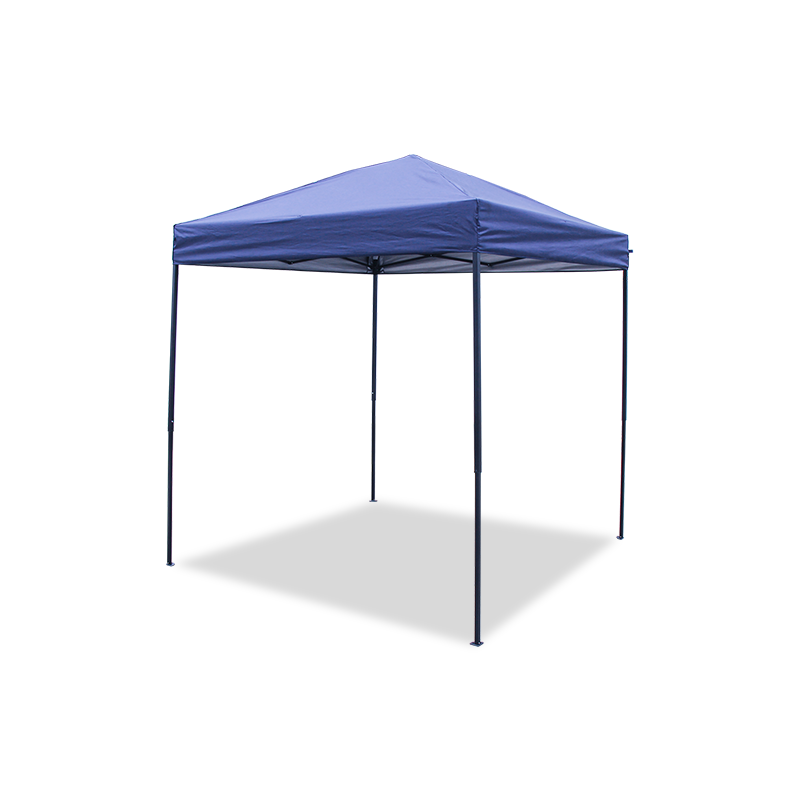



Customer expresses intent; Communicate between the two parties; Provide analysis reports to customers; Reach a cooperation intention.
Content
Understanding the Fixture Status of a Canopy
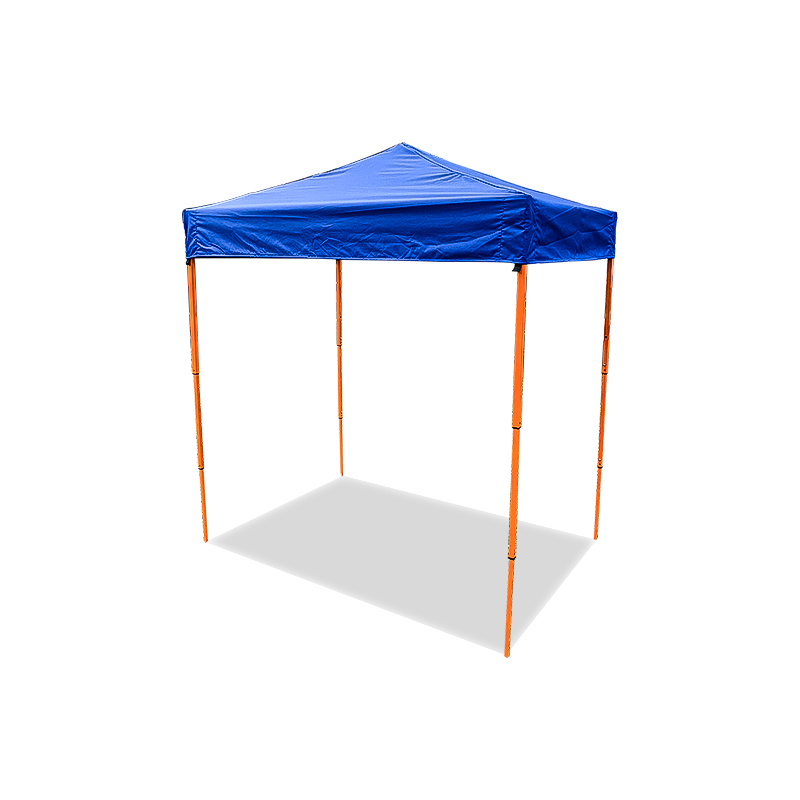
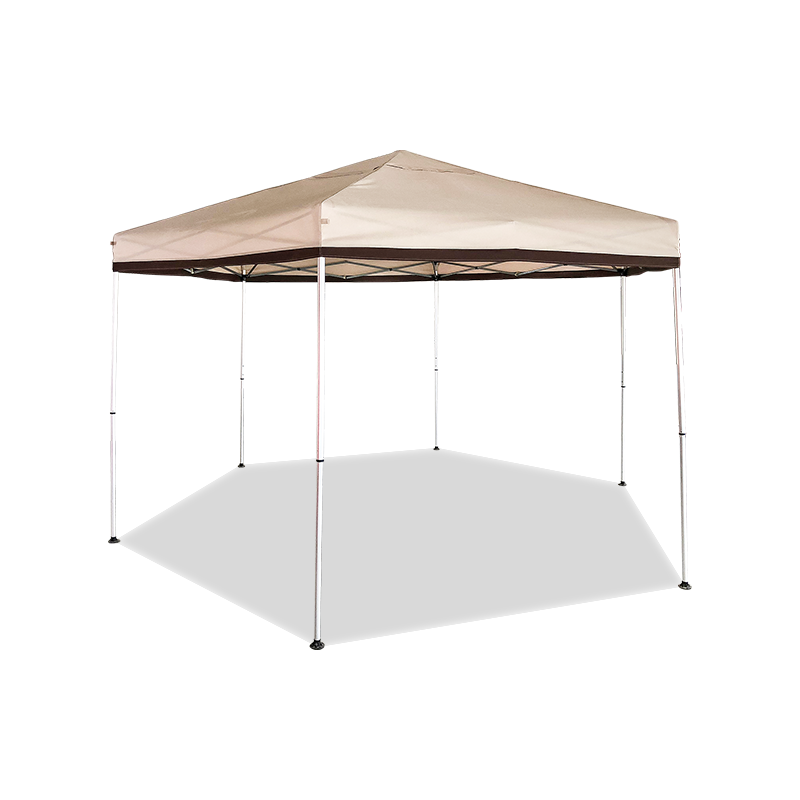
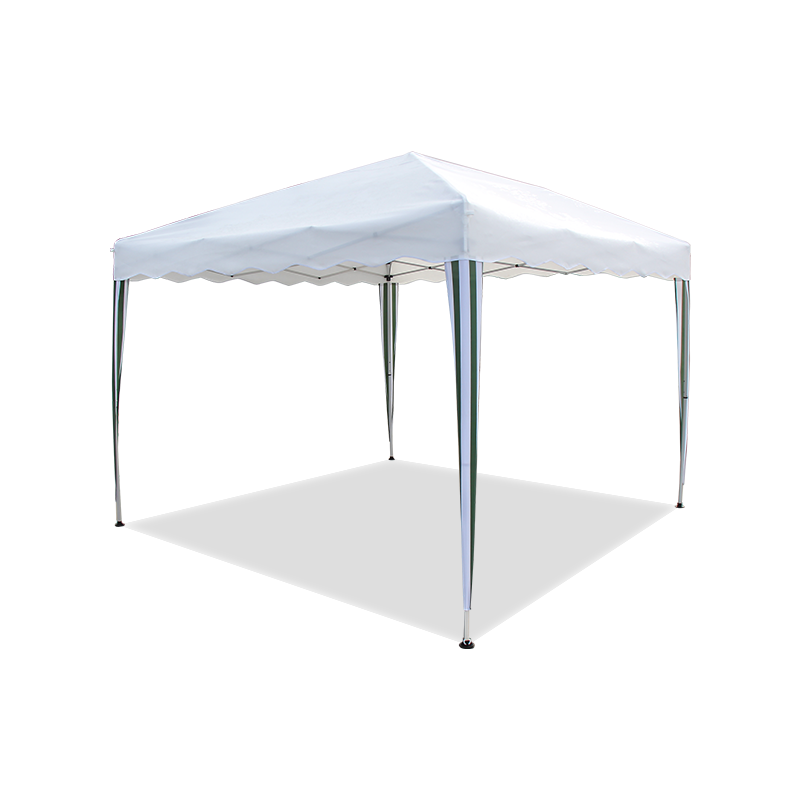
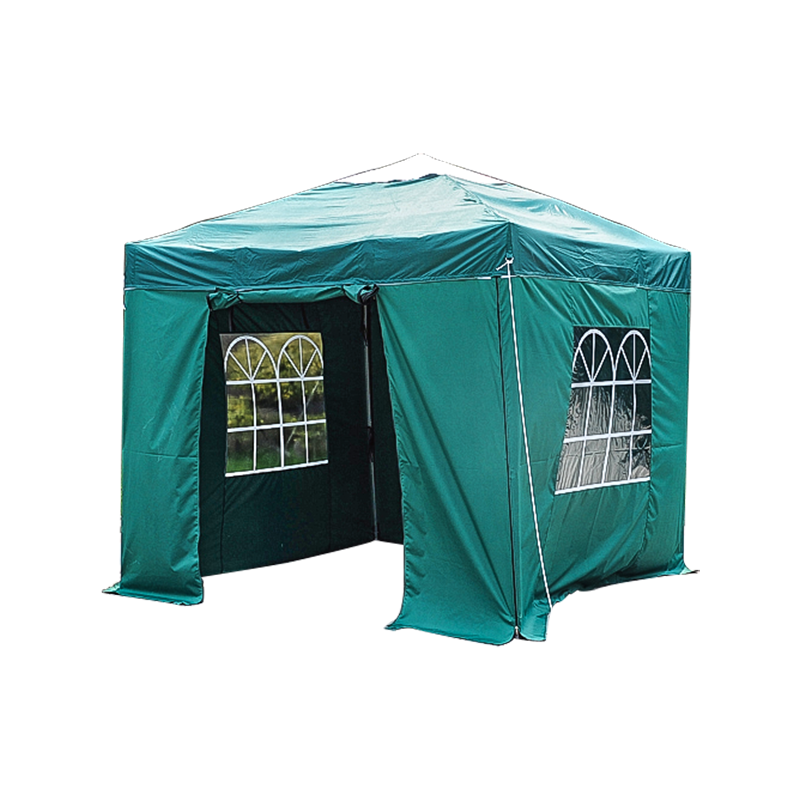
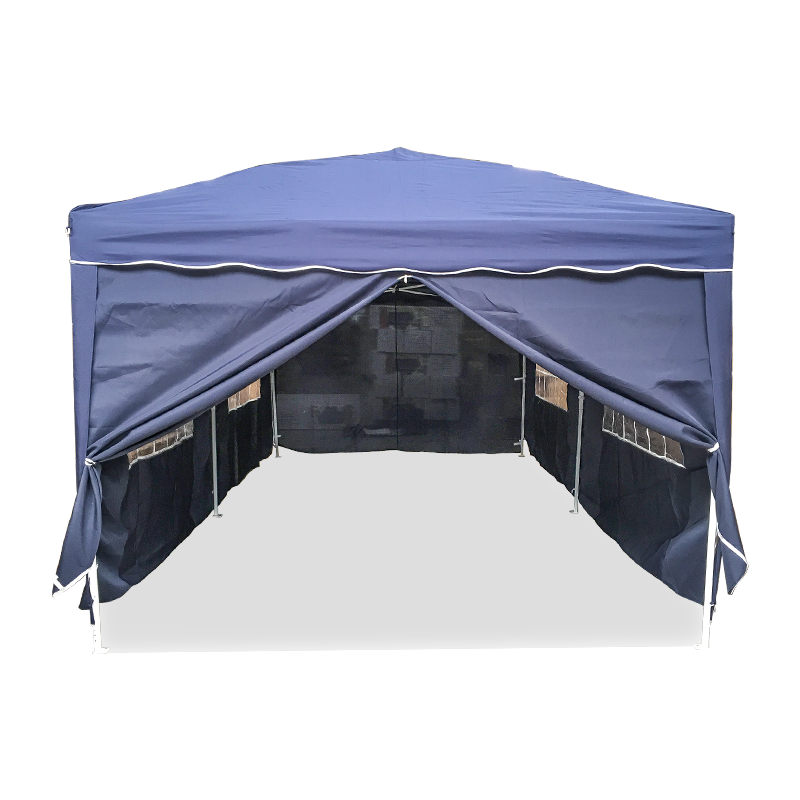
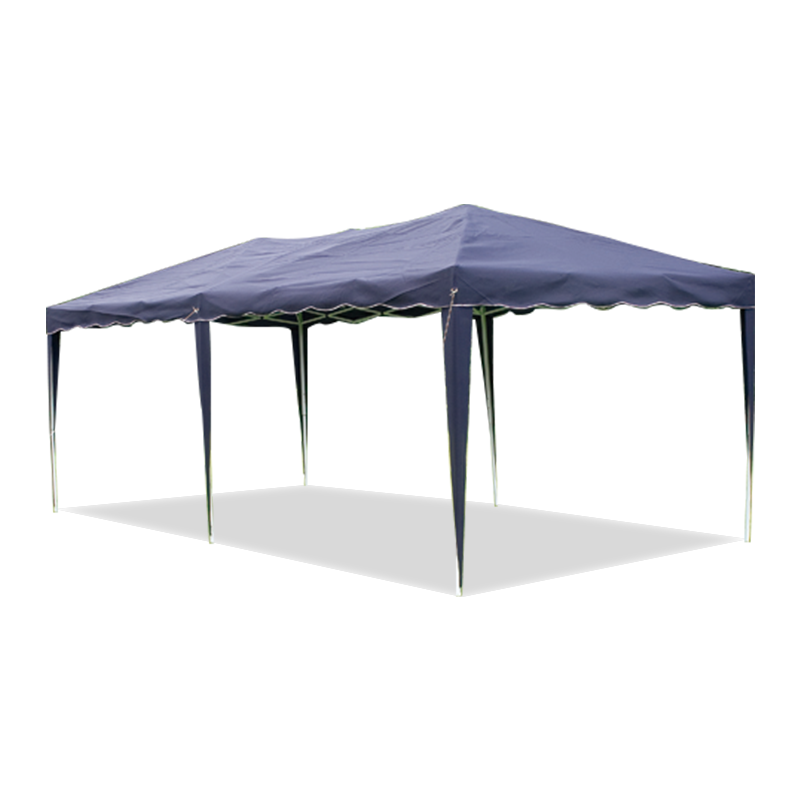
The direct answer to whether a canopy is a fixture depends on permanence and intent. A canopy is considered a fixture if it is permanently attached to the land or a building in a way that its removal would cause significant damage. Conversely, a portable, pop-up canopy used for events is classified as personal property (chattel).
In the context of real estate law, if a canopy is bolted to a concrete foundation or integrated into the home's roofline, it is legally presumed to be part of the real estate and must remain with the property during a sale unless otherwise specified in the contract.
The Legal Criteria for Fixtures: The MAII Test
Courts and real estate professionals typically use a multi-part test to determine if an item like a canopy has transitioned from personal property to a fixture. This is often referred to as the MAII test.
Method of Attachment
This refers to how the canopy is fastened. If the structure is secured with bolts, cement, or permanent anchors into the ground, it leans toward being a fixture. If it is held down by sandbags or simple tent stakes, it remains personal property.
Adaptation to the Property
If a canopy was custom-designed for a specific space, such as a tailored awning that fits a unique architectural curve of a house, it is considered adapted to the property. This customization strongly suggests it is a fixture because it loses significant value if moved elsewhere.
Intent of the Parties
This is often the most critical factor. Did the person who installed the canopy intend for it to be a permanent improvement? Evidence of intent includes the cost of installation and whether the canopy appears in the property's appraisal or marketing materials as a permanent feature.
Comparison of Canopy Types and Classifications
To better visualize the differences, the following table breaks down common canopy structures and their typical legal status in a property transaction.
| Canopy Type | Attachment Method | Legal Status |
|---|---|---|
| Pop-up Event Tent | None / Stakes | Personal Property |
| Retractable Wall Awning | Lag Bolts to Wall | Fixture |
| Metal Carport Canopy | Concrete Anchors | Fixture |
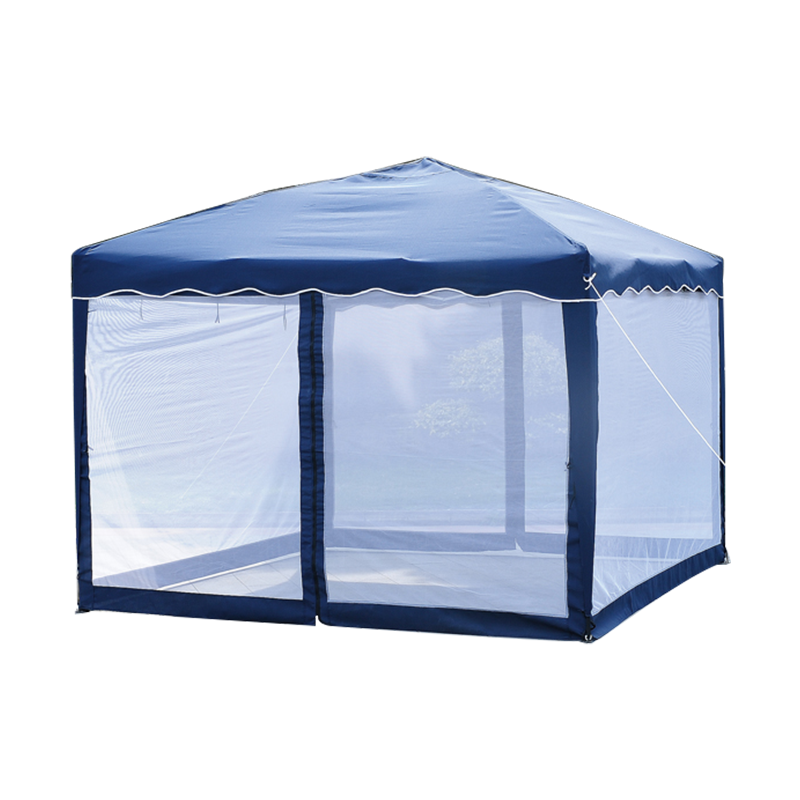
| Freestanding Pergola Canopy | Gravity / Weighted Feet | Personal Property |
Implications for Real Estate Transactions
When buying or selling a home, ambiguities regarding canopies can lead to disputes. To avoid conflict, specific actions should be taken regarding any canopy on the premises:
- Explicit Listing: Sellers should explicitly list the canopy in the "Exclusions" section of the sales contract if they intend to take it with them.
- Damage Assessment: If a buyer sees bolts in the patio or siding, they should assume a fixture exists. If the seller removes it, they are generally responsible for patching holes and restoring the surface.
- Permit Verification: For large metal canopies, check local building codes. If a structure required a building permit to install, it is almost certainly classified as a fixture and a permanent improvement to the land.
Statistically, disputes over outdoor fixtures like high-end canopies and gazebos account for approximately 5-10% of post-closing real estate complaints. Clear communication in the initial purchase agreement is the most effective way to mitigate these risks.

