English
 Español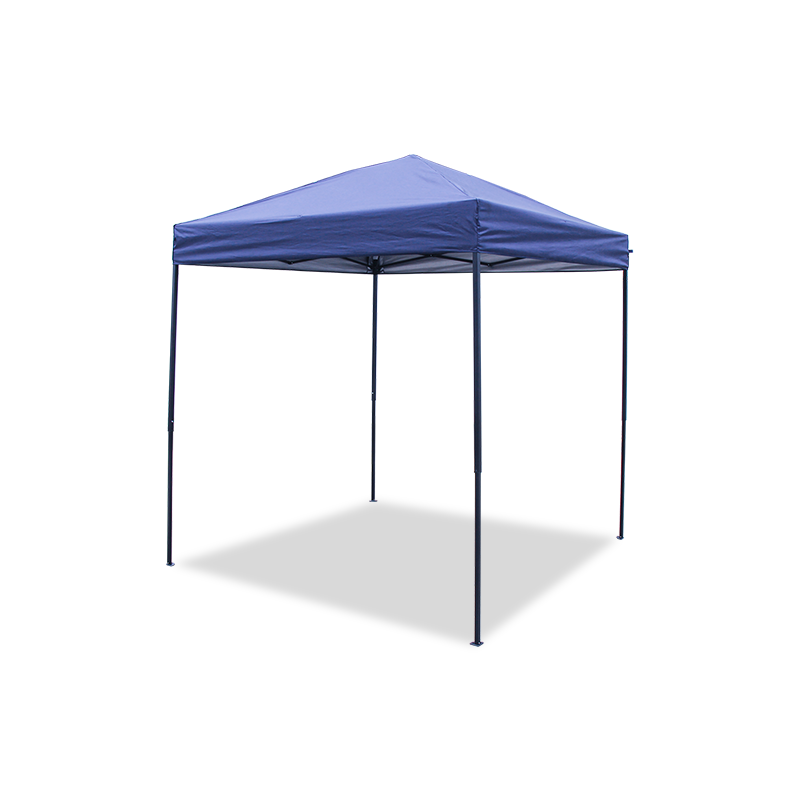
Customer expresses intent; Communicate between the two parties; Provide analysis reports to customers; Reach a cooperation intention.
Content
Direct Conclusion: Is a Pergola Legally and Structurally a Canopy?
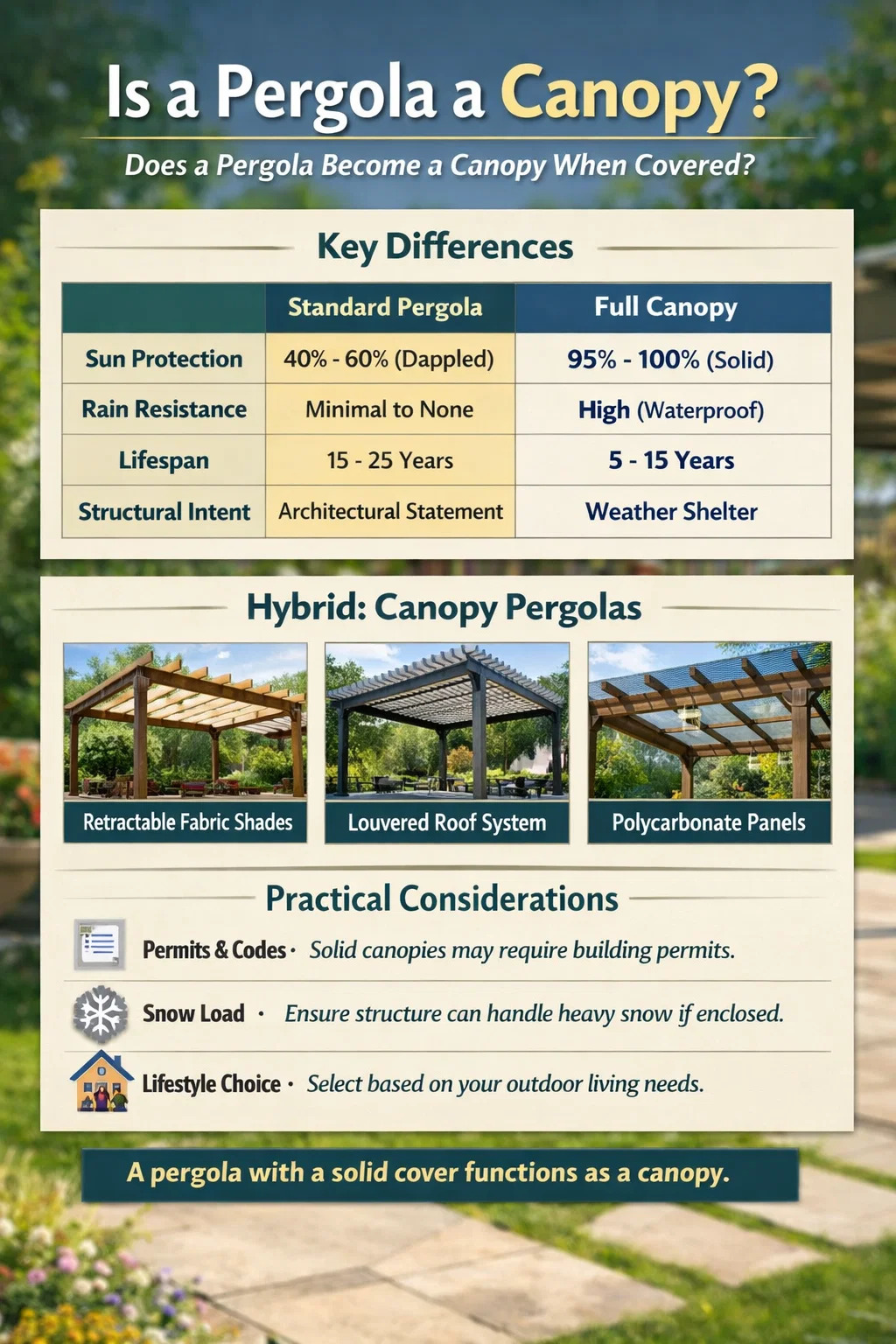
Technically and architecturally, a pergola is not a canopy by default. A traditional pergola is defined by an open-lattice roof supported by columns, designed to provide dappled shade rather than full protection. However, when a pergola is fitted with a permanent or retractable cover—such as fabric, polycarbonate sheets, or metal slats—it functions as a pergola canopy. In the world of outdoor design, the line blurs based on the presence of a weather-resistant barrier.
From a functional perspective, the primary difference lies in the "skin" of the structure. A canopy is primarily an overhead covering intended to block 100% of sun or rain, whereas a pergola is a framework intended to define an outdoor room. If you add a solid roof to a pergola, it adopts the classification of a canopy or a pavilion.
Distinguishing Structural Characteristics
To understand the nuances of these outdoor additions, we must look at how they are built and what materials constitute their "roof" area.
The Roof Layout
A standard pergola features rafters or "purlins" that are spaced apart. This design allows for airflow and light penetration. A canopy, by contrast, features a continuous surface. Whether this surface is made of heavy-duty 600D polyester, acrylic fabric, or solid aluminum, its purpose is to create a complete seal against the elements.
Support Systems
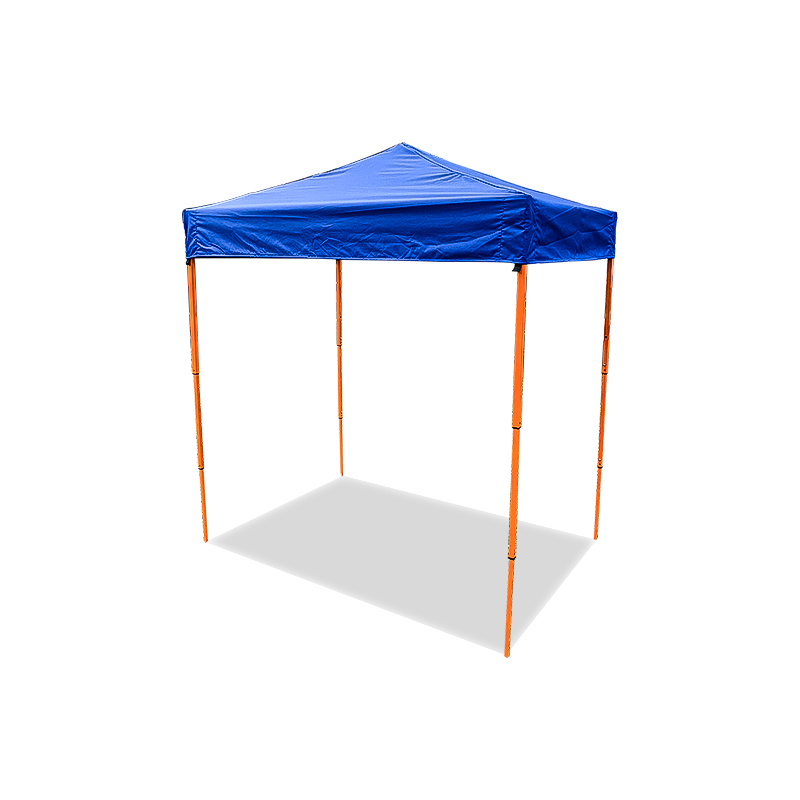
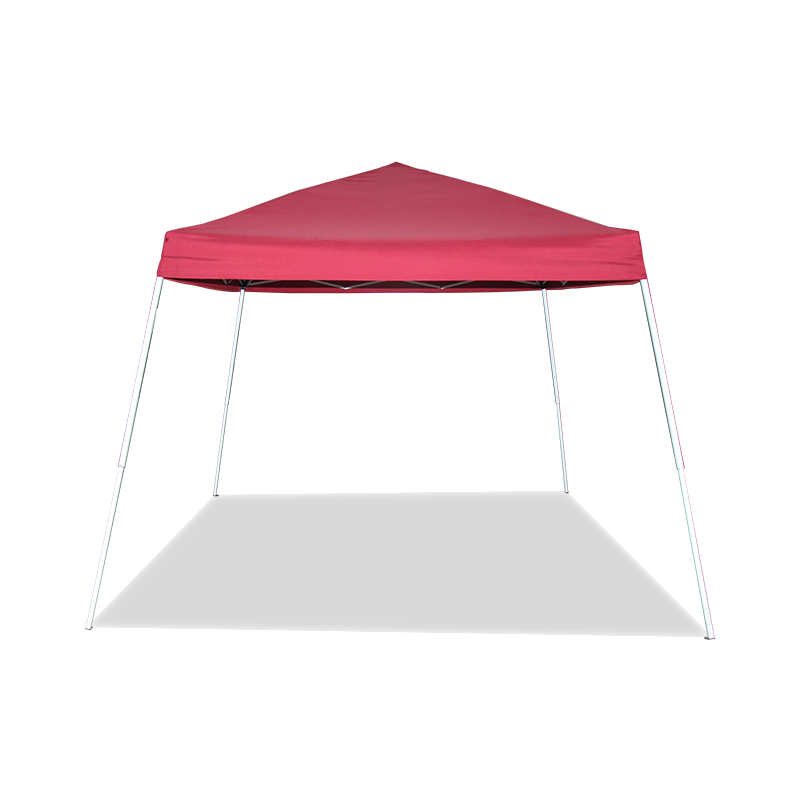
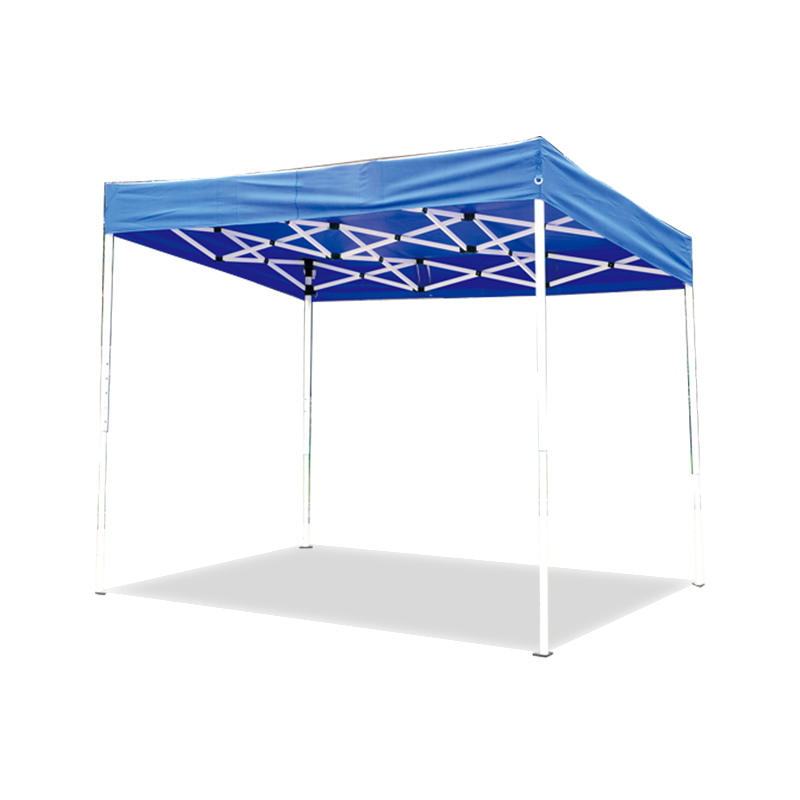
Pergolas are heavy, permanent structures often made of cedar, vinyl, or extruded aluminum. They are typically anchored into concrete footings. While many permanent canopies use similar supports, a large segment of the canopy market consists of temporary or semi-permanent frames that can be disassembled. A pergola is an architectural fixture, while a canopy can range from a portable pop-up tent to a permanent storefront attachment.
Comparative Analysis of Pergolas and Canopies
The following table illustrates the key differences in performance, cost, and utility between these two popular outdoor structures.
| Feature | Standard Pergola | Full Canopy |
|---|---|---|
| Sun Protection | 40% - 60% (Dappled) | 95% - 100% (Solid) |
| Rain Resistance | Minimal to None | High (Waterproof) |
| Lifespan | 15 - 25 Years | 5 - 15 Years (Fabric dependent) |
| Structural Intent | Architectural Statement | Weather Shelter |
The Rise of the Hybrid: Canopy Pergolas
Homeowners frequently realize that while a pergola looks beautiful, it lacks the utility needed for a rainy day or a high-heat afternoon. This has led to the popularity of hybrid canopy solutions that combine the aesthetic of a pergola with the protection of a canopy.
- Retractable Fabric Shades: These are woven through the rafters of the pergola. When extended, they turn the pergola into a fabric canopy.
- Louvered Roof Systems: These involve metal slats that can rotate. When closed, they lock together to form a waterproof metal canopy. This is the most expensive but versatile option.
- Polycarbonate Overlays: A clear or tinted hard plastic sheet can be bolted to the top of a pergola. This maintains the look of the rafters while providing the 24/7 rain protection of a fixed canopy.
Practical Implications for Property Owners
Choosing between a pergola and a canopy is not just about style; it has real-world consequences for maintenance and property regulations. For example, a simple pergola might be exempt from certain taxes or building codes because it is an "open" structure. Once you add a solid canopy top, it may be classified as a permanent roofed structure, potentially increasing your property's assessed value or requiring a formal building permit.
In regions with high snow loads, a pergola is safer because the snow falls through the slats. If you convert a pergola into a canopy by adding a solid roof, you must ensure the rafters can support the weight of accumulated snow, which can reach over 30 pounds per square foot in northern climates. Without proper reinforcement, a DIY canopy addition to a standard pergola can lead to structural failure during winter months.
Which Option Fits Your Lifestyle?
Deciding whether a pergola or a canopy is best depends on your specific goals for your outdoor space. Consider the following constructive advice:
- If you want to grow climbing plants like wisteria or grapes, stick with a traditional pergola. Plants thrive on the airflow provided by an open roof.
- If your primary goal is to host dinners without worrying about a sudden rain shower, a fixed canopy or a louvered pergola is the superior choice.
- If you live in a rented property, a portable canopy is much better than a pergola, as it can be taken down and moved to your next home in under an hour.
Ultimately, while a pergola is not a canopy by its basic definition, its ability to support various covers makes it one of the most flexible foundations for creating a custom canopy system in a modern garden.