English
 Español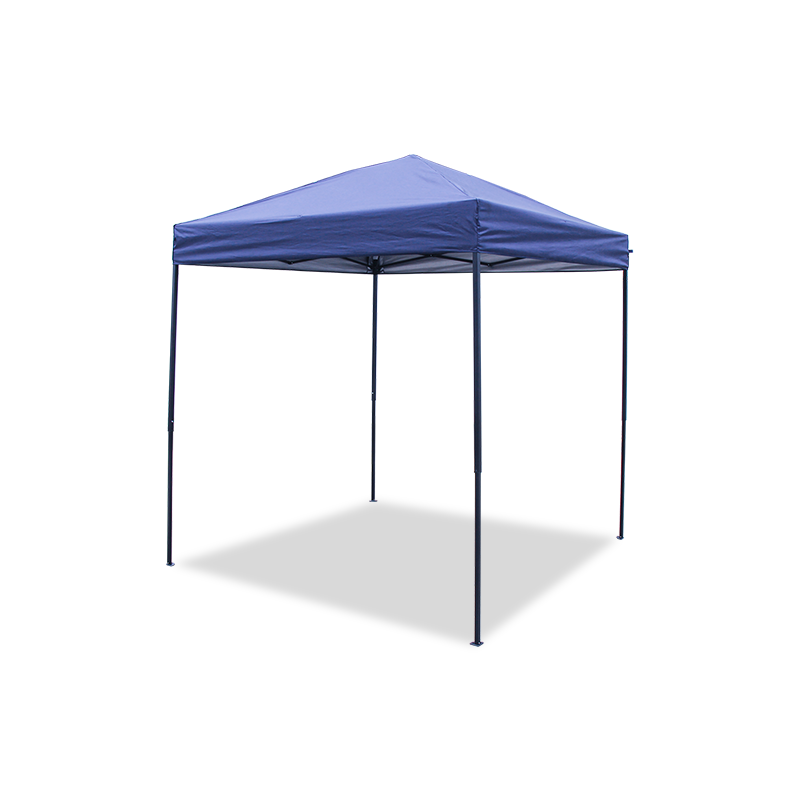
Customer expresses intent; Communicate between the two parties; Provide analysis reports to customers; Reach a cooperation intention.
Content
- 1 What Is a Canopy Also Called? The Direct Answer
- 2 Common Synonyms for Canopy in Everyday Language
- 3 Architectural and Structural Terms Related to Canopy
- 4 Canopy in Nature: Scientific and Ecological Terminology
- 5 Canopy Synonyms Across Different Industries
- 6 Types of Canopy Structures and What They Are Each Called
- 7 Religious and Ceremonial Uses: What Is a Canopy Called in Sacred Contexts?
- 8 Aviation and Military: Specialized Canopy Terminology
- 9 Materials Used in Canopy Construction and Their Common Names
- 10 How Canopy Terminology Varies by Region
- 11 Choosing the Right Canopy or Canopy Alternative for Your Needs
What Is a Canopy Also Called? The Direct Answer
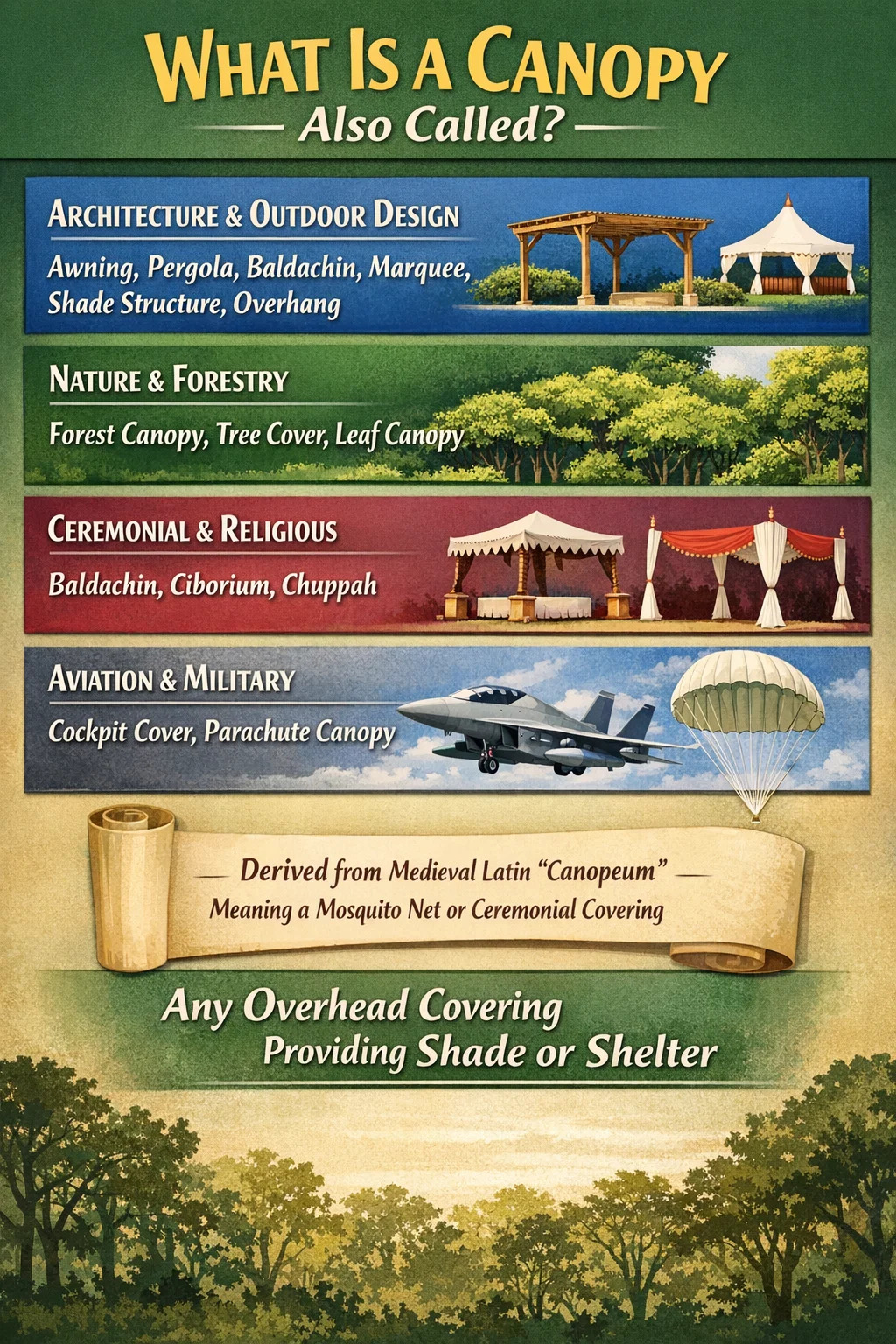
A canopy goes by many names depending on the context in which it is used. In architecture and outdoor design, a canopy is commonly called an awning, pergola, baldachin, marquee, shade structure, or overhang. In nature, particularly in forestry, it is referred to as the forest canopy, tree cover, or leaf canopy. In ceremonial or religious settings, the term baldachin or ciborium is used. In aviation and military contexts, a canopy may describe the transparent cover over a cockpit or the fabric portion of a parachute.
The word "canopy" itself derives from the Medieval Latin canopeum, meaning a mosquito net or ceremonial covering. Over centuries, the term expanded to describe almost any overhead covering — natural or man-made — that provides shade, shelter, or visual grandeur. Understanding what a canopy is also called helps you choose the right terminology for your field, whether you are a landscaper, architect, botanist, or event planner.
Common Synonyms for Canopy in Everyday Language
In everyday speech, multiple words are used interchangeably with "canopy." Each synonym carries a slightly different nuance, and knowing these distinctions helps you communicate with precision.
Awning
An awning is one of the most frequently used alternatives to canopy. It typically refers to a fabric or metal extension attached to the exterior wall of a building, commonly seen over storefronts, windows, and patios. Retractable awnings can reduce indoor temperatures by up to 65% on south-facing windows, according to the U.S. Department of Energy. The word awning is used most often in commercial and residential settings where the overhead covering is fixed to a wall.
Pergola
A pergola is a freestanding or attached outdoor structure with an open lattice or slatted roof. While a traditional pergola does not fully block sunlight, modern pergolas are often equipped with retractable canopy fabric, effectively turning them into full canopy structures. Pergolas have been a staple in Mediterranean garden design for centuries, originating in ancient Egyptian and Roman landscapes.
Marquee
A marquee is a large tent or canopy used for outdoor events such as weddings, festivals, and corporate gatherings. The term is widely used in British English, where a marquee specifically refers to a large, freestanding temporary canopy structure. In American English, "marquee" more often refers to a projecting canopy over the entrance to a theater or hotel.
Shade Sail
A shade sail is a tensioned fabric canopy anchored at multiple points, creating a dramatic triangular or rectangular overhead cover. Popular in residential backyards and playgrounds, shade sails block up to 98% of UV radiation when made with high-density polyethylene (HDPE) fabric. They serve the same functional role as a canopy but with a more modern, architectural aesthetic.
Tarp or Tarpaulin
In informal or utilitarian settings, a tarp or tarpaulin functions as a canopy. It is a waterproof sheet, usually made of polyethylene or canvas, that is stretched overhead to provide temporary shelter. Campers, construction workers, and market vendors commonly use tarps as makeshift canopies.
Architectural and Structural Terms Related to Canopy
In architecture, the word canopy overlaps with several technical terms. Understanding these helps professionals, students, and homeowners choose the right vocabulary when designing or describing overhead structures.
Overhang
An overhang is the portion of a roof or floor that extends beyond the wall below it. In residential architecture, eaves and overhangs function as passive canopies by shading windows and walls from direct sunlight. A properly designed overhang can reduce solar heat gain by 40 to 60% in summer while still allowing low winter sun to warm the interior.
Porte-Cochère
A porte-cochère is a covered entrance porch large enough for vehicles to pass through. The term comes from French, meaning "coach gate." Historically associated with grand manor houses and hotels, it functions as an architectural canopy that shelters guests as they enter or exit vehicles. Today, porte-cochères are seen at luxury hotels, airports, and high-end residential properties.
Soffit
A soffit is the underside of an architectural element — typically the underside of a canopy, overhang, arch, or staircase. While a soffit is not itself a canopy, it is the visible surface you see when looking up at a canopy or overhang from below. In modern construction, soffits often incorporate ventilation and lighting features.
Baldachin or Baldaquin
A baldachin is an ornamental canopy of stone, wood, or fabric erected over an altar, throne, or tomb. One of the most famous examples is the Baldachin of St. Peter's Basilica in Vatican City, designed by Gian Lorenzo Bernini and completed in 1633. Standing nearly 30 meters tall, it is the largest bronze structure in the world. The baldachin signals the sacred importance of what lies beneath it.
Canopy Bed Tester
In furniture terminology, the flat overhead panel of a canopy bed is called a tester. The tester is supported by four posts and supports the fabric draping that surrounds the bed. Canopy beds with testers were historically used to retain body heat and provide privacy in large, drafty castles or manor homes. Today they serve primarily decorative purposes.
Canopy in Nature: Scientific and Ecological Terminology
In ecology and forestry, the word canopy has a precise scientific meaning and is also known by several related terms. The forest canopy is one of the most biologically rich environments on Earth, and understanding its terminology is essential in environmental science.
Forest Canopy and Tree Crown Layer
The forest canopy — also called the tree crown layer, crown canopy, or upper canopy — refers to the collective tops of trees that form a more or less continuous overhead layer in a forest. This layer absorbs the majority of sunlight, with the canopy capturing 70 to 90% of incoming solar radiation in dense tropical rainforests. The Amazon rainforest canopy, for instance, is home to an estimated 50% of all plant species on Earth, even though it is only accessible at heights between 30 and 45 meters above the forest floor.
Understory and Overstory
The forest is divided into vertical layers. The canopy sits above the understory (mid-level shrubs and young trees) and below the emergent layer (the tallest trees that break through the canopy). Together these are sometimes collectively described as the overstory. The term "leaf canopy" is occasionally used in botanical literature to refer specifically to the continuous sheet of foliage viewed from above.
Canopy Cover and Canopy Closure
Ecologists measure the density of the forest canopy using two related metrics: canopy cover (the proportion of ground covered by the vertical projection of tree crowns) and canopy closure (the proportion of sky obscured by vegetation when viewed from below). Both terms are alternatives to simply saying "canopy density." These measurements are critical in habitat assessments and carbon sequestration calculations.
Canopy Synonyms Across Different Industries
The word canopy takes on specialized names in various professional fields. The table below summarizes what a canopy is called across different industries:
| Industry / Context | Alternative Name for Canopy | Primary Function |
|---|---|---|
| Architecture | Overhang, baldachin, portico | Shade, shelter, decoration |
| Outdoor / Garden Design | Pergola, gazebo, shade sail | Outdoor comfort, UV protection |
| Events & Hospitality | Marquee, tent, awning | Weather protection, event staging |
| Forestry / Ecology | Crown layer, tree cover, overstory | Ecosystem structure, biodiversity |
| Aviation / Military | Cockpit cover, parachute canopy | Pilot protection, air resistance |
| Religion / Ceremony | Baldachin, ciborium, chuppah | Symbolic sanctity, ritual space |
| Retail / Commercial | Storefront awning, entrance canopy | Branding, weather protection |
| Furniture / Interior | Tester (canopy bed), valance | Decoration, privacy, warmth |
Types of Canopy Structures and What They Are Each Called
Canopy structures come in a wide variety of forms, each with its own name and specific use case. Knowing the distinctions between these types makes it easier to select the right structure for a given environment or purpose.
Fixed Canopy
A fixed canopy is permanently attached to a building or freestanding frame. It does not retract or adjust. Fixed canopies are common over building entrances, loading docks, and pedestrian walkways. They are often made from polycarbonate, glass, aluminum, or galvanized steel. In commercial buildings, these are frequently called entrance canopies or door canopies.
Retractable Canopy
A retractable canopy can be extended or folded back depending on weather conditions or preference. These are widely used on patios, terraces, and restaurant outdoor seating areas. Also called retractable awnings, these systems may be manual or motorized. Motorized retractable canopies with wind and sun sensors have become increasingly popular in residential and hospitality design over the past decade.
Tensile Canopy
A tensile canopy — sometimes called a membrane canopy, tensile fabric structure, or tension shade structure — uses high-strength fabric stretched over a steel or aluminum frame. The tension in the fabric provides structural integrity without the need for solid beams. Tensile canopies are frequently used in sports stadiums, transit terminals, and public plazas. The roof of the Denver International Airport, completed in 1995, is one of the world's most recognizable tensile canopy structures, mimicking the snowy Rocky Mountain peaks.
Freestanding Canopy
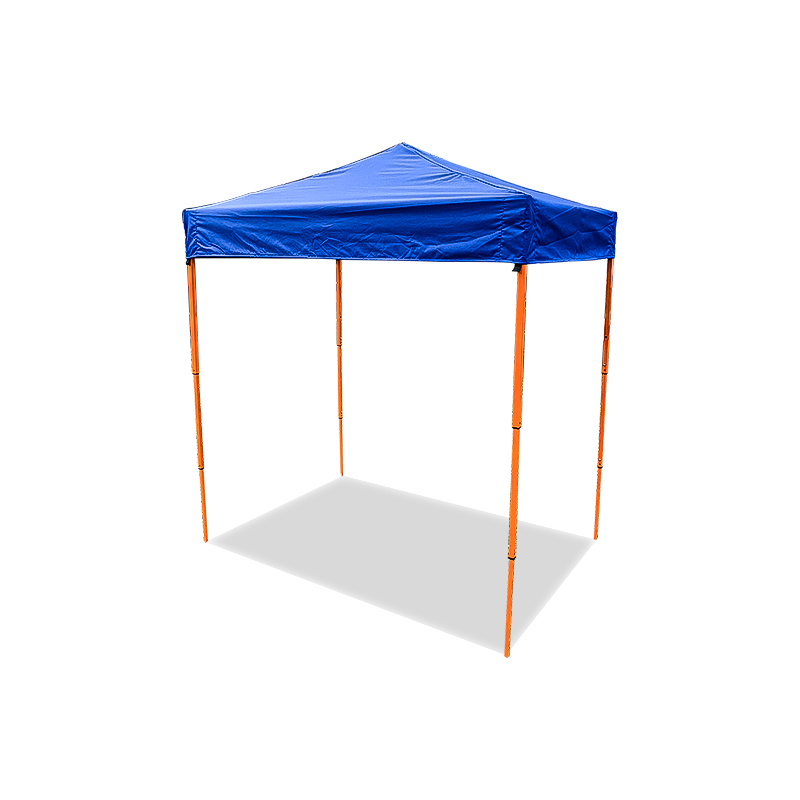
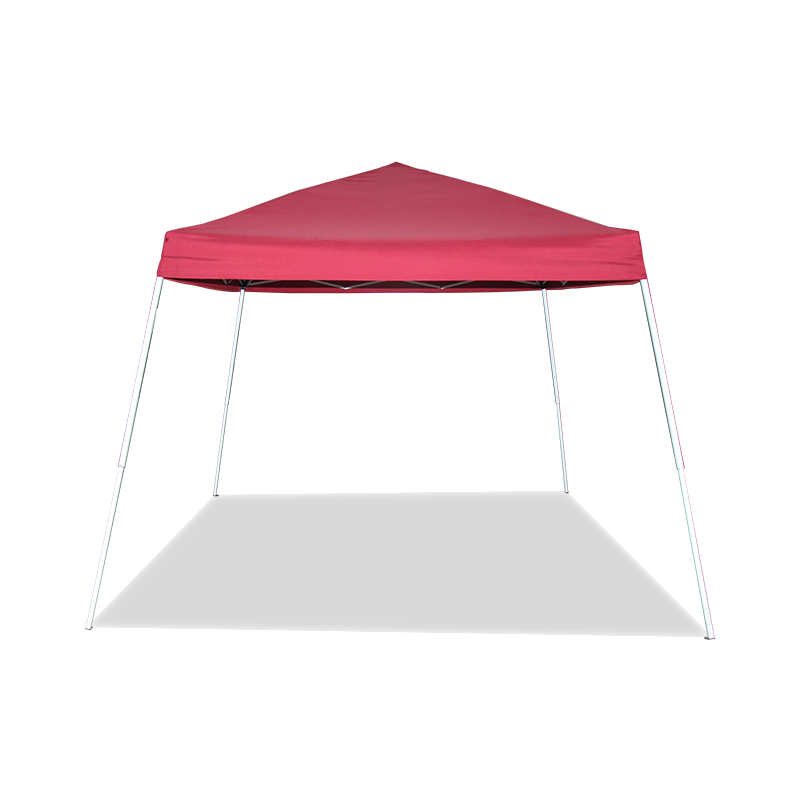
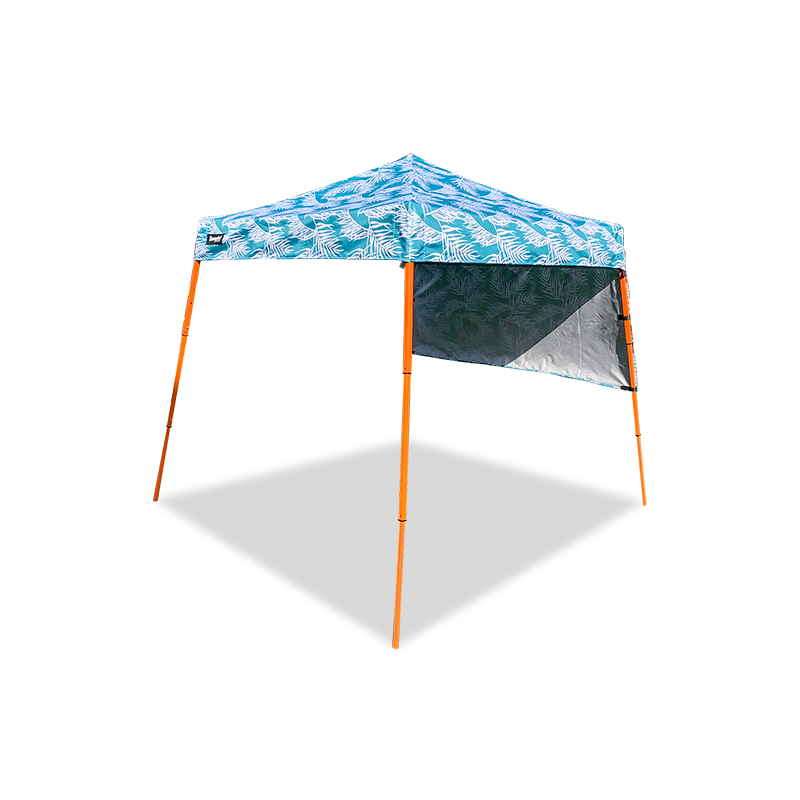
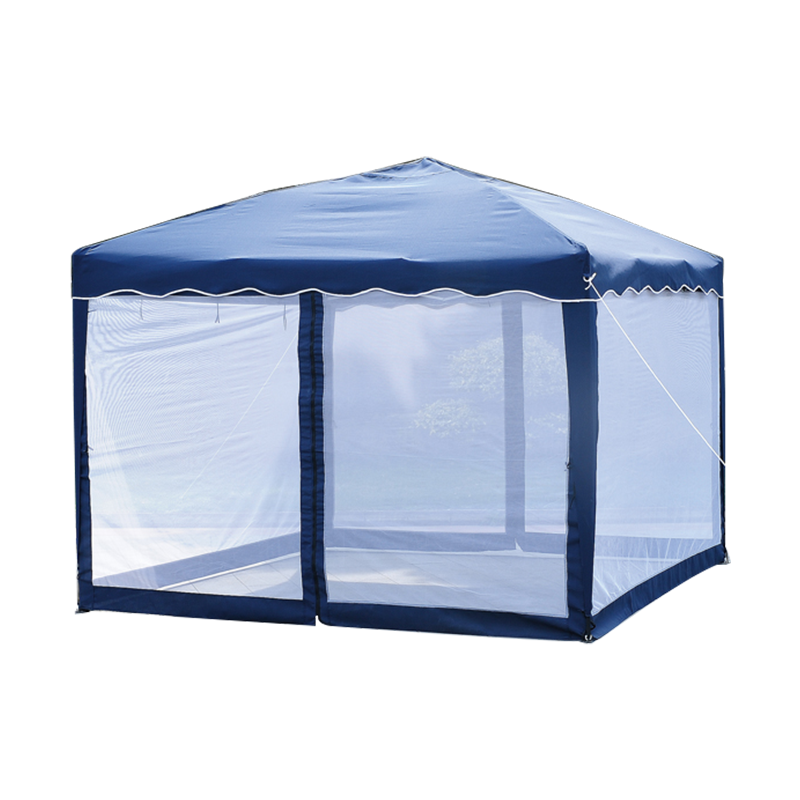
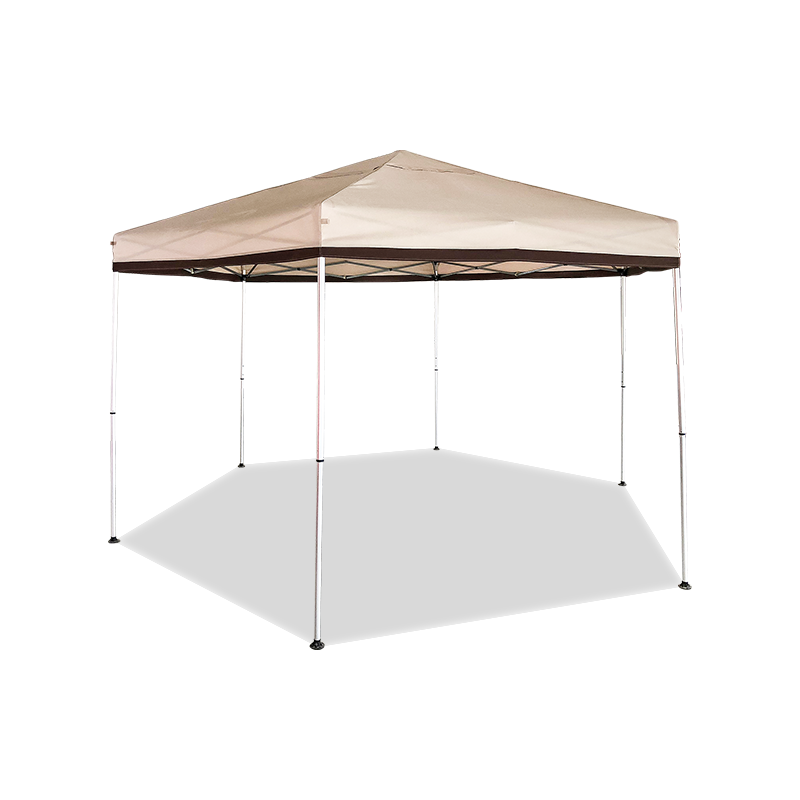
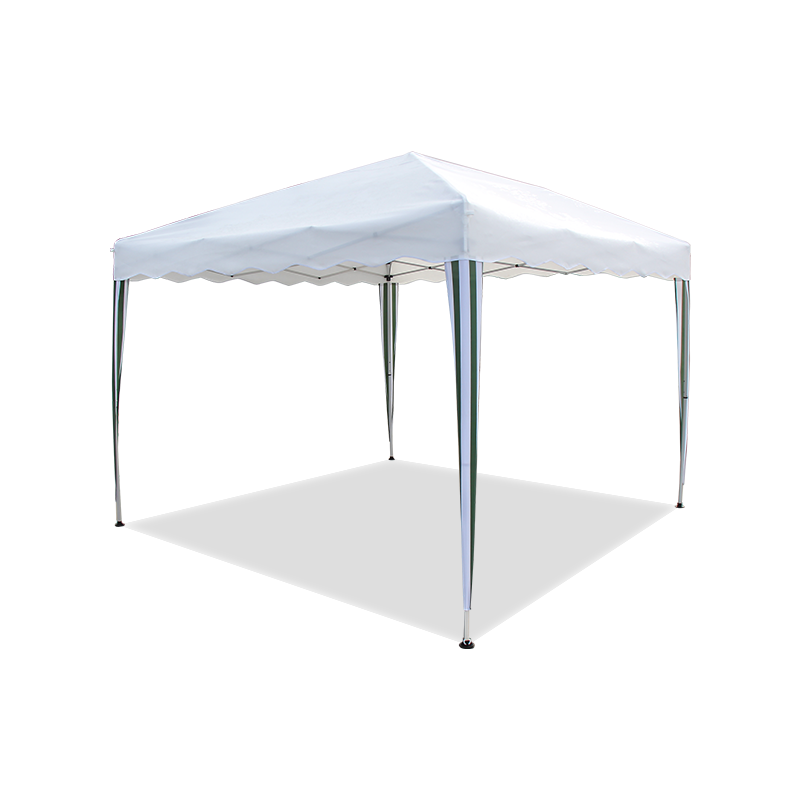
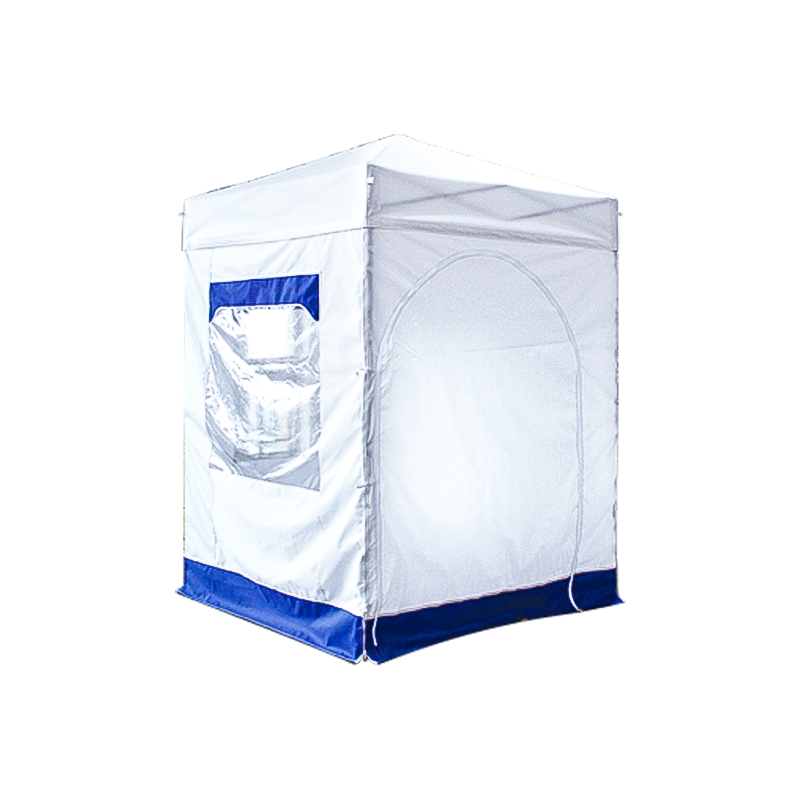
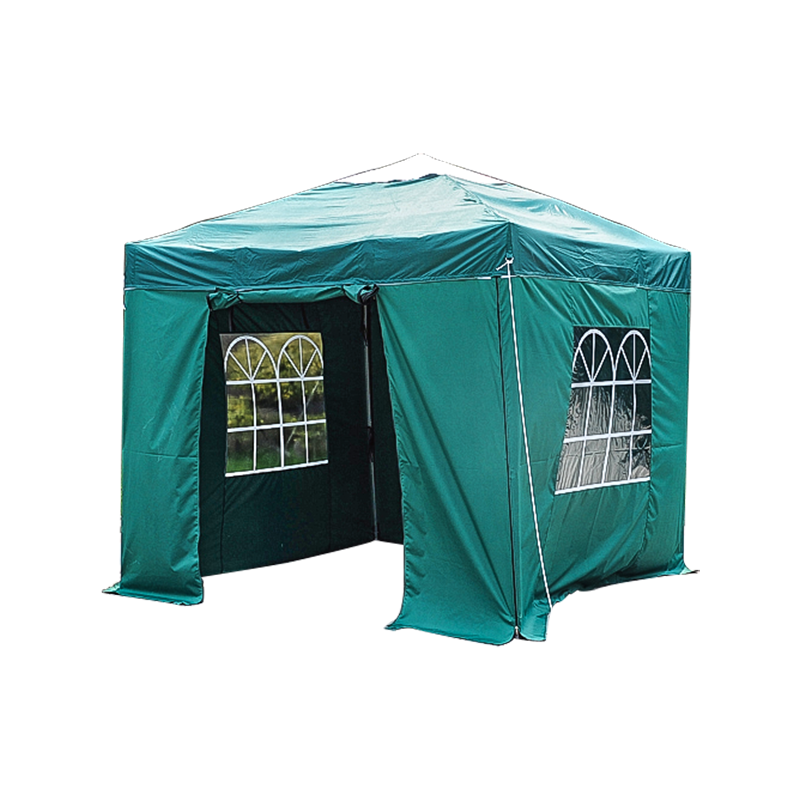
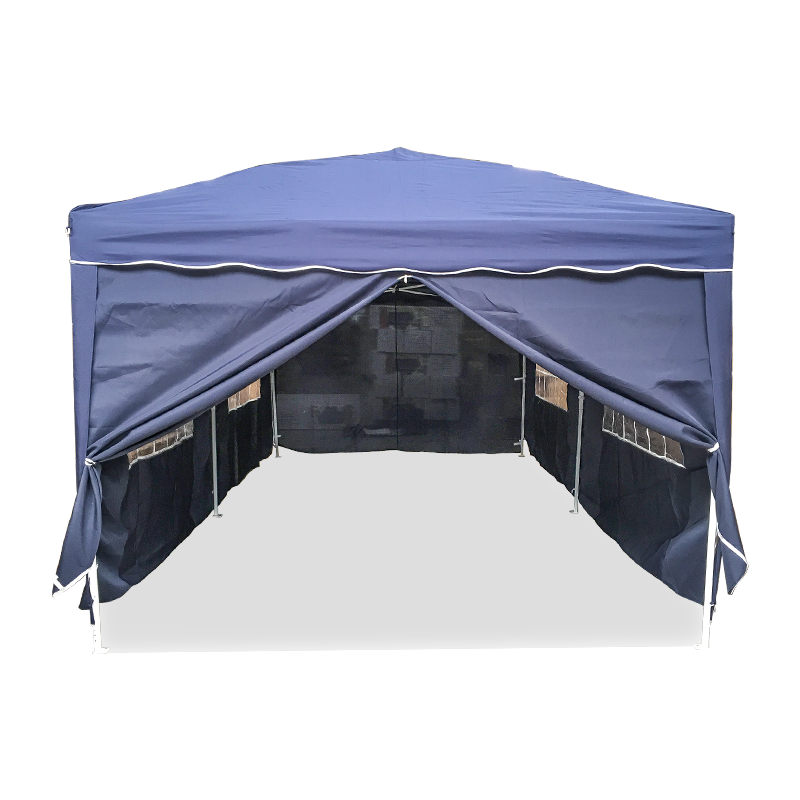
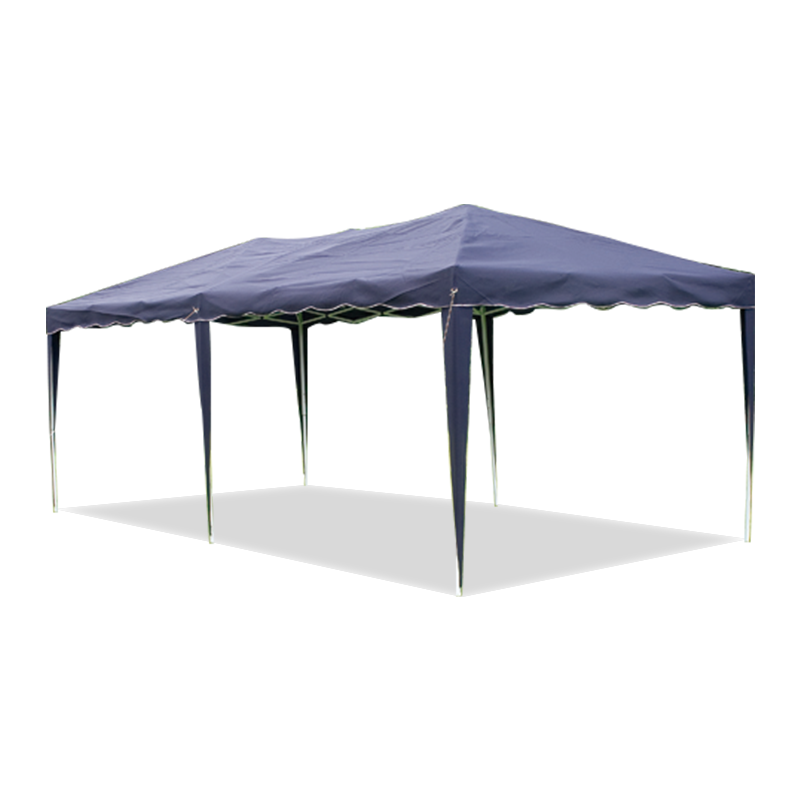
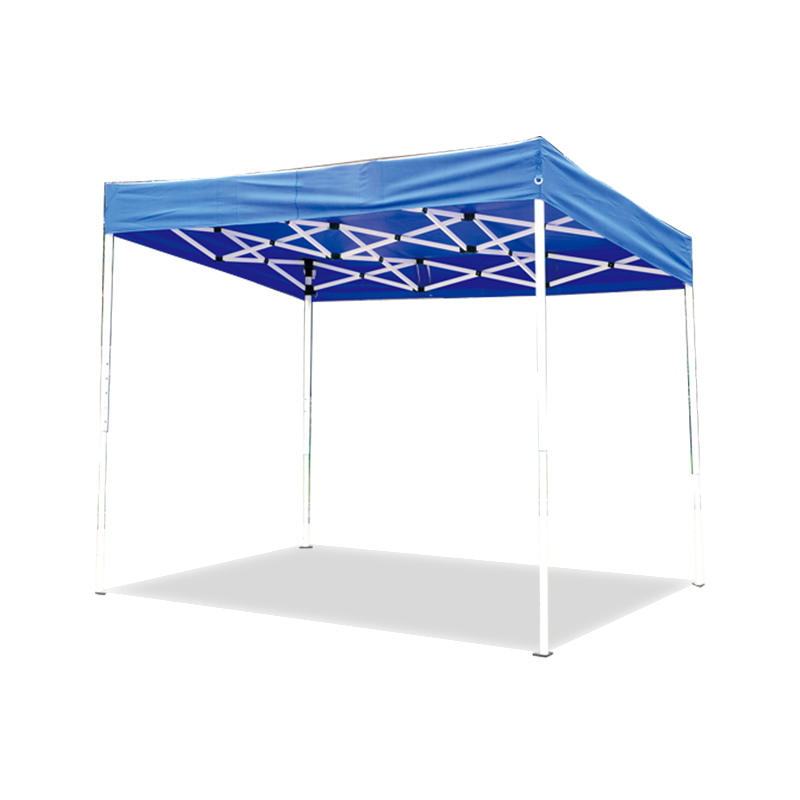
A freestanding canopy is not attached to any building. It stands independently on its own posts or legs. Common examples include gazebos, pop-up canopies, carport canopies, and beach canopies. These structures are highly versatile and portable. A standard 10×10 foot pop-up canopy tent weighs between 15 and 35 pounds and can be set up by two people in under 10 minutes.
Living Canopy
A living canopy is formed by growing vegetation — trees, climbing plants, or vines — trained over a frame or allowed to grow naturally to create overhead shade. Also described as a green canopy, vegetative canopy, or tree canopy, this type is especially valued in urban design for its dual role as both a shade structure and an ecological asset. Cities such as Melbourne, Australia, have invested in urban tree canopy programs with a specific target of 40% canopy cover by 2040 to combat urban heat island effects.
Religious and Ceremonial Uses: What Is a Canopy Called in Sacred Contexts?
Canopies have played a central role in religious and ceremonial life across cultures for thousands of years. In these settings, the canopy is rarely just a functional shelter — it is a symbol of divine authority, sanctity, or blessing.
Chuppah
In Jewish tradition, a chuppah (also spelled huppah or chupah) is a canopy under which a couple stands during a wedding ceremony. It typically consists of a cloth or fabric panel held up by four poles. The chuppah symbolizes the new home the couple will build together. It is one of the oldest ceremonial canopy traditions, with roots dating back to biblical times.
Baldachin and Ciborium
In Christian churches, a canopy placed over an altar is called a baldachin (or baldacchino) when it is a fabric or decorative structure, and a ciborium when it is a permanent stone or metal structure supported by columns. Both terms designate the same basic concept — an overhead canopy that marks a space as sacred. The distinction lies mainly in materials and permanence.
Royal and Imperial Canopies
In many historical cultures, a portable canopy carried over a monarch or dignitary was called a state canopy, processional canopy, or umbraculum. In ancient Egypt, pharaohs were shaded by large fans and overhead canopies during processions. In medieval Europe, a cloth of honor — also called a cloth of estate — was hung above the throne as a symbolic canopy. In Hindu and Buddhist traditions, the ceremonial parasol (known as the chatra in Sanskrit) serves as a sacred canopy symbolizing royal or divine status.
Aviation and Military: Specialized Canopy Terminology
In technical and military fields, the word canopy takes on highly specific meanings that differ significantly from its architectural or botanical uses.
Aircraft Canopy
In aviation, the aircraft canopy — also called the cockpit canopy or bubble canopy — is the transparent enclosure that covers the cockpit of a fighter jet or small aircraft. It protects the pilot from wind, temperature extremes, and in some designs, provides a pressurized environment. Modern fighter jet canopies are made from stretched acrylic or polycarbonate and can withstand impacts from birds at speeds exceeding 400 mph. Some canopies are coated with a thin layer of gold or indium tin oxide to deflect radar signals.
Parachute Canopy
In parachuting and skydiving, the parachute canopy is the large fabric portion of the parachute that inflates with air to create drag and slow the descent of the jumper. It is also called the deployment canopy, ram-air canopy, or main canopy. Modern sport parachute canopies are typically rectangular (called ram-air parachutes or square canopies), replacing the older round canopy design. A standard sport skydiving canopy has a surface area of approximately 150 to 190 square feet.
Materials Used in Canopy Construction and Their Common Names
The material used to construct a canopy often influences what it is called in everyday use. Here is a breakdown of the most widely used canopy materials and their associated terminology:
- Canvas canopy: Made from woven cotton or polyester, traditionally associated with market stalls, garden gazebos, and military applications. Canvas canopies are breathable but require waterproofing treatment.
- Polycarbonate canopy: A rigid, transparent or translucent canopy made from polycarbonate panels. Often called a clear canopy or glazed canopy, this type allows light transmission while blocking rain. Widely used over entrances and walkways.
- Acrylic canopy: Similar to polycarbonate but with greater optical clarity, often used where transparency is important. Sometimes called a perspex canopy in the UK.
- Metal canopy: Constructed from aluminum or steel, these canopies are also known as steel canopies, aluminum canopies, or metal awnings. They are highly durable and commonly used in industrial or commercial settings.
- HDPE shade cloth canopy: Made from high-density polyethylene mesh fabric, this is the primary material used in shade sails and playground canopies. It is lightweight, UV-resistant, and allows airflow while blocking solar radiation.
- Glass canopy: A structural glass canopy uses laminated safety glass panels supported by steel or stainless steel brackets. Often called a frameless glass canopy, it is valued for its sleek, modern appearance in high-end retail and corporate buildings.
How Canopy Terminology Varies by Region
The word used to describe a canopy can differ significantly between English-speaking countries, and understanding these regional variations avoids confusion when sourcing products or communicating with international partners.
- In the United Kingdom, a large temporary outdoor tent used at events is consistently called a marquee, whereas in the United States, the same structure would more commonly be called a tent canopy or event tent.
- In Australia, a fabric canopy over a vehicle is frequently called a ute canopy (referring to a utility truck), while in North America the same structure is called a truck cap, truck topper, or camper shell.
- In South Africa, a tonneau cover or canopy placed over the load bed of a bakkie (pickup truck) is simply called a canopy, making it one of the few regions where the unqualified term specifically evokes this automotive meaning.
- In France, the general term for an architectural canopy or entrance cover is auvent, while a fabric awning is called a store banne.
Choosing the Right Canopy or Canopy Alternative for Your Needs
Now that you know what a canopy is also called across different contexts, the practical question becomes: which type of canopy — under whatever name — is right for your specific situation? Here are the key factors to consider:
Permanence vs. Portability
If you need a permanent solution for a home or commercial property, a fixed canopy, pergola with retractable cover, or architectural overhang is the best choice. If you need something temporary or portable, a pop-up canopy, marquee tent, or shade sail offers the flexibility you need.
Weather Protection Requirements
For areas with heavy rainfall, a waterproof fabric canopy or polycarbonate canopy offers complete rain protection. For regions with intense UV radiation, a shade sail or HDPE mesh canopy blocks solar radiation more effectively than a simple fabric awning. For wind-prone areas, a tensile canopy or engineered metal canopy with wind load ratings provides the necessary structural resilience.
Aesthetic Goals
The right canopy name and type also depends on the visual outcome you want. A pergola with climbing plants creates a living, organic canopy aesthetic. A glass canopy delivers a clean, contemporary look. A baldachin or draped fabric canopy adds grandeur and ceremony. A shade sail creates a modern, geometric visual element. Matching the structure's name and design to its visual purpose ensures a cohesive result.
Budget Considerations
Canopy pricing varies enormously by type and material. A basic pop-up canopy tent can cost as little as $50 to $150, while a custom retractable motorized awning typically ranges from $1,500 to $5,000 for residential installation. A bespoke tensile fabric canopy for a commercial building can run from $20,000 to over $200,000 depending on size and engineering requirements. Knowing the right terminology for each type helps you get accurate quotes from suppliers and contractors.