English
 Español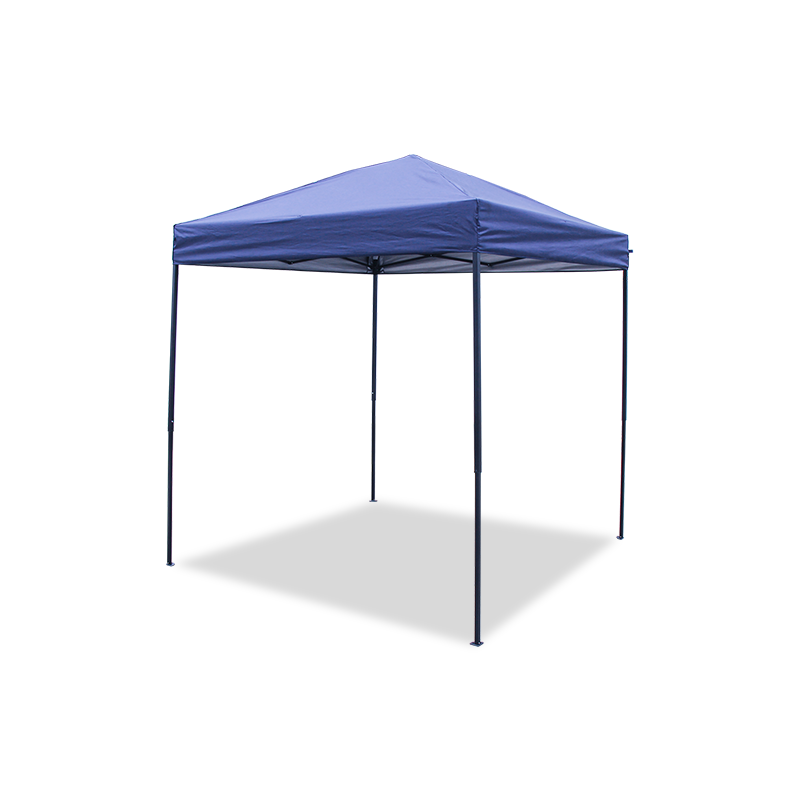
Customer expresses intent; Communicate between the two parties; Provide analysis reports to customers; Reach a cooperation intention.
Content
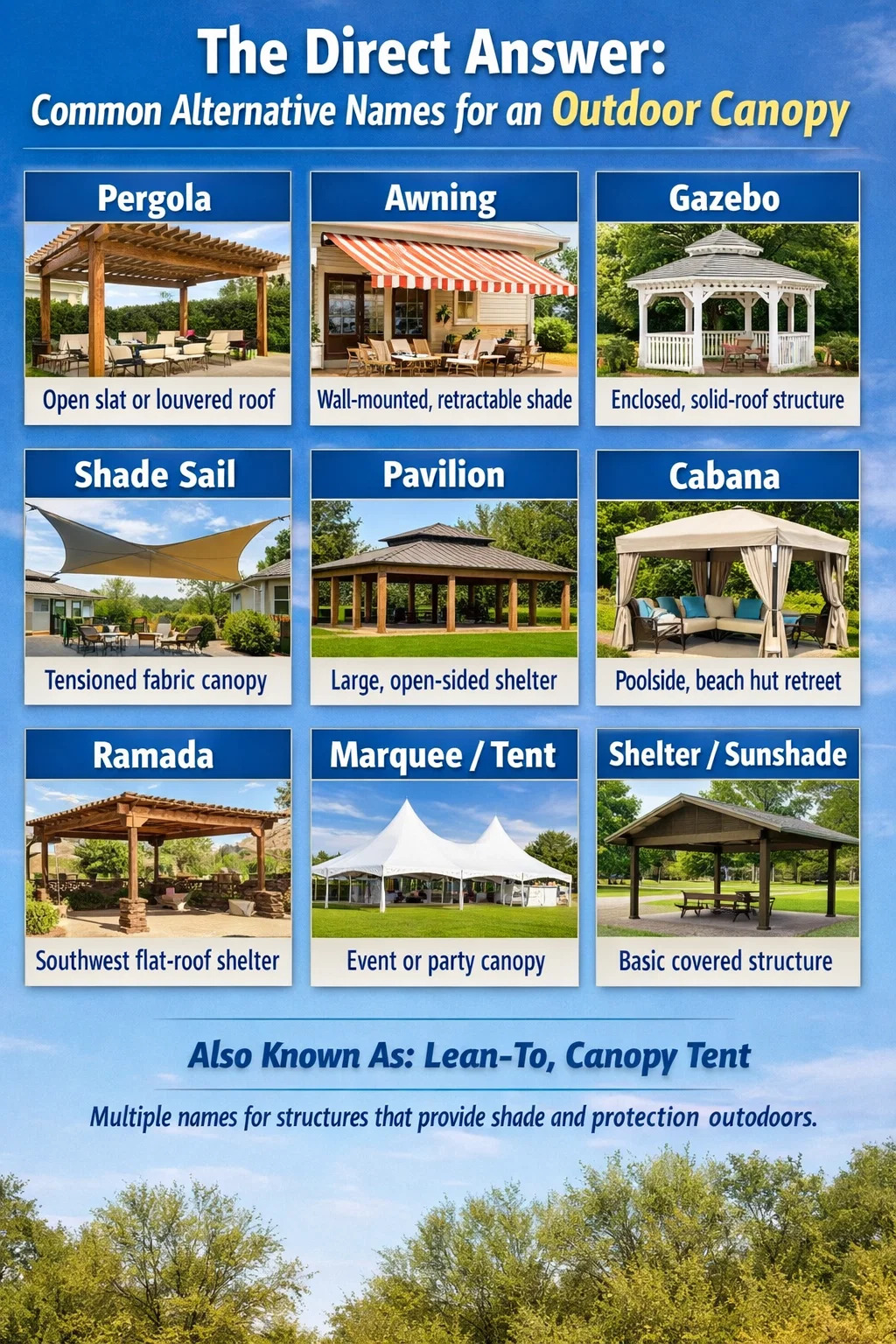
- 1 The Direct Answer: Common Alternative Names for an Outdoor Canopy
- 2 Pergola: The Most Popular Structural Canopy Alternative
- 3 Awning: The Wall-Mounted Canopy Found on Homes and Businesses
- 4 Gazebo: A Fully Enclosed Canopy Structure for Gardens and Parks
- 5 Shade Sail: The Modern Tensioned Canopy for Residential Spaces
- 6 Pavilion, Cabana, and Ramada: Regional and Functional Canopy Synonyms
- 7 Marquee and Tent: Canopy Alternatives in Event and Commercial Settings
- 8 Side-by-Side Comparison of Outdoor Canopy Types and Their Alternatives
- 9 How Canopy Materials Affect the Name and Function of the Structure
- 10 Choosing the Right Canopy Name and Structure for Your Needs
- 11 The Word "Canopy" Itself: Origins and Broader Meanings
The Direct Answer: Common Alternative Names for an Outdoor Canopy
An outdoor canopy goes by many names depending on its structure, material, and intended use. The most frequently used alternatives include pergola, awning, gazebo, shade sail, pavilion, cabana, ramada, and shelter. Each term describes a slightly different structure, but they all serve the same core purpose: providing overhead coverage and shade in an outdoor setting. In everyday conversation and in the home improvement industry, these words are often used interchangeably, though professionals make clear distinctions between them.
If someone asks what another name for an outdoor canopy is, the single most common answer is "awning" in a residential context, and "pavilion" or "pergola" in a landscape or garden context. In event planning and commercial settings, the word "tent" or "marquee" is often used instead. Understanding the differences helps you make better purchasing decisions, communicate clearly with contractors, and choose the right structure for your outdoor space.
Pergola: The Most Popular Structural Canopy Alternative
A pergola is one of the most recognized alternatives to a traditional canopy. It is a freestanding or attached outdoor structure with vertical posts and an open or louvered roof made of beams and rafters. Unlike a fully covered canopy, a pergola may allow partial sunlight through its slats, though many modern versions include retractable fabric panels, polycarbonate roofing, or adjustable louvers to create a complete canopy effect.
According to home improvement market research, pergola installations increased by over 35% between 2020 and 2023 in North America alone, driven by the pandemic-era push for outdoor living spaces. The average cost of a professionally installed pergola ranges from $3,000 to $10,000, with high-end aluminum or bioclimatic models reaching $20,000 or more.
Pergolas are commonly used to shade patios, decks, and outdoor dining areas. They can support climbing plants like wisteria or grapevines, turning the structure into a living canopy. This makes them a particularly attractive option for homeowners who want a natural aesthetic combined with functional overhead coverage.
Types of Pergolas Used as Canopy Structures
- Attached pergola — anchored to the side of a house, sharing a wall for support
- Freestanding pergola — independent structure placed anywhere in the yard
- Bioclimatic pergola — features motorized adjustable louvers for complete weather control
- Arched pergola — curved roof design often used in gardens for a decorative canopy look
- Sail pergola — combines pergola framing with tensioned fabric panels as the canopy top
Awning: The Wall-Mounted Canopy Found on Homes and Businesses
An awning is a roof-like covering attached to the exterior wall of a building. It projects outward over windows, doors, patios, or storefronts to block sun, rain, and wind. In many ways, an awning is the most literal replacement term for a canopy — both describe a fabric or solid covering that provides shade and weather protection from above.
Awnings can be fixed, retractable, or motorized. Retractable awnings are especially popular because they allow homeowners to extend or retract the shade covering as needed. A standard retractable awning extends between 8 to 14 feet from the wall and can cover a patio area of up to 200 square feet. Motorized models with weather sensors automatically retract when wind speeds exceed a safe threshold, typically around 28 mph.
In commercial settings, storefront awnings serve double duty as a canopy for customers and a branding surface for businesses. Printed fabric awnings with business logos and colors are a standard feature on retail streets in cities worldwide. The material most commonly used for awning canopies is solution-dyed acrylic fabric, with Sunbrella being the industry-leading brand known for UV resistance and color retention over 10 or more years.
Gazebo: A Fully Enclosed Canopy Structure for Gardens and Parks
A gazebo is a freestanding, open-sided outdoor structure with a solid, peaked roof. It functions as a permanent canopy shelter and is typically octagonal or hexagonal in shape. Gazebos are commonly found in residential backyards, public parks, botanical gardens, and wedding venues. Unlike a simple canopy or awning, a gazebo is a more architecturally defined structure with railings, built-in seating, and a permanent foundation.
The term "gazebo" originated in the 18th century and is believed to combine the word "gaze" with the Latin suffix "-ebo," roughly translating to "I shall gaze." Historically, gazebos were built as ornamental features in formal English gardens, designed to provide a sheltered viewpoint over the surrounding landscape. Today, they serve a far more practical role as outdoor canopy shelters.
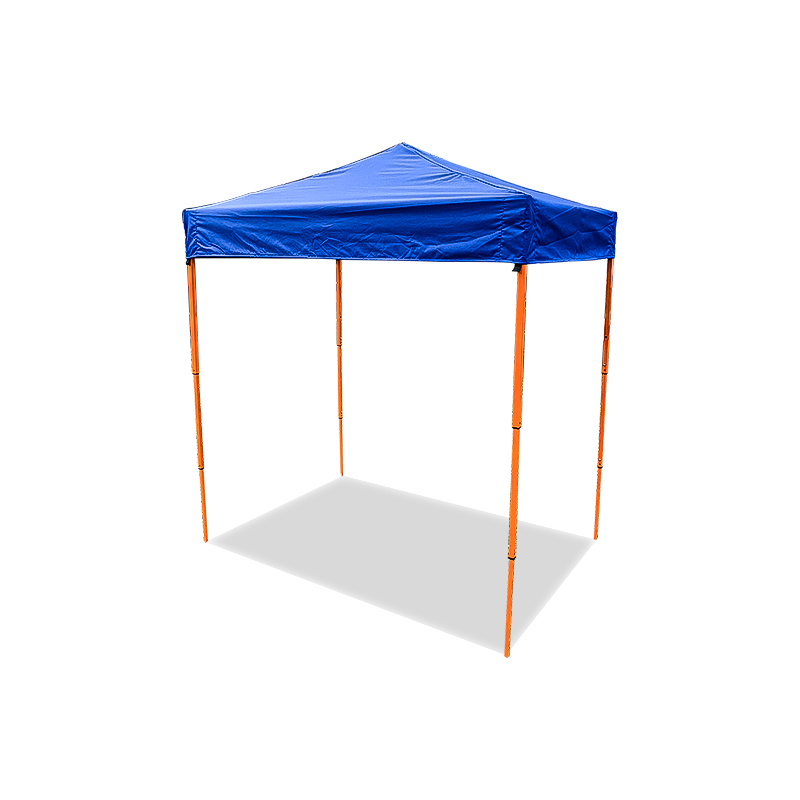
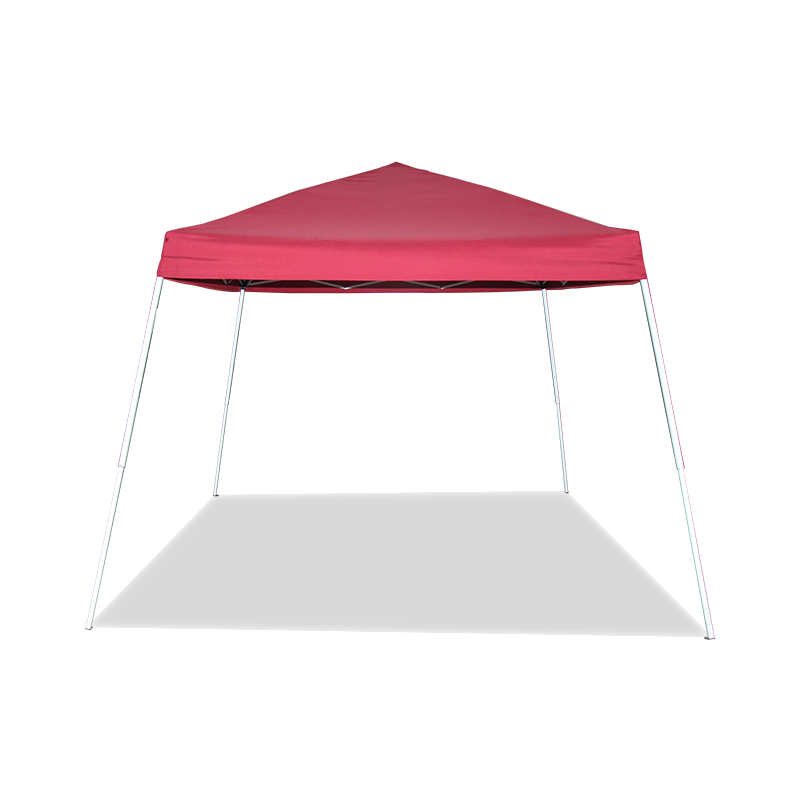
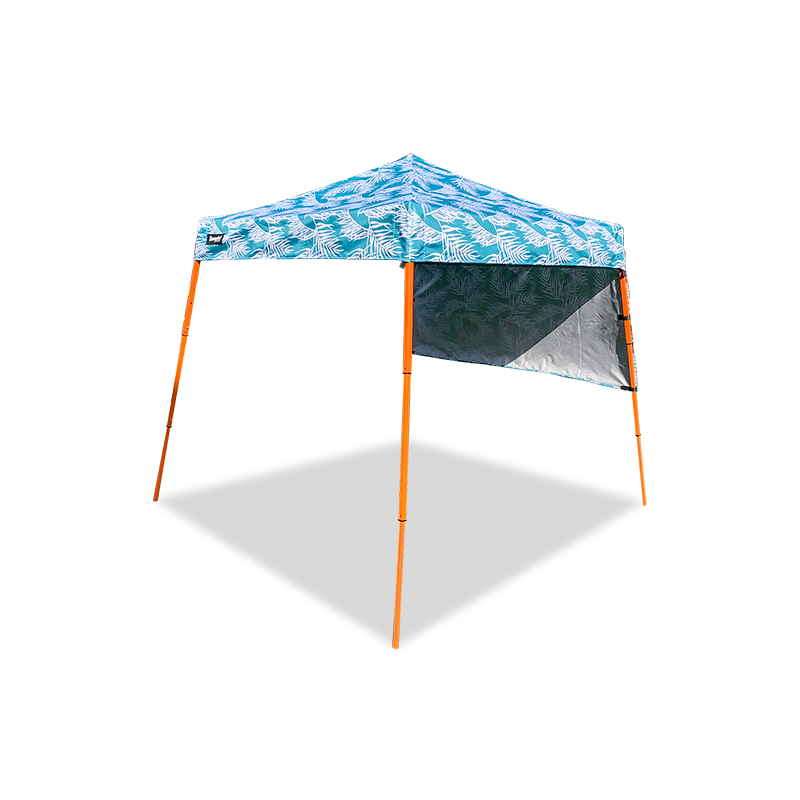
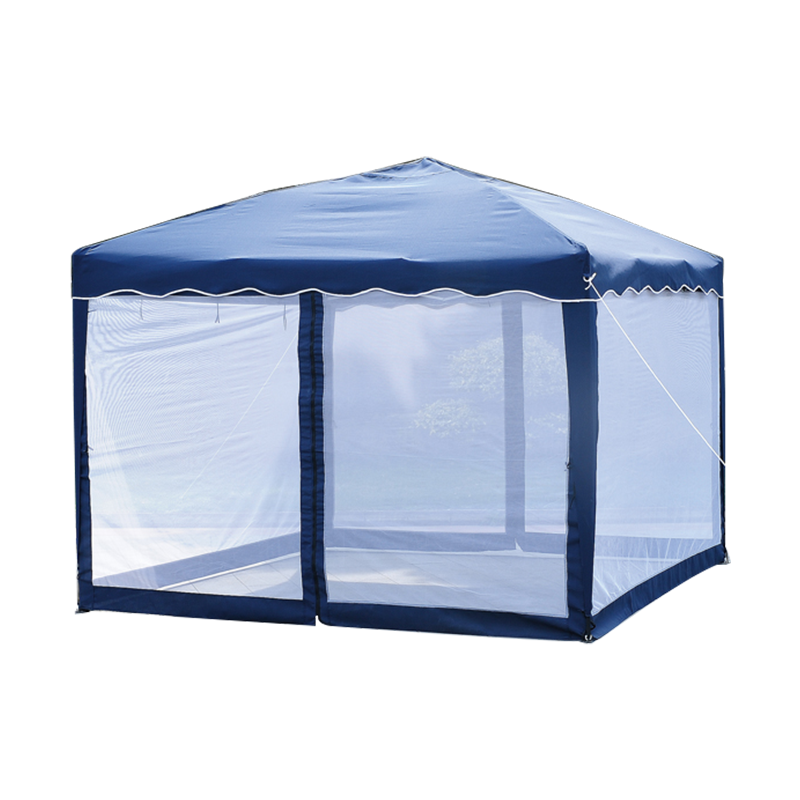
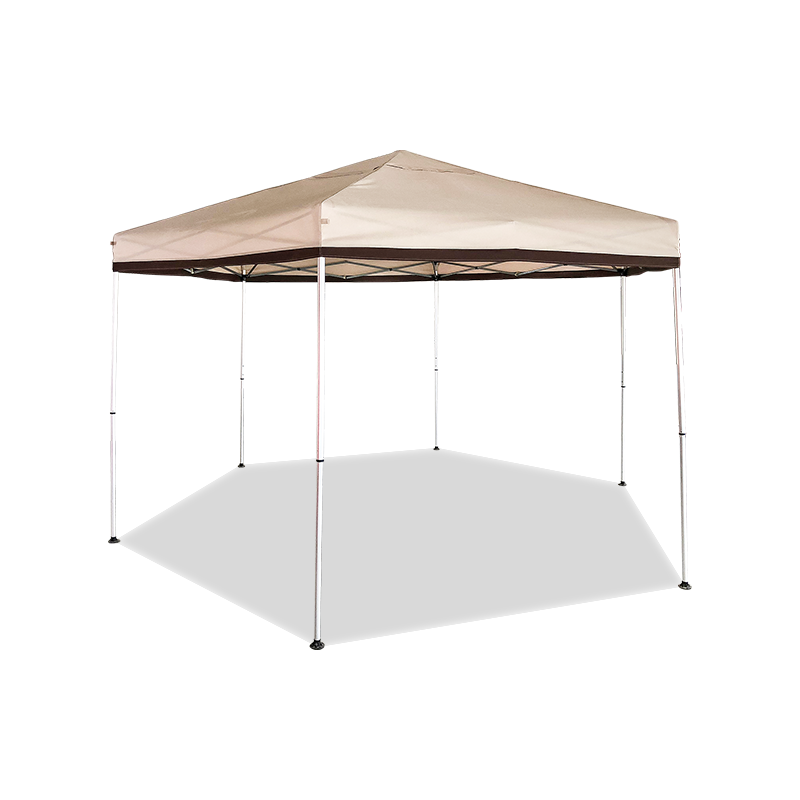
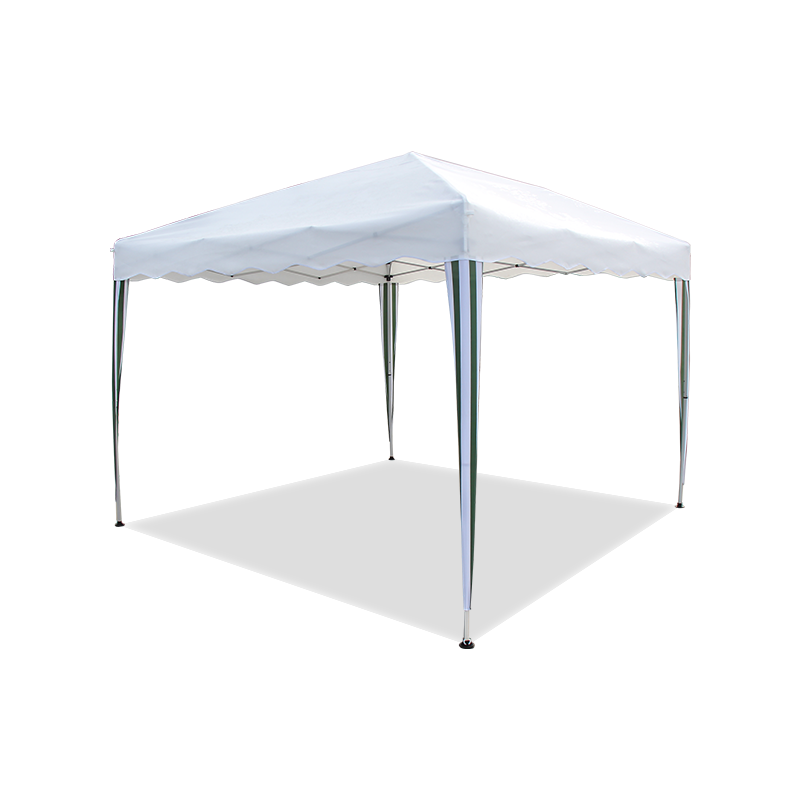
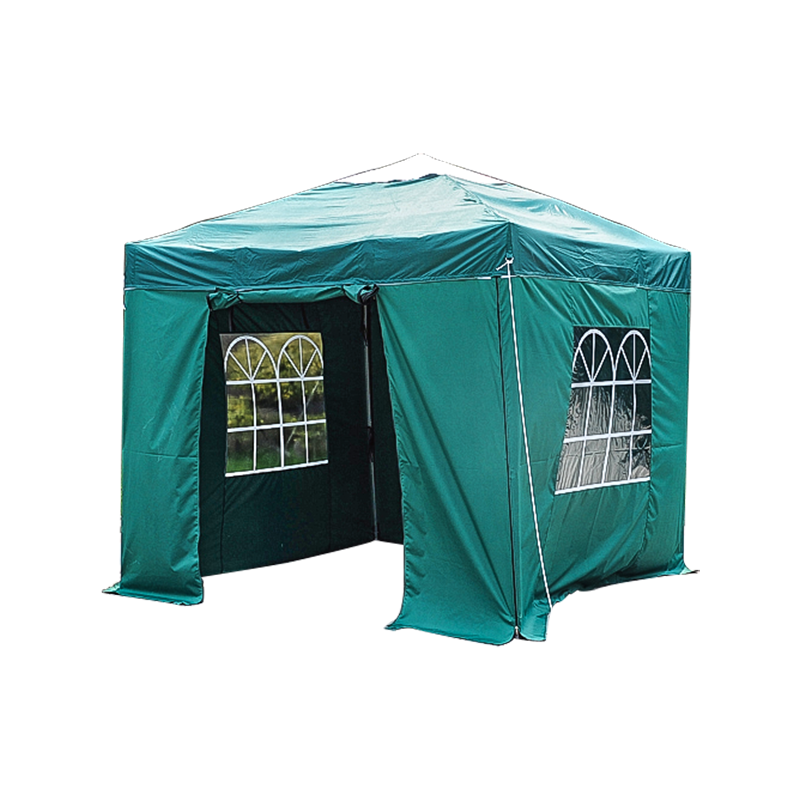
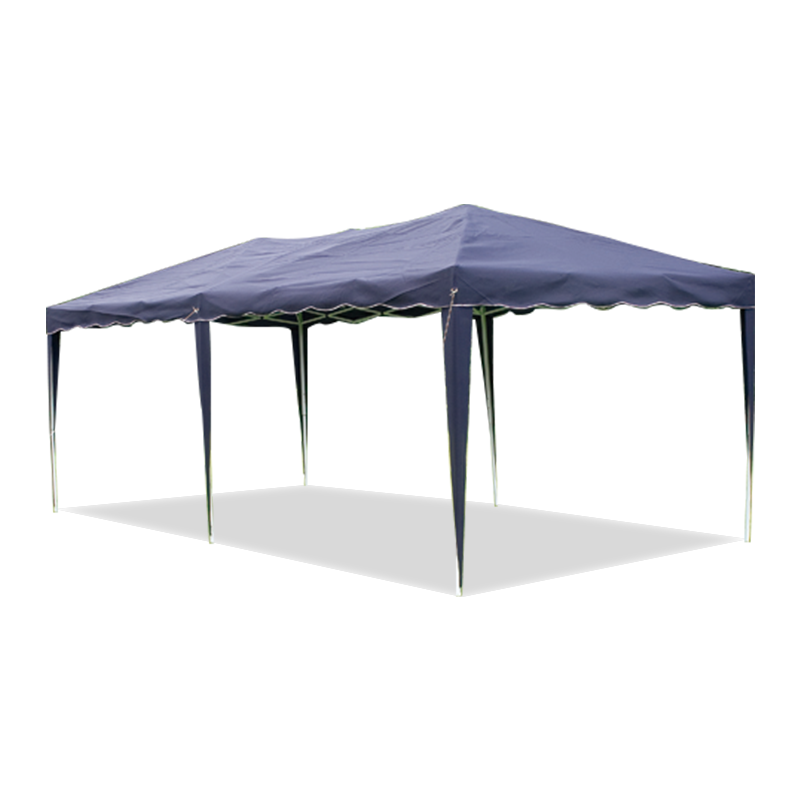
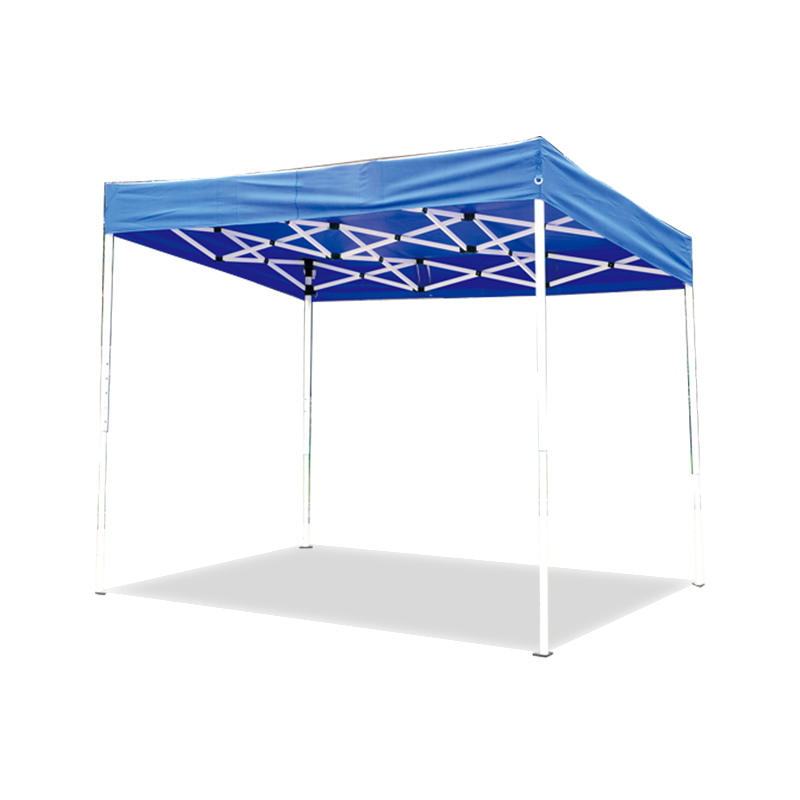
Pop-up or soft-top gazebos are a modern, portable version that closely resembles a traditional outdoor canopy. These structures use steel or aluminum frames with fabric roofs and can be assembled in under 20 minutes without tools. They are widely used at outdoor markets, tailgate events, sports competitions, and backyard parties. Prices range from $80 for basic models to over $500 for heavy-duty, weather-resistant versions.
Shade Sail: The Modern Tensioned Canopy for Residential Spaces
A shade sail is a contemporary form of canopy made from a large piece of tensioned fabric anchored between fixed points such as posts, walls, or trees. The result is a sleek, floating canopy that provides UV protection and a visually striking design element. Shade sails are available in triangular, square, and rectangular shapes and are typically made from high-density polyethylene (HDPE) fabric.
Good quality shade sails block between 90% and 97% of UV radiation, making them highly effective sun canopies for pools, playgrounds, and outdoor dining areas. Unlike rigid canopy structures, shade sails are not designed to handle heavy rain or snow loads — they are intended primarily for sun shading and light weather protection in mild climates.
Installation requires proper anchor points spaced at least 10 to 20 feet apart, and the sail must be tensioned correctly to prevent sagging. Professionals recommend a minimum of 10 to 15 degrees of pitch on shade sail installation to encourage water runoff. Residential shade sail kits typically cost $50 to $300, while custom-fabricated commercial shade canopies can run into the thousands.
Pavilion, Cabana, and Ramada: Regional and Functional Canopy Synonyms
Several other terms describe structures that function identically to or very similarly to an outdoor canopy. These terms tend to vary by region, setting, and the specific use case of the structure.
Pavilion
A pavilion is a large, open-sided structure with a solid roof, commonly used in parks, resorts, and event venues. It functions as a large-scale canopy that can shelter dozens to hundreds of people. Many public parks include pavilions that can be reserved for picnics and gatherings. Commercially, resort-style pavilions over swimming pools serve as permanent pool canopies, offering shade and a defined social space. Event pavilions used for weddings or corporate functions are essentially oversized canopy structures with flooring, lighting, and decorative finishes.
Cabana
A cabana is a small, open-sided shelter found primarily near swimming pools or on beaches. It serves as a personal canopy retreat, offering shade, privacy, and a place to store towels, drinks, and personal items. Luxury resorts charge guests daily rental fees for private cabanas, which often include padded loungers, a ceiling fan, and a mini refrigerator. In a residential setting, a pool cabana can be a permanent structure with curtains for privacy and a solid roof functioning as a full-weather canopy.
Ramada
A ramada is a term used primarily in the American Southwest and Latin America to describe an open-sided shelter with a flat or slightly pitched roof. It is often constructed from natural materials such as wood poles and palm fronds, though modern ramadas use steel framing with polycarbonate or metal canopy roofing. In Arizona and New Mexico, ramadas are a standard feature in public parks and desert recreation areas, providing essential shade canopy coverage in high-heat environments where summer temperatures routinely exceed 110°F.
Marquee and Tent: Canopy Alternatives in Event and Commercial Settings
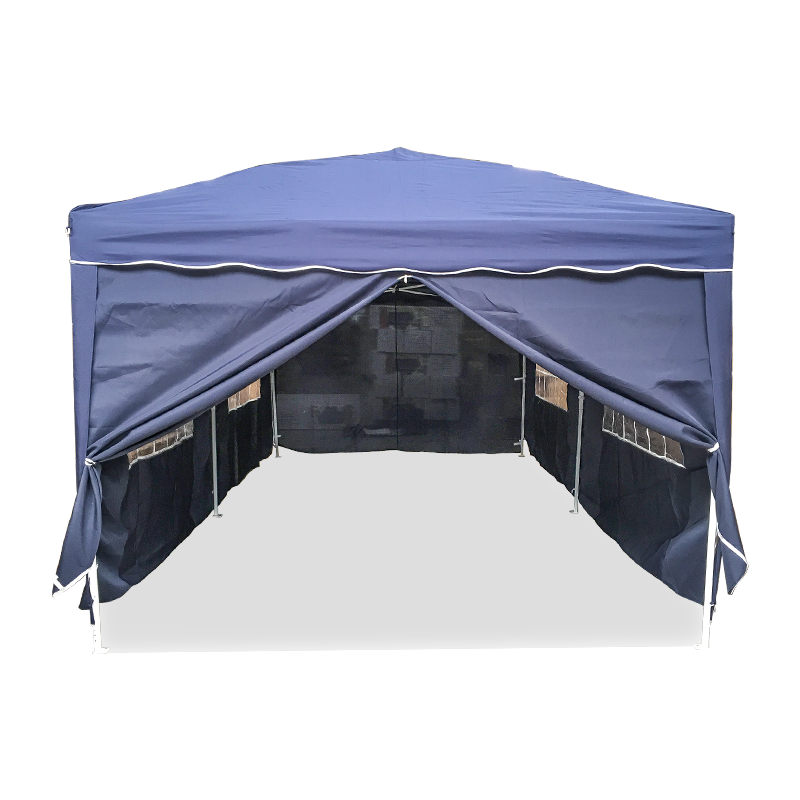
In event planning and commercial contexts, the word marquee is widely used as a synonym for a large outdoor canopy structure. A marquee is a large tent-like enclosure used for outdoor weddings, festivals, corporate events, and garden parties. The term is especially common in the United Kingdom and Australia, where "marquee hire" is a standard service offered by event companies.
Modern marquees have evolved far beyond simple fabric tents. They now feature clear-span aluminum frames, transparent sidewalls, flooring systems, HVAC units, and integrated lighting. A fully equipped marquee for a wedding of 200 guests can cost between $5,000 and $15,000 to hire for a single weekend, depending on the location and specifications.
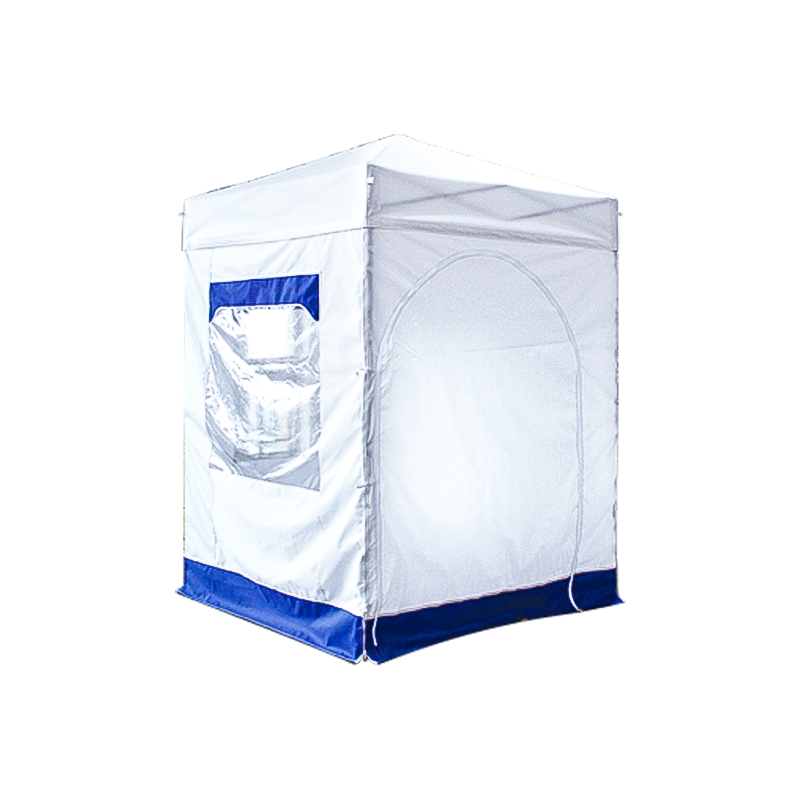
The word tent is the simplest and most universal alternative to "canopy" in event contexts. Frame tents, pole tents, and clear-span tents all qualify as canopy shelters. A pole tent uses a center pole system that creates the classic peaked canopy shape, while a frame tent has no center poles, providing unobstructed interior space beneath the canopy.
Side-by-Side Comparison of Outdoor Canopy Types and Their Alternatives
The table below summarizes the key differences between the most common canopy synonyms, helping you identify which structure best suits your needs.
| Structure Name | Common Use | Roof Type | Portability | Avg. Cost Range |
|---|---|---|---|---|
| Pergola | Patio, garden | Open slats or louvered | Permanent | $3,000–$20,000 |
| Awning | Home exterior, storefront | Fabric or solid panel | Fixed or retractable | $500–$5,000 |
| Gazebo | Garden, events, parks | Solid peaked roof | Permanent or pop-up | $80–$15,000 |
| Shade Sail | Pool, playground, patio | Tensioned fabric | Semi-permanent | $50–$300 |
| Pavilion | Parks, resorts, events | Solid roof | Permanent | $5,000–$50,000+ |
| Cabana | Pool, beach | Solid or fabric roof | Permanent or semi | $1,500–$10,000 |
| Marquee / Tent | Events, weddings, markets | Fabric canopy | Temporary | $200–$15,000 (hire) |
How Canopy Materials Affect the Name and Function of the Structure
The material used to construct or cover a canopy structure often influences what it is called. A fabric-roofed structure is more likely to be called a canopy, tent, or awning, while a solid-roofed structure tends to carry names like pergola, pavilion, or gazebo. Understanding the relationship between materials and naming conventions helps clarify why so many terms exist for what is essentially the same concept — an overhead outdoor shelter.
Fabric Canopy Covers
Polyester with polyurethane coating, canvas, and solution-dyed acrylic are the three most common fabrics used in outdoor canopy construction. Polyester canopy fabric typically offers a water resistance rating of 1,000mm to 3,000mm — enough to handle light to moderate rain. Canvas is heavier and more durable, used in high-quality awnings and marquees. Acrylic fabric, like Sunbrella, resists fading for up to 10 years under direct sun exposure.
Solid and Hard-Top Canopy Materials
Polycarbonate panels, tempered glass, aluminum sheeting, and wood shingles are used in hard-top canopy structures. Polycarbonate is the most popular choice for pergola and patio canopy roofing because it is lightweight, UV-resistant, and available in transparent or frosted finishes. A 10mm twin-wall polycarbonate panel transmits approximately 80% of visible light while blocking nearly all UV rays — making it an excellent canopy material for garden rooms and covered walkways.
Metal Framing for Canopy Structures
The structural frame of a canopy, regardless of its name, is most commonly built from steel or aluminum. Powder-coated aluminum is the industry standard for residential pergolas, gazebos, and awnings because it resists rust, requires no painting, and is lightweight enough for wall-mounted applications. Steel frames are used in heavy-duty commercial canopy structures and large event tents that must withstand significant wind and snow loads.
Choosing the Right Canopy Name and Structure for Your Needs
Picking the right type of outdoor canopy comes down to four key factors: permanence, size, weather requirements, and aesthetics. Here is a straightforward guide to match your needs with the appropriate canopy structure and its correct name.
- For a patio or deck shade solution: A pergola with a retractable canopy top or a wall-mounted retractable awning is the most practical and cost-effective choice.
- For a poolside shelter: A cabana or a freestanding pergola with a solid canopy roof provides the best combination of shade and privacy.
- For a garden focal point: A permanent gazebo functions as an architectural canopy feature while providing year-round shelter.
- For sun protection over a playground or open area: A shade sail canopy offers cost-effective UV protection without blocking the open feel of the space.
- For a temporary outdoor event: A marquee tent or pop-up canopy is the logical choice for single-day or short-term weather protection.
- For a hot, arid climate like Arizona or Nevada: A ramada with a solid metal or polycarbonate canopy roof is the regional standard for public and residential shade shelters.
- For storefront shade and branding: A commercial awning canopy over the entrance is both functional and a marketing asset.
It is also worth noting that local building codes in the United States often regulate the installation of permanent canopy structures. Many municipalities require a building permit for any fixed structure over a certain size — typically anything over 200 square feet in footprint or over a certain height. Always check with your local planning department before installing a pergola, pavilion, or any structure that could be classified as a permanent outdoor canopy.
The Word "Canopy" Itself: Origins and Broader Meanings
The word "canopy" originates from the Medieval Latin word canopeum and the Greek kōnōpeion, meaning a mosquito net or covering over a bed. In its earliest usage, a canopy referred specifically to the ceremonial cloth covering suspended over a throne, altar, or royal bed. Over centuries, the meaning expanded to include any overhead covering, whether decorative or functional.
Today, "canopy" is used in multiple completely different contexts beyond outdoor structures. In ecology, the forest canopy refers to the uppermost layer of tree branches that forms a continuous overhead cover. In aviation, the cockpit canopy is the transparent enclosure over a fighter jet's cockpit. In parachuting, the canopy is the main fabric wing that slows descent. Each of these usages shares the same core meaning — a covering that extends overhead.
When someone specifically asks what another name is for an outdoor canopy, they are almost certainly referring to a shade structure or weather shelter used in residential or commercial outdoor spaces. In that specific context, the complete list of synonyms and alternatives includes: pergola, awning, gazebo, shade sail, pavilion, cabana, ramada, marquee, tent, shelter, sunshade, and lean-to. Each of these names carries slightly different connotations, but all refer to a structure designed to provide overhead protection in an outdoor setting.