English
 Español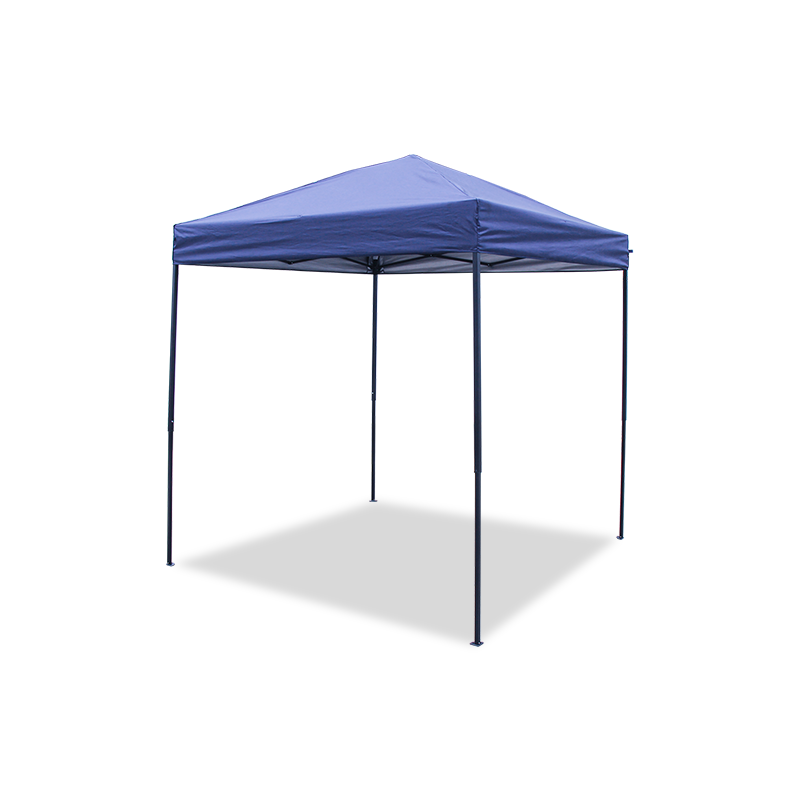
Customer expresses intent; Communicate between the two parties; Provide analysis reports to customers; Reach a cooperation intention.
Content
- 1 The One-Word Meaning of Canopy
- 2 How the Word Canopy Is Used Across Different Fields
- 3 The Forest Canopy: What It Really Means in Ecology
- 4 Canopy in Architecture: Shelter as Design
- 5 The Canopy Bed: History and Modern Appeal
- 6 Aircraft Canopy: A Specialized Engineering Application
- 7 Parachute Canopy: The Science of Slowing Down
- 8 Urban Tree Canopy: Why Cities Measure It
- 9 Canopy Synonyms and Related Words
- 10 Canopy Tours and Ziplines: The Ecotourism Use
- 11 Choosing the Right Canopy for Outdoor Use
- 12 The Metaphorical Use of Canopy
The One-Word Meaning of Canopy
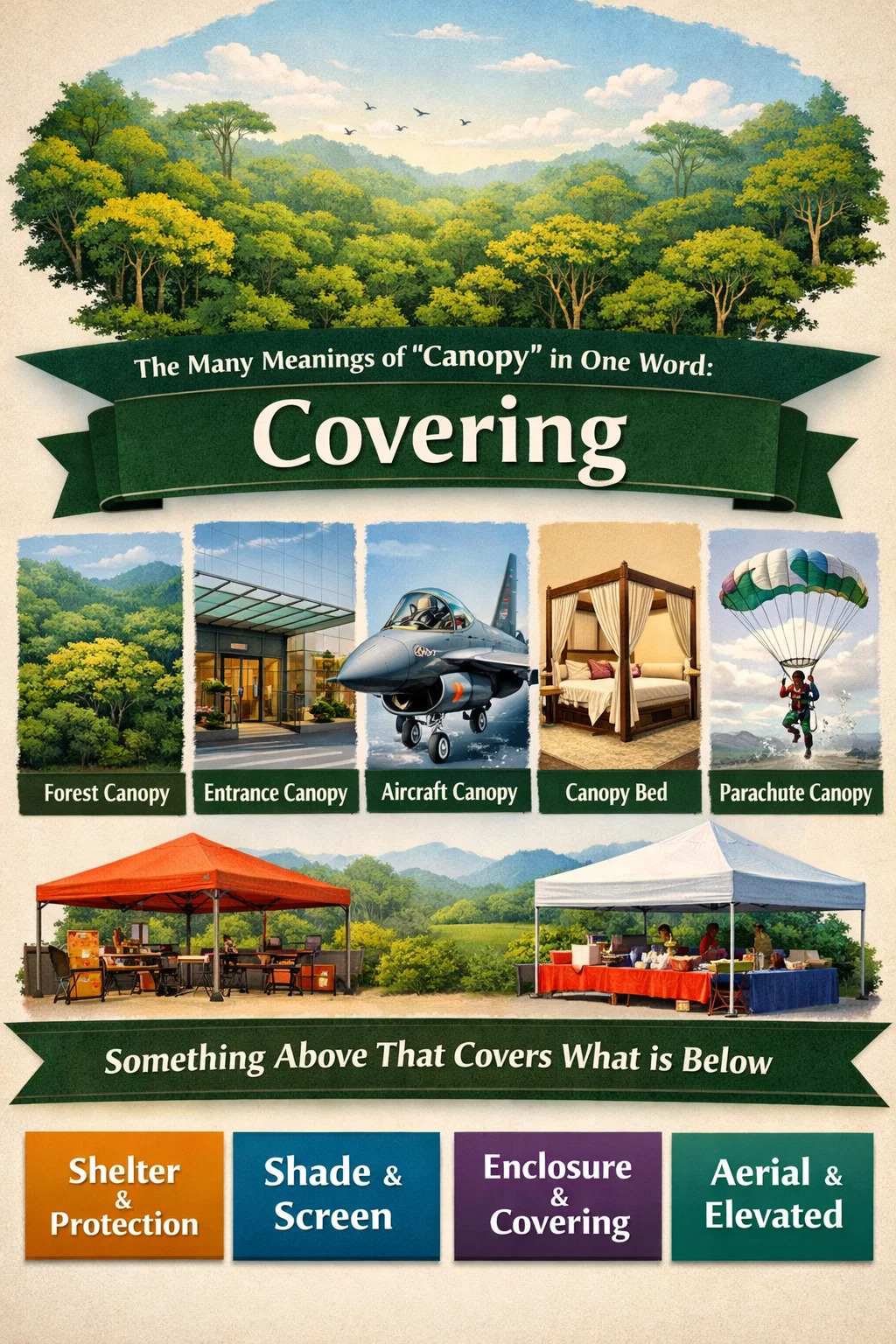
If you need a single word to define canopy, the answer is "covering." That one word captures the core idea behind every use of the term — whether you are talking about the forest canopy layer stretching over a jungle floor, a fabric canopy shading a marketplace stall, or a glass canopy sheltering commuters at a train station. A canopy is something that spreads above and provides cover.
The word itself comes from the Medieval Latin canopeum and the Greek kōnōpeion, originally referring to a bed net or curtained couch used to keep away mosquitoes. Over centuries, the meaning expanded far beyond bedchambers and royal thrones to describe anything that forms an overhead shelter or shade. Today, the word appears in ecology, architecture, aviation, horticulture, and everyday product naming, always with that same foundational idea: something above that covers what is below.
Understanding the canopy meaning in one word gives you a flexible mental anchor. Once you internalize "covering," every other context — canopy bed, canopy tour, canopy layer, aircraft canopy — immediately makes sense without needing separate definitions for each.
How the Word Canopy Is Used Across Different Fields
The canopy concept is remarkably consistent across disciplines. Despite appearing in very different contexts, the core meaning — a protective or shading overhead structure — stays constant. Below is a breakdown of how different industries use the term.
| Field | How Canopy Is Used | Example |
|---|---|---|
| Ecology | The uppermost layer of a forest formed by treetops | Amazon rainforest canopy at 30–45 m height |
| Architecture | A projecting roof or overhead shelter over an entrance | Hotel entrance canopy, gas station canopy |
| Aviation | The transparent cover over a cockpit | Fighter jet canopy made of acrylic or polycarbonate |
| Furniture / Interiors | Fabric draped over a bed frame | Four-poster canopy bed with sheer draping |
| Parachuting | The dome-shaped fabric that slows descent | Round or ram-air canopy used in skydiving |
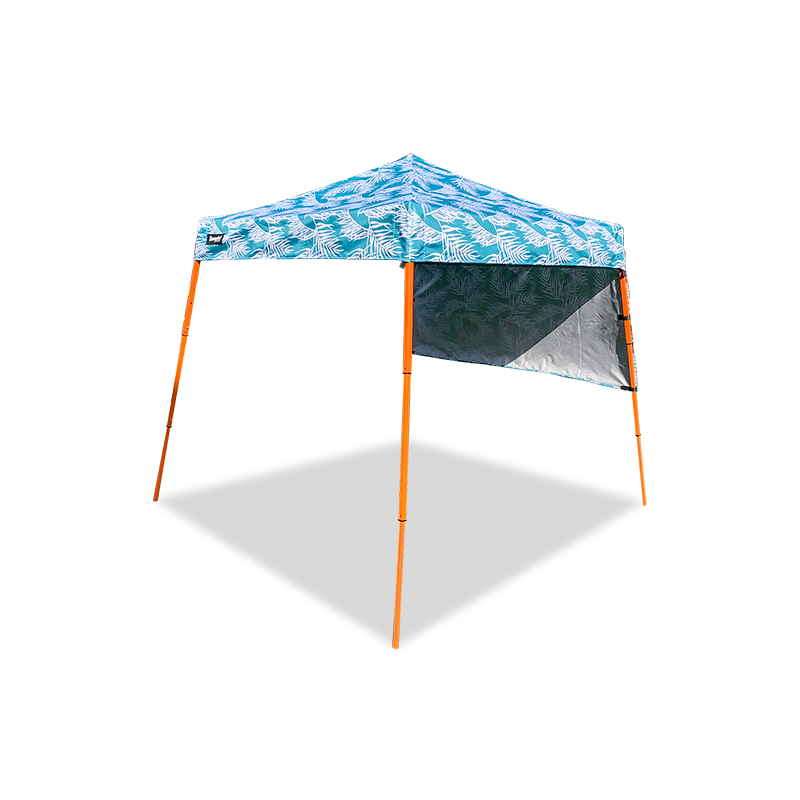
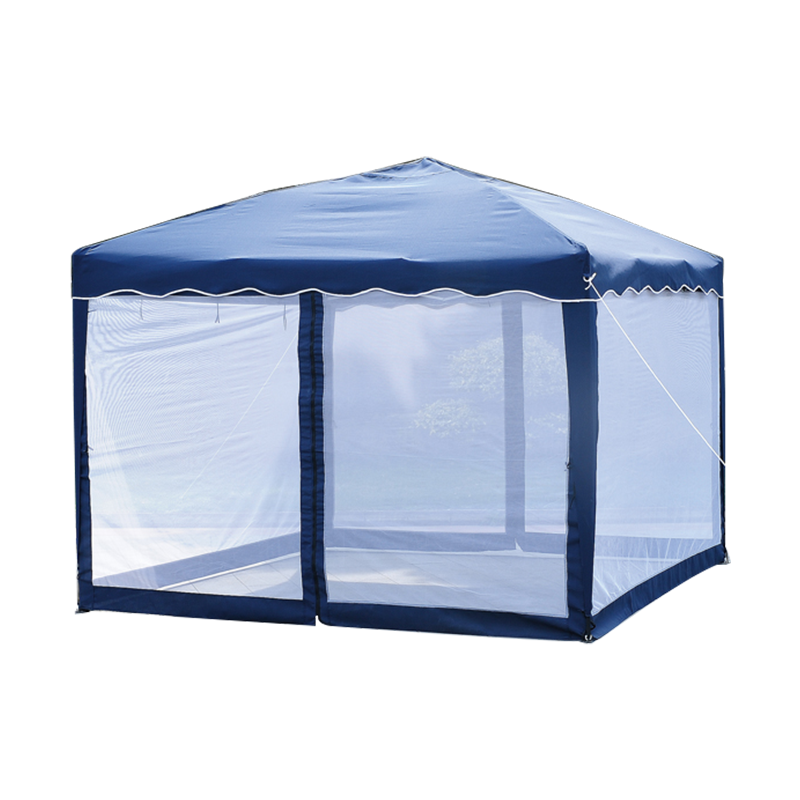
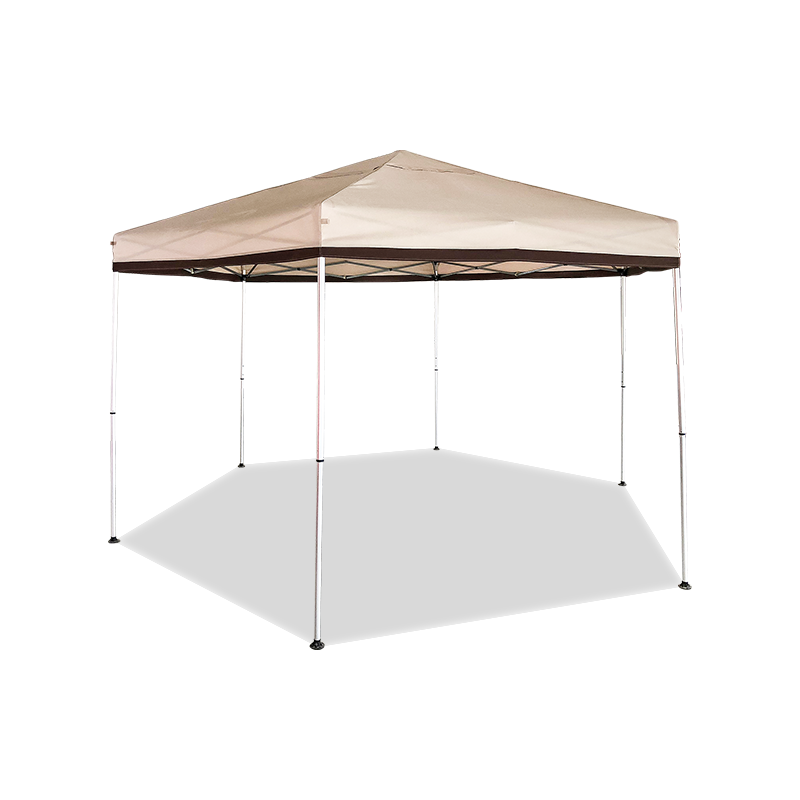
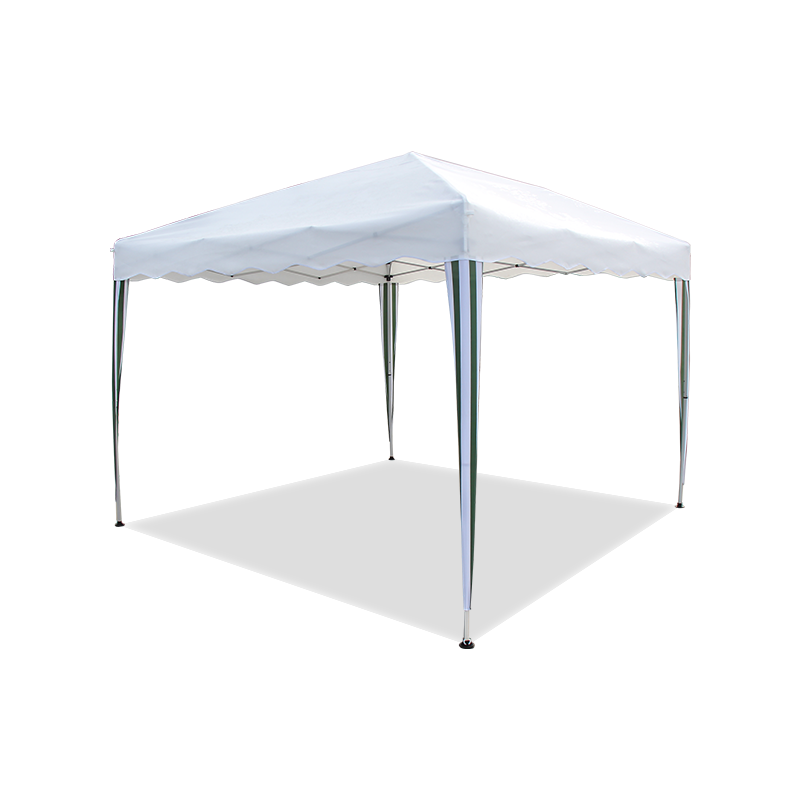
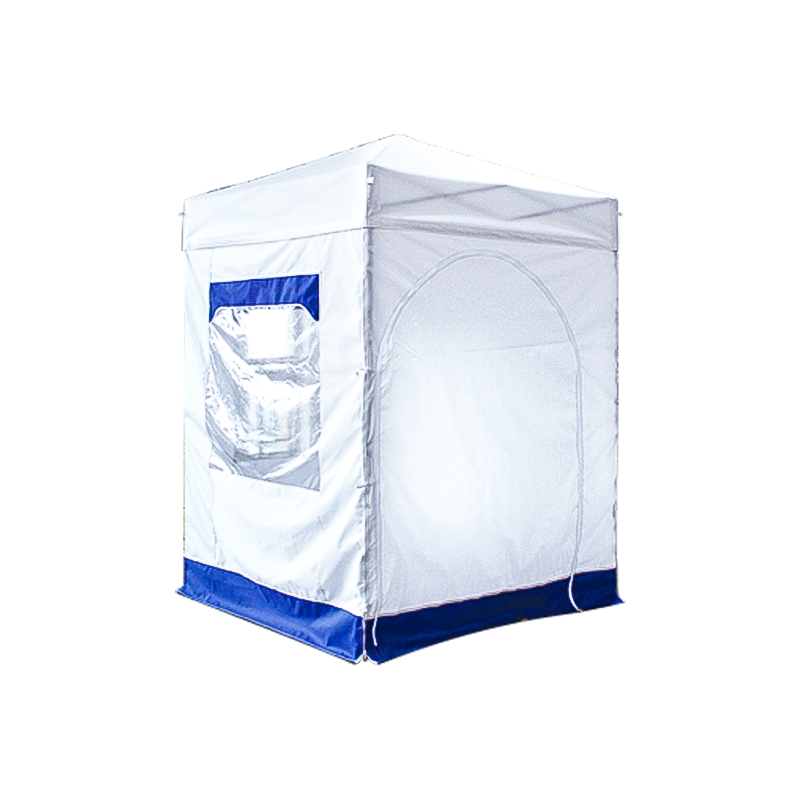
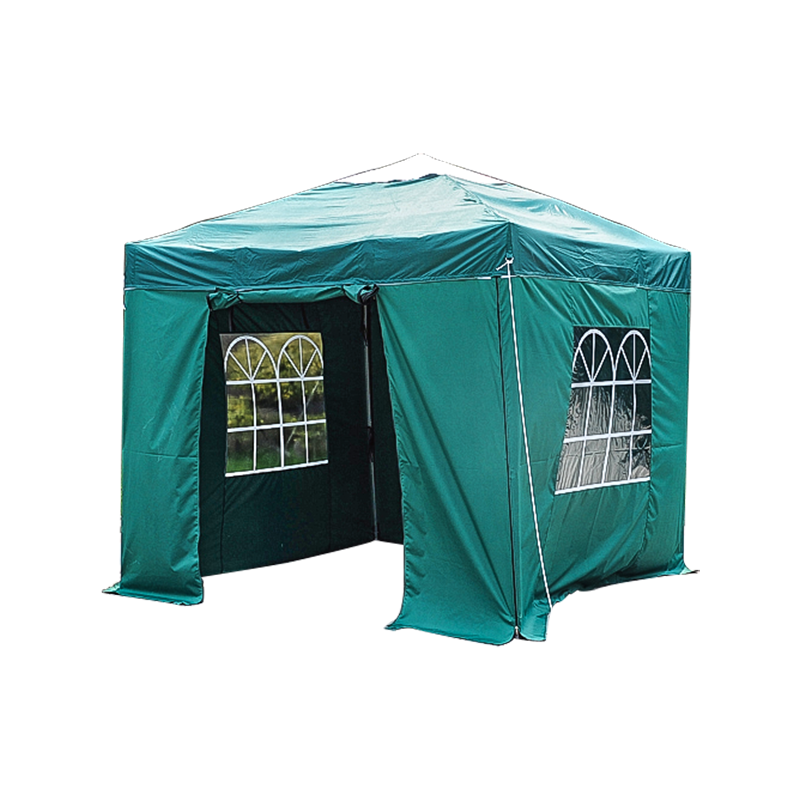
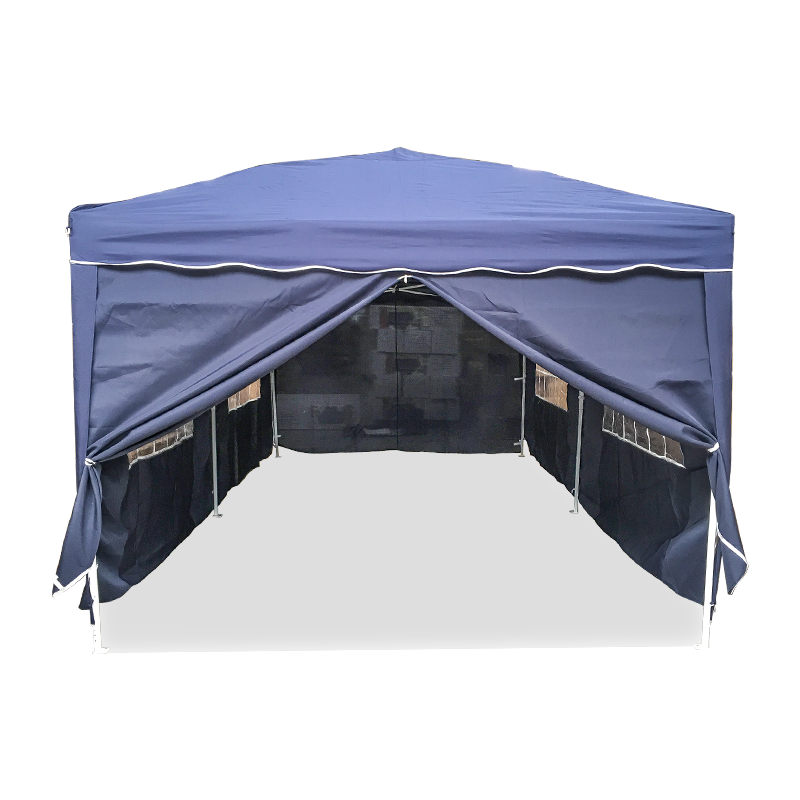
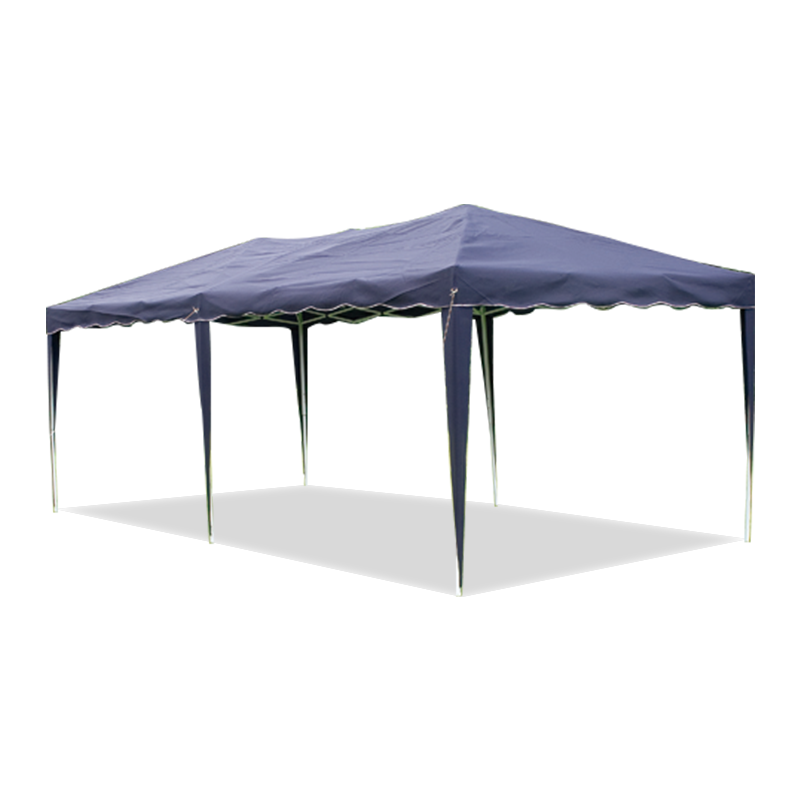
| Outdoor / Events | A portable fabric shelter for markets or events | 10×10 ft pop-up canopy tent at a farmers market |
| Urban Design | Tree cover across a city neighborhood | Urban tree canopy coverage as a sustainability metric |
Notice how each application shares the same spatial logic: there is something above, and something below that benefits from that overhead presence. That consistent structure is why "covering" works as the one-word definition across all of them.
The Forest Canopy: What It Really Means in Ecology
In ecology, the canopy layer is one of the most studied and ecologically significant zones on the planet. It refers specifically to the uppermost continuous layer of vegetation formed by the crowns of the tallest trees. In a tropical rainforest, this layer typically sits between 25 and 45 meters above the ground, though emergent trees can push above 60 meters.
The forest canopy intercepts sunlight before it reaches the forest floor, which fundamentally controls temperature, humidity, and what can survive below. Studies estimate that the canopy absorbs or reflects roughly 70 to 90 percent of available sunlight, creating the cool, shaded understory that characterizes mature forests. This is not simply shade — it is an active ecological regulation system.
Layers Within a Forest
The canopy is one of four or five recognized vertical layers in a mature forest ecosystem:
- Emergent layer — scattered tall trees that rise above the main canopy
- Canopy layer — the continuous ceiling of treetops; the primary photosynthesis zone
- Understory — shorter trees and large shrubs adapted to lower light
- Shrub layer — dense low vegetation
- Forest floor — ground level, typically dim and covered with decomposing organic matter
The canopy supports a disproportionate share of biodiversity. Researchers estimate that more than 50 percent of all terrestrial species live in or depend on the forest canopy, including insects, birds, reptiles, mammals, and epiphytic plants. The structure of the canopy — how dense it is, how much it closes over gaps, and how it changes seasonally — determines what can live beneath it.
Canopy Cover and Climate Regulation
Foresters and ecologists measure canopy cover as a percentage — the proportion of the sky blocked when viewed from below. A closed-canopy forest might have coverage of 80 percent or higher. This matters for carbon sequestration: the Amazon basin's canopy stores an estimated 150 to 200 billion tons of carbon, making the forest canopy one of the most critical climate buffers on Earth. Losing canopy cover through deforestation does not just reduce shade — it releases stored carbon and disrupts regional rainfall patterns.
Canopy in Architecture: Shelter as Design
In the built environment, a canopy is an overhead projection from a building — or a freestanding structure — that provides weather protection and often serves as a visual marker. Architectural canopies appear over building entrances, loading docks, walkways, transit stops, and outdoor seating areas. They are practical first, aesthetic second, though the best examples accomplish both.
Materials vary widely. Common options include:
- Polycarbonate panels — lightweight, UV-resistant, allows diffused natural light through
- Tempered glass — sleek and transparent, used in high-end commercial and institutional settings
- Aluminum or steel frames with fabric — flexible and cost-effective for commercial canopy structures
- ETFE (ethylene tetrafluoroethylene) cushions — used in large-span architectural canopies such as airport terminals
- Wood or bamboo — used in natural or rustic design contexts, particularly in residential pergola-style canopies
The glass canopy over the entrance of the Louvre Pyramid, the sweeping fabric canopies at Denver International Airport, and the steel-framed canopies over London's rail stations are well-known examples where the canopy is not just a functional shelter but an architectural statement. In each case, the core purpose remains the same: creating covered space between outdoors and indoors.
Practical Functions of Architectural Canopies
- Protection from rain and sun at building entrances, reducing slip hazards and water ingress
- Wayfinding — a canopy over an entrance signals "this is where you go in"
- Energy efficiency — properly designed canopies reduce solar heat gain through south- or west-facing windows, cutting cooling loads
- Outdoor extension — a patio canopy allows a space to be used in mild rain or strong sun, increasing usable square footage
- Branding — commercial canopies are often customized with colors, logos, or lighting that reinforce a business identity
The Canopy Bed: History and Modern Appeal
The canopy bed is one of the oldest applications of the canopy concept in domestic life. Originally, canopy beds were practical: heavy curtains suspended from an overhead frame kept out cold drafts in unheated medieval rooms and offered some protection from insects. The frame, known as a tester, held fabric that could be drawn closed on all sides, turning the bed into a small, insulated room within a room.
By the Renaissance and Baroque periods, canopy beds had become enormous status symbols. The size of the canopy, the richness of the fabric, and the elaborateness of the woodwork all communicated wealth and rank. Royal beds featured canopies extending to the ceiling, embroidered with gold thread and topped with carved wooden finials. Some beds required multiple steps to climb into.
In contemporary interiors, the canopy bed has shed most of its practical purpose and survives as a design element. Modern versions range from minimalist steel four-poster frames with a simple draped sheer fabric to ornate wooden structures with carved posts. They add visual height to a bedroom, create a sense of intimacy and enclosure, and — particularly in large rooms with high ceilings — provide a visual focal point that anchors the space. Interior designers often recommend canopy beds for rooms with ceilings above 9 or 10 feet, where the vertical element helps fill the space proportionally.
Aircraft Canopy: A Specialized Engineering Application
In aviation, the aircraft canopy is the transparent enclosure over the cockpit. The term is most commonly associated with military fighters, training aircraft, and gliders, though the concept applies to any aircraft with a bubble or framed enclosure over the pilot's seat. The canopy serves several simultaneous functions: it provides a sealed, pressurized environment at altitude, protects the pilot from wind blast and debris, and allows 360-degree visibility that is critical in combat or precision flying.
Materials used in aircraft canopies have evolved significantly. Early designs used flat laminated glass, which limited visibility and added weight. Postwar aircraft introduced blown acrylic (plexiglass) canopies — the familiar bubble shape that dramatically improved the pilot's field of view. Modern canopies are made from stretched acrylic or polycarbonate, sometimes incorporating embedded heating elements to prevent fogging, and treated with coatings to reduce radar cross-section. Some canopies on advanced fighters like the F-22 use a gold film coating that both deflects radar and reduces cockpit glare.
The ejection seat system on military aircraft is designed to work in coordination with the canopy. Either the canopy is jettisoned first (canopy-then-seat sequence), or specialized systems allow the seat to punch through the canopy. The Martin-Baker ejection seat, used on hundreds of aircraft types, has saved more than 7,500 lives as of recent records — a figure that depends in part on the canopy jettison mechanism working reliably under extreme conditions.
Parachute Canopy: The Science of Slowing Down
A parachute canopy is the fabric surface that generates drag to slow a person or object descending through the air. The word "canopy" here is precise — it refers only to the fabric dome or wing, not the lines, container, or harness. In skydiving, the canopy is the piece of equipment most directly responsible for whether the jump ends safely.
Modern sport parachute canopies are almost exclusively ram-air designs — rectangular or elliptical wings with two fabric layers separated by cells that inflate with air through front openings. When inflated, a ram-air canopy behaves like a gliding wing with a lift-to-drag ratio of around 3:1 to 5:1, meaning it can travel forward several meters for every meter of altitude lost. This allows the skydiver to navigate toward a landing zone rather than falling straight down.
Canopy size matters in parachuting. It is measured in square feet and matched to the jumper's body weight. A common rule is to select a canopy with a wing loading (body weight divided by canopy area) no greater than 1 pound per square foot for newer jumpers. A more loaded, smaller canopy flies faster and requires greater skill to land safely — which is why canopy piloting competitions involving high-speed approaches are considered advanced disciplines within the sport.
Urban Tree Canopy: Why Cities Measure It
Urban tree canopy (UTC) refers to the layer of leaves, branches, and stems of trees covering the ground when viewed from above in a city or town. It is typically expressed as a percentage of total land area. Cities around the world actively measure and set targets for urban tree canopy coverage because research consistently links higher canopy levels to measurable improvements in public health, energy costs, stormwater management, and urban temperature.
The urban heat island effect — where built-up areas are significantly warmer than surrounding rural land — is directly reduced by tree canopy coverage. Studies have found that neighborhoods with 30 percent or more canopy coverage can be 3 to 7 degrees Fahrenheit cooler on hot summer days than comparable neighborhoods without tree cover. For cities in warmer climates, this is not a trivial comfort difference — it affects mortality rates during heat events and electricity demand for cooling.
What a Healthy Urban Canopy Delivers
- Temperature reduction — shading surfaces and releasing moisture through transpiration
- Stormwater management — tree canopies intercept rainfall, slowing runoff and reducing flood risk; a mature tree can intercept thousands of gallons of rainfall per year
- Air quality — canopy trees filter particulate matter, ozone, and other pollutants from the air
- Property values — research from multiple cities shows that tree canopy coverage adds measurable value to residential properties, with estimates ranging from 3 to 15 percent increases in home values
- Mental health — access to green canopy cover is associated with lower reported stress, better mood, and reduced rates of depression in urban residents
Many cities have formal urban tree canopy goals. New York City's MillionTreesNYC initiative planted over 1 million trees. Melbourne, Australia targets 40 percent canopy coverage citywide. Atlanta, Georgia — sometimes called the "City in a Forest" — already exceeds 48 percent canopy cover in some neighborhoods. These programs treat the tree canopy not as landscaping but as infrastructure, with measurable return on investment.
Canopy Synonyms and Related Words
Because canopy appears in so many contexts, its synonyms shift depending on the application. Understanding related words helps clarify meaning and gives writers and researchers more precise vocabulary.
| Canopy Synonym / Related Word | Best Used In | Nuance |
|---|---|---|
| Covering | General, all contexts | The broadest and most accurate one-word equivalent |
| Awning | Commercial, residential exteriors | Usually retractable; attached to a wall; fabric-based |
| Shade | Outdoor, horticulture, casual | Refers to the effect more than the structure |
| Overhang | Architecture, construction | Structural projection from a wall or roof |
| Baldachin | Religious, ceremonial | A fabric or stone canopy over an altar or throne |
| Tester | Furniture / bed frames | The flat overhead frame on a canopy or four-poster bed |
| Vault | Architecture, poetry | An arched overhead structure; also used metaphorically ("vault of the sky") |
| Pergola | Garden, landscape design | An open framework overhead structure, often with climbing plants |
None of these words replaces canopy exactly. Each carries a slightly different connotation tied to its typical use. But knowing them helps you recognize when canopy is the most precise term and when another word fits better.
Canopy Tours and Ziplines: The Ecotourism Use
The canopy tour is an ecotourism activity where participants travel through the forest canopy using ziplines, suspension bridges, and platforms suspended in the treetops. The term originated in Costa Rica in the 1990s, where biologist Donald Perry built rope walkways to study canopy wildlife, and entrepreneurs soon adapted the idea for tourist access.
Costa Rica remains the most famous destination for canopy tours, with operations in areas like Monteverde, Arenal, and Manuel Antonio. A typical canopy zipline course involves multiple platforms anchored in large trees, with cables connecting them across gaps ranging from 50 meters to more than 750 meters in length on some commercial courses. Participants can reach speeds of 60 to 80 kilometers per hour.
The appeal of canopy tours is not purely adrenaline. They offer a genuinely different perspective on forest ecology — from above, looking down at the forest floor and out across the canopy layer, rather than looking up from the ground. Guided tours incorporate education about canopy species, the epiphytic plants clinging to branches, and the wildlife that never descends to ground level. This dual function — adventure and ecological awareness — is what separates a canopy tour from a simple zipline park.
Choosing the Right Canopy for Outdoor Use
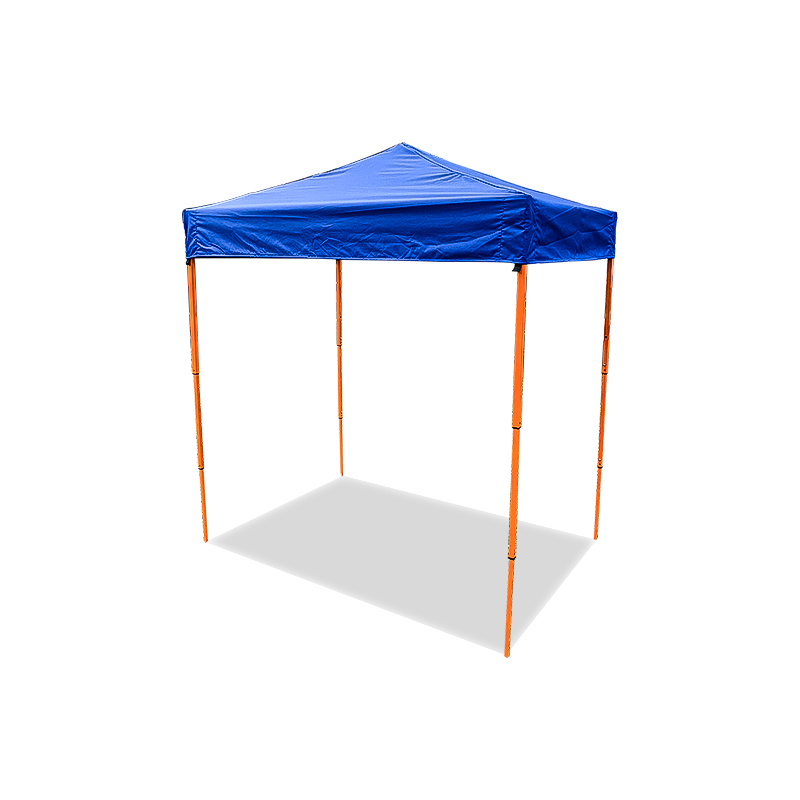
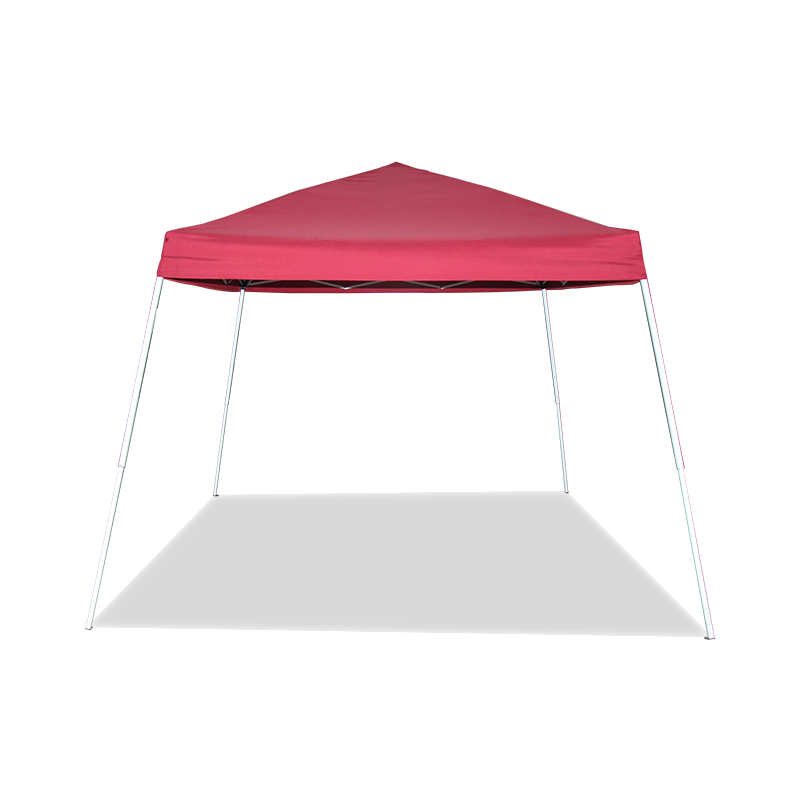
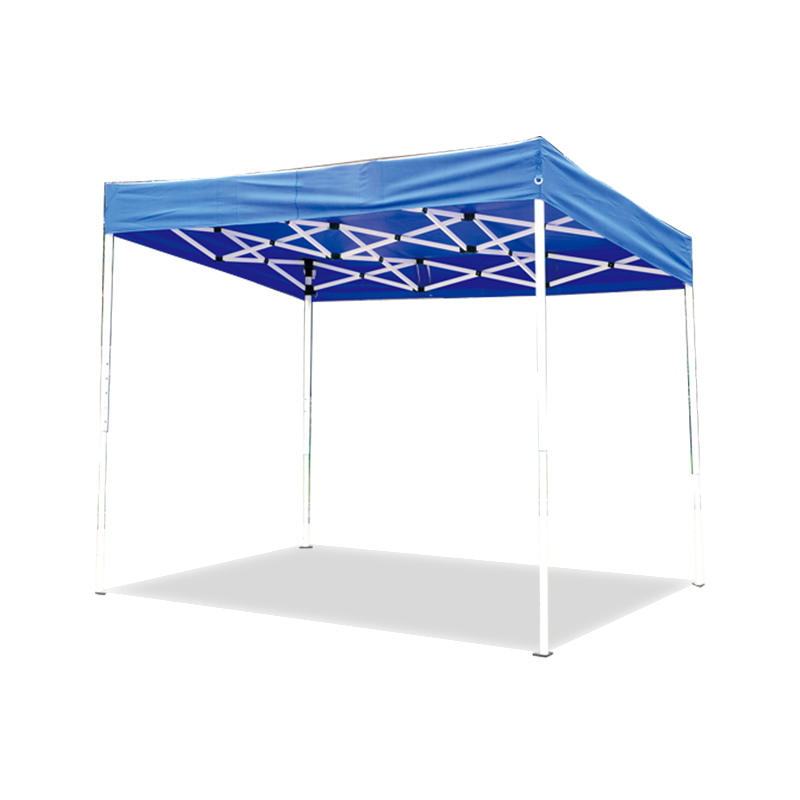
If you are shopping for a canopy in the everyday product sense — a pop-up shelter for a market stall, backyard party, or sporting event — the choices can feel overwhelming. Here is what to actually pay attention to.
Frame Material
Steel frames are heavier and more stable in wind but heavier to carry and prone to rust if the coating is damaged. Aluminum frames weigh less and resist corrosion but flex more in strong wind. For occasional use at calm-weather events, aluminum is fine. For regular outdoor market or festival use in variable weather, a reinforced steel or hex-steel frame with proper anchoring is more reliable.
Canopy Fabric
Look for polyester with a denier rating of 150D or higher for durability. A UPF (Ultraviolet Protection Factor) rating of 50+ blocks more than 98 percent of UV radiation. Water resistance is not the same as waterproofing — most entry-level canopies are water-resistant, meaning they handle light rain, while proper waterproof canopies have sealed seams and higher coating weights. If you regularly need rain protection, confirm the seam construction, not just the fabric rating.
Size and Footprint
The standard sizes for commercial pop-up canopies are 10×10 ft, 10×15 ft, and 10×20 ft. A 10×10 canopy covers about 100 square feet and works for a single vendor booth or small gathering. Larger sizes need proportionally stronger anchoring — sideways wind load increases substantially with canopy area, and an improperly anchored 10×20 canopy in moderate wind becomes a hazard rather than a shelter.
- Always stake or weight down canopy legs — even on calm days, gusts can invert or tip an unsecured structure
- Check that the height adjustment locks positively — slipping legs are a common failure point on budget models
- Look for reinforced corners and welded (not crimped) joints in the frame for longevity
- Storage size matters — a compact carry bag with wheels makes transport significantly easier for solo setup
The Metaphorical Use of Canopy
Writers and poets have long used canopy as a metaphor for any overhead expanse that feels protective or enveloping. Shakespeare used it in Hamlet — "this most excellent canopy, the air" — to describe the sky above as an overhead shelter. The image works precisely because canopy implies not just space but a covering that encloses and shelters what lies beneath.
In religious and ceremonial contexts, the canopy appears as a symbol of divine covering or royal authority. The Jewish chuppah (marriage canopy), the Catholic baldachin over an altar, and the ceremonial umbrella used in South and Southeast Asian royal traditions all use the physical overhead structure as a representation of sacred or elevated status. The object says: whoever stands beneath this is protected, honored, or set apart.
This metaphorical dimension adds richness to the word. When an ecologist speaks of the forest canopy, or an architect designs an entrance canopy, they are — perhaps without realizing it — participating in a very old human tradition of naming and valuing things that cover and protect from above. The word carries that history in it, which is part of what makes it more evocative than a more clinical synonym like "overhead structure" or "shading element."
So when the question is: what is the meaning of canopy in one word? — "covering" is technically correct. But the full meaning of canopy pulls in protection, shelter, authority, ecology, engineering, and poetry all at once. The one word is the answer. The rest is everything else the word carries with it.