English
 Español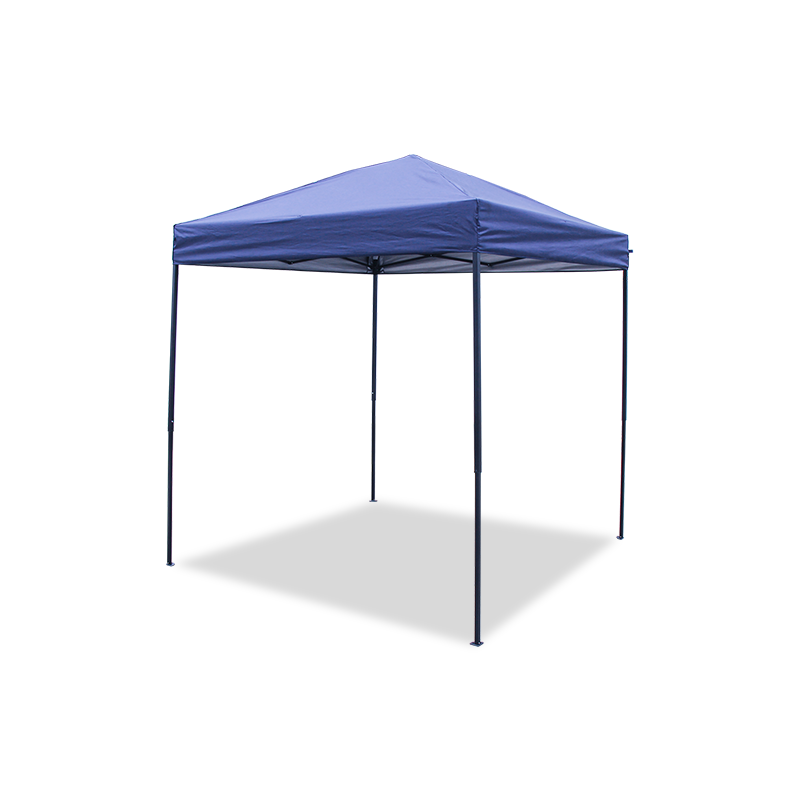
Customer expresses intent; Communicate between the two parties; Provide analysis reports to customers; Reach a cooperation intention.
Content
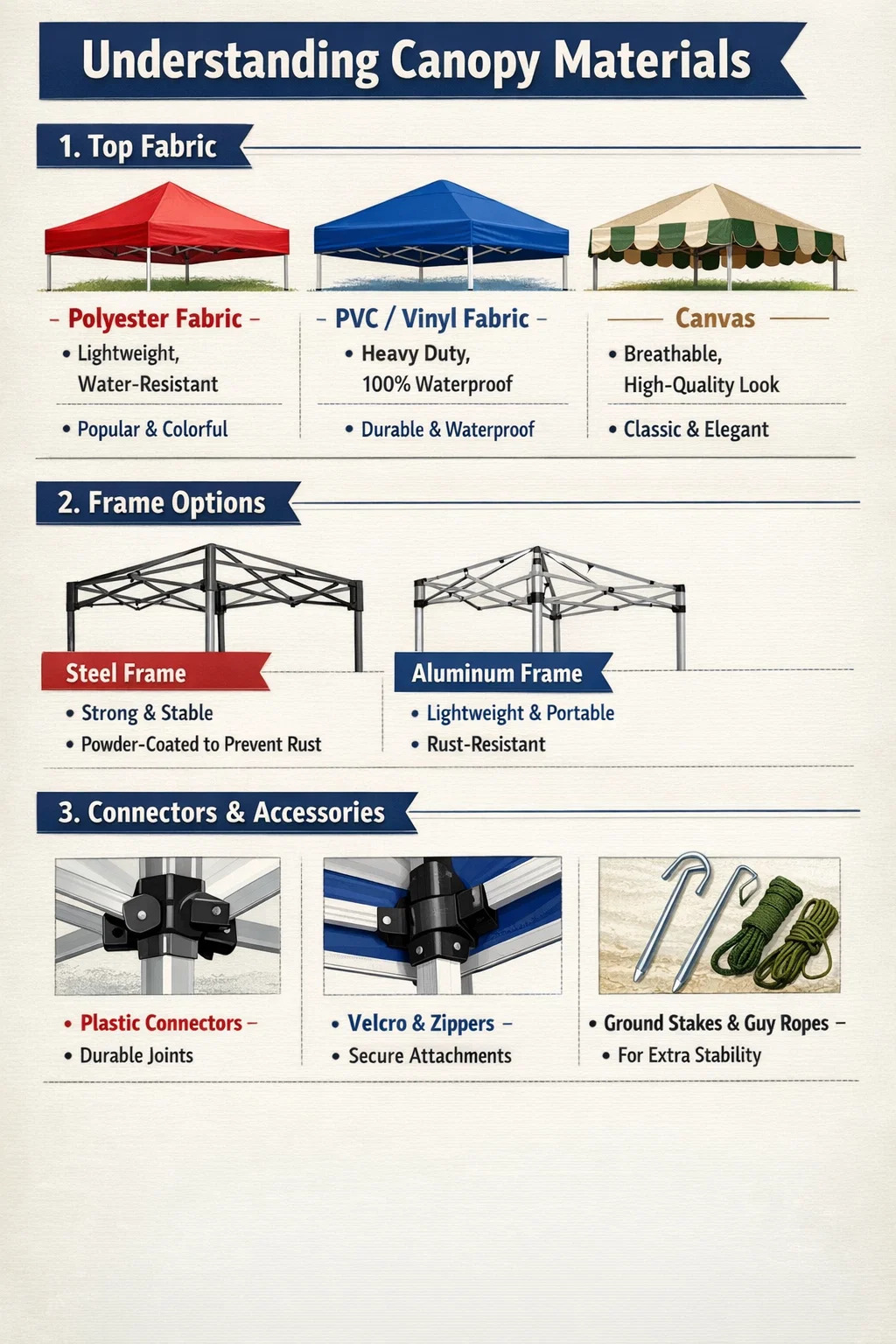
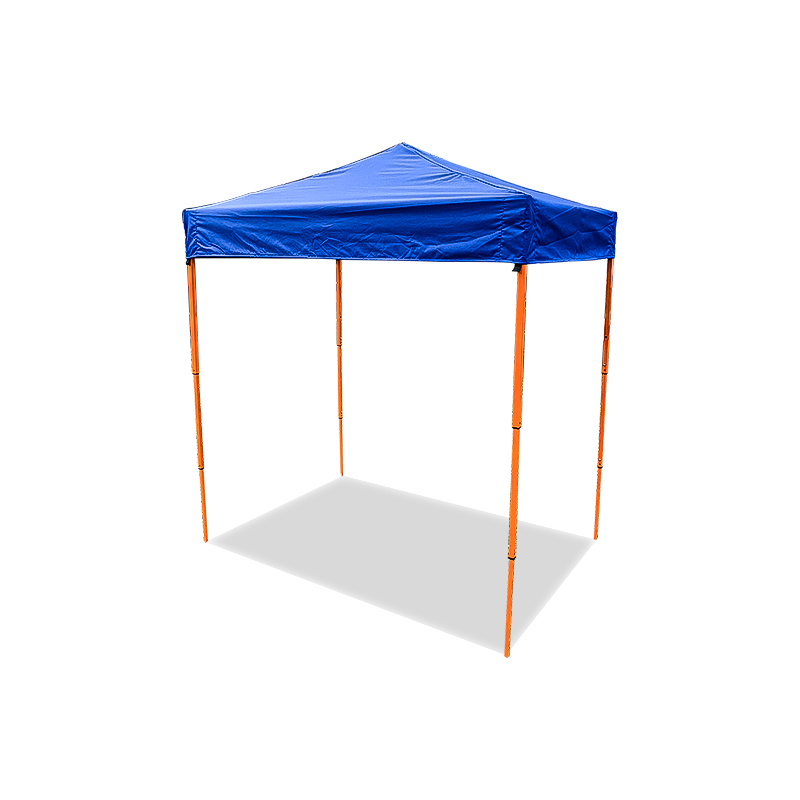
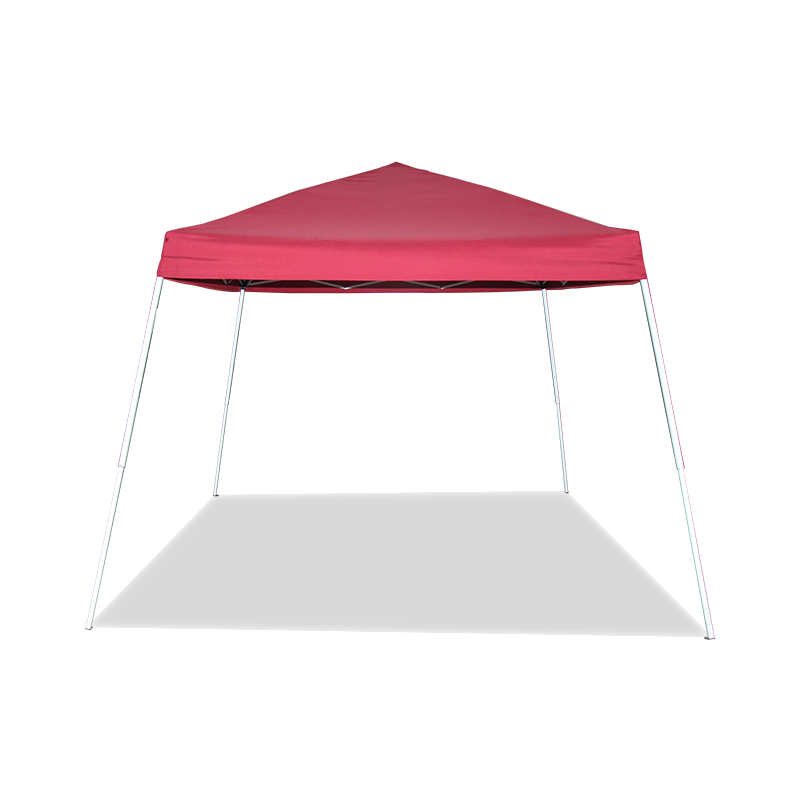
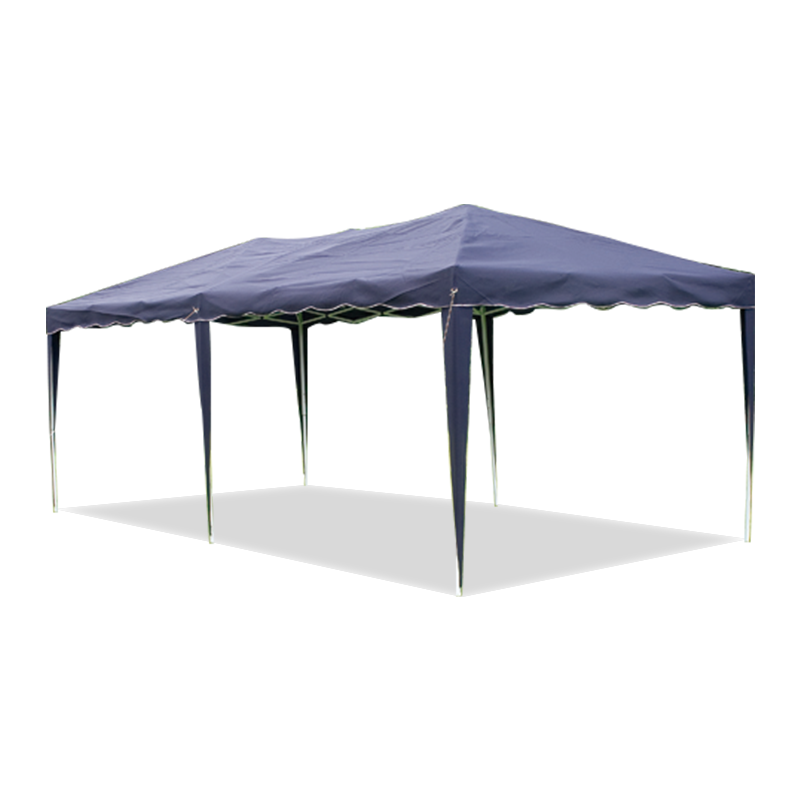
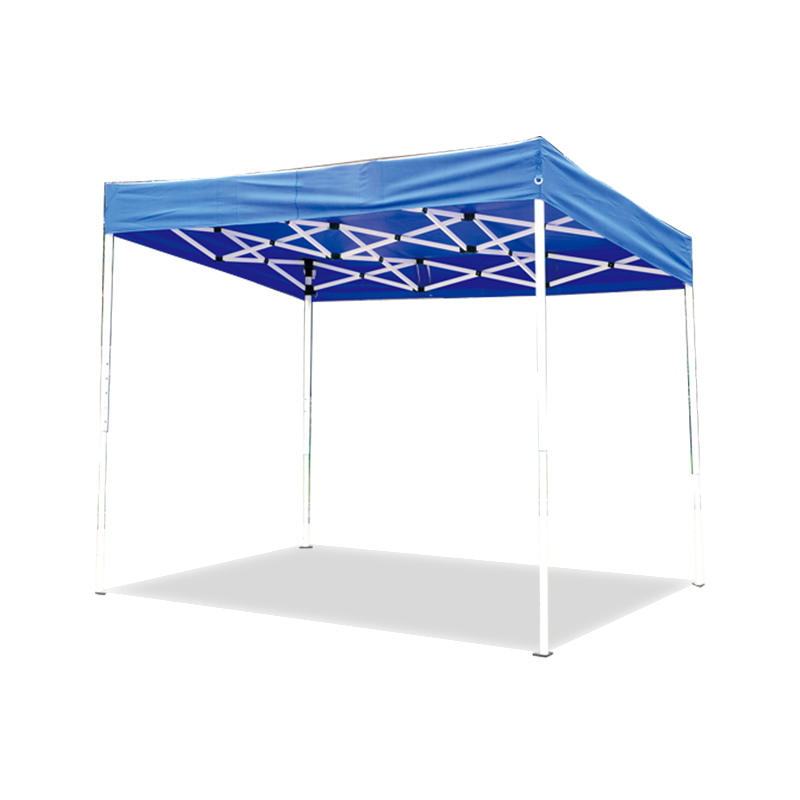
The materials used to make canopies are actually similar to those used for clothing; some prioritize durability, while others prioritize lightness and portability. A complete canopy mainly consists of two parts: the "fabric" on top and the "frame" underneath.
1. Top Fabric (the layer that provides shade and protection from rain)
This material determines whether it provides sun protection or rain protection.
Polyester fabric:
This is the most common material on the market. Its biggest advantages are that it's lightweight, easy to fold, and comes in many colors. The colorful canopies you see in parks are mostly made of this material. To make them waterproof and sun-resistant, manufacturers usually coat the inside of the fabric with a layer of silver powder or transparent glue.
Coated plastic fabric (PVC/Vinyl):
This material feels thick, somewhat like the tarpaulin used to cover truck beds. It's very strong, and its waterproof performance is excellent; rainwater basically cannot penetrate it. Although a bit heavy, it's very durable and suitable for canopies that are permanently set up outdoors and not intended to be taken down.
Canvas:
This is a more traditional and heavy material. It's more breathable than plastic fabric, so it doesn't feel stuffy when you're under it in the summer, and it has a high-quality look and feel. It's often used in outdoor restaurants or high-end courtyards.
2. Frame (the supporting "bones")
The stability of the frame depends entirely on these metal materials:
Steel:
This is the most stable option. Steel tube frames are heavy and stand firmly on the ground, not easily blown over by the wind. To prevent rust, the surface of the steel tubes is usually coated with paint. As long as this paint doesn't peel off, it can last a long time.
Aluminum alloy:
This material is most popular with people who frequently go outdoors. Its biggest advantage is that it's lightweight; one person can easily carry it, and it's naturally water-resistant, so there's no need to worry about rust. However, it's not as strong as steel and needs extra securing in strong winds.
3. Connectors and Small Parts
Don't underestimate these inconspicuous parts; they are also crucial:
Plastic connectors:
Many folding canopies use high-strength plastic at the joints. This design makes opening and closing smoother. Velcro or zippers: Used to secure the canopy fabric to the frame, or to connect multiple fabric panels together.
Ground stakes and guy ropes:
Although not part of the main structure, they are essential. They are usually made of steel wire or strong nylon rope and are used to securely anchor the entire canopy to the ground.