
 English
 Español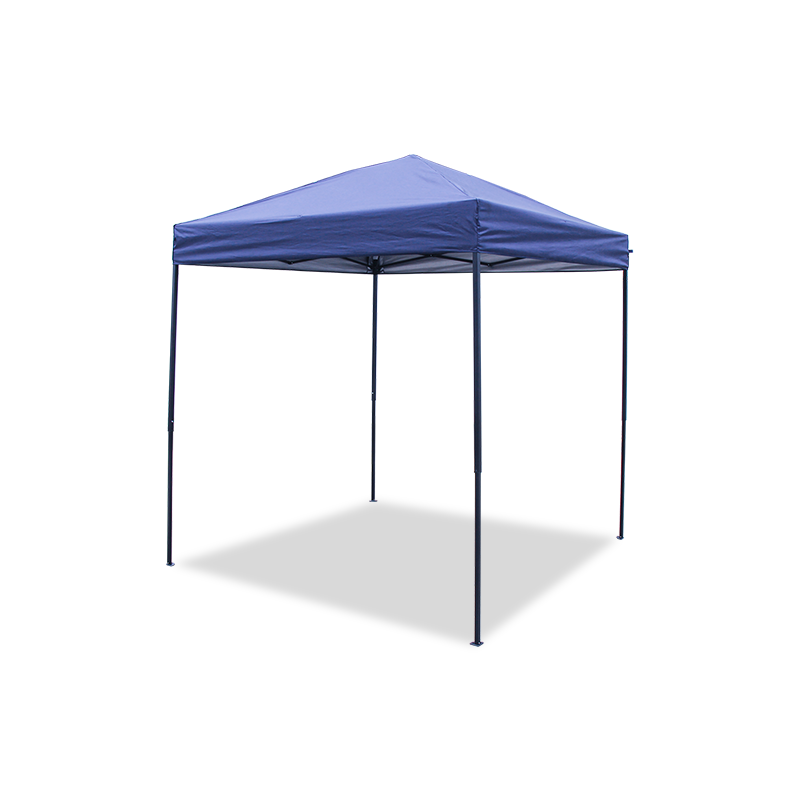
Customer expresses intent; Communicate between the two parties; Provide analysis reports to customers; Reach a cooperation intention.
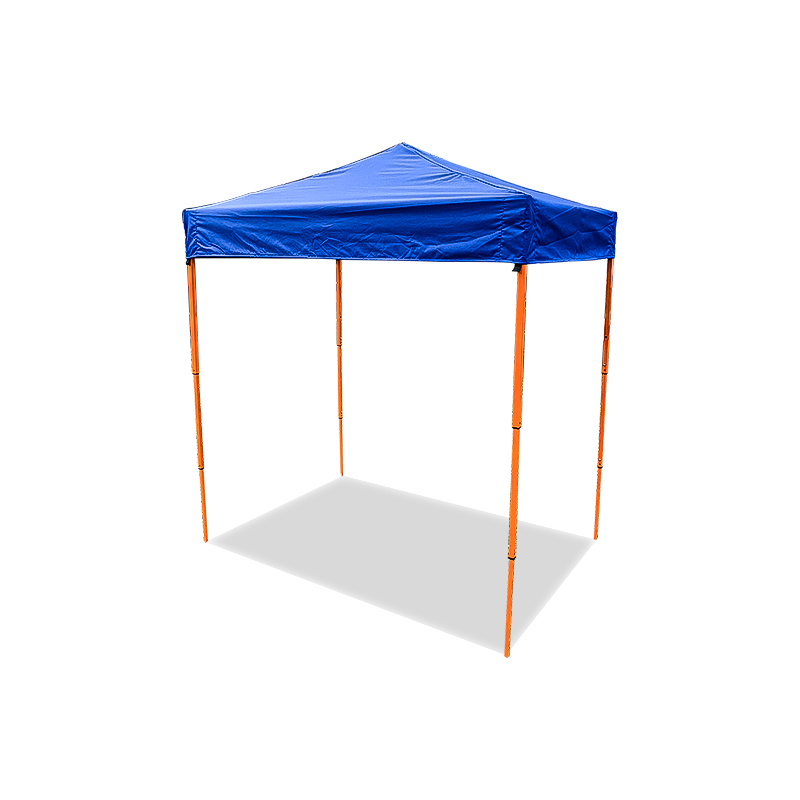
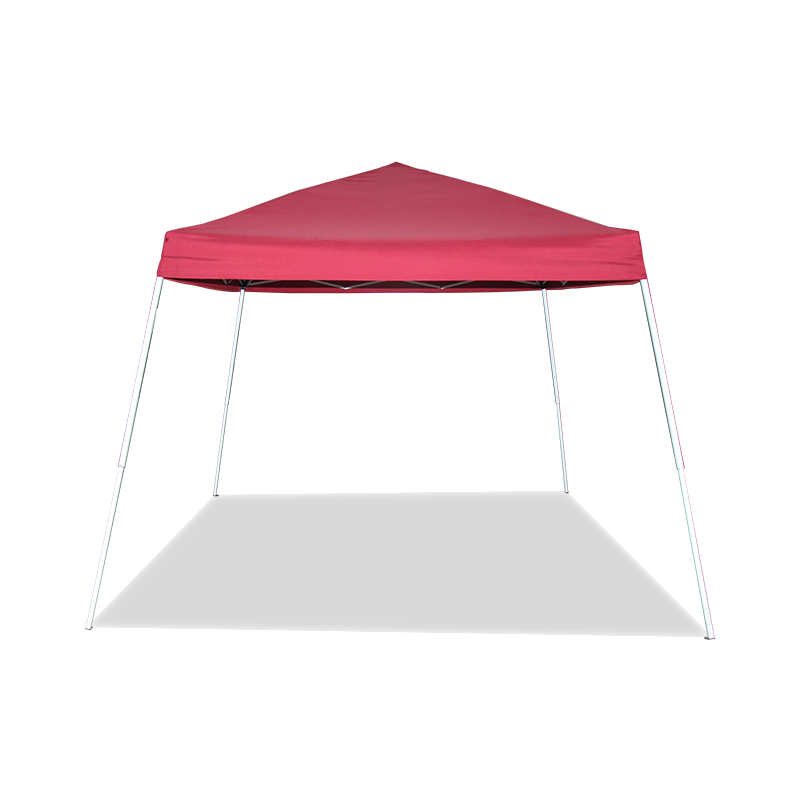
The frequency of use and portability directly determine the "service life" and "user experience" of outdoor portable gazebo. Choosing the right one can exhaust people or empty their wallets. Specifically, look at it this way:
1. High frequency of use (weekly or intensive activities):
The material must be durable: the tarpaulin should be thick and wear-resistant, able to withstand repeated folding, exposure to wind, sun, and rain. The bracket (especially at the joint connection) should be sturdy enough not to deform or loosen after a few uses. Accessories such as ground nails and straps must also withstand frequent insertion, extraction, and pulling.
Structural priority stability: For things that are often assembled and disassembled, the structural design should be reasonable and the stress points should be solid. Don't try to buy fancy but fragile styles at a low price, otherwise the repair time will be longer than the usage time.
Maintenance should not be too complicated: choose fabrics that are resistant to dirt and easy to wipe and clean. Design to avoid too many corners hiding dirt or accumulated water. The key is to be worry free and effortless.
High installation/storage efficiency: Avoid styles that require complicated steps and multiple people's cooperation to assemble when frequently used. Quick opening (easy to open with a flick) or simpler structure with clear steps are more practical. Storage should also be convenient and fast.
2. Low frequency of use (occasionally used, such as traveling several times in a quarter):
Lightweight and flexible are the key: light weight and small storage volume are important, making it easy to fit into the trunk or corners of the storage room. Don't let the equipment itself become a burden for travel.
As long as it's sufficient, there's no need to overly pursue top-level configurations: meeting basic sun and rain protection needs is enough, without having to spend a lot of money on the highest quality fabrics or thickest brackets. Spend money on the blade.
Attention should be paid to moisture and mold prevention after storage: it is necessary to thoroughly air dry before long-term storage. It is best to have a certain degree of breathability in the storage bag to avoid getting moldy and smelly inside, which may cause a strong odor when opened next time.
3. Portability is a hard indicator (often moving, camping, setting up stalls):
Weight is a mortal enemy: Does carrying it for hundreds of meters make your arms sore? Absolutely not! The material of the bracket (such as aluminum being much lighter than steel) and the overall weight must be strictly controlled. Girls who can easily move it are considered qualified.
The smaller the packaging volume, the better: the length, width, and height after storage directly affect whether it can be stuffed into the car, stored in the luggage compartment, or hung on a backpack. Try to choose styles that can be compressed into a flat and elongated shape.
Quick opening/quick setup is a must-have: outdoor weather changes quickly, or when arriving at the campsite and wanting to rest quickly, it is very important to install it by hand within a few minutes. Complex assembly can drive people crazy in portable scenarios.
Single person operation must be smooth: the design should consider that one person can also complete the construction and storage relatively smoothly, without the need for additional helpers (especially when manpower is tight).
4. Low portability requirements (such as fixed storage in one's own yard):
Higher weight for stability and durability: Since it is not easy to move, you can sacrifice some weight and storage volume in exchange for thicker brackets, thicker (and more durable) tarpaulins, and more stable wind resistant structures.
A slightly more complex installation process is acceptable: if stability is significantly improved, it is worth spending more time installing (such as using screws to reinforce components), as once installed, it will not move.
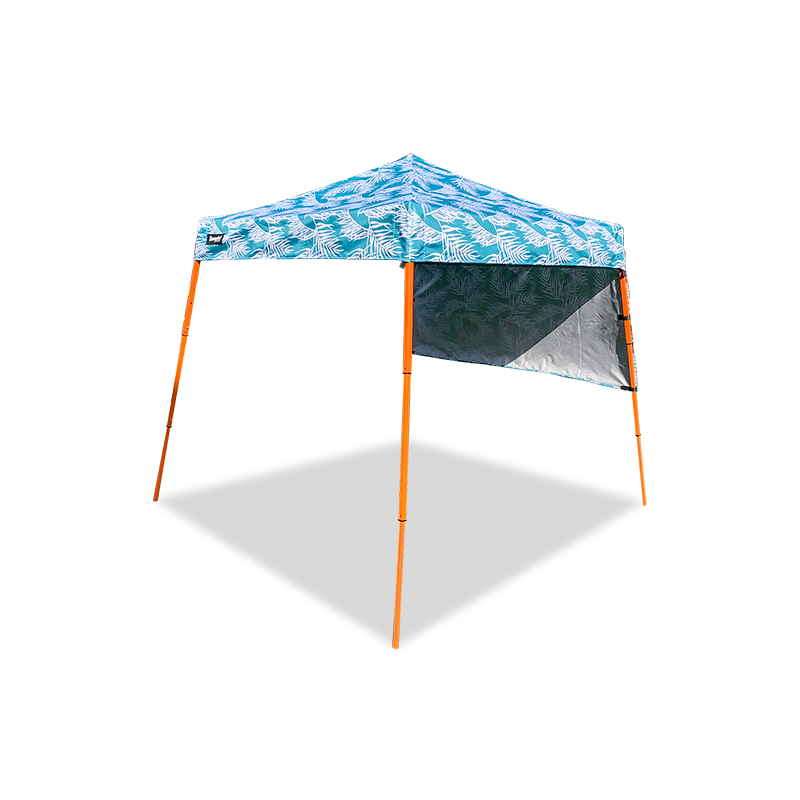
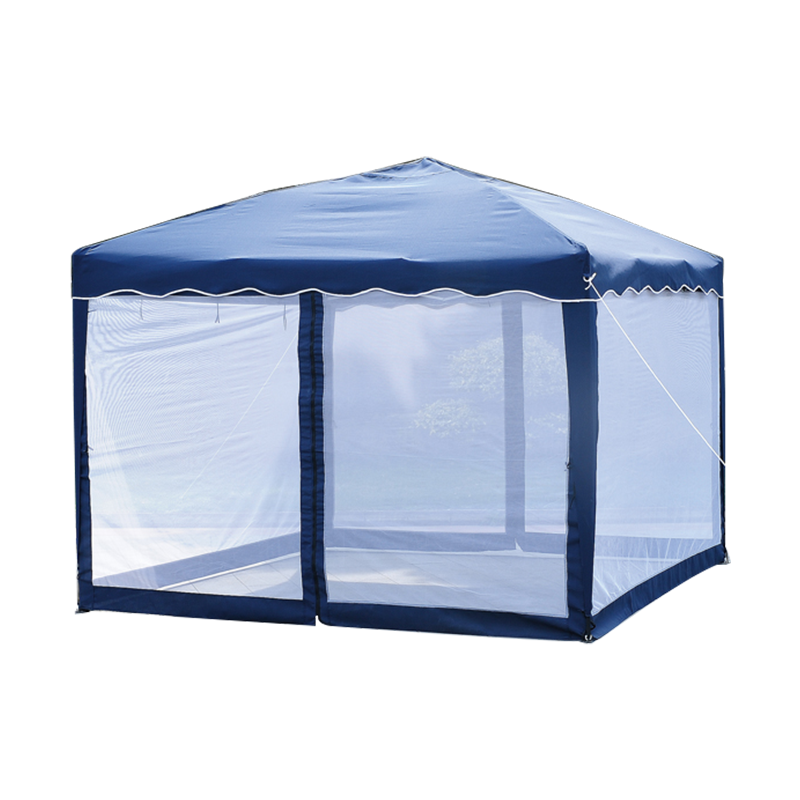
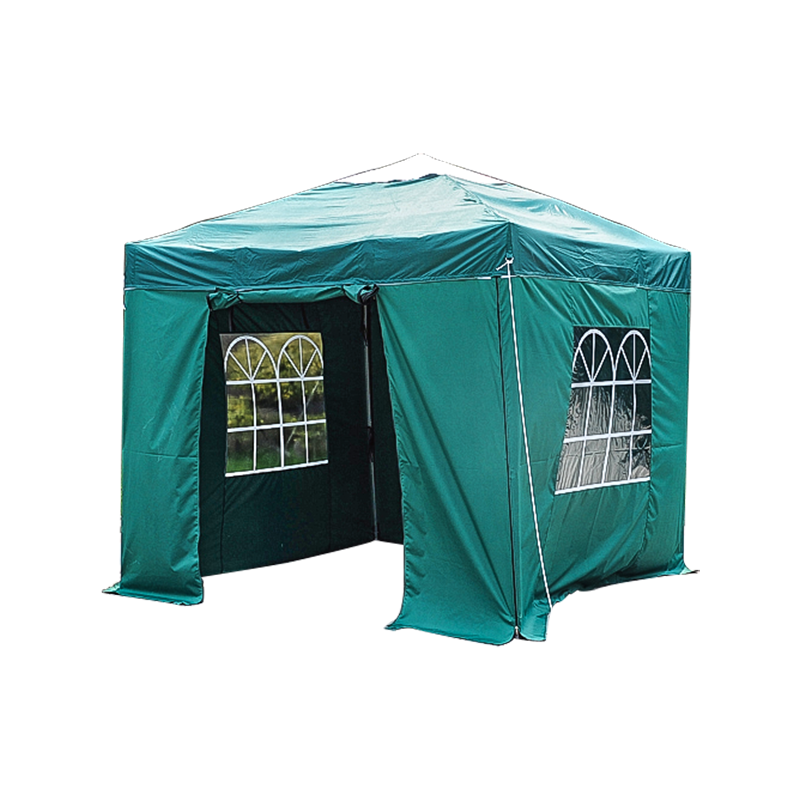
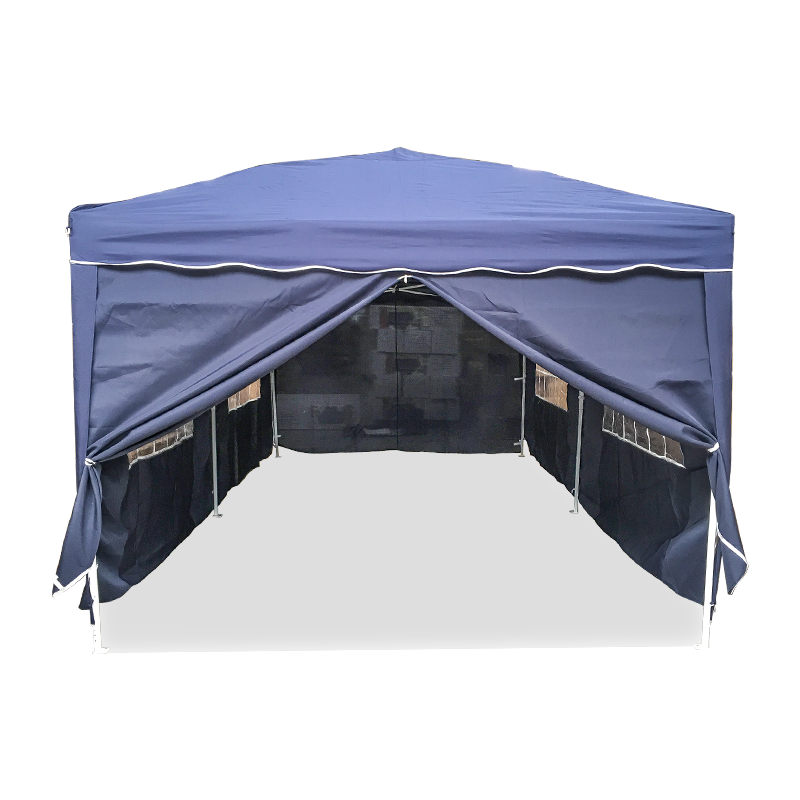
Comfort features can be considered in multiple ways, such as designs with mosquito nets and adjustable side curtains to enhance long-term comfort.
| Factor | High Usage Frequency (Weekly/Dense Events) | Low Usage Frequency (Occasional/Seasonal) |
| Core Focus | Durability & Convenience | Cost-Effectiveness & Storage |
| Materials | Heavy-duty, abrasion-resistant fabric; reinforced stress points; robust fittings/pegs | Standard fabric adequate for purpose; basic fittings sufficient |
| Frame Design | Emphasis on joint strength & structural integrity; thicker poles | Lighter poles acceptable; basic stability sufficient for calm conditions |
| Maintenance | Low-maintenance, wipe-clean surfaces; mold/mildew resistant materials | Ensure complete dryness before long-term storage to prevent damage |
| Setup/Packdown | Speed & ease critical - pop-up/instant styles preferred; intuitive process | Moderate setup time acceptable; complexity less burdensome occasionally |
| Factor | High Portability (Moving Locations Often) | Low Portability (Fixed Location) |
| Core Focus | Weight & Compactness | Stability & Comfort |
| Weight | Ultra-lightweight materials essential (e.g., premium aluminum) | Heavier, sturdier materials (e.g., steel) acceptable for added strength |
| Packed Size | Minimal packed volume crucial - long/thin shapes for transport/storage | Bulkier storage acceptable if space isn't limited |
| Setup Speed | Near-instant deployment (<5 mins solo) is critical | Longer setup time tolerable for permanent/semi-permanent installation |
| Ease of Use | Must be reliably assembled solo, even in wind/uneven ground | Multi-person assembly feasible; complex locking mechanisms acceptable |

