A Canopy Kit Is the Fastest Path to Reliable Outdoor Shelter
If you need dependable shade and rain protection for a backyard party, a market stall, a car shelter, or a corporate outdoor event, buy a complete canopy kit rather than a frame-only bundle or a loose tarp. A canopy kit pairs a rigid steel or aluminum frame with a factory-sewn fabric top, so the frame geometry, joints, and fabric tension are engineered to work together. That is the main reason a quality kit assembles in under 20 minutes and still handles wind and rain far better than a DIY tarp rig.
Before comparing prices, check five things: frame material, fabric weight, footprint size, connector type, and whether the top cloth can be replaced later. These five decisions control most of the difference between a kit that lasts one season and one that keeps working for years. This guide explains each decision with the numbers that matter, then covers assembly, customization, and maintenance so you know exactly what arrives in the box and how to get the longest service life from it.
What a Canopy Kit Includes, and What It Does Not
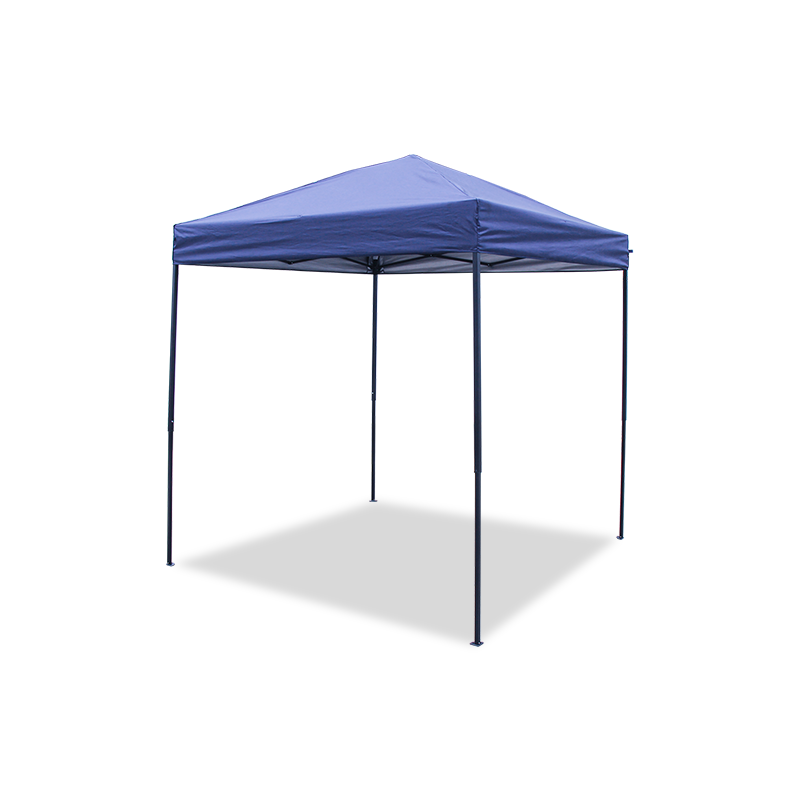
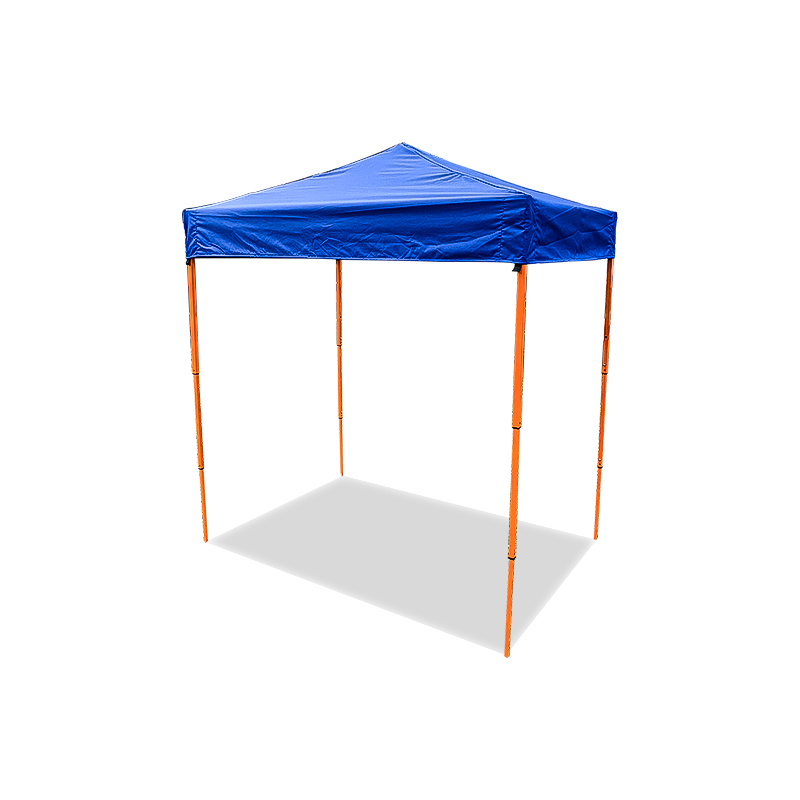
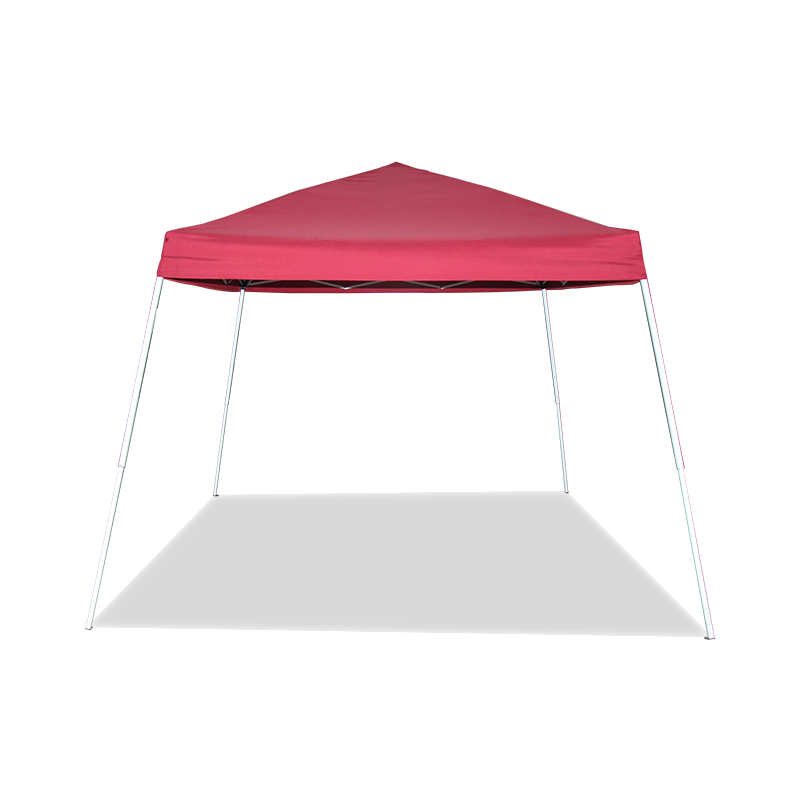
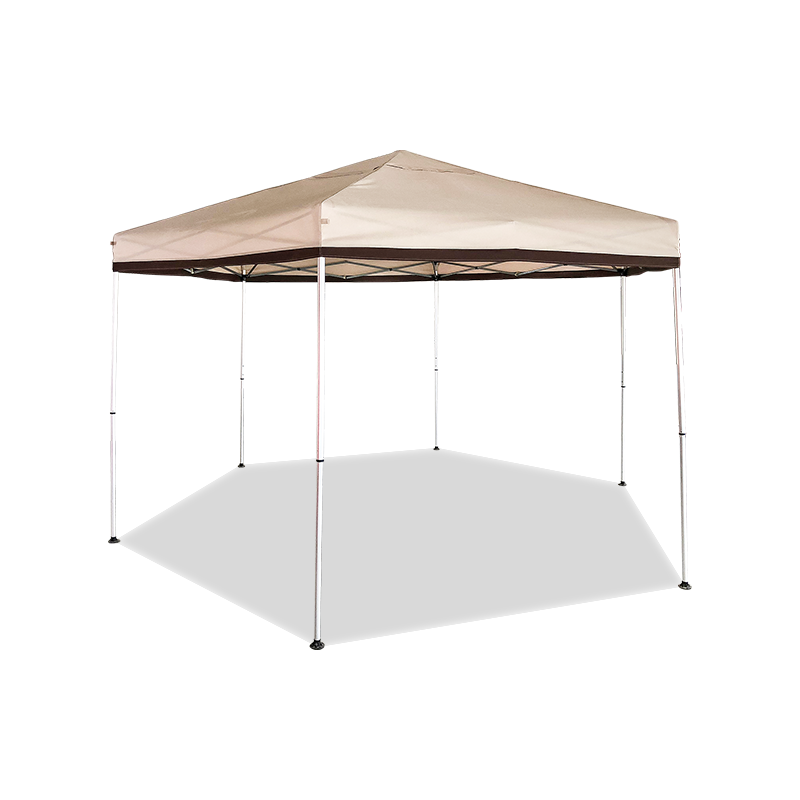
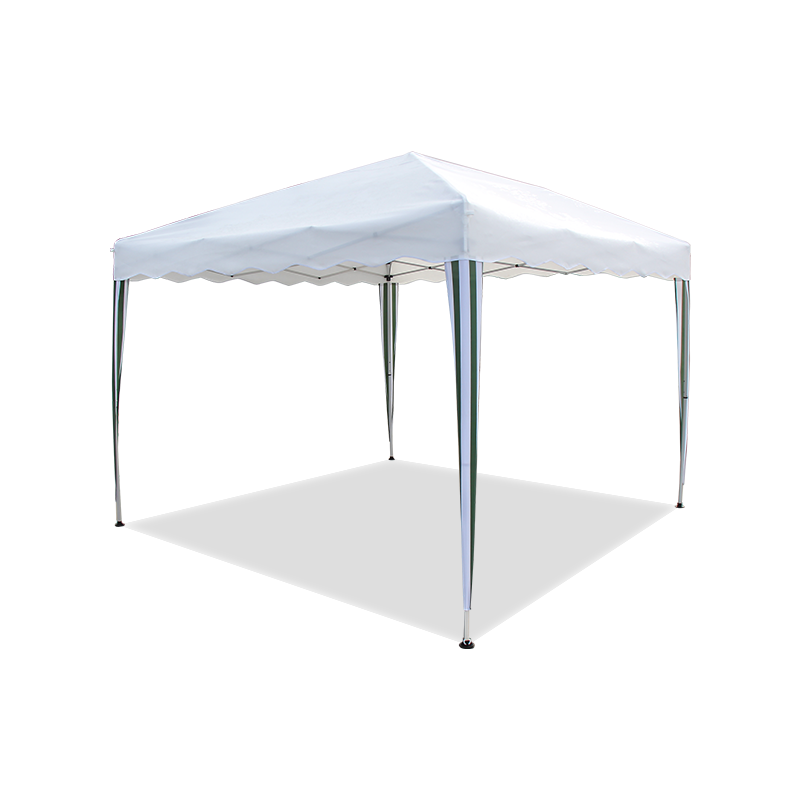
A canopy kit is a complete, ready-to-assemble shelter package. The contents vary between manufacturers, but a standard folding canopy kit includes the following components:
- Frame poles, rafters, and legs in steel or aluminum with a protective coating
- One-piece canopy top, factory-sewn with reinforced corner pockets
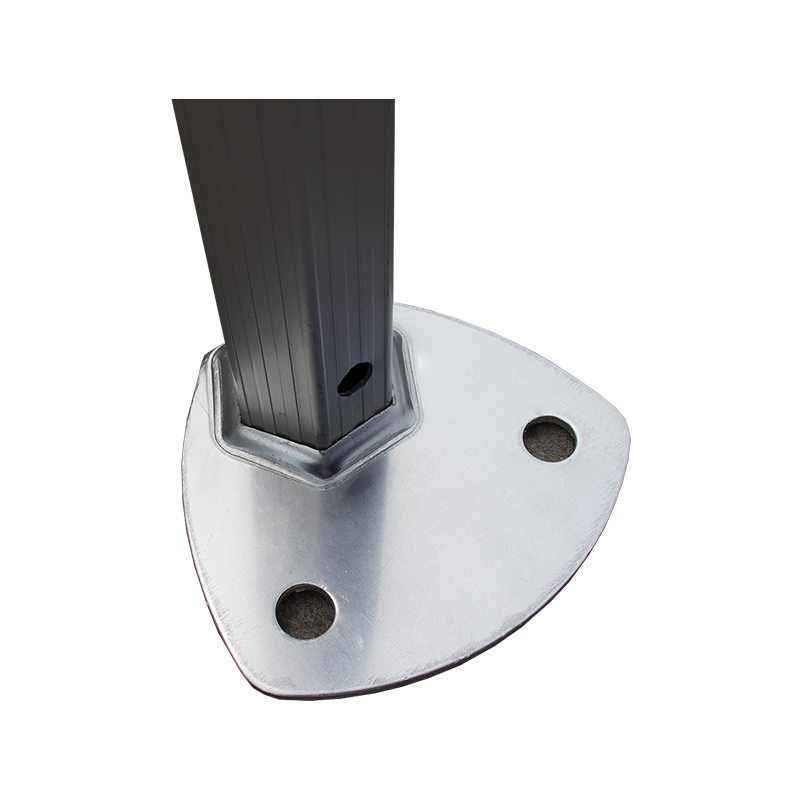
- Connectors that lock the rafters to the legs, available in aluminum or plastic with pull-ring or button release
- Wind ropes, ground stakes, and a storage or carry bag
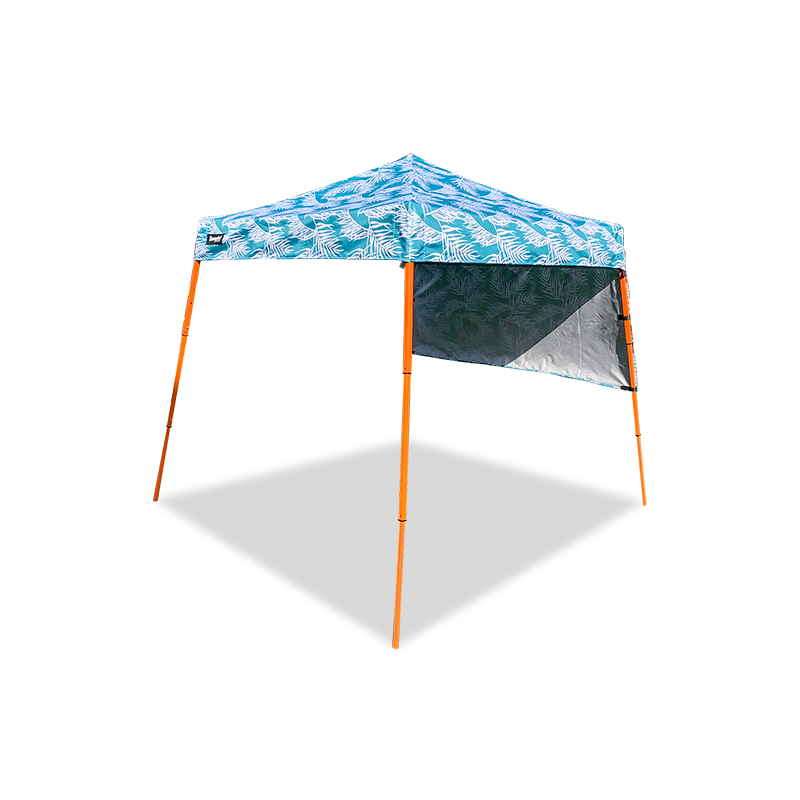
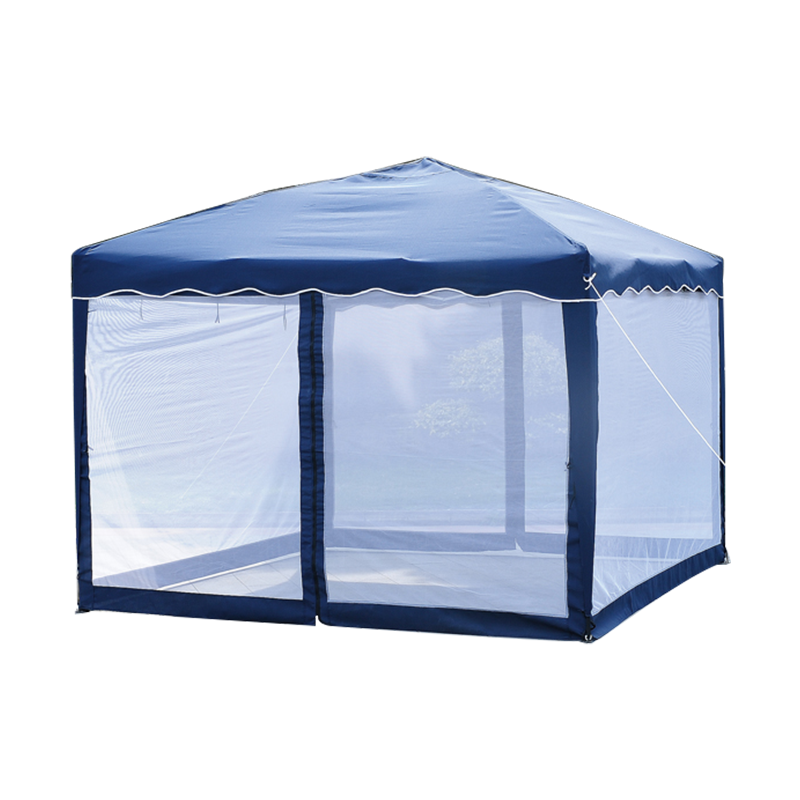
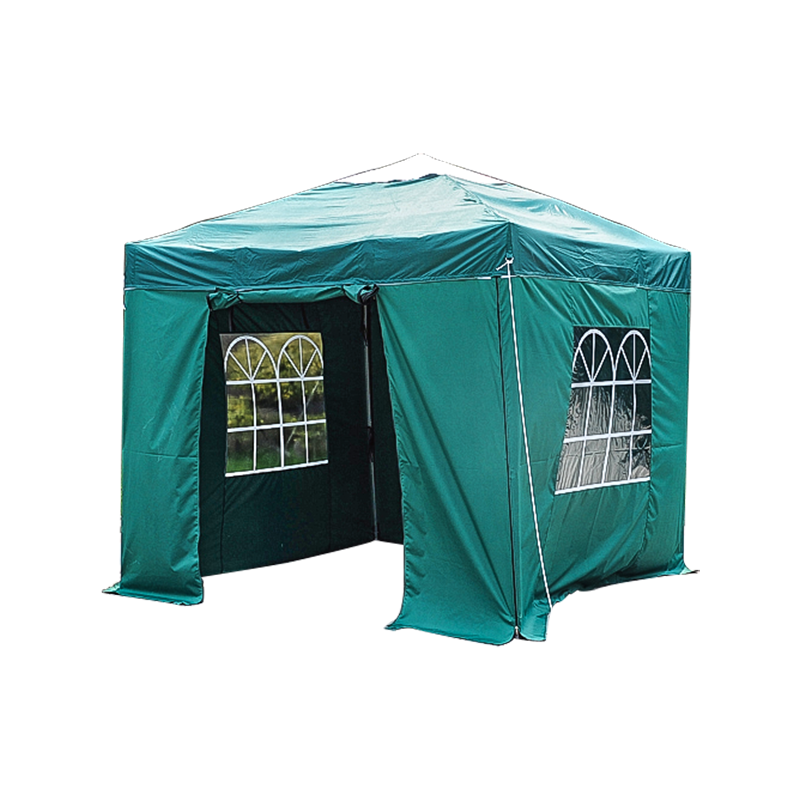
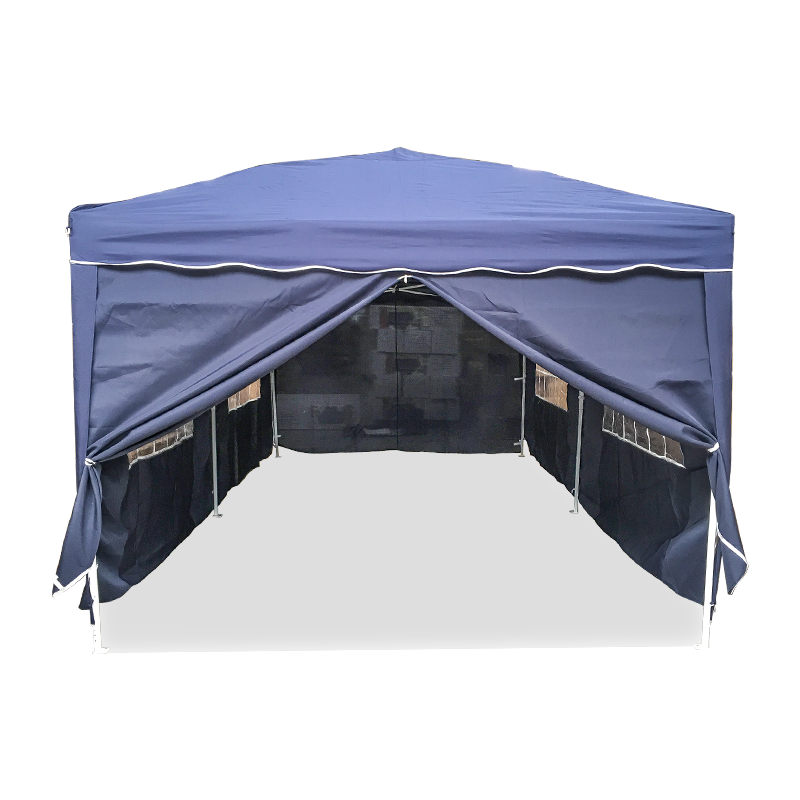
- Detachable side walls with zippers, usually sold as add-ons
What Is Usually Not Included
Most canopy kits do not include ballast weights such as sandbags or water barrels, extra side walls, lighting, or a replacement top. Confirm what is in the box before ordering, because these add-ons are where the final cost changes most. If a listing advertises a canopy top only, treat it as a replacement part, not a complete kit. It will not fit a frame from another brand unless the footprint and connector spacing match exactly.
Why the Top Matters More Than the Frame
The canopy top is the part that absorbs UV radiation, rain, and wind pressure. A factory-sewn top with reinforced corners and strong webbing handles these loads better than a cheap heat-pressed seam. The frame only needs to hold the top in tension; the top decides how long the kit stays waterproof. That is why the best canopy kits offer replacement tops for the same frame, letting you refresh the shelter without buying a whole new structure.
Frame Material: Steel versus Aluminum Canopy Kits
The frame is the first decision to make. The practical rule is simple: choose steel for maximum strength and lower cost, and choose aluminum when portability and corrosion resistance matter more. Both materials support a 3x3m or larger top, but they feel very different to handle.
Steel Frame Canopy Kits
Steel frames usually weigh 12 to 15 kilograms for a 3x3m kit. The tubes are stronger pound-for-pound, and the frame resists bending during repeated setup and teardown. Most steel frames use a black powder coating, which protects the metal from scratches and moisture. A steel-frame kit is the better value when the canopy will stay in one place for long periods, such as a tradeshow booth or a seasonal market stand. The tradeoff is weight: lifting a steel kit onto a car roof rack is noticeably harder.
Aluminum Frame Canopy Kits
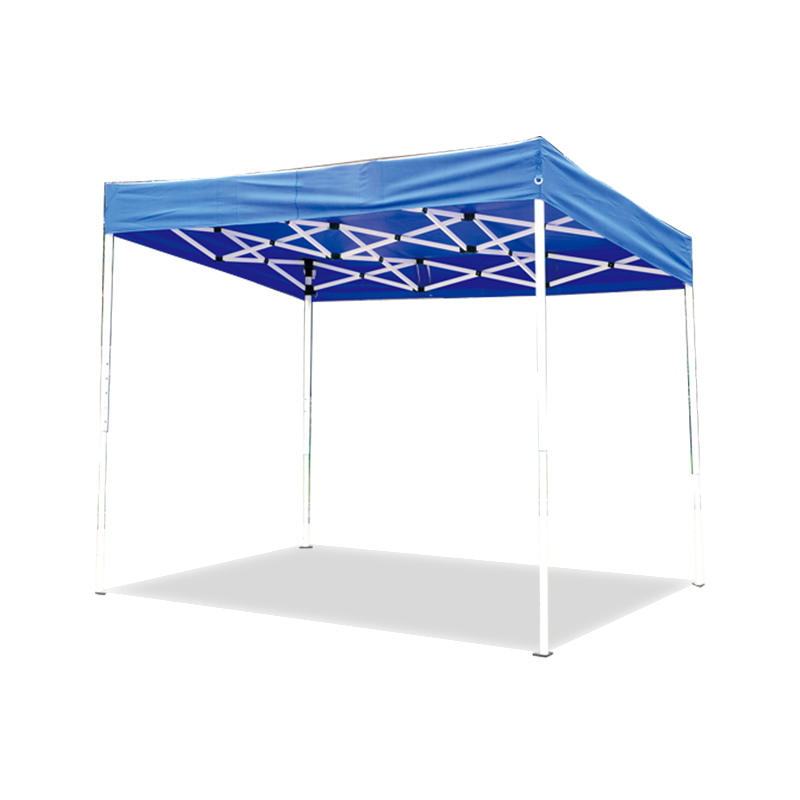
Aluminum kits weigh roughly 8 to 10 kilograms for the same footprint, which makes them the first choice for vendors, sports teams, and families who set up every weekend. Aluminum does not rust, so it survives coastal air, humid storage, and wet grass without showing orange streaks. The frame is stiff enough for canopies up to about 3x4.5m if the wall thickness is adequate. A well-built unit, such as a 3x3m aluminum-frame folding gazebo kit, feels crisp to open and has no sharp edges. Expect to pay more than for a comparable steel kit, but the lower handling fatigue and longer corrosion life justify the premium for mobile users.
 Wholesale3X3M Aluminum Frame Folding Gazebo Outdoor/Tradeshow/Car/Wedding/Sun RaYuyao Seasons Touring Products Co., Ltd is China Wholesale 3X3M Aluminum Frame Folding Gazebo Outdoor/Tradeshow/Car/Wedding/Sun Rain Prot...View Product →
For a deeper look at how each material behaves under load, see our guide to the frame materials of foldable gazebos.
Steel and aluminum canopy frame comparison for typical 3x3m kits
| Attribute |
Steel frame |
Aluminum frame |
| Typical weight |
12-15 kg |
8-10 kg |
| Strength |
Very high |
High with proper wall thickness |
| Corrosion resistance |
Moderate (powder coated) |
Excellent |
| Setup effort |
Heavier to lift |
Light and easy |
| Typical price |
Lower |
Higher |
| Best for |
Fixed events, long setups |
Mobile vendors, frequent storage |
Canopy Fabric: Matching the Top to Your Climate and Use
Fabric weight and coating are the most reliable indicators of waterproofing and UV performance. In the canopy industry, the fabric is described by grams per square meter plus the coating type. For a folding canopy kit, these are the three common grades:
140g Polyester
This is the entry-level fabric. It blocks sunlight and handles a light sprinkle, but it is not a serious rain shield. Use 140g polyester for beach shade, family picnics, and short outdoor events where the canopy is mostly a sun umbrella. If a thunderstorm is likely, you will need to add side walls or move the activity indoors.
250g PVC-Coated Polyester
The most balanced choice for buyers who need real waterproofing. The PVC coating makes the fabric heavier and completely water-resistant, and the seams are welded or high-frequency sealed so water cannot pass through needle holes. A 250g PVC-coated polyester top is the standard recommendation for tradeshows, car shelters, and weekend weddings where rain is a real possibility.
300g PVC-Coated Polyester with PU Silver Coating
This is the heavy-duty grade. The higher base weight adds tear resistance, while the PU silver coating reflects heat and strengthens UV protection. It is the best option for canopies that stay mounted for weeks, protect valuable equipment, or face strong afternoon sun. The fabric feels almost like a tarpaulin and stands up to repeated folding without cracking.
If you want to know how these materials behave in strong wind and heavy rain, check our analysis of whether canopies are resistant to the elements before you commit to a fabric.
Canopy fabric grades compared for typical folding kits
| Fabric |
Weight |
Waterproofing |
UV protection |
Best use |
| Polyester |
140 g/m2 |
Light rain only |
Basic |
Sun shade, picnics |
| PVC coated polyester |
250 g/m2 |
Full waterproof |
Good |
Tradeshows, cars, weddings |
| PVC coated with PU silver |
300 g/m2 |
Full waterproof |
Excellent |
Long-term outdoor use |
The 250g grade is the one most buyers land on, and our 250g PVC-coated polyester canopy kit is the version we produce in the largest volume for export customers.
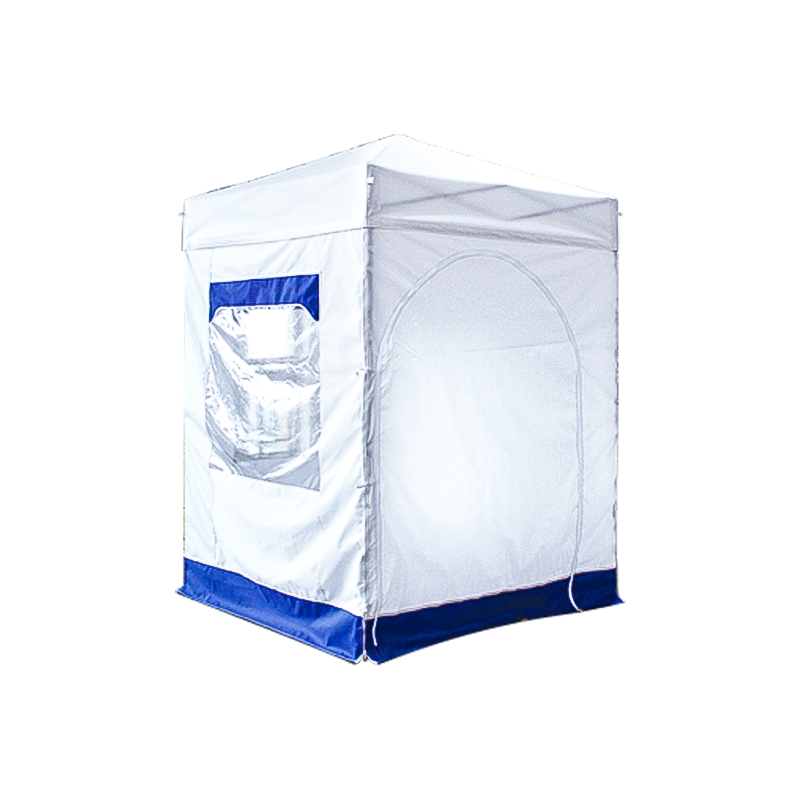 WholesaleA06-250g PVC Coated polyester Outdoor Folding Canopy Gazebo Suppliers, Yuyao Seasons Touring Products Co., Ltd is China Wholesale A06-250g PVC Coated polyester Outdoor Folding Canopy Gazebo suppliers and fact...View Product →
Standard Canopy Kit Sizes and How to Choose the Right Footprint
Size is a geometry problem, not a preference. Measure the floor space you actually have, then account for clearances, tables, and foot traffic. A canopy that is too large creates trip hazards; one that is too small frustrates everyone trying to use it.
2x3m Canopy Kits
A 2x3m footprint covers about 6 square meters. It fits one trestle table comfortably and suits a market stall, food stand, or family picnic. Around 10 to 15 people can stand under it when the sides are open. It is the lightest full-size kit to transport, so it is also the most common choice for overseas buyers who ship in containers.
3x3m Canopy Kits
The 3x3m is the most popular canopy size in the industry. It covers 9 square meters, fits two 1.8m tables side by side, and handles small event registration points, sports bench shelters, and wedding ceremony backdrops. Standing capacity is roughly 15 to 20 people. If you are unsure which size to buy, start here; 3x3m is the closest thing to a universal canopy kit.
3x4.5m and 3x6m Canopy Kits
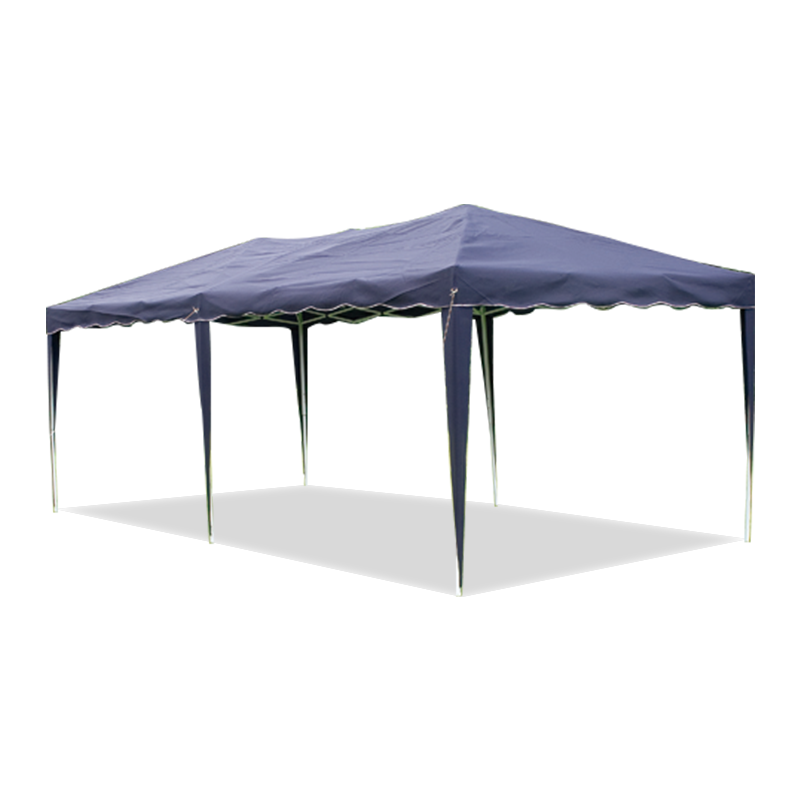
These are the event-scale sizes. A 3x4.5m kit gives you 13.5 square meters and enough room for three tables or a small stage area. A 3x6m kit reaches 18 square meters and is often used as a carport-style shelter or a dining area for large gatherings. Both sizes require more anchoring effort because the larger top catches more wind.
For a step-by-step method on matching capacity to headcount, including seating and buffet layouts, read our guide on how to choose the right tent size.
Common canopy kit footprints and their practical capacity
| Footprint |
Floor area |
Standing capacity |
Typical use |
| 2x3m |
6 m2 |
10-15 people |
Market stalls, picnics |
| 3x3m |
9 m2 |
15-20 people |
Events, small stages |
| 3x4.5m |
13.5 m2 |
20-30 people |
Banquets, product demos |
| 3x6m |
18 m2 |
30-40 people |
Car shelter, large gatherings |
Buyers who need a light, compact package for a single table often choose the 2x3m outdoor folding canopy gazebo kit because it fits the smallest storage space while still keeping rain off the product display.
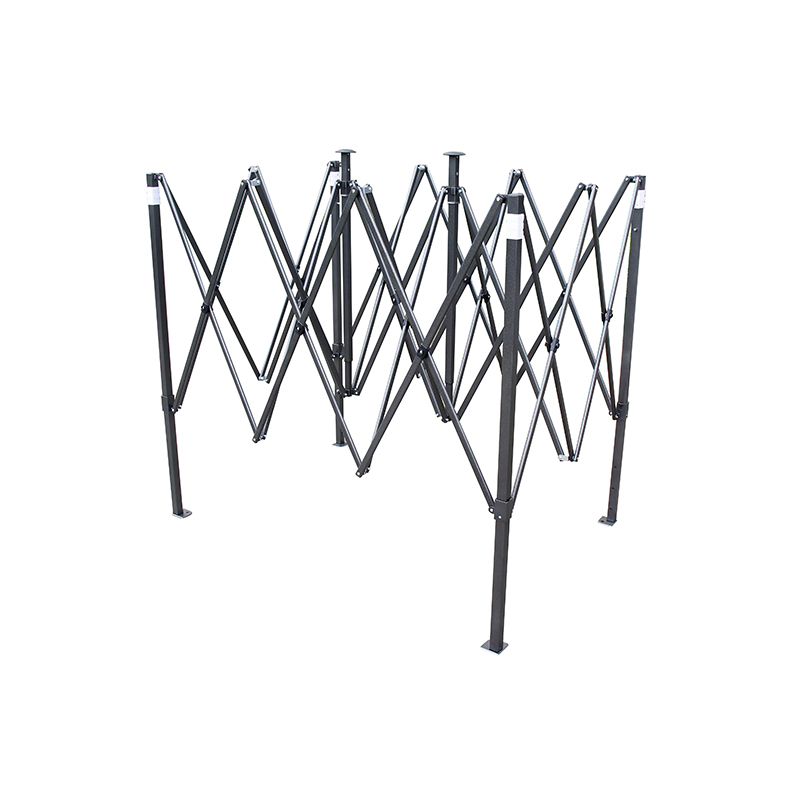 Wholesale2X3M Outdoor Folding Canopy Gazebo Suppliers, Factory - Yuyao Seasons TYuyao Seasons Touring Products Co., Ltd is China Wholesale 2X3M Outdoor Folding Canopy Gazebo suppliers and factory. Size 2*3/3.1 ...View Product →
Assembly and Installation: What to Expect from a Canopy Kit
A quality canopy kit goes from box to standing structure in 10 to 20 minutes with two people and no tools. The connectors click or twist into place, and the top is attached with corner straps before the frame is raised. If assembly takes much longer or requires tools, the kit design is probably outdated.
- Spread the folded frame on the ground and unlock the legs so each leg extends to its full length.
- Lay the canopy top over the frame, then hook the fabric corners onto the frame corners with the reinforced straps.
- Raise one side, then the other, until the frame locks into its open position and the top is stretched taut.
- Insert the remaining connector pins, then drive the stakes through the leg feet and tie the wind ropes at the recommended angles.
Ground Anchoring Tips
On grass or soil, use the included stakes at every leg, not just opposite legs. On concrete or asphalt, replace stakes with sandbags or water weights; a 3x3m kit needs at least 20 kg of ballast per side in mild wind and more if gusts are expected. Never leave an assembled canopy unattended without full anchoring.
Common Assembly Mistakes
The most frequent errors are extending legs unevenly, forcing the connector locks before the fabric is centered, and skipping the wind ropes because the day seems calm. A gust can arrive in seconds, and an unanchored canopy becomes a projectile. Take the extra two minutes to check that every leg is pinned and every rope is taut.
Customization, Accessories, and Replaceable Parts
Factory-direct canopy kits are highly customizable because the top cloth, frame coating, and packaging are all produced in the same facility. That is the main advantage of working with a manufacturer instead of a retailer: you can order colors, printed logos, and packaging options that are impossible to get from a stock warehouse.
Connector Options
Connectors are the mechanical join between rafter and leg. Aluminum connectors are stronger and hold up to hundreds of setups. Plastic connectors are lighter and cheaper, but they become brittle in freezing temperatures. You also choose between a pull-ring release and a button release. Pull rings are faster for crews that set up many units; buttons are simpler for occasional family use. Match the release style to the people who will actually operate the canopy.
Side Walls and Accessories
Detachable side walls convert an open canopy into an enclosed room. They zip onto the frame and can be ordered with doors, windows, or transparent panels. Common accessories include printed valances for corporate branding, extra wind ropes, ceiling hooks for lights, and floor weights. If you run a food stall or a registration booth, at least one wall with a window is worth the add-on cost.
Replaceable Canopy Tops
The most cost-effective long-term strategy is to buy a kit whose top cloth can be replaced. Frames last many years, while fabric inevitably fades and wears. When the top is a standard size with the same connector spacing, you can simply order a new top instead of scrapping the whole frame. Manufacturers who sell replacement tops, like our foldable canopy series, make this easy.
How Long a Canopy Kit Lasts and How to Extend Its Life
With regular care, a steel or aluminum frame should last well over five years, and a 250g or 300g PVC-coated top should remain waterproof for three to five years of seasonal use. The parts that fail first are the fabric seams, the elastic webbing straps, and the plastic connectors. Each of these can be replaced individually, which is why replaceable components matter more than the initial price.
Cleaning
Hose down the fabric with fresh water after every event that involves dust, salt spray, or tree sap. Use a soft cloth and mild soap for stubborn spots. Avoid solvent-based cleaners, because they can strip the PVC coating and accelerate cracking. Let the fabric dry completely before folding; a canopy stored wet will develop mildew in the folded creases.
Storage
Keep the canopy in its carry bag in a dry, shaded space. Avoid storing it in direct sunlight for months, because UV radiation degrades the coating even when the canopy is not in use. In winter, store aluminum frames indoors and keep steel frames dry; powder coating prevents rust, but cut edges and scratched areas can still corrode.
When to Replace Parts
Replace the top when you see cracked coating, leaking seams, or torn corner loops. Replace a connector when the locking action becomes loose or the plastic cracks. Regular checks of the ropes and stakes before every setup are the cheapest way to avoid a mid-event failure.
Canopy Kit FAQ
Here are the most common questions buyers ask when comparing canopy kits, with direct answers based on how these shelters are actually manufactured and used.
- Do I need tools to assemble a canopy kit? No. A standard folding canopy kit assembles by hand; the connectors lock into place and the top is secured with straps. Stakes and wind ropes are also driven by hand, though a rubber mallet helps on hard ground.
- Can I replace only the canopy top on an existing frame? Yes, if the replacement matches the footprint and the connector spacing of your frame. Buy from the same manufacturer whenever possible to guarantee the fit.
- Which frame is better for windy areas, steel or aluminum? Steel is heavier and slightly more stable in gusts, but anchoring matters more than material. A properly anchored aluminum kit with 20 kg of ballast per side can outperform an unanchored steel kit in the same wind.
- How waterproof is a 250g PVC-coated top? Fully waterproof. The PVC coating and welded seams keep out heavy rain, making it the most common fabric grade for tradeshow and carport use.
- Can I have my company logo printed on the canopy top? Yes. Factory-direct manufacturers offer custom color options and logo printing directly on the fabric, plus printed side walls and carry bags if needed.
- How many people fit under a 3x3m canopy? About 15 to 20 standing, or 8 to 10 seated at tables. For seated banquets, allow about 2 square meters per person, which means a 3x4.5m or larger kit is usually safer.
The Short Buying Checklist for a Canopy Kit
Start with the conditions at your site and work backward to the product. Define the worst weather the canopy will face, then pick a fabric grade that handles it; decide how often the unit will move and pick a frame weight; confirm the footprint fits the space; and make sure replacement tops are available from the same factory. When all four points are satisfied, the kit is a good buy regardless of brand.
- Fabric: choose 250g PVC-coated for weatherproofing, 300g for long-term exposure, and 140g only for light shade.
- Frame: steel for static strength and budget, aluminum for portability and corrosion resistance.
- Footprint: measure first, then pick 2x3m, 3x3m, 3x4.5m, or 3x6m based on headcount and tables.
- Replaceability: verify that the top, connectors, and side walls can be ordered separately.

 English
 Español