
 English
 Español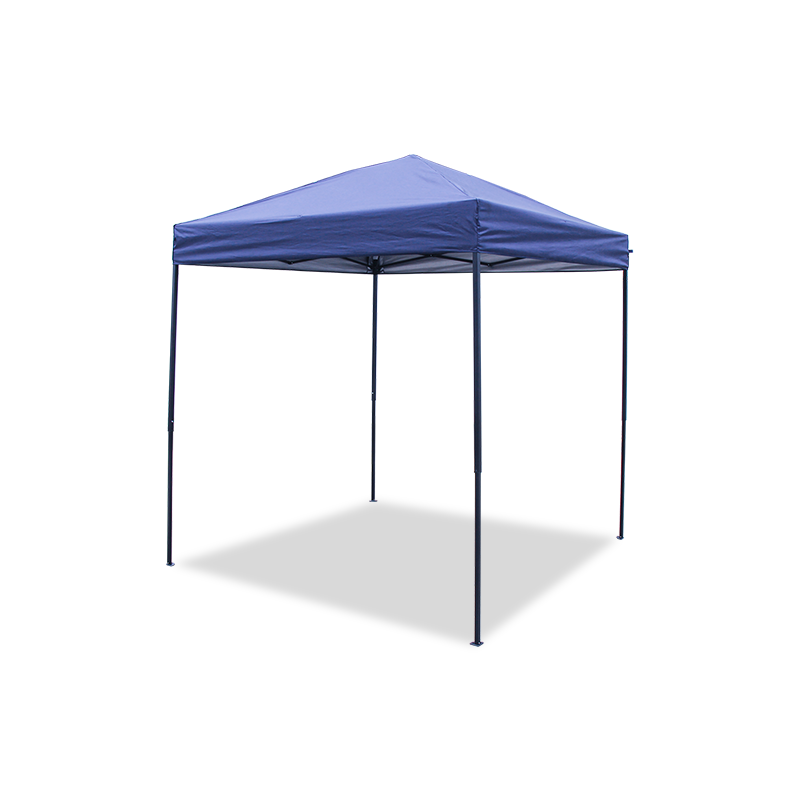
Customer expresses intent; Communicate between the two parties; Provide analysis reports to customers; Reach a cooperation intention.
Content
- 1 The Bottom Line on Canvas Tarps Before You Buy
- 2 What "Canvas Tarp" Actually Means: Cotton Duck, Poly Canvas, and PE Film
- 3 Fabric Weight and Waterproofing: The Two Numbers That Matter
- 4 Match the Canvas Tarp to the Job
- 5 Where Cheap Tarps Fail First: Hems, Grommets, and Seams
- 6 Sizing and Anchoring: Two Easy Ways to Lose the Battle
- 7 Cleaning, Drying, and Storage: How to Make a Canvas Tarp Last
- 8 When a Loose Tarp Is Not the Answer: Framed Shelter Alternatives
- 9 Canvas Tarp Buying FAQ
- 10 Final Recommendation
The Bottom Line on Canvas Tarps Before You Buy
A canvas tarp fails in three predictable places: the grommet tears through the hem, the seam lets water through, or the fabric rots from moisture and UV. For general outdoor cover work, a 12 oz/yd² cotton duck tarp with rustproof grommets and a reinforced hem is still the working benchmark. If you want lighter, rot-free, rain-ready performance, a 250 to 300 g/m² PVC-coated polyester sheet is the practical modern equivalent. And if you need covered standing space rather than a flat sheet, a framed canopy made from the same tarp-grade fabric will outlast and outperform any rope-and-pole rig.
Shopping by thickness alone is the most common mistake. Inexpensive polyethylene film is still reasonably strong across its face; it fails at the edges where loads concentrate. That is why perimeter construction, meaning hem, grommets, and seams, matters more than the overall sheet. You are buying a rectangle of fabric that lives or dies by a few square centimetres of hardware around its border.
What "Canvas Tarp" Actually Means: Cotton Duck, Poly Canvas, and PE Film
A canvas tarp is not one material. Three very different categories sit under the same search term, and mixing them up causes most buying mistakes. They react differently to water, sun, and mildew, and their realistic service lives are far apart.
| Type | Core material | Typical weight | Reaction to water | Sun and mildew behaviour | Expected outdoor life |
|---|---|---|---|---|---|
| Cotton duck canvas | 100% cotton, tightly woven twill | 10-18 oz/yd² (about 340-610 g/m²) | Breathes; fibres swell when wet and block most water | Mildews quickly if stored damp; UV slowly rots the thread | 2-4 years with dry storage and treatment |
| Polyester canvas (PVC-coated) | Woven polyester coated with PVC or PU | 180-520 g/m² | Coated face stays watertight; seams and edges need sealing | Coating resists mildew; UV stabilisers extend the life | 4-7 years outdoors |
| Polyethylene (PE) tarpaulin | Woven PE strands laminated between PE films | 90-220 g/m² (about 4-10 mil) | Waterproof by lamination, but film becomes brittle at folds | UV degrades the film in 1-3 years; tears start at grommets | 1-2 years |
In the outdoor shelter industry, when a supplier quotes a 250 g/m² or 300 g/m² top cloth, they mean coated polyester, which is the same family as a quality poly canvas tarp. You can read more about how PVC-coated tent fabric is constructed, but the short version is simple: woven polyester carries the tension, and the PVC coating stops the water.
Fabric Weight and Waterproofing: The Two Numbers That Matter
For cotton, choose 12 oz/yd² for general duty and 15-18 oz/yd² where abrasion is severe. For coated polyester, choose 250 g/m² for occasional sun and rain, 300 g/m² for frequent use, and 520 g/m² for commercial event duty. For waterproofness on coated fabric, look for a hydrostatic head above 1,500 mm; most quality shelter fabric tests between 3,000 and 10,000 mm.
Comparing Grammage Across Materials
Weights are quoted in oz/yd² (cotton, US tradition) or g/m² (coated polyester, most other markets). One oz/yd² converts to about 34 g/m², so a 12 oz cotton duck weighs roughly 410 g/m² and a 15 oz sheet about 510 g/m². The physical catch is that cotton absorbs moisture, so it feels heavier when wet, while coated polyester carries its weight in durable coating and stays light during handling. That is why a 250 g/m² poly tarp can be specified where users used to insist on 15 oz duck.
Hydrostatic Head and What It Means
Hydrostatic head (HH) is the height of a water column a fabric can hold before drops push through. Below 300 mm suits light dust protection only. 1,000 mm handles ordinary rain. 1,500 mm or more is considered rainproof for shelters. Quality PVC-coated polyester used in folding canopies and party tents typically tests from 3,000 to 10,000 mm, which is why a 250 g/m² coated top can stay perfectly dry where an 18 oz cotton tarp soaks through.
Remember that the middle of a tarp is rarely the weak point. Seams and grommet holes leak first. A coated fabric with only stitched seams will weep through every needle hole within the first season.
Match the Canvas Tarp to the Job
Buy for the use, not the price tag. Every application needs a different balance of weight, coating, and UV resistance.
| Use case | Best tarp type | Why this works |
|---|---|---|
| Truck and freight protection | 12-15 oz cotton duck, or vinyl-laminated poly | Resists rubbing against loads; reinforced hems handle strap tension |
| Construction screening and scaffolding | 15-18 oz cotton duck, or 300-520 g/m² coated poly | High abrasion resistance; heavy coating survives dirt and daily folding |
| Agriculture (hay, machinery, seed) | 180-300 g/m² UV-treated PE or poly canvas in light colours | Reflects heat; large sizes stay handleable; replacement is affordable |
| Market stalls, events, family gatherings | 250-300 g/m² PVC-coated polyester with heat-sealed seams | Watertight, quick to set up, folds compactly |
| Camping, painting, equipment storage | 10-12 oz cotton duck for breathable cover; 250 g/m² coated poly for weatherproof cover | Cotton limits condensation; coated poly sheds standing water |
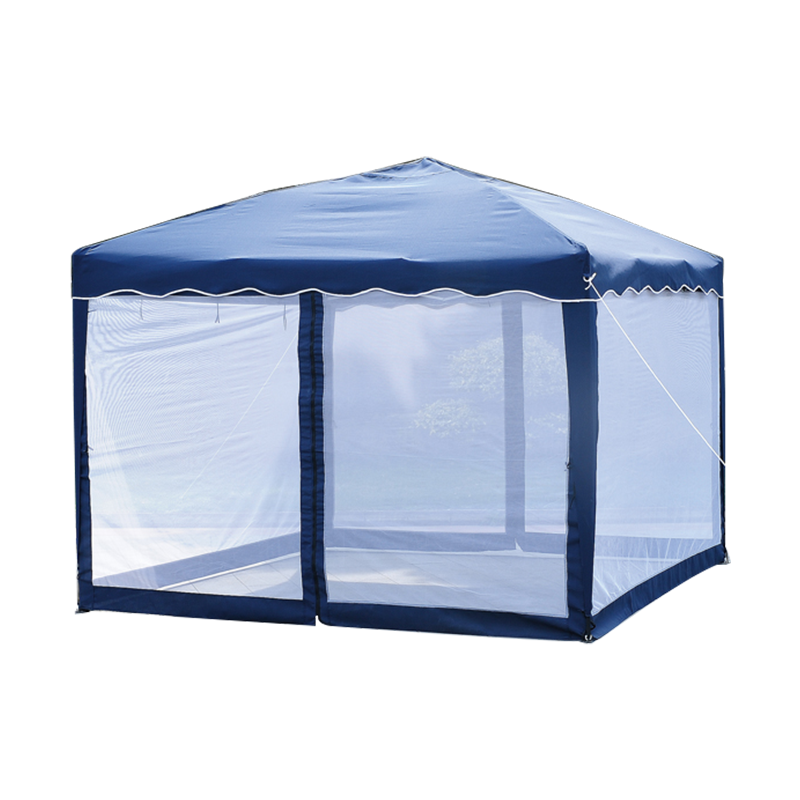
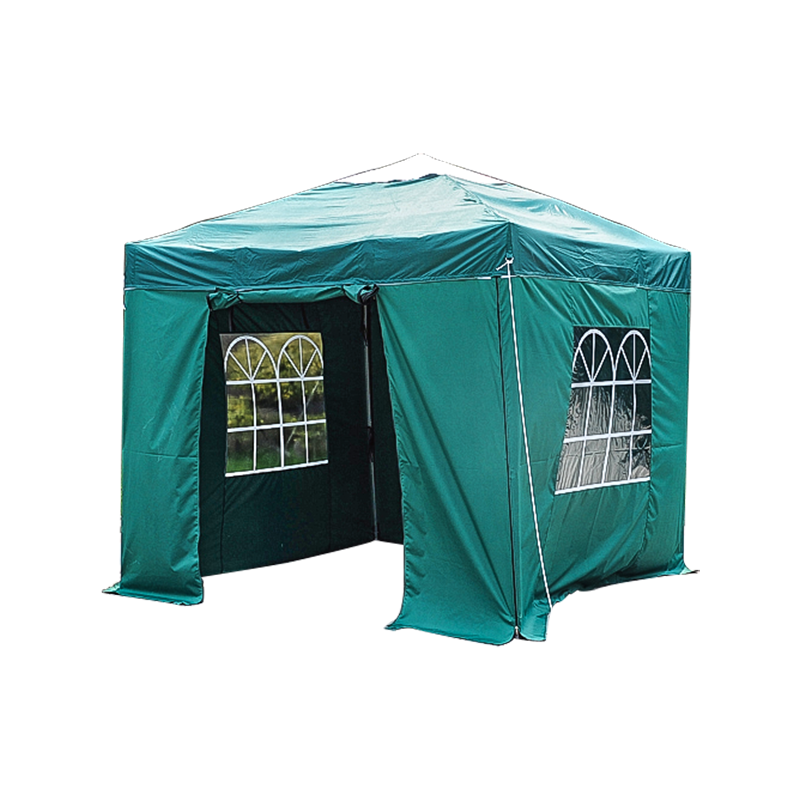
For the market-stall and event row, the tarp is only half the system; the frame carries it. A practical example is a 250 g/m² PVC-coated polyester canopy that turns the sheet into a free-standing structure one worker can erect without poles, ropes, or lashing knots.
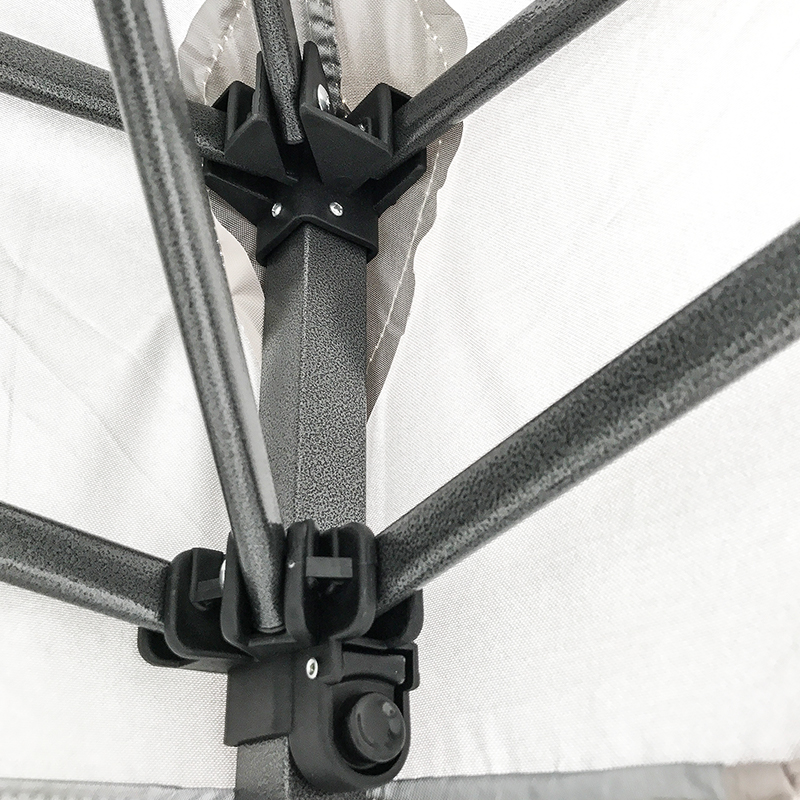 Wholesale250g PVC Coated polyester canopy Suppliers, Factory - Yuyao Seasons TouYuyao Seasons Touring Products Co., Ltd is China Wholesale 250g PVC Coated polyester canopy suppliers and factory. Size 2*3/3.3,2*2/...View Product →
Where Cheap Tarps Fail First: Hems, Grommets, and Seams
Evaluate a tarp by its perimeter, not its centre. The centre only has to hold fabric; the perimeter has to hold every load and most of the weather.
Hems
A single folded and stitched hem is the minimum. For anything beyond occasional use, look for a rope inside the hem or an extra-wide double fold with bar-tacks at every stress point. If the hem is flat and narrow on a cheap PE tarp, expect the grommets to pull out within months.
Grommets
- Brass grommets: corrosion-resistant, and soft enough to deform before tearing the fabric. They are the classic choice for cotton duck.
- Stainless steel grommets: the best option for salt air, coastal sites, and years of rain.
- Aluminium grommets: light and fine for portable tarps, but they bend under constant load.
Spacing is as important as the metal. Standard spacing is every 24 to 36 inches (60 to 90 cm); sheets longer than about 6 m need closer spacing or a rope-reinforced edge.
Seams
Stitched seams hold fabric together but punch thousands of small holes through it. If the fabric is coated, prefer heat-welded or taped seams. If the seam is stitched and then seam-sealed, that is a sign of a manufacturer who understands rain. For uncoated cotton, flat-felled seams are the traditional, airtight construction. What you want to avoid is a single-needle stitch with no cover tape on a coated fabric.
Sizing and Anchoring: Two Easy Ways to Lose the Battle
Two mistakes cause most tarp failures: buying slightly too small and anchoring noticeably too little.
- Measure the load, then add 30-60 cm of overhang on every side so tie-down straps pull downward instead of sideways.
- Slope the sheet so water runs off. A flat top that pools water can hold 10-20 litres overnight and tear out its grommets.
- Anchor at every grommet along the loaded edge, or at least every 1.5 m, using rope rated for outdoor use.
- Use elastic or spring rope on at least two corners so gusts stretch the line instead of shock-loading the fabric.
- Where stakes cannot be driven, such as concrete or a wooden deck, ballast every corner with 20-25 kg.
Wind is the silent killer. A 3 m x 3 m tarp in a 30 km/h breeze experiences the equivalent of about 50 kg of lateral push; at 60 km/h that figure exceeds 200 kg. No cheap plastic anchor survives that repeatedly. If your position is semi-permanent, treat the tarp as part of a structure rather than a blanket.
Cleaning, Drying, and Storage: How to Make a Canvas Tarp Last
A quality tarp can serve for years beyond a budget tarp, but only if it is stored the way its material requires. The sequence is brush, wash, rinse, dry, roll, store.
- Brush off loose dirt before washing; grit is abrasive to coatings.
- Wash with mild soap and cool water. Avoid bleach-based detergents and optical brighteners, especially on cotton and PVC.
- Rinse thoroughly; soap residue attracts moisture and mildew.
- Dry completely. Cotton tarps with any trapped moisture mildew within days; folded coated poly sticks to itself in heat.
- Roll rather than fold. If you must fold, change the fold lines each time so creases do not become permanent cracks.
- Store in a dry, ventilated, shaded place. Never pack a damp tarp into a bag.
The same wash-dry-roll routine applies to larger sewn shelters, and our cleaning and folding instructions for waterproof tents walks through the method in detail.
When a Loose Tarp Is Not the Answer: Framed Shelter Alternatives
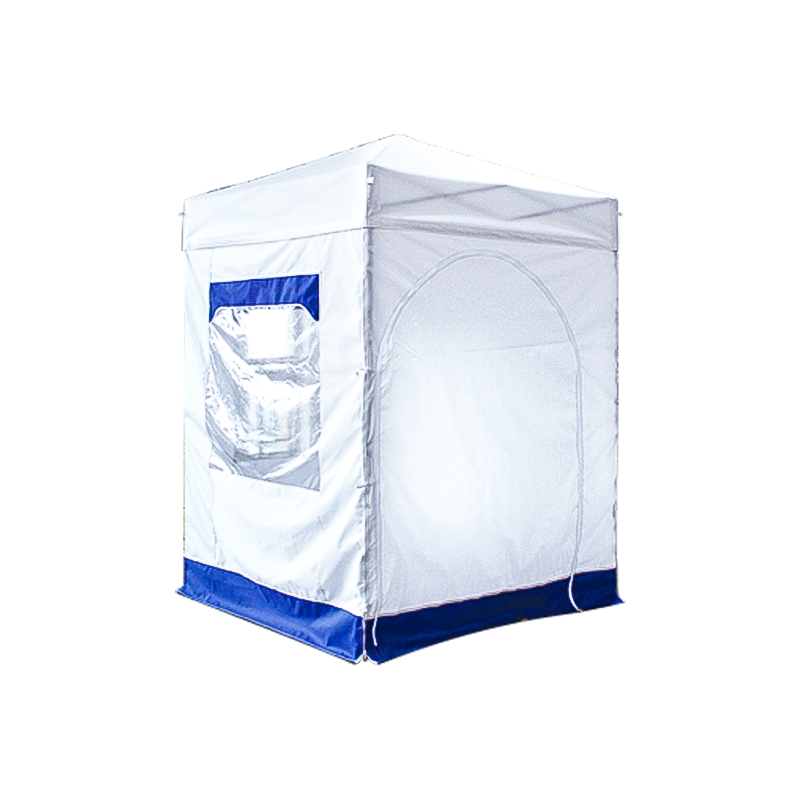
If you are covering a car, running a market stall, or sheltering a patio, the real deliverable is not a flat sheet of fabric; it is covered space you can use. A loose tarp needs poles, ropes, stakes, and enough judgement to keep the assembly safe in a gust. A framed canopy provides the same tarp-grade fabric with a rigid skeleton attached. The comparison changes the moment headroom matters.
| Aspect | Loose tarp with rope rig | Framed canopy |
|---|---|---|
| Setup time | 30-60 minutes including knots and staking | 5-10 minutes, no tools |
| Wind behaviour | Flaps, pools water, grommets pull | Frame transfers loads to legs; ballast or stakes still required |
| Usable interior | No headroom; edges slope to the ground | Full walk-in headroom |
| Portability | Rolls up small, but poles and stakes add weight | Folds into a carry bag with the frame |
| Fabric | Same PVC-coated polyester options | Same fabric family, typically 250-520 g/m² |
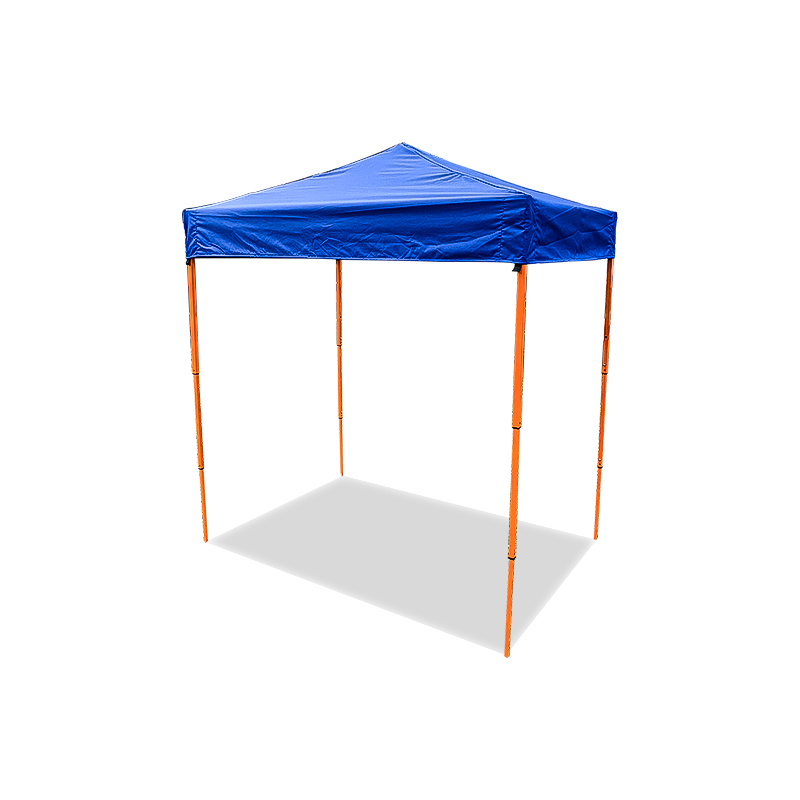
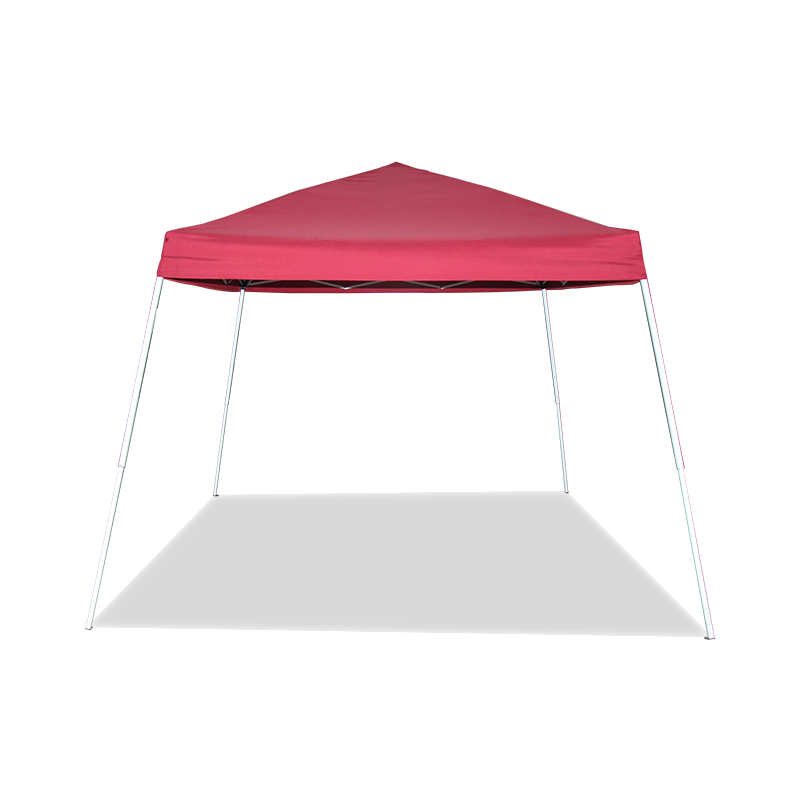
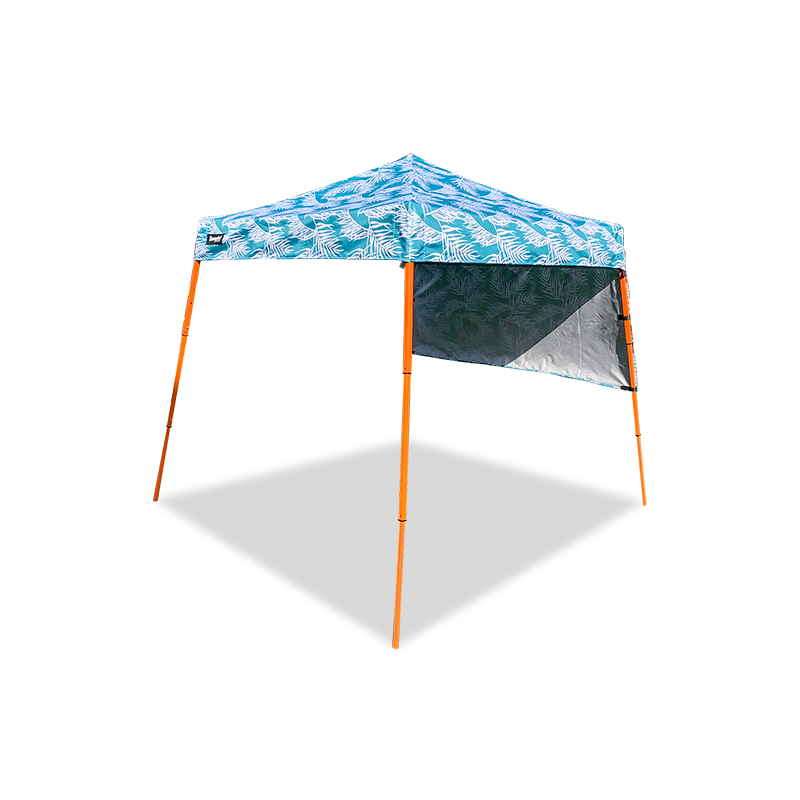
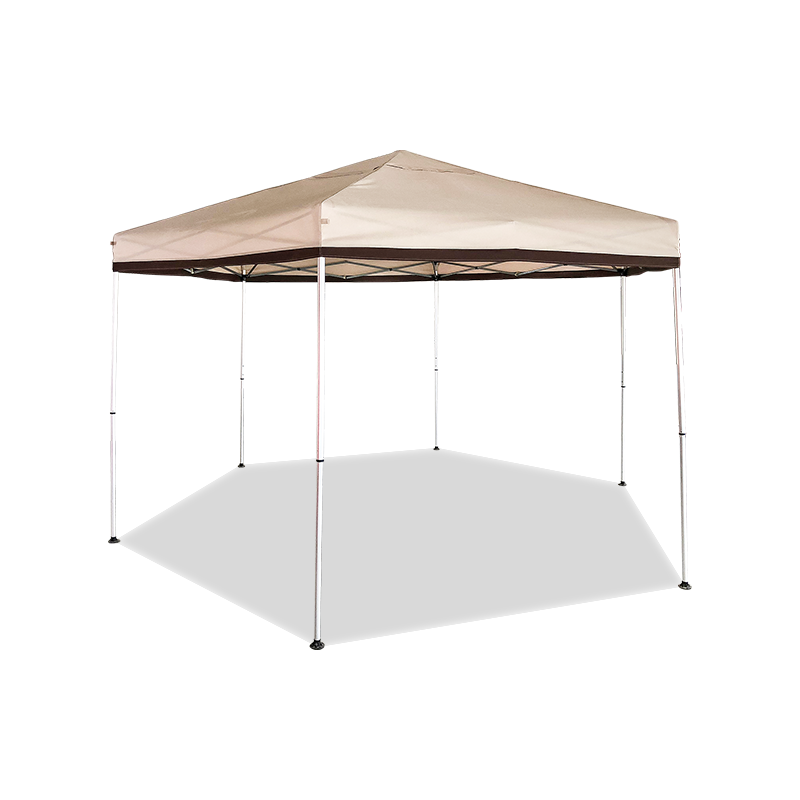
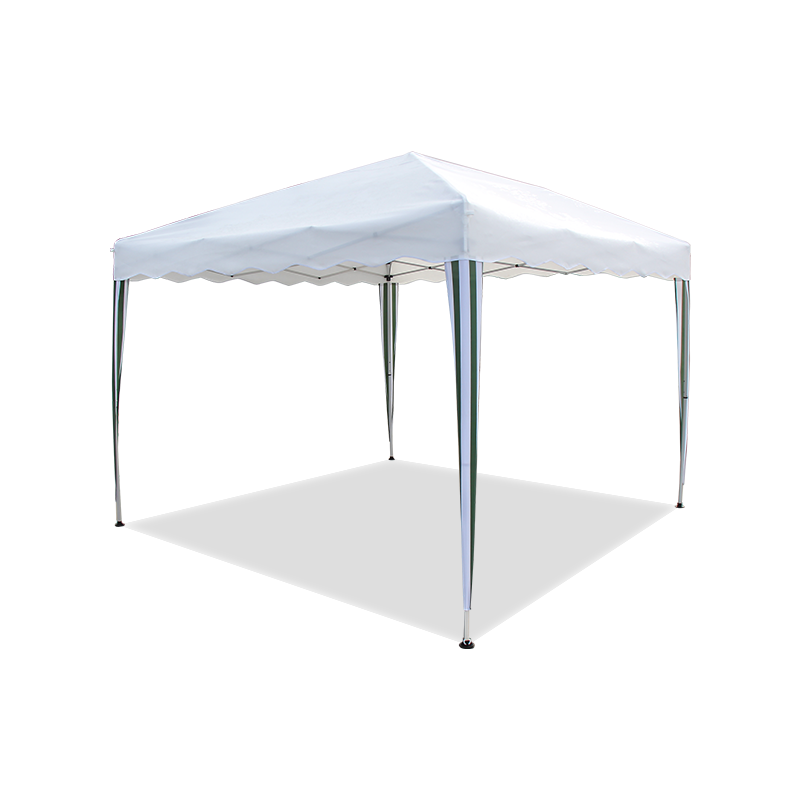
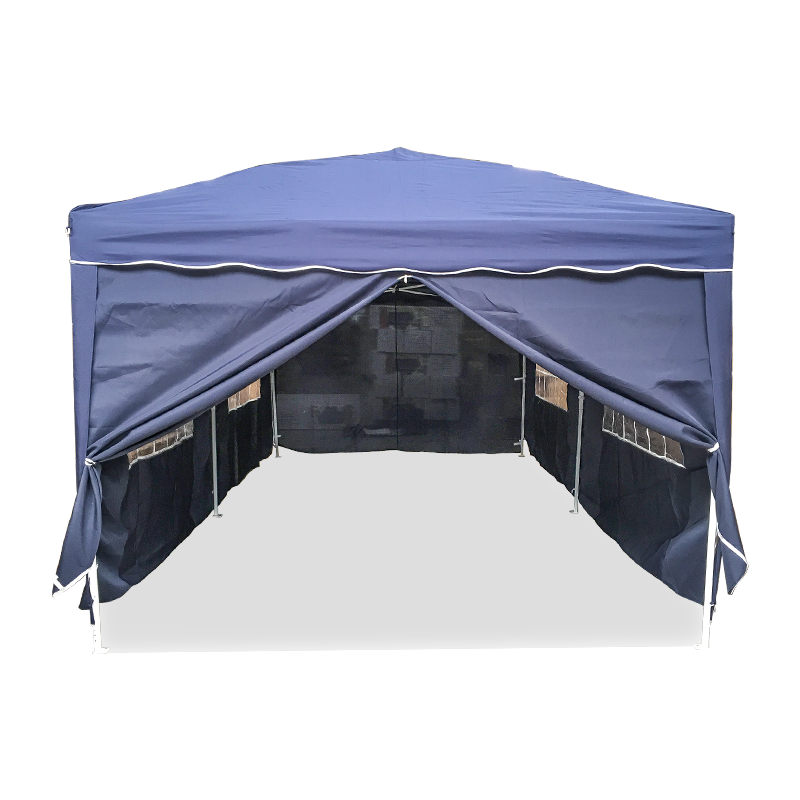
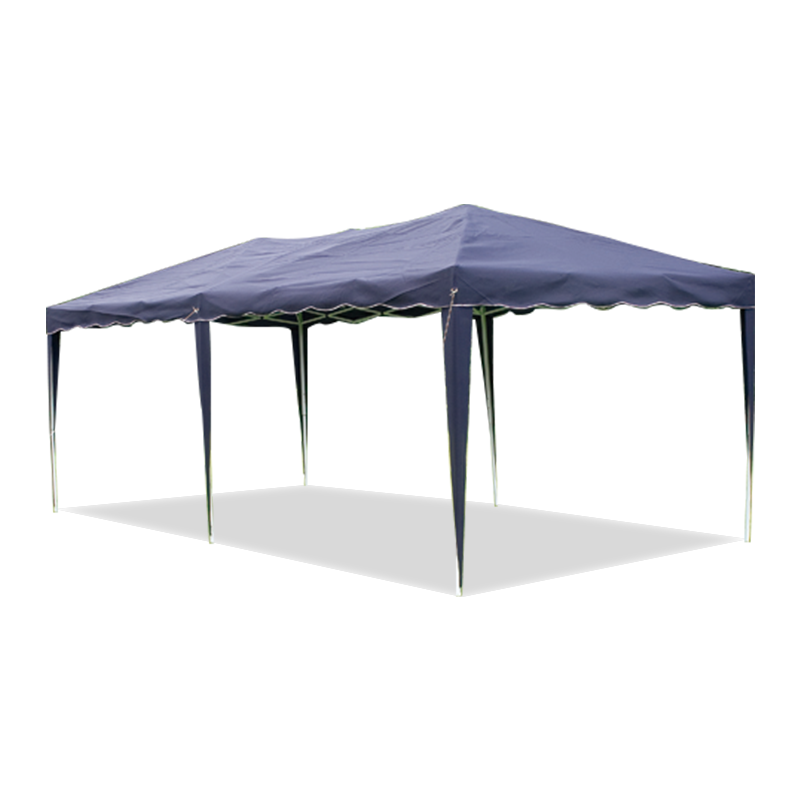
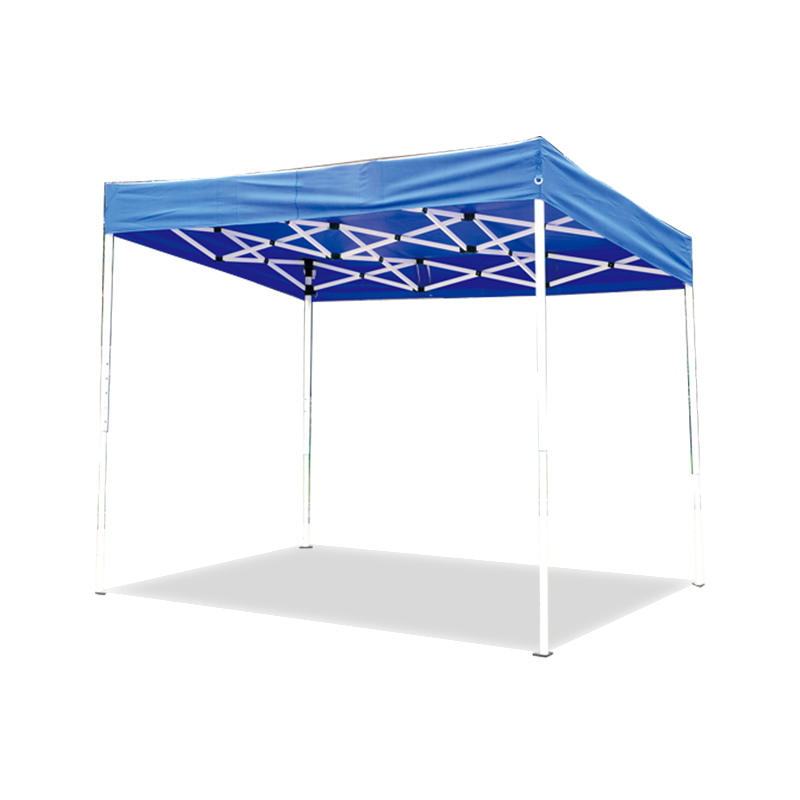
For vehicle protection, a carport-style party tent is the direct upgrade from a tarp thrown over the car: a wide span, straight sides, and a roof that does not touch the paint. For events and backyard duty, a 250 g/m² PVC-coated polyester folding canopy strikes the balance between rain protection and portability.
 WholesaleA06-250g PVC Coated polyester Outdoor Folding Canopy Gazebo Suppliers, Yuyao Seasons Touring Products Co., Ltd is China Wholesale A06-250g PVC Coated polyester Outdoor Folding Canopy Gazebo suppliers and fact...View Product →
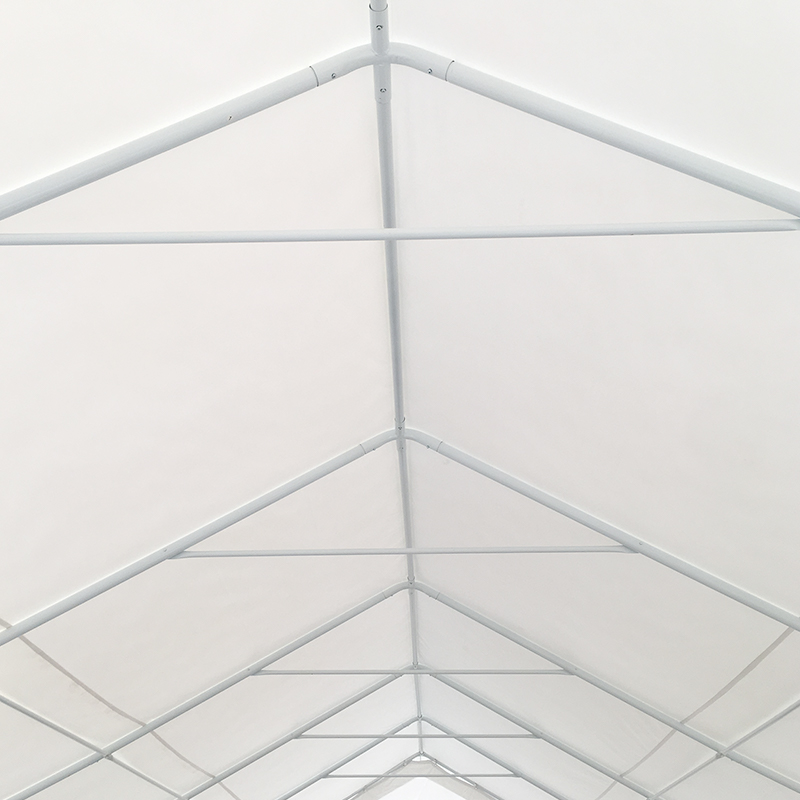 WholesaleOutdoor Party Tent Party Tent Carport Canopy Suppliers, Factory - YuyaoYuyao Seasons Touring Products Co., Ltd is China Wholesale Outdoor Party Tent Party Tent Carport Canopy suppliers and factory. Steel T...View Product →
If you are moving up from a tarp to a sewn shelter, the selection logic is the same: weight, coating, seams, and reinforcement. But the geometry adds one more factor, wind load area. Choosing a canvas tent explains how fabric and structure decisions change when a single sheet becomes a full enclosure.
Canvas Tarp Buying FAQ
Is a canvas tarp waterproof?
Cotton canvas becomes water-resistant only after the fibres swell, and even then seams and grommet holes can weep. Coated polyester, often called poly canvas, is waterproof immediately, provided the seams are heat-sealed or taped. If waterproof is non-negotiable, choose a coated fabric with sealed seams.
What weight canvas tarp do I need?
General outdoor cover: 12 oz/yd² cotton or 250 g/m² coated poly. Heavy abrasion: 15-18 oz cotton or 300-520 g/m² coated poly. Commercial events and marquees: 520 g/m². The right weight depends on how long the tarp stays in place and what rubs against it.
How long does a canvas tarp last outdoors?
Cotton duck: 2-3 seasons outdoors with normal care. PVC-coated polyester: 4-7 years, longer if stored dry and shaded. Polyethylene film: 1-2 years. UV exposure is the biggest factor; a tarp used only in winter will outlast one used every summer.
Which is better, a canvas tarp or a polyethylene tarp?
For anything longer than a single season, coated poly canvas wins. Polyethylene is cheap, light, and fully waterproof, but UV and repeated folding kill it quickly. Cotton duck is the best choice when condensation is a problem and damp storage can be avoided.
Can I machine-wash a canvas tarp?
No. Machine washing damages coatings, creases the film, and stresses grommet holes. Wash by hand with cool water and mild soap, rinse well, and dry completely before rolling.
The grommet area leaks. What can I do?
Seal the inside of the grommet with tarp seam sealer and let it cure flat. If a grommet is elongated or loose, do not try to tighten it; patch the area with adhesive-backed tarp repair tape first, then punch a new hole through the patch.
Final Recommendation
A 12 oz/yd² cotton duck tarp with brass grommets and a reinforced hem is the right choice when you want breathable, classic, strong cover and can store it dry. A 250-300 g/m² PVC-coated polyester sheet is the right choice when you want rot-free, rain-ready, long-lasting performance with lower weight. And when the job requires standing space, such as a vehicle, a stall, or a family gathering, stop adding ropes and start with a frame: a folding canopy or party tent in 250-520 g/m² coated polyester will do the job of a tarp, a frame, and a good setup day in one package.
In short: weight determines strength, coating determines weather resistance, and perimeter construction determines how long it all survives. Buy those three correctly and the tarp becomes a minor cost in your season. Buy them wrong and you will replace it before the first one wears out.

